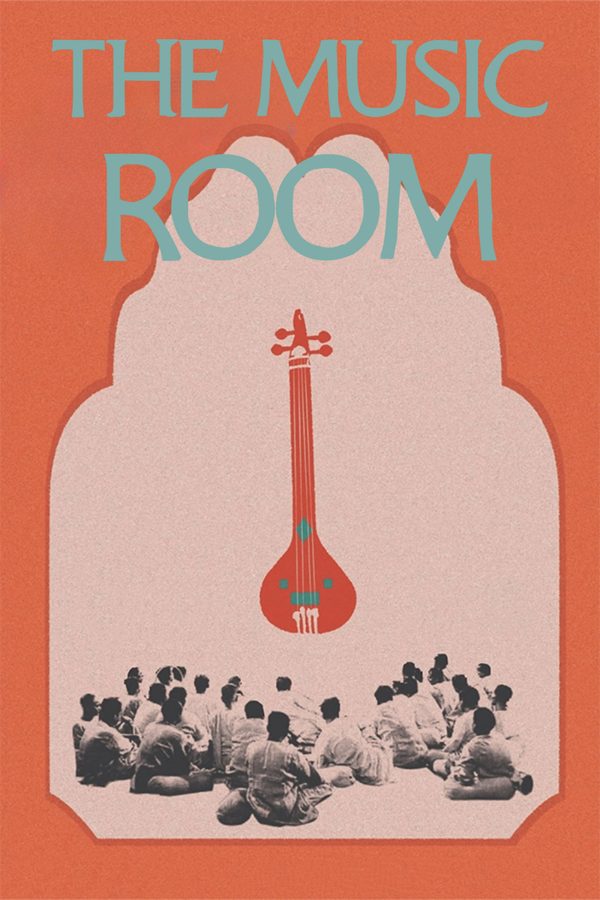
The Music Room (1958) on Netflix
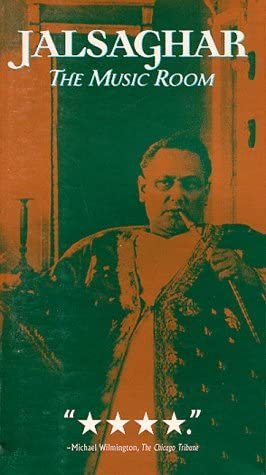
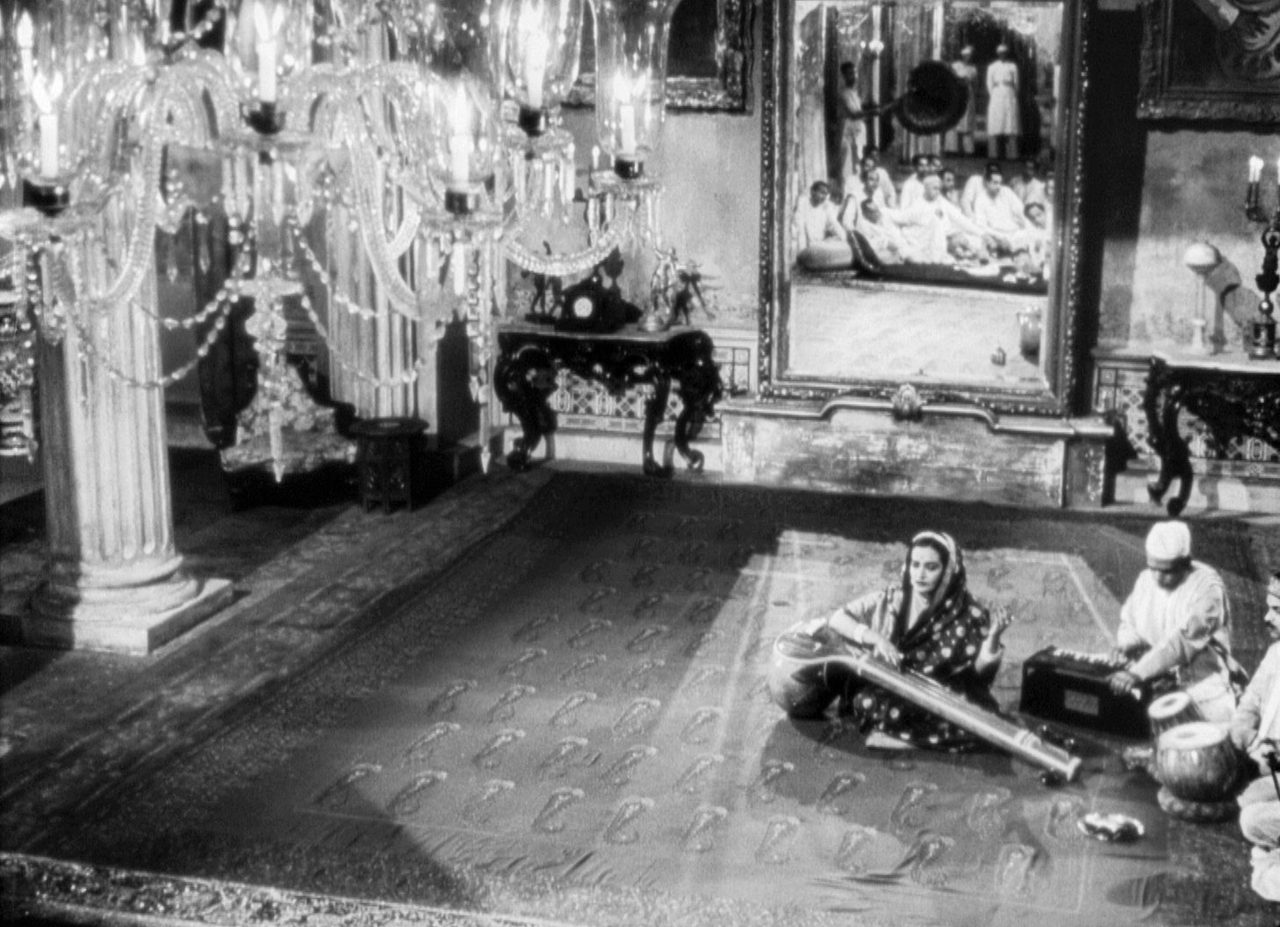
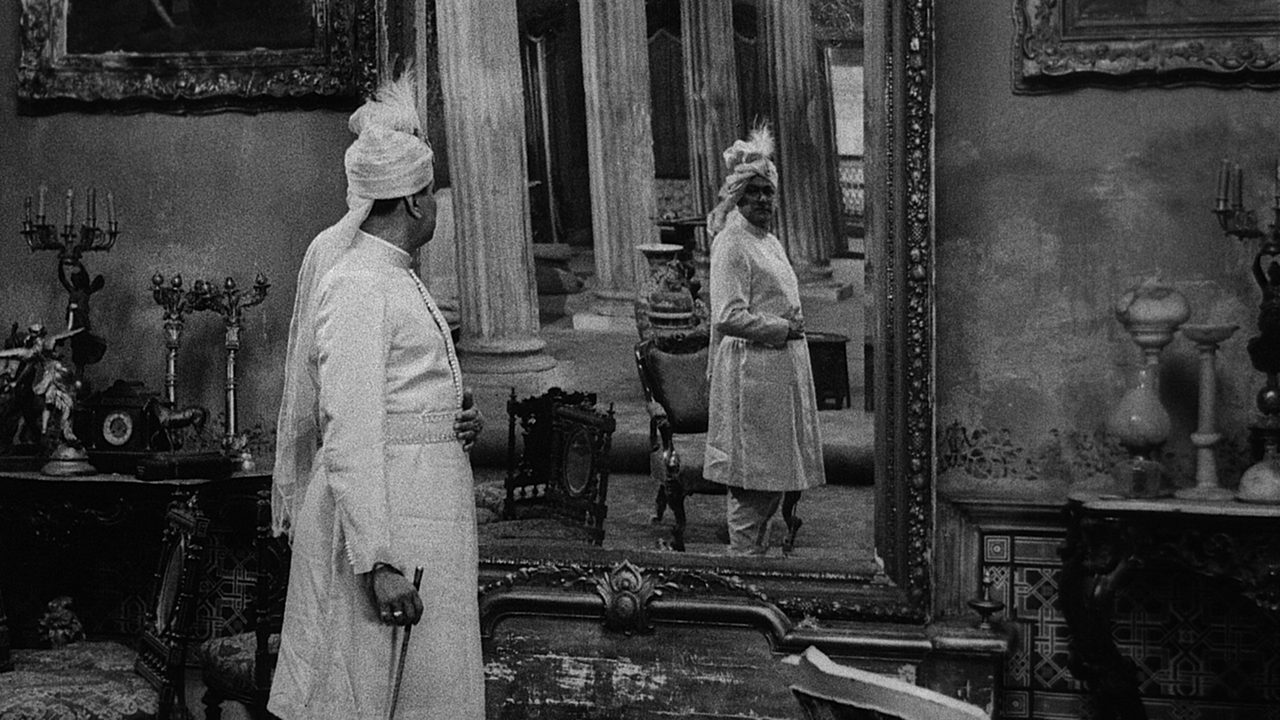
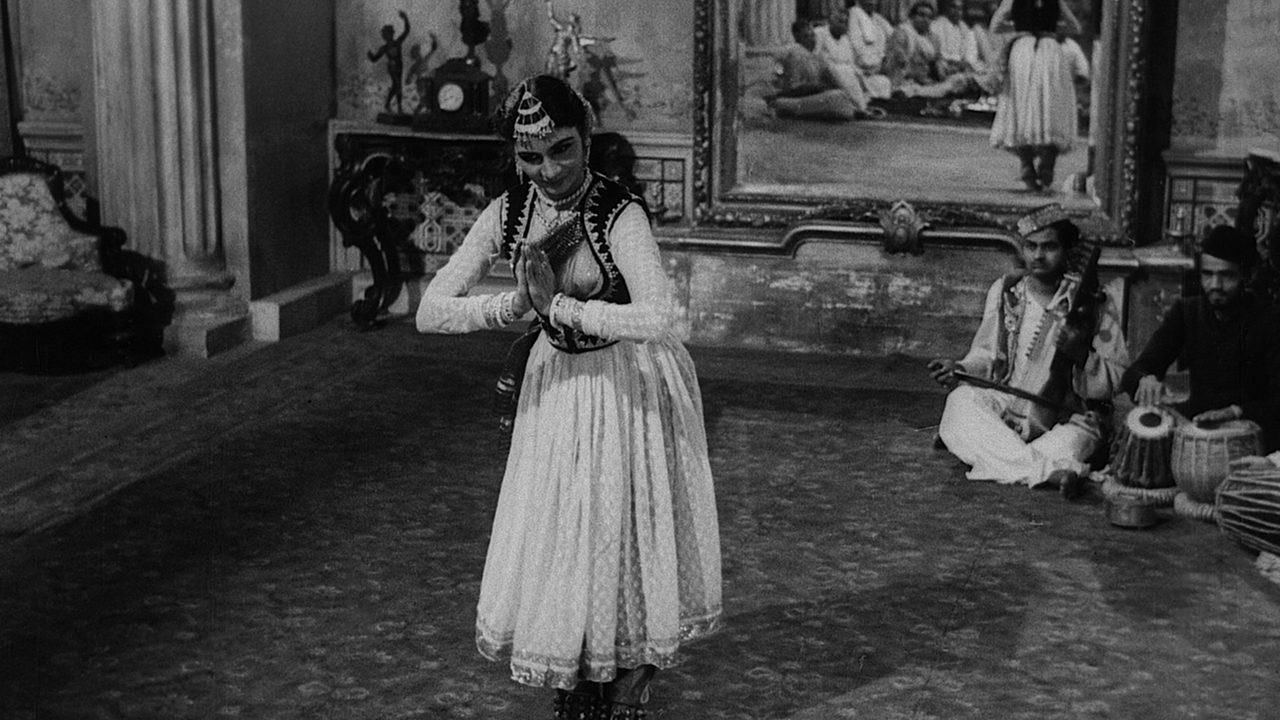
The Bengali landlord Biswambhar Roy holds concerts in his palace music room while his lands and coffers are neglected. His newly rich neighbor Mahim Ganguly builds a music room of his own.
- Netflix4.5/5
- IMDb7.8/107,457 votes
- Rotten Tomatoes100%
Clip

Plot summary
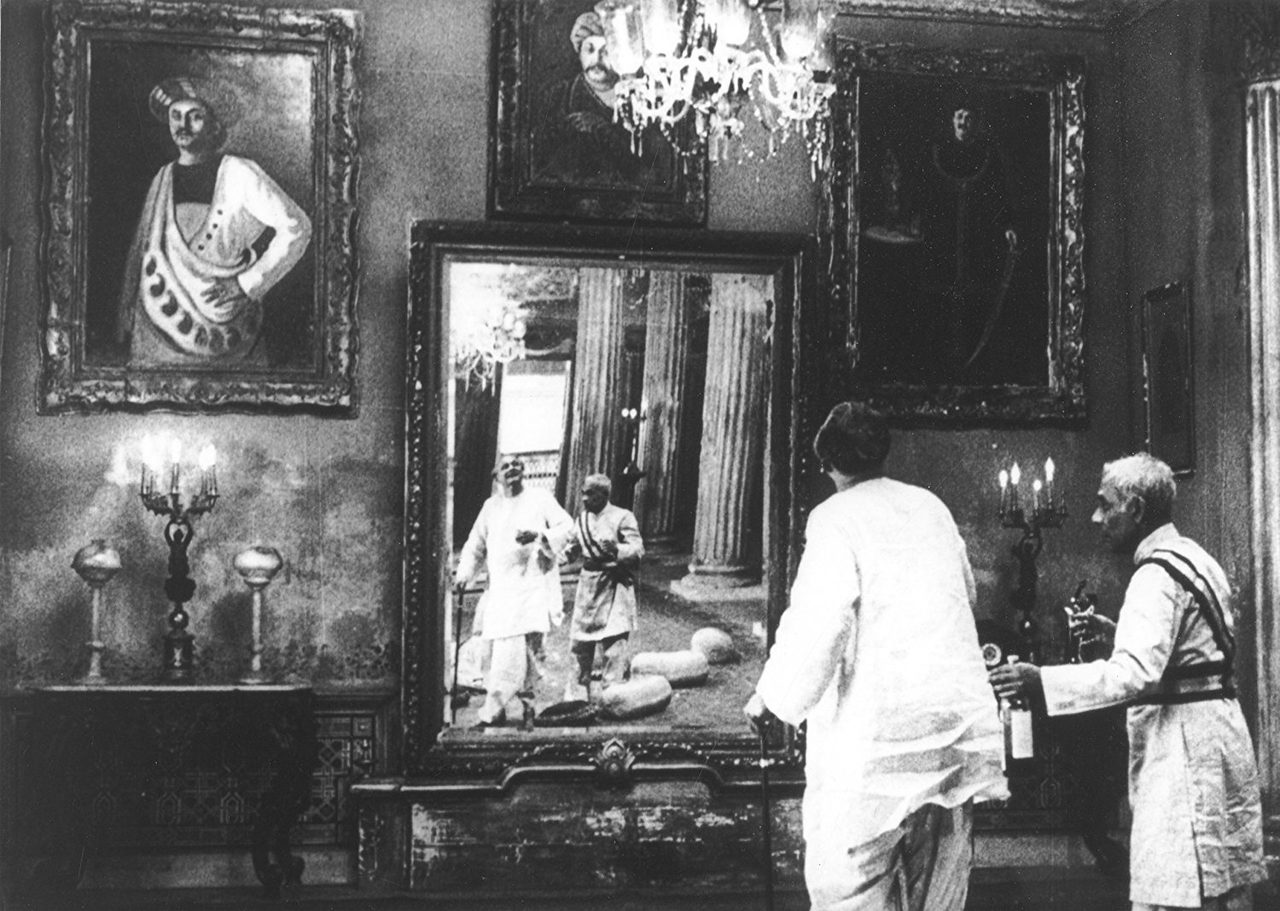
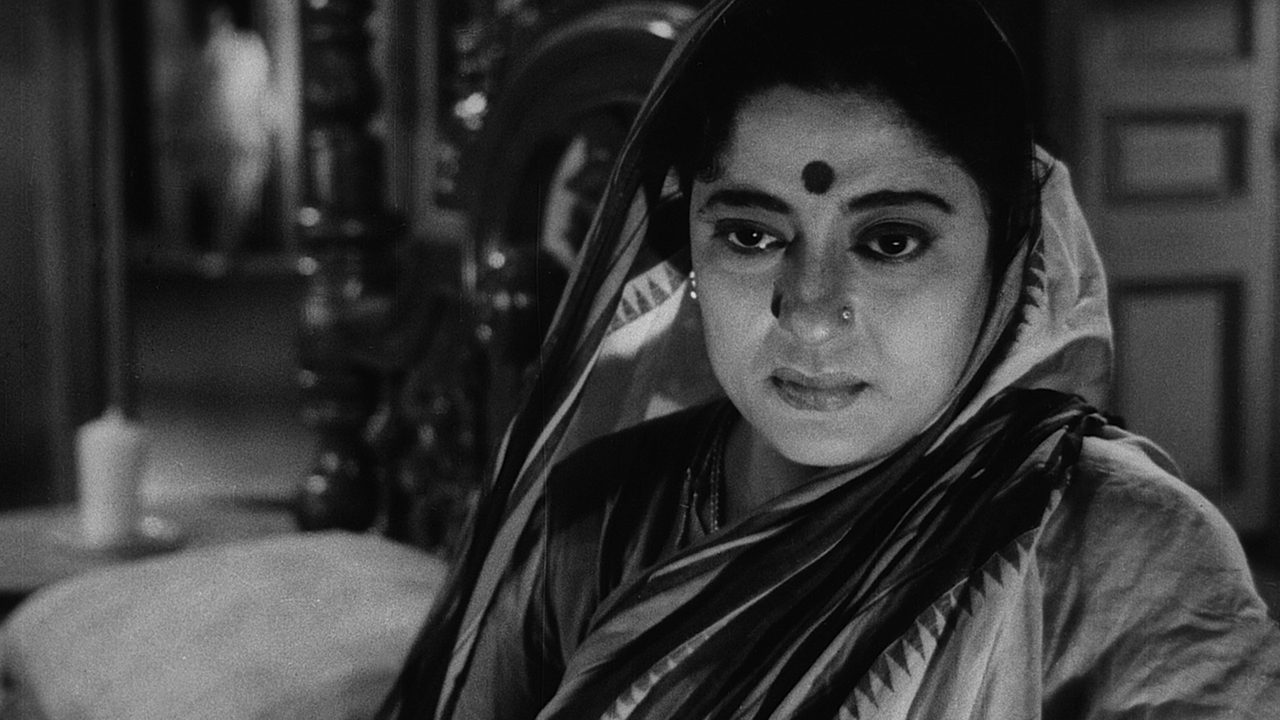
Biswambhar Roy, a Bengali zamindar, lives in a palace that has grown nearly empty, with a servant and a steward as his only company. He has spent his money on concerts in his music room rather than on his flood-damaged lands, and his wife Mahamaya's jewels have paid for the entertainments. When his neighbor Mahim Ganguly, a newly rich businessman, holds a coming of age ceremony for his son, the music drifts across, recalling the same ceremony for Biswambhar's own son, Khoka. Mahim later asks him to a New Year gathering at the house he has built, which has an electric generator. Unwilling to be outdone by a commoner, Biswambhar says he is holding a concert that day too, sends for Mahamaya and Khoka, who are visiting her sick father, and sells more jewels to hire a singer.
Cast


- Kali Sarkaras Anantha




- Waheed Khanas Ustad Ujir Khan
- Roshan Kumarias Krishna Bai

- Bismillah Khanas Musician
- Dakshinamohan Thakuras Musician


Did you know?!Facts and trivia about The Music Room (1958)
Can contain spoilers, watch the movie first.
- Scouting for Biswambhar Roy's palace, Satyajit Ray and his crew were recommended the palace of the Choudhurys in Nimtita, known as the Nimtita Rajbari, and Ray found it perfect. He later learned that the main character of Bandyopadhyay's short story was inspired by Upendra Narayan Choudhury, uncle of the palace's owner.
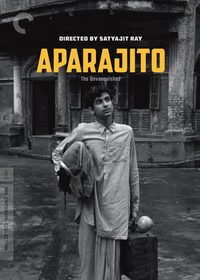
- After the box office failure of Aparajito in 1956, Satyajit Ray desperately needed a hit, so he chose a film based on a popular piece of literature that would also incorporate Indian music. Jalsaghar was his first film to extensively incorporate classical Indian music and dancing.
- Ray called the Nimtita palace perfect except that its music room, belonging to Ganendra Narayan's uncle Upendra Narayan Choudhury, a music patron much like the nobleman in the story, was not impressive enough for the soirées he planned. A more lavish music room was therefore built at the Aurora Film Corporation studio in Maniktala, Kolkata, a studio since demolished.
- Satyajit Ray worked closely with composer Ustad Vilayat Khan but was initially uncertain about his musical choices, and had to convince Khan to compose more sombre pieces for the film.
- In 1981 Jalsaghar was a box office success in France, selling 173,758 tickets, the most for an Indian film until Salaam Bombay! in 1988.
- Satyajit Ray said in 1958 he did not think Jalsaghar would succeed in foreign markets, but its gradual release in Europe and the US in the early 1960s brought critical and financial success and helped establish his international reputation.