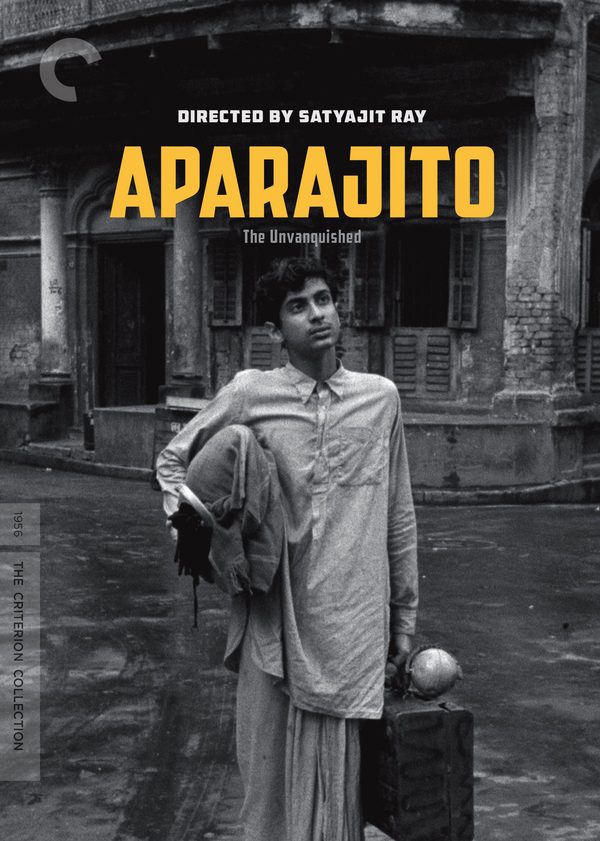
Aparajito (1956) on Netflix
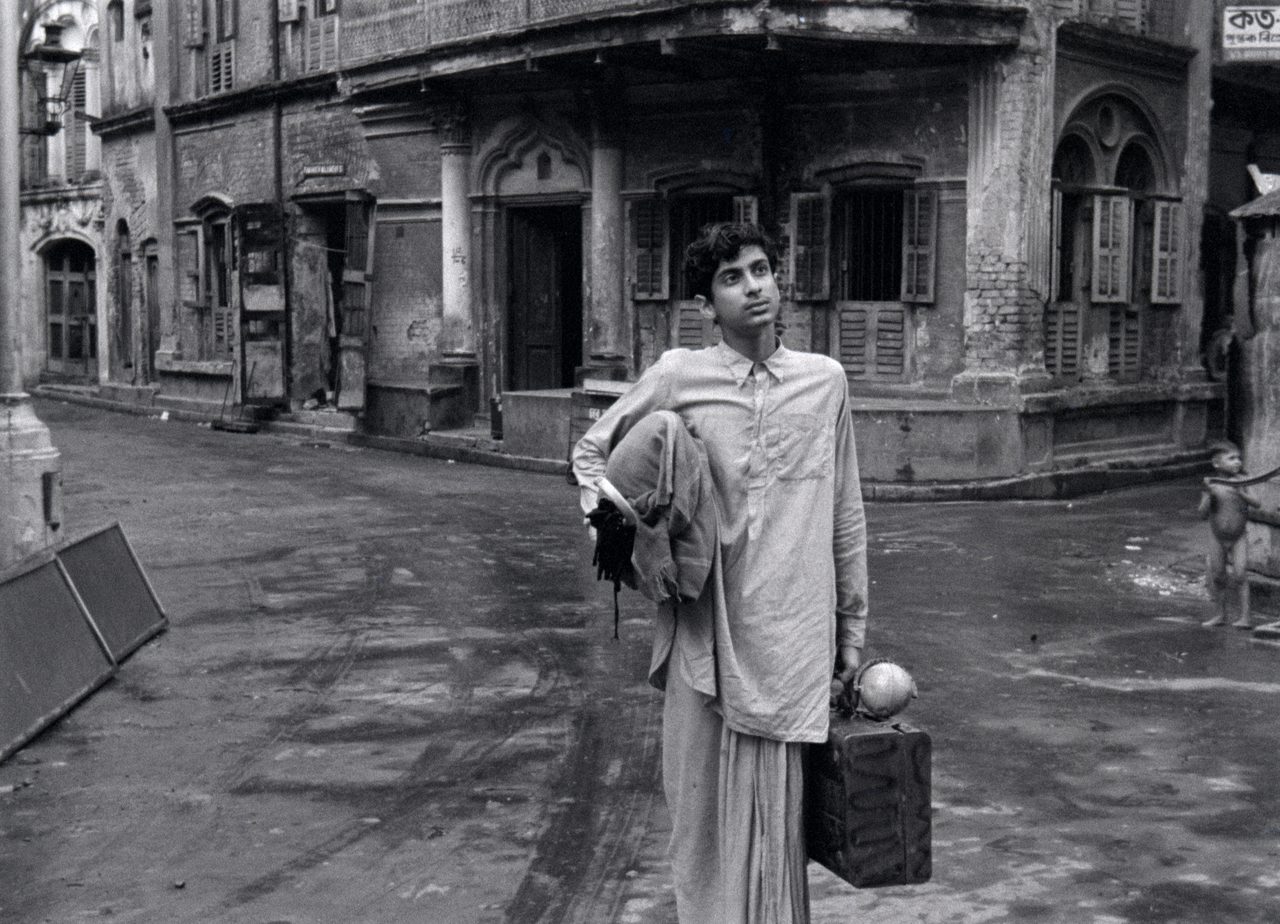
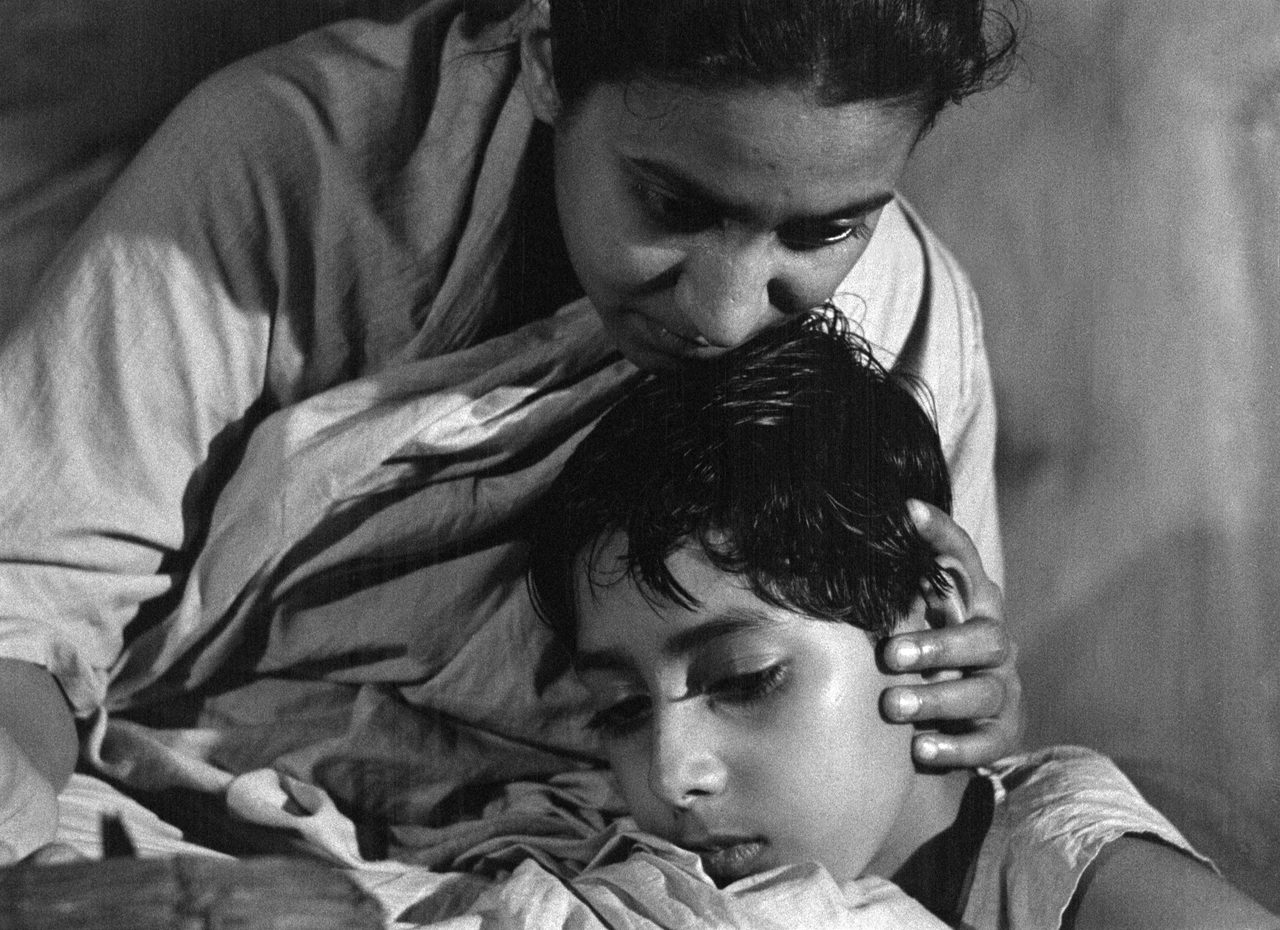
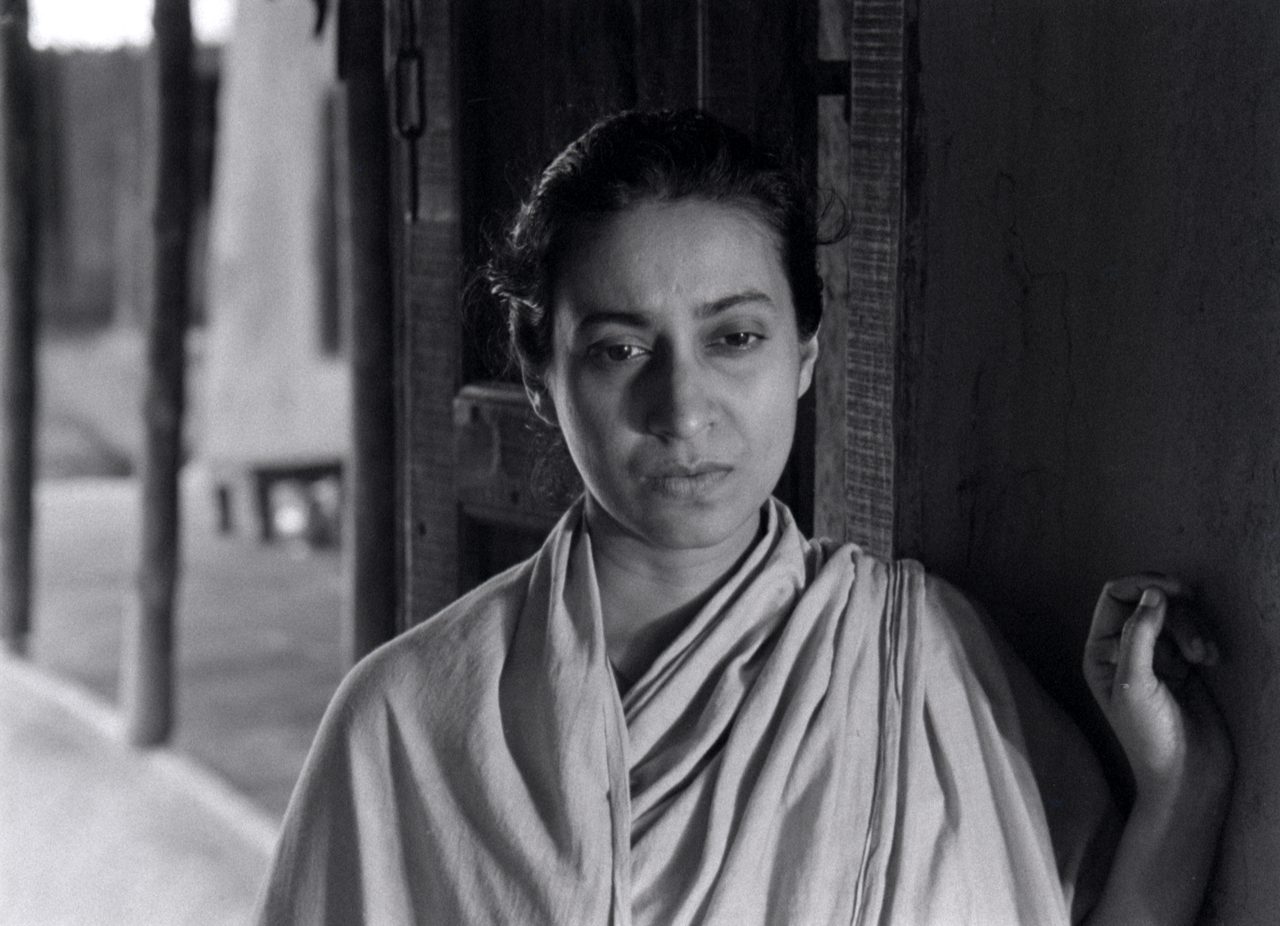
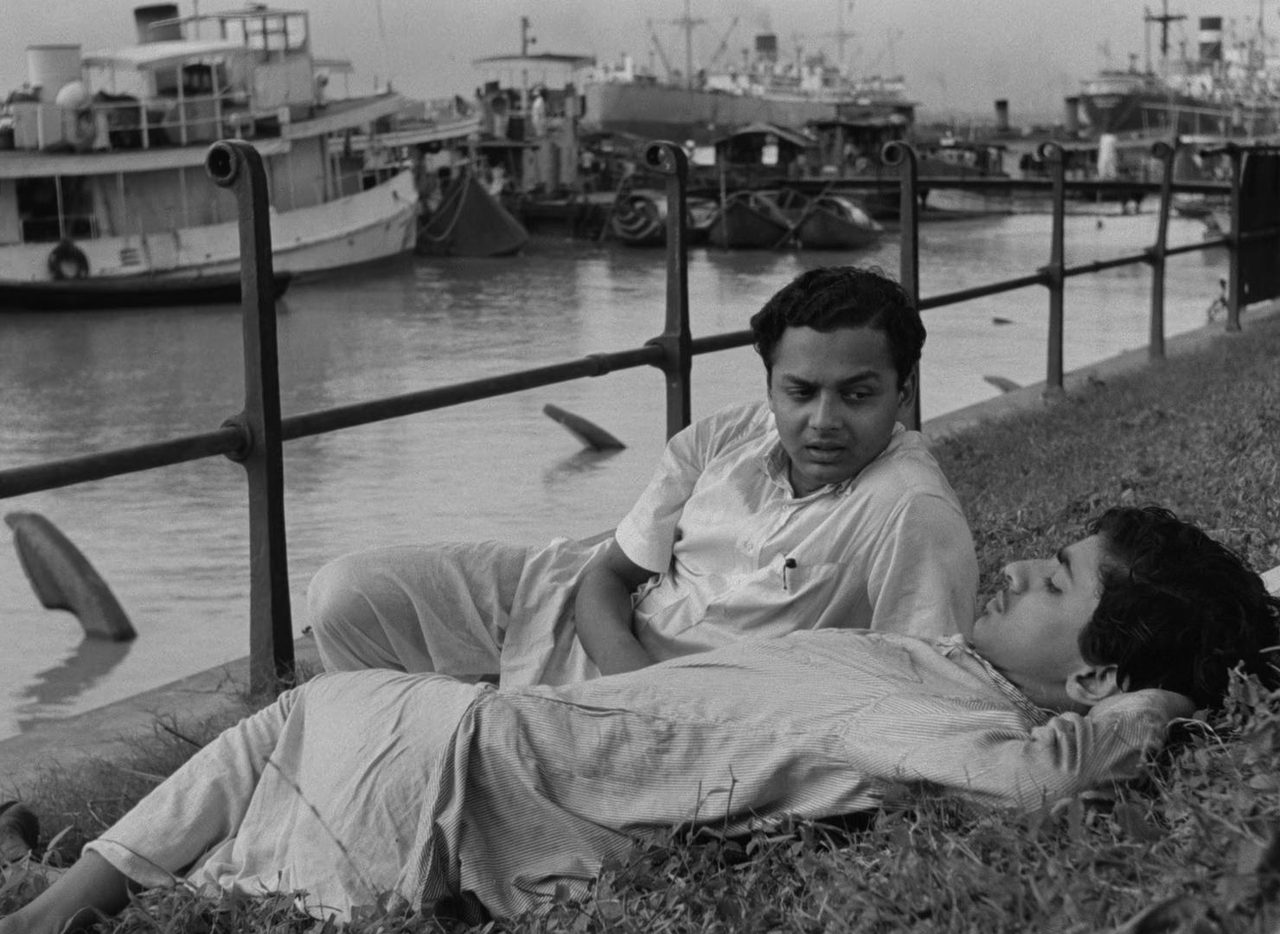
Apu and his parents leave rural Bengal for Varanasi, where his father Harihar serves as a priest. After Harihar dies, Apu and his mother Sarbajaya return to a Bengal village.
- Netflix4.5/5
- IMDb8.2/1020,316 votes
- Rotten Tomatoes96%
Trailer

Plot summary
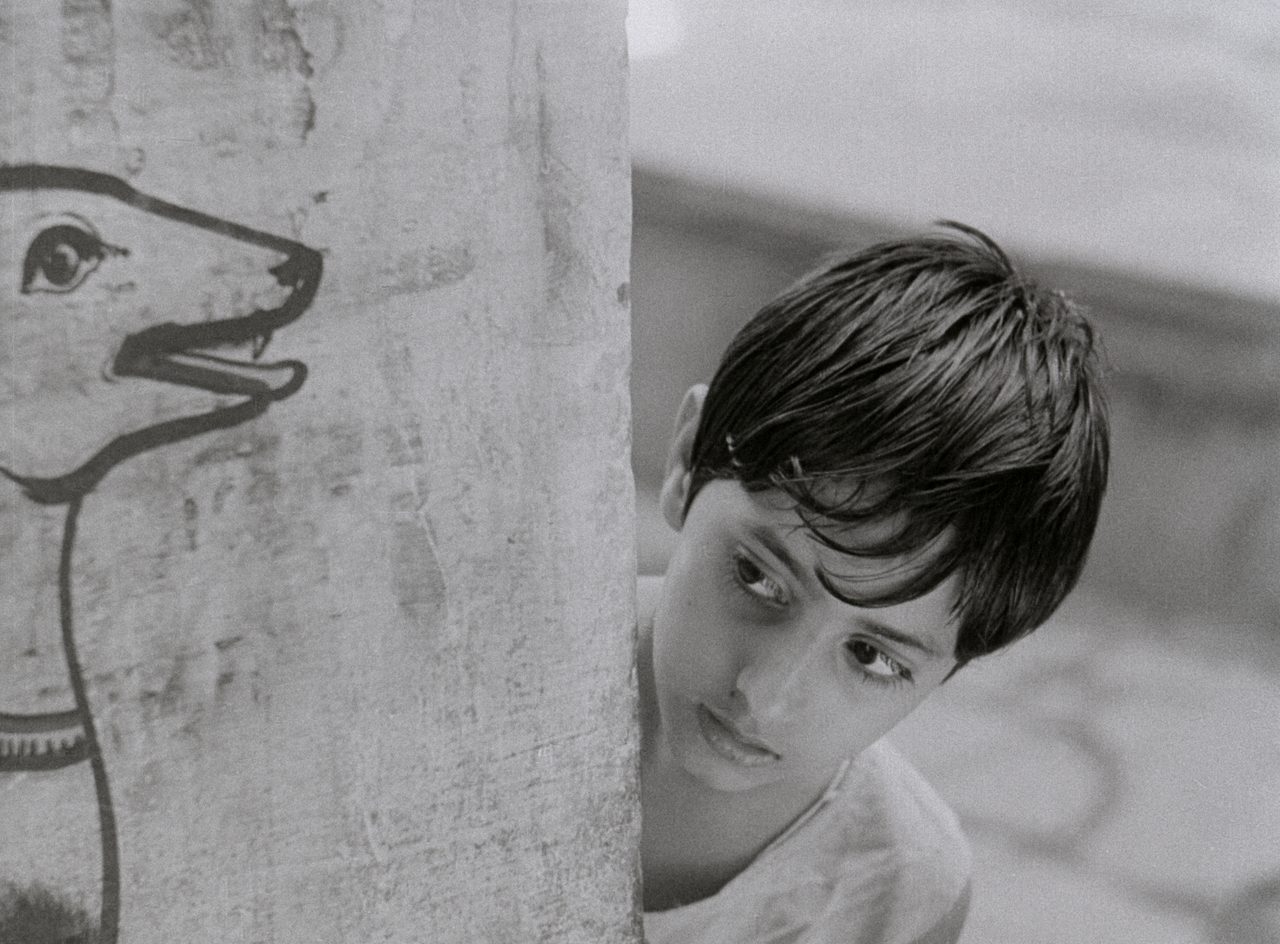
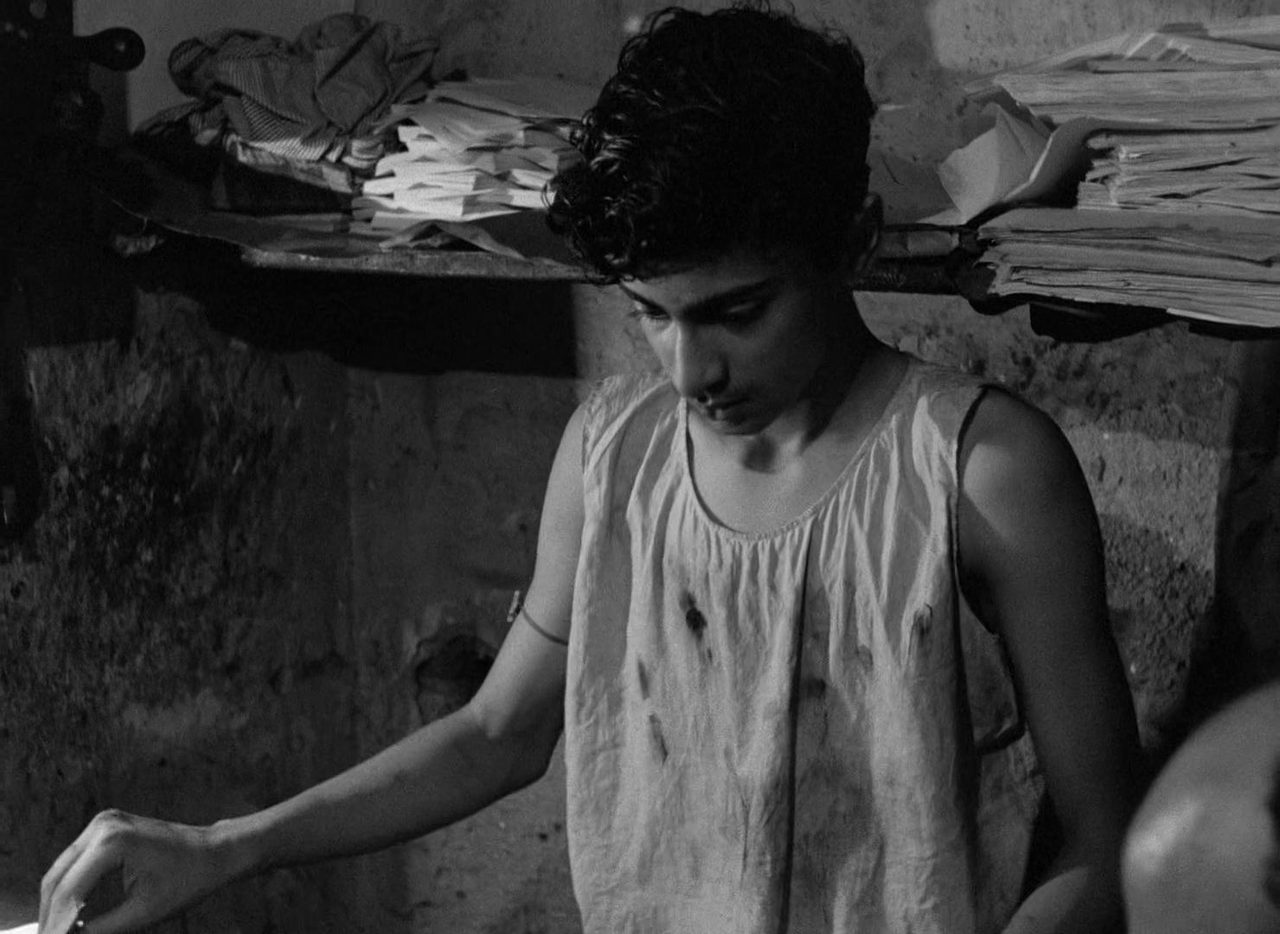
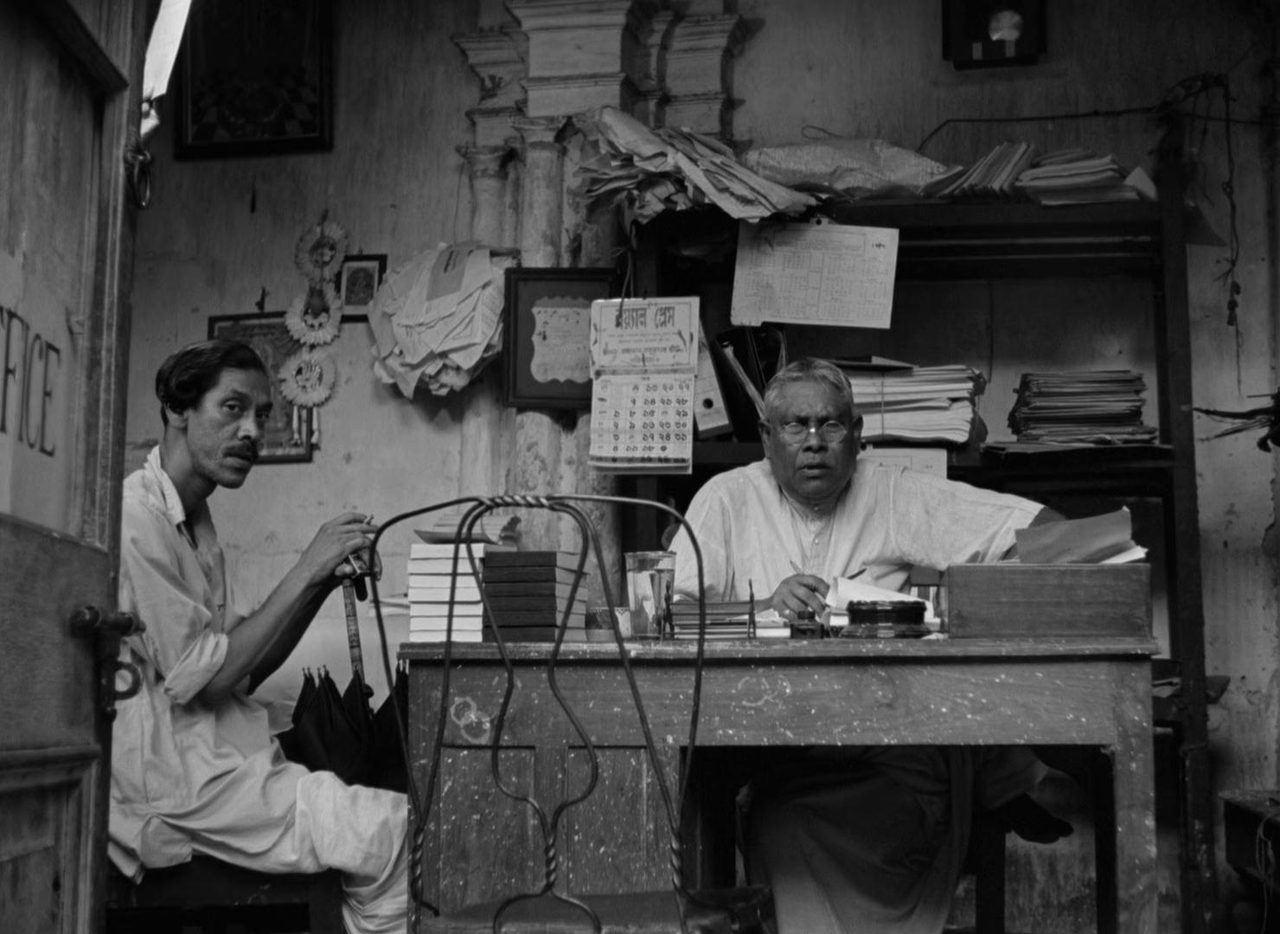
In 1920, Apu lives with his parents in the holy city of Varanasi, where his father Harihar earns a living as a priest at the ghats on the Ganges. Harihar falls ill with a fever and dies, and Sarbajaya takes work as a maid to support herself and her son. A great uncle helps the two of them go back to Bengal, where they settle in the village of Mansapota. There Apu is apprenticed as a priest, but he wants to attend the local school, and his mother agrees. Apu does well in his lessons and comes to the notice of a visiting dignitary, and the headmaster shows a special interest in him.
Cast




- Ramani Ranjan Senguptaas Bhabataran

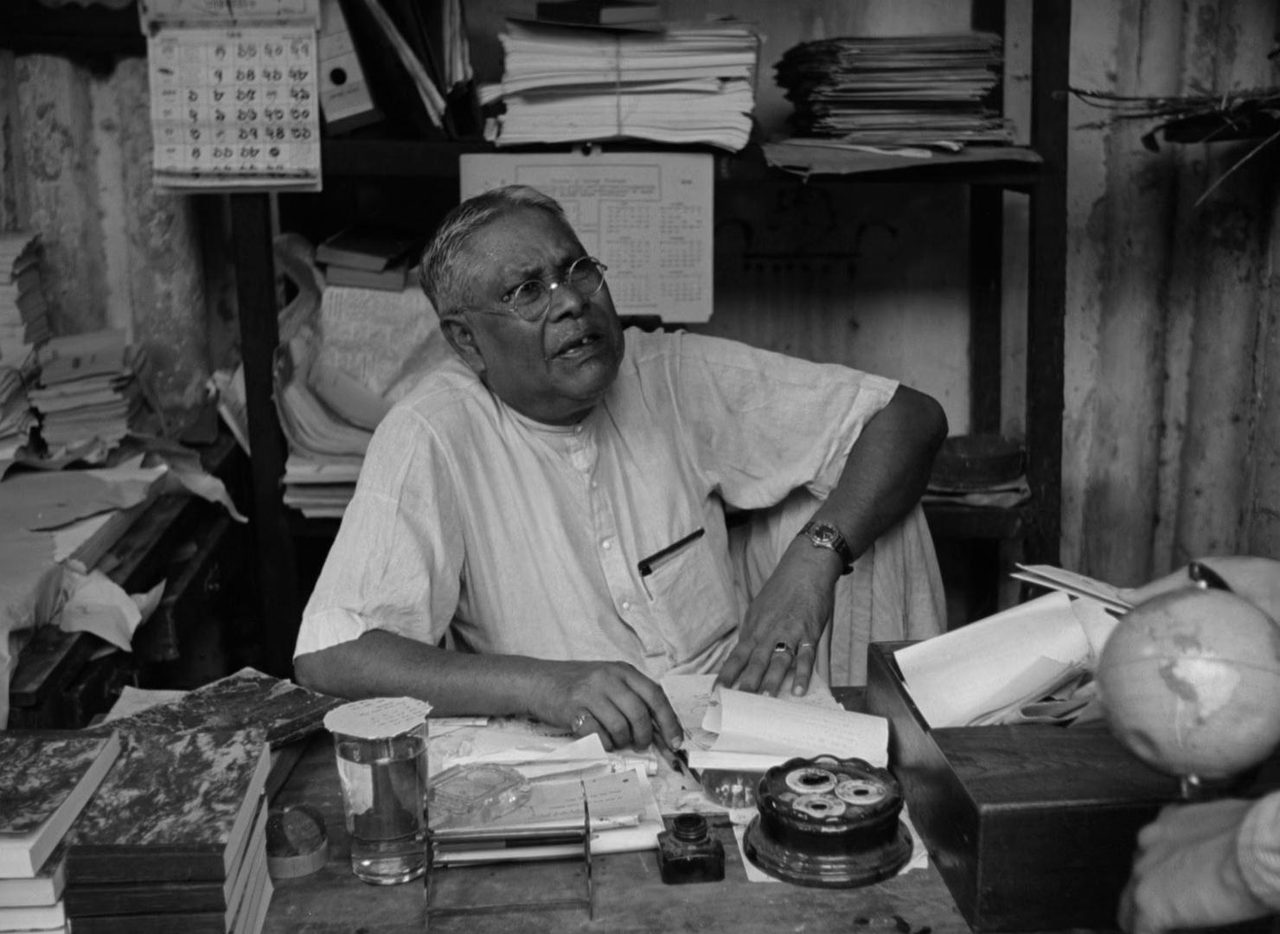
- Subodh Gangulyas Headmaster
- Santi Guptaas Ginnima
- Ranibalaas Teliginni

- Kamala Adhikarias Mokshada
- Ajay Mitraas Anil


Did you know?!Facts and trivia about Aparajito (1956)
Can contain spoilers, watch the movie first.
- Satyajit Ray cast an actress to play Leela, the girlfriend who drew Apu towards Calcutta, but her fiancé forbade her from acting, so Ray reluctantly cut the character from the script entirely.
- Cinematographer Subrata Mitra improvised bounce lighting on this film: when fear of monsoon rain forced the Benares courtyard set indoors into a Calcutta studio, he draped a white cloth over it like a patch of sky and bounced studio lights off the fake sky.
SPOILER
Satyajit Ray's decision to show Apu's relief at his mother's death, that he had "won his freedom", worried his wife Bijoya, who asked whether audiences in their country would accept it; Ray answered, "let's see what happens".- At Venice, jury member Penelope Houston broke protocol to tell Satyajit Ray the film was magnificent, while the ceremony's chairman, René Clair, handed over the top prize only reluctantly, telling her: "I hope Ray will go away and learn how to make films!"
- Akira Kurosawa's Throne of Blood lost to Aparajito at that Venice festival; decades later, Kurosawa's list of 100 admired films called the jury's choice "Absolutely right", though he misidentified the winner as Pather Panchali.
- Aparajito's 1957 Golden Lion makes it the only film sequel to date to have won the grand prize at any of the Venice, Berlin or Cannes film festivals.
- The Apu Trilogy's original negatives, including Aparajito's, were severely damaged in a 1993 fire in London and lay unseen for two decades until the Criterion Collection and the Academy Film Archive began restoring them in 2013.
- The Apu Trilogy went on to influence filmmakers including Martin Scorsese, James Ivory, Abbas Kiarostami, Elia Kazan and Wes Anderson.