The Lunchbox (2013) on Netflix
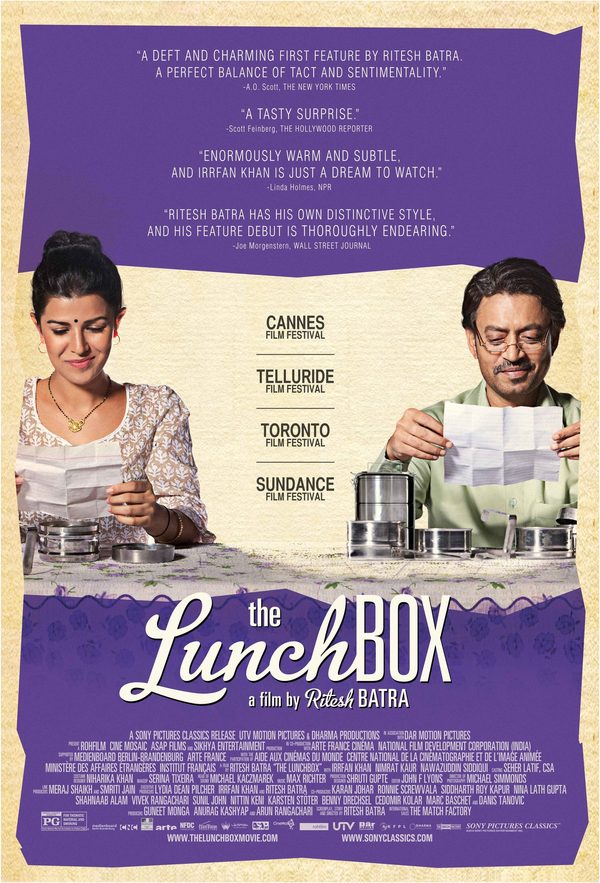
In Mumbai, housewife Ila cooks lunches to win back her husband's attention. A dabbawala mix-up sends her tiffin to Saajan Fernandes, a widower near retirement. A note starts their exchange.
- Netflix3.8/5
- IMDb7.8/1069,957 votes
- Rotten Tomatoes97%
Trailer

Plot summary
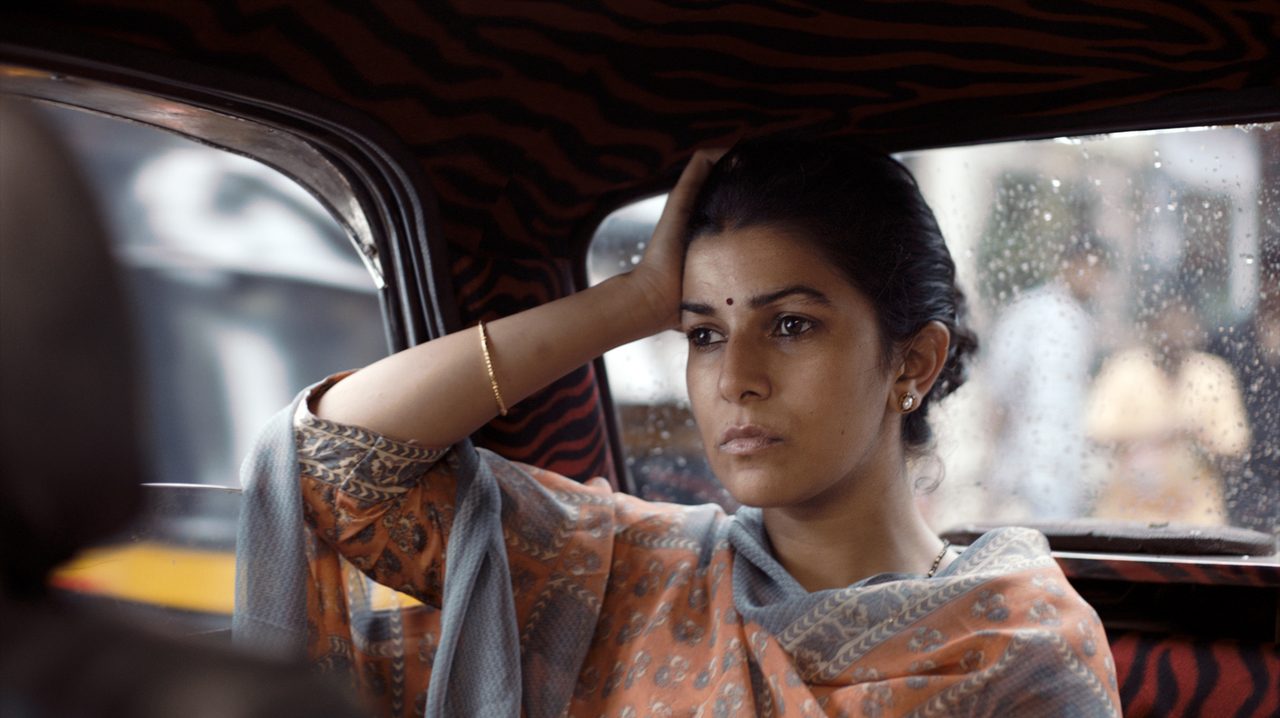
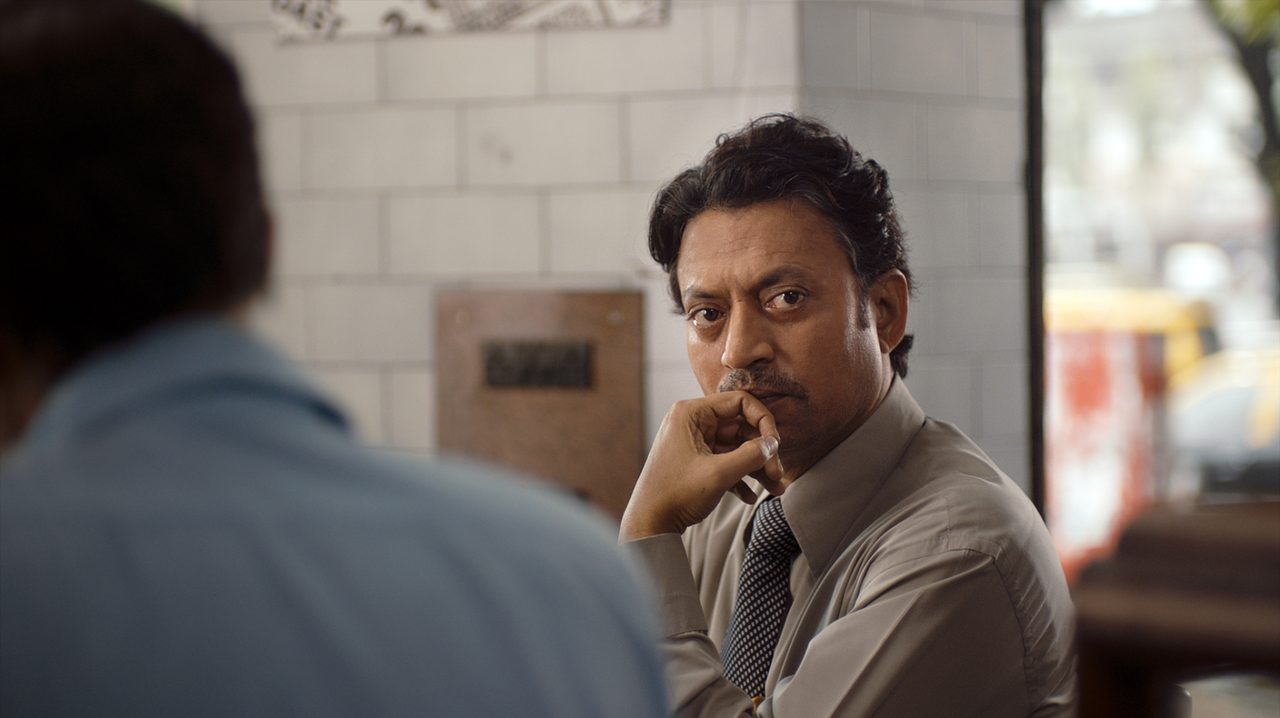
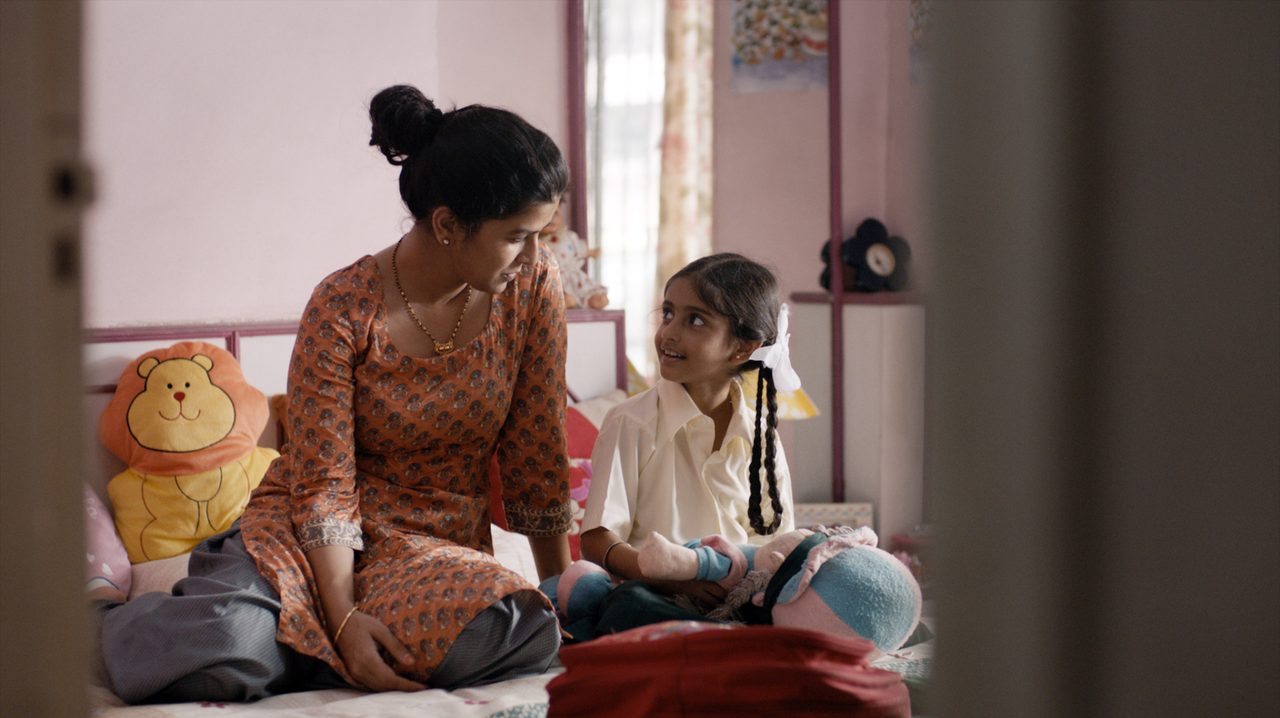
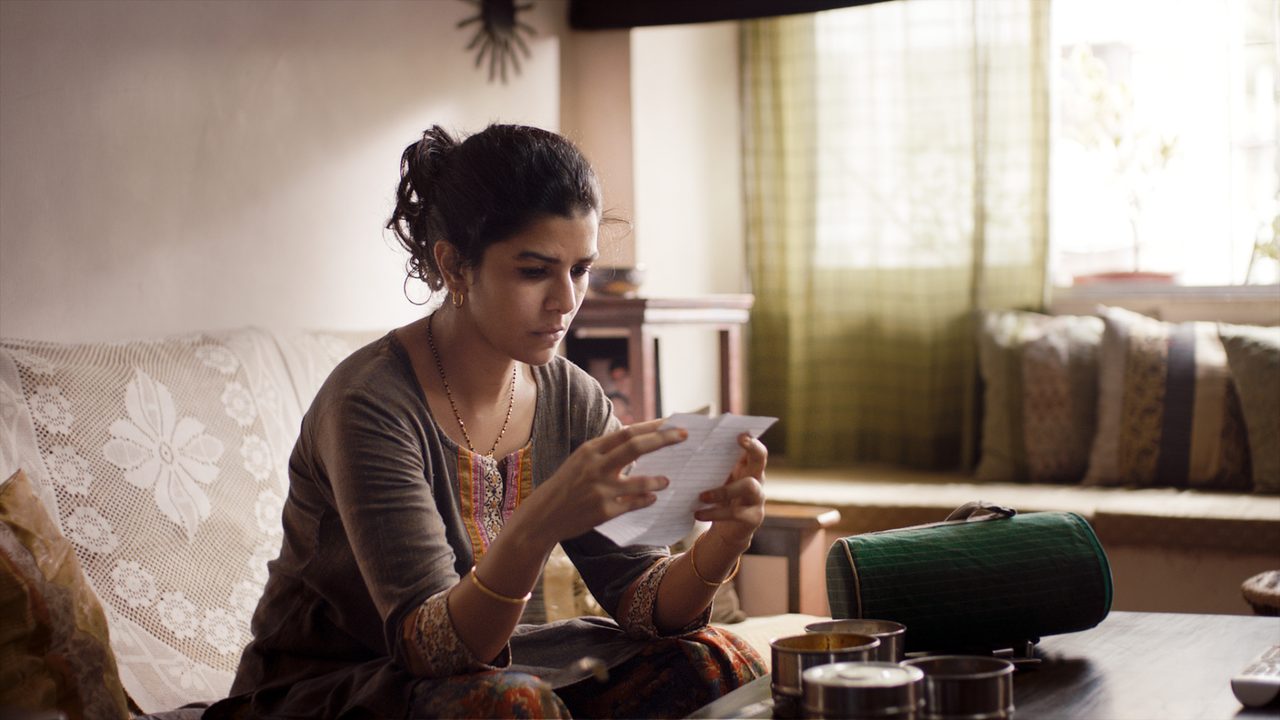
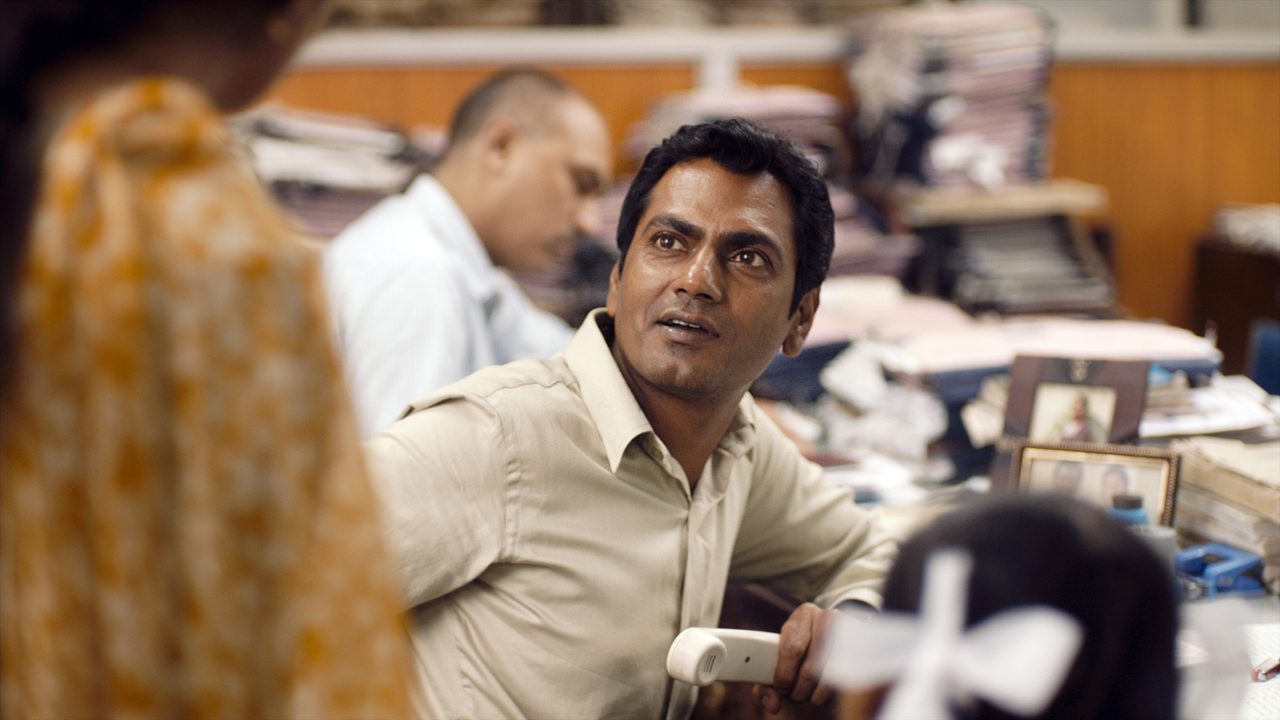
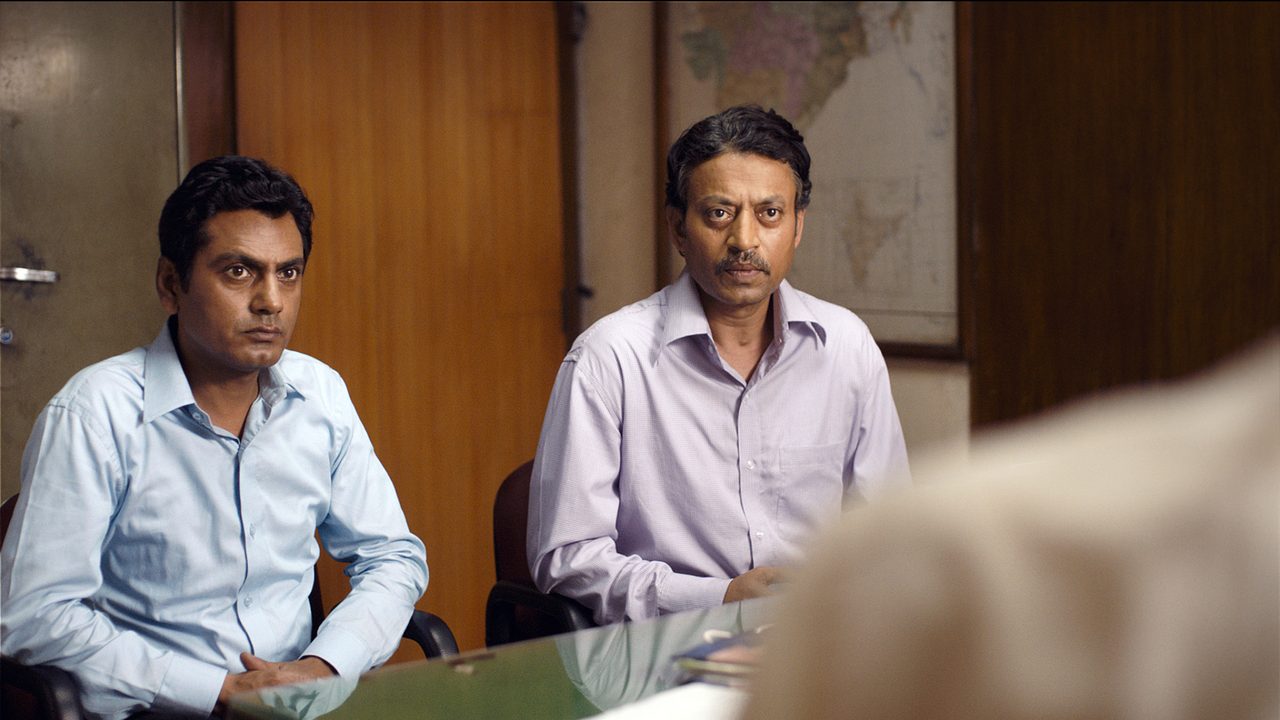
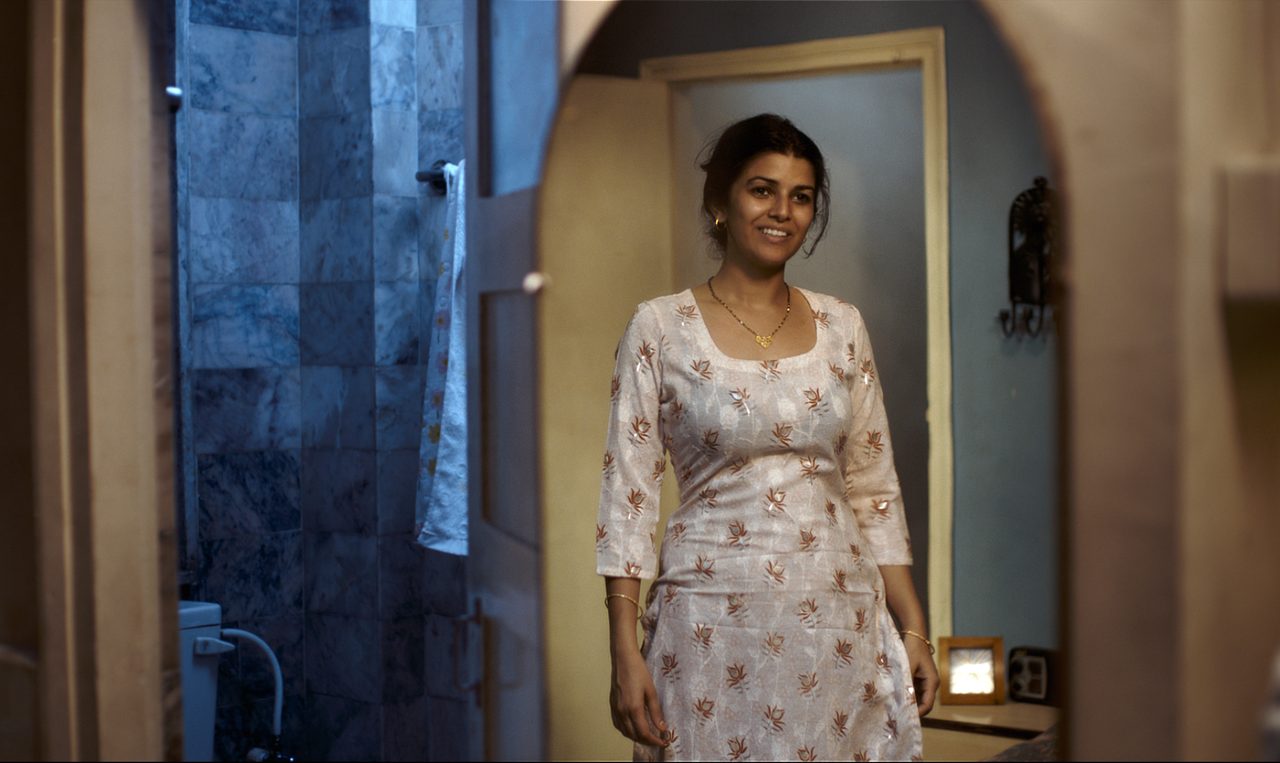
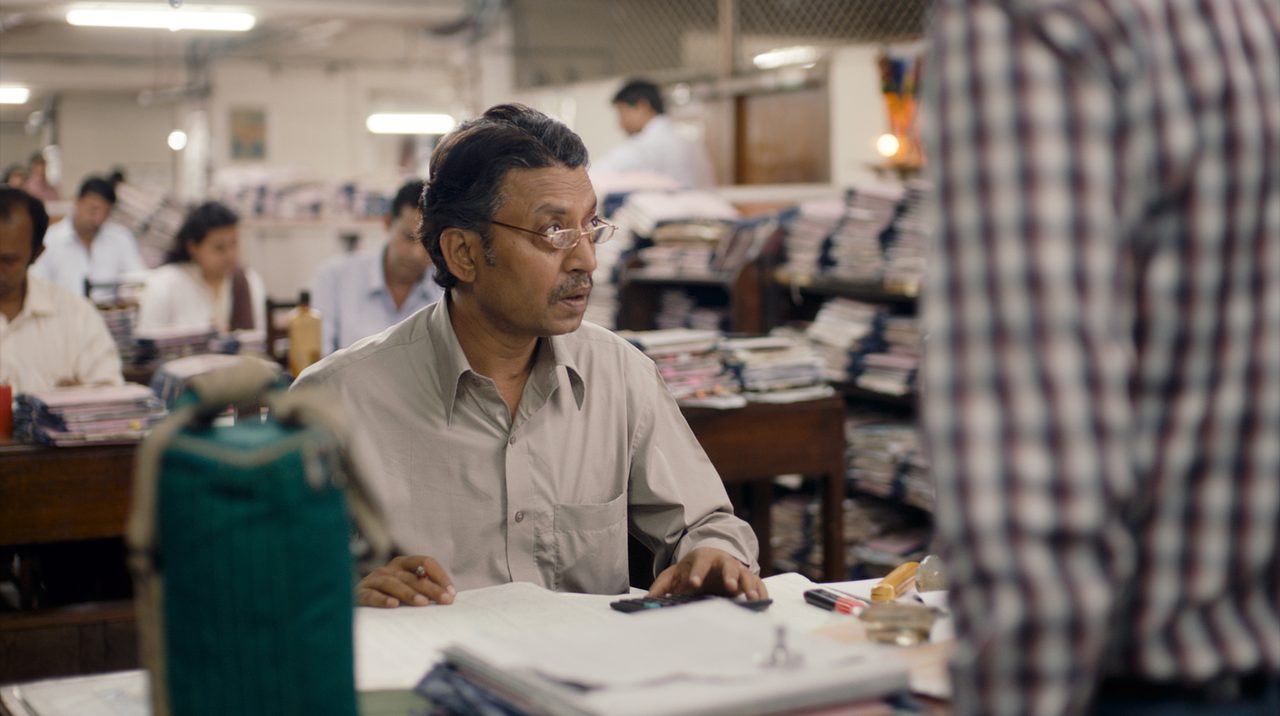
Ila wants the attention of her husband Rajeev, and she cooks him elaborate lunches in the hope of bringing romance back into their marriage. Mumbai's dabbawalas, who carry home-cooked tiffins to offices across the city, mix up one delivery, and Ila's lunchbox reaches Saajan Fernandes, a middle-aged widower who works as an accountant and is close to retirement. Ila learns of the mistake and, on the advice of her neighbor aunt, Mrs. Deshpande, puts a letter explaining it in the next lunchbox. Notes travel back and forth with the food, and the two strangers tell each other about their lives. At his office, Saajan is asked to train Shaikh, his replacement, who grew up an orphan and taught himself accounting.
Cast






- Nakul Vaidas Rajeev
- Yashvi Punneet Nagaras Yashvi


- Lokesh Rajas Duke's Owner
- Sadashiv Kondaji Pokarkaras Dabbawallah at Ila's House


Did you know?!Facts and trivia about The Lunchbox (2013)
Can contain spoilers, watch the movie first.
- The Lunchbox was widely expected to be India's Oscar entry, but the Film Federation of India chose the Gujarati film The Good Road instead on 17 September 2013. Producer Anurag Kashyap, disgusted by the decision, deleted his Twitter and Facebook accounts, calling it 'a moment of defeat for me, and for independent cinema'.
- Ritesh Batra started out researching a documentary on Mumbai's dabbawala lunch-delivery system, but after spending a week with the workers in 2007 and hearing the personal stories they overheard while waiting outside apartments, he wrote a film script instead.
- Mumbai's real dabbawalas were handed actual lunchboxes to deliver and followed by a four-member film crew, which shot the process in documentary style for the film.
- According to Ritesh Batra, the train scenes were shot using only one compartment, and actual local commuters were included in them when needed.
- Some of the dabbawalas that director Ritesh Batra befriended while researching the film were also cast in minor roles in it.