Trailer

Plot summary
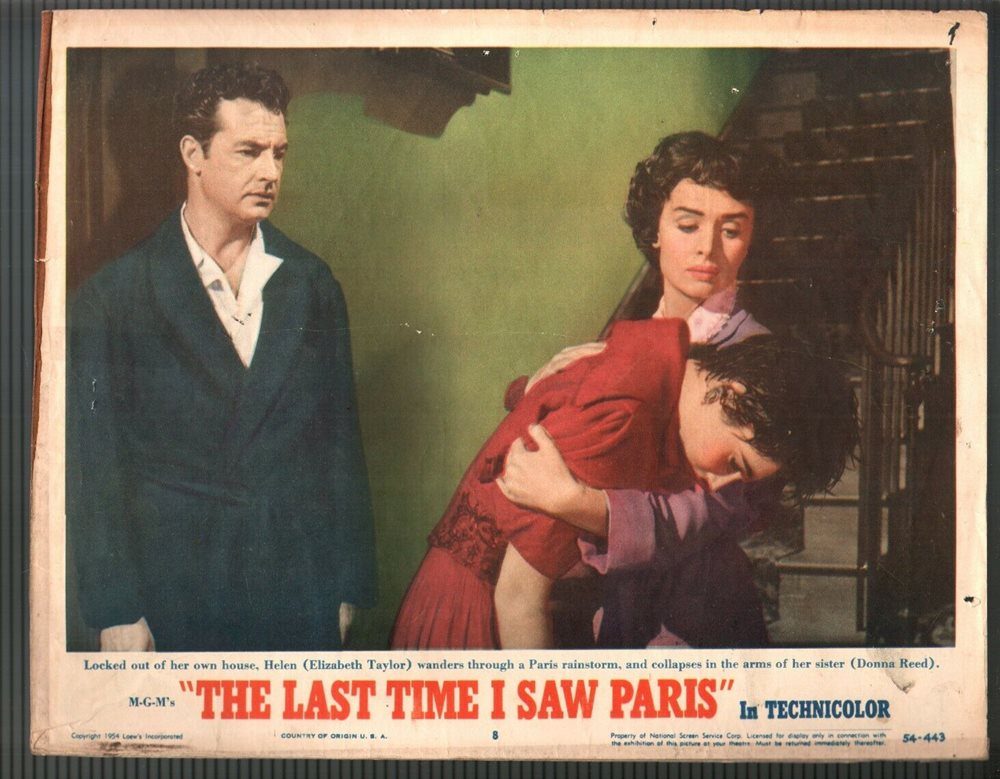
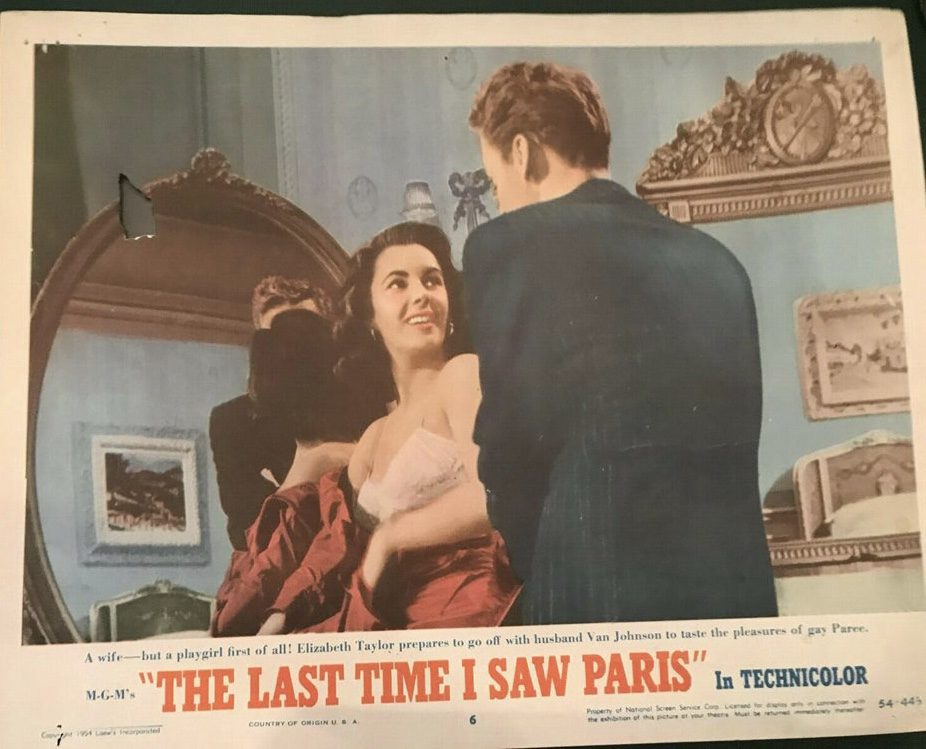
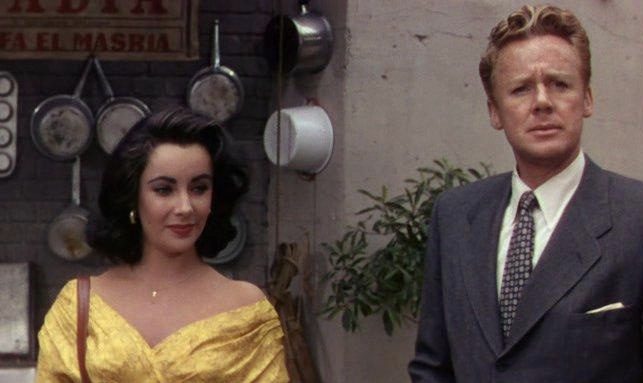
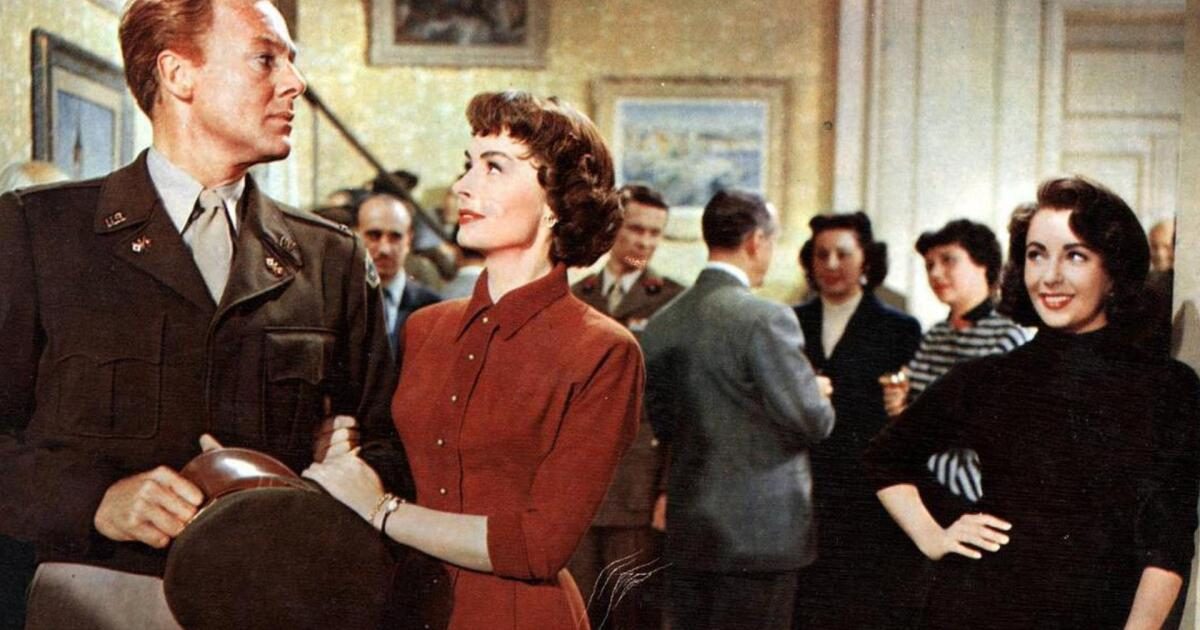
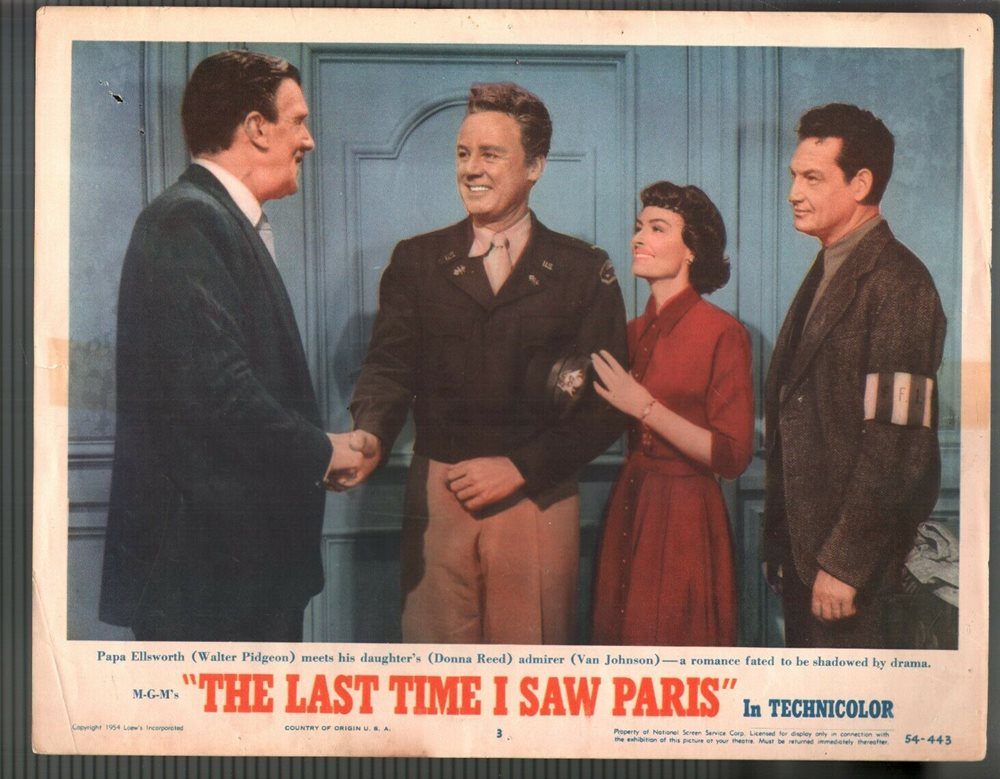
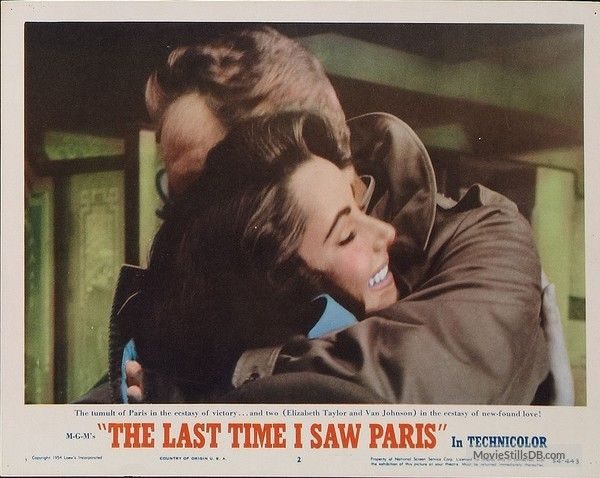
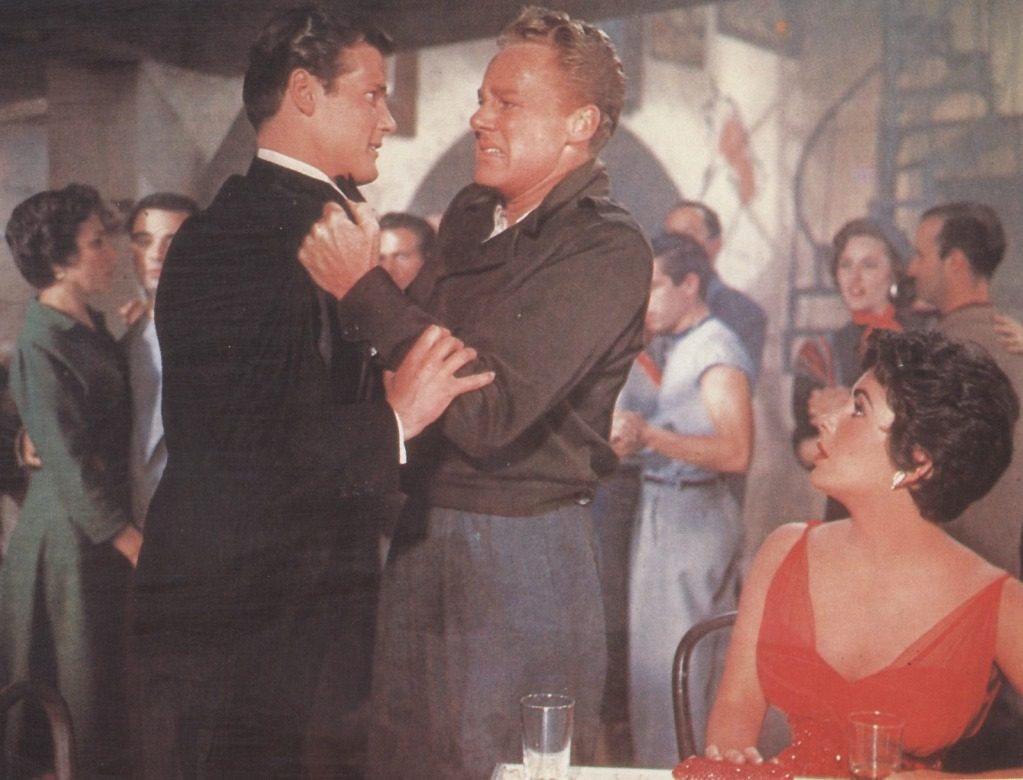
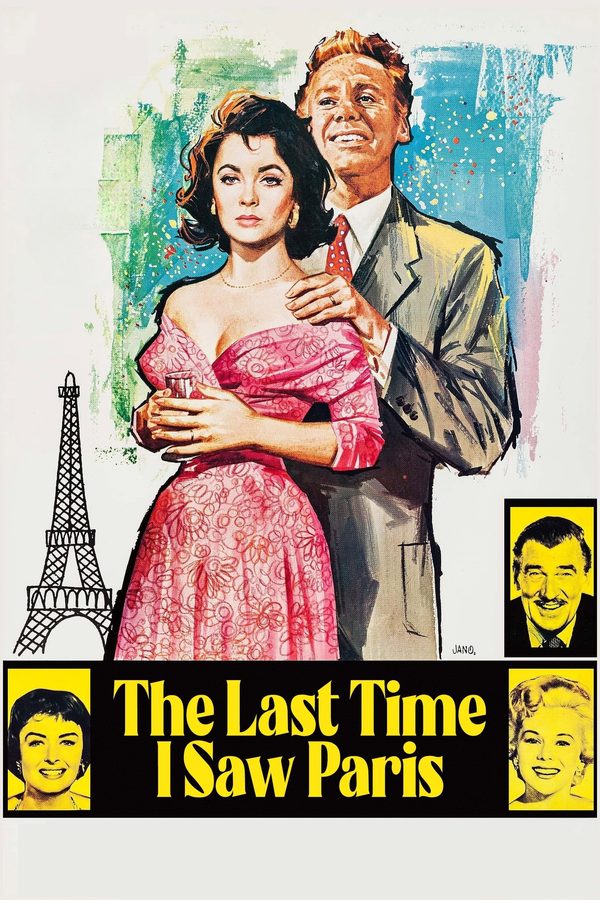
Charles Wills, a reporter for Stars and Stripes, is in Paris to report on the war's end in Europe. He meets the Ellswirth sisters: Marion, who invites him to her father's party, and Helen, the woman who kissed him in the street and ran off. Their father, James, came through the First World War and raised his daughters to want a life of luxury even though the family has no money. Helen lives on her looks, while Marion prefers serious men, such as her French suitor Claude Matine. Charles and Helen fall in love; once she is over a bout of pneumonia, they marry and make their home in Paris, where he works on novels and supports them both on a reporter's salary.
Cast





Did you know?!Facts and trivia about The Last Time I Saw Paris (1954)
Can contain spoilers, watch the movie first.
- A typo in the film's copyright notice showed the Roman numerals MCMXLIV (1944) instead of MCMLIV (1954), so the copyright term began ten years early. MGM failed to renew it and The Last Time I Saw Paris entered the public domain in the United States in 1972.
- Producer Lester Cowan and F. Scott Fitzgerald wanted Shirley Temple to play Charles's daughter; Fitzgerald, a former alcoholic, drank numerous Coca-Colas when he met Temple and her mother in July 1940, five months before his death. The project stalled when Temple's mother and Cowan failed to agree on terms.
- The title song, by composer Jerome Kern and lyricist Oscar Hammerstein II, had already won the Academy Award for Best Original Song for 1941's Lady Be Good. It is featured more prominently in The Last Time I Saw Paris, whose title it inspired.
- Producer Lester Cowan hired F. Scott Fitzgerald to adapt his own short story for the screen at $500 a week, paying the financially struggling author $5,000 in total, below his usual studio rate. Cowan promised him a bonus if the film reached production.