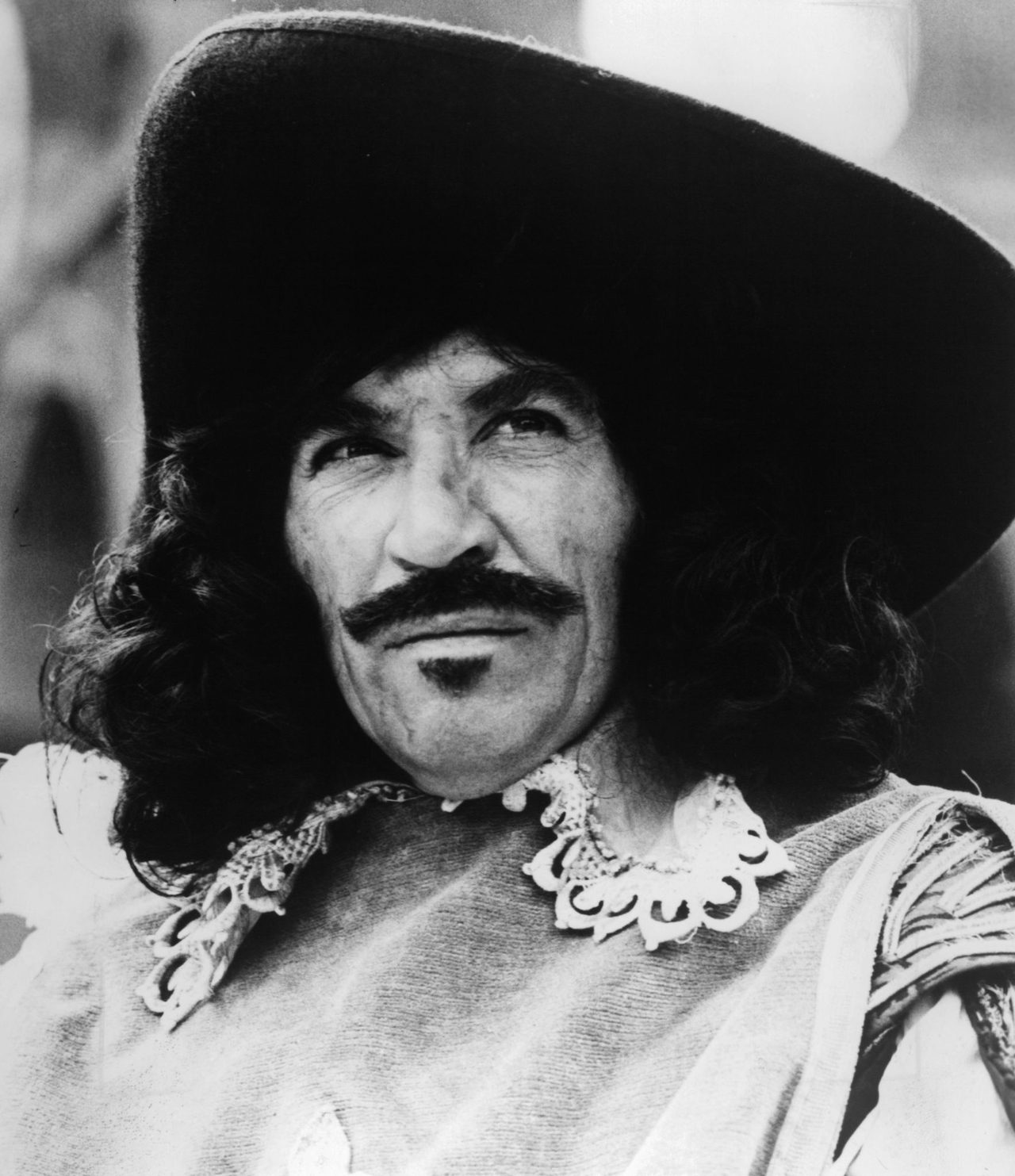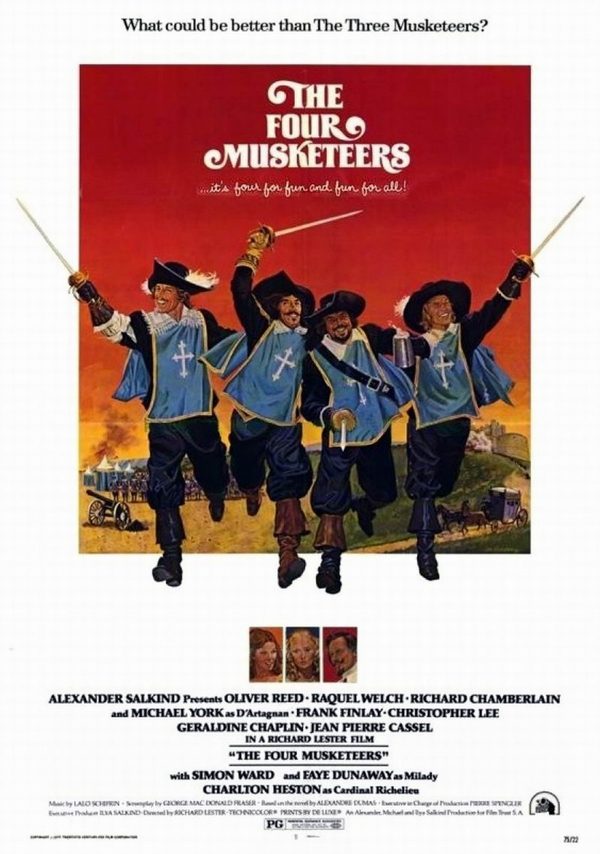
The Four Musketeers (1974) on Netflix
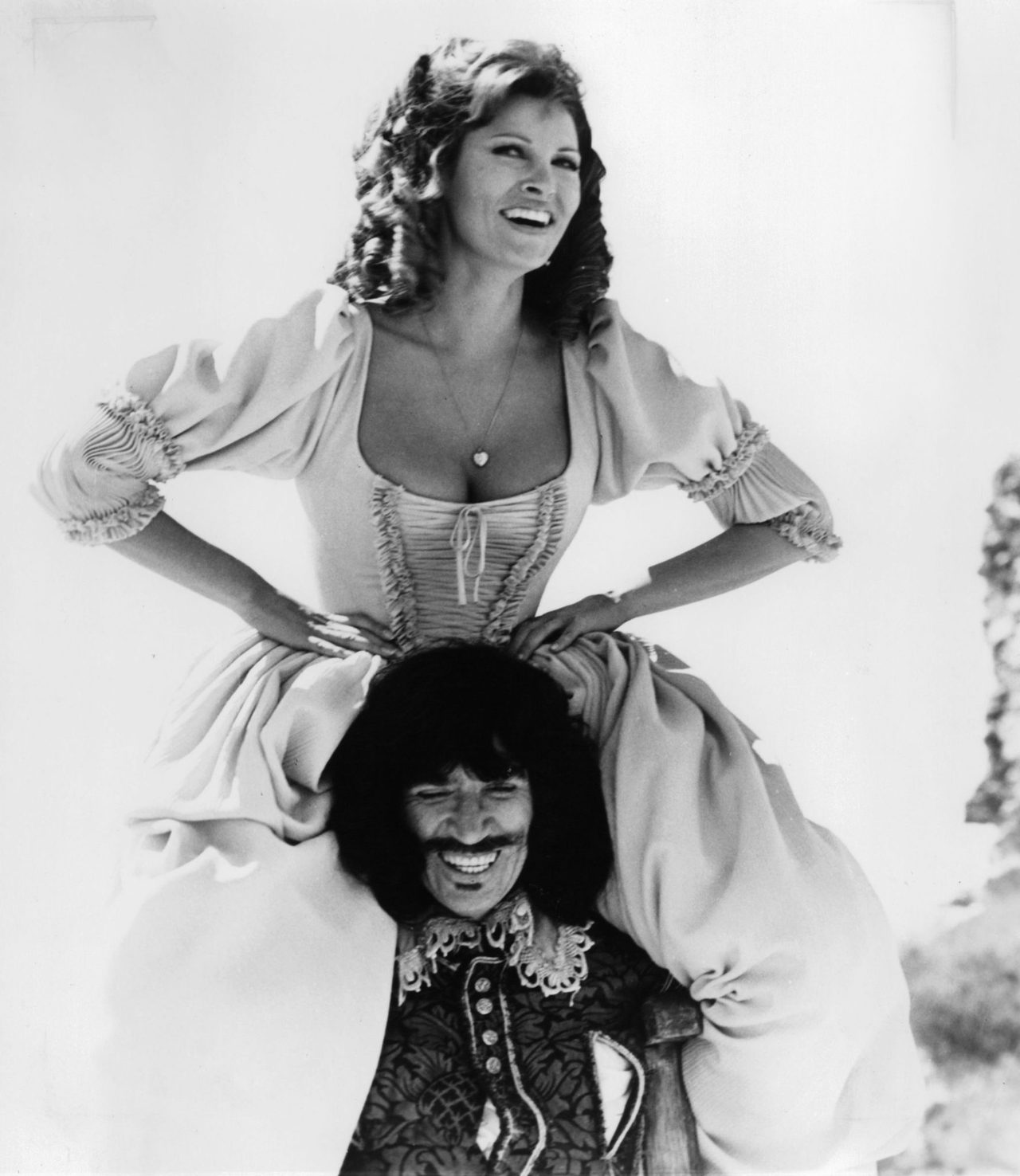
Cardinal Richelieu moves against Queen Anne by having Rochefort seize her dressmaker Constance Bonacieux as a hostage. Milady de Winter seduces musketeer d'Artagnan to keep him occupied.
- Netflix3.7/5
- IMDb6.9/1012,894 votes
- Rotten Tomatoes77%
Trailer

Plot summary
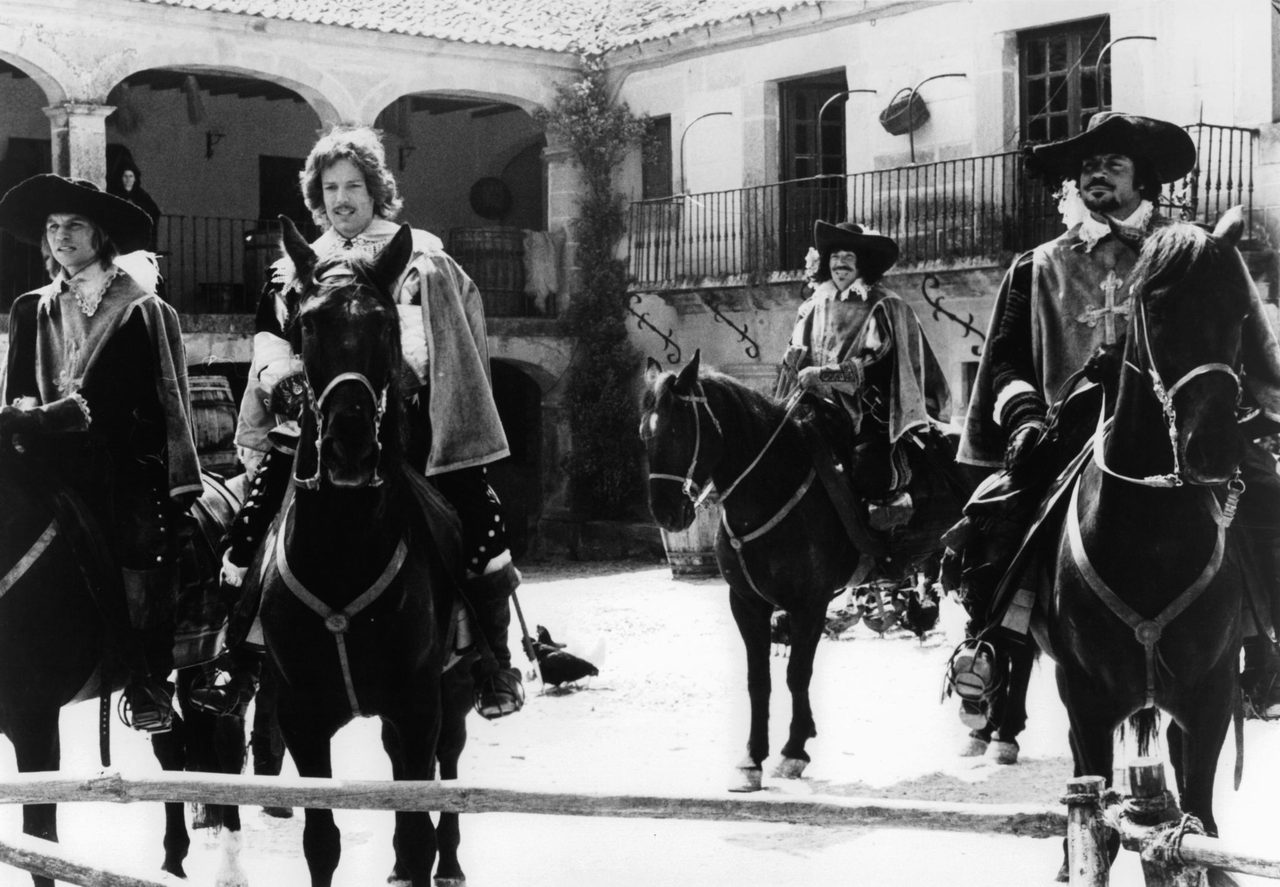
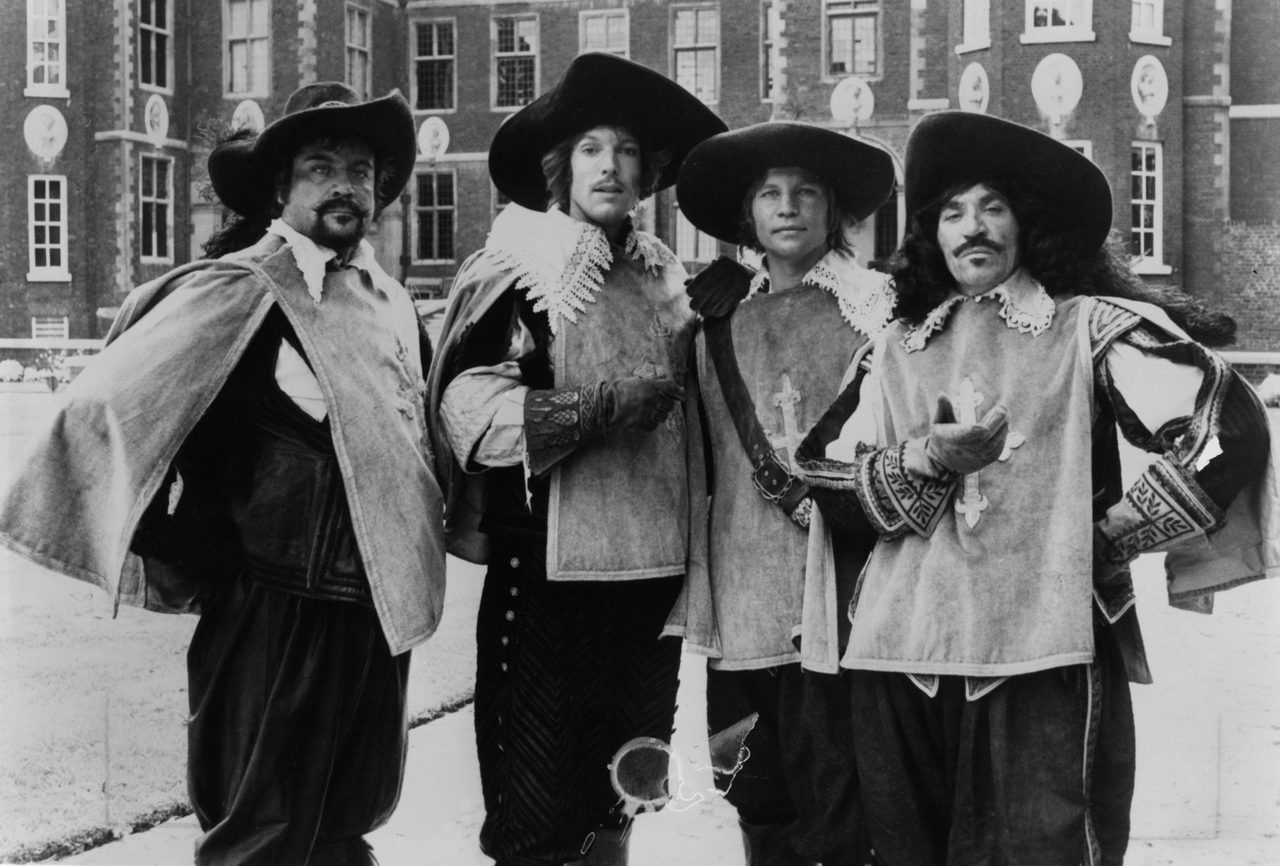
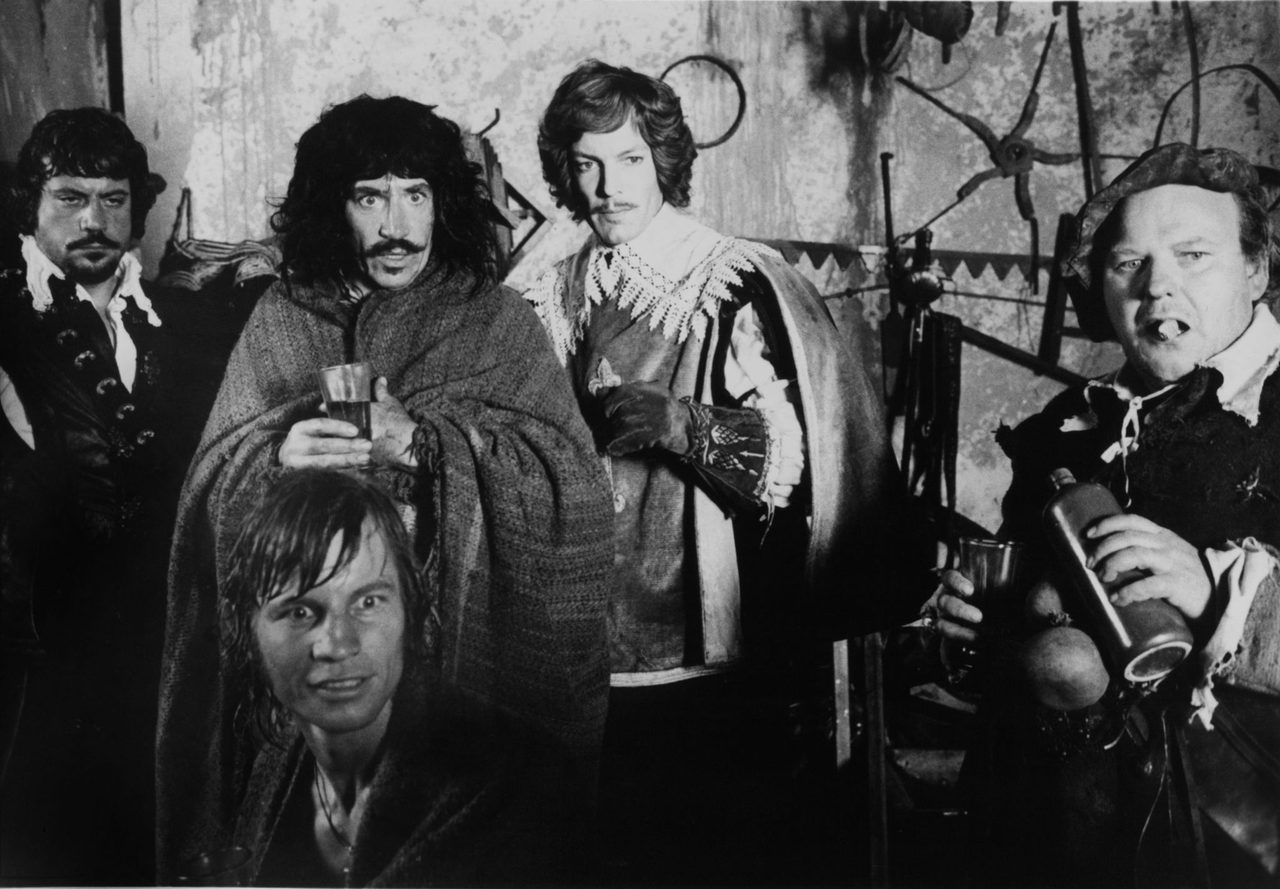
France is at war with the Protestant rebels of La Rochelle, and Cardinal Richelieu moves against Queen Anne at court. He orders the Count de Rochefort to kidnap Constance Bonacieux, the Queen's dressmaker and confidante, a valued hostage in the Cardinal's dealings over Anne's affair with the Duke of Buckingham, who sympathizes with the rebels. Milady de Winter, who wants revenge on d'Artagnan, draws the young musketeer into a seduction to keep him from interfering. Constance is d'Artagnan's lover, and his fellow musketeers Athos, Porthos and Aramis are drawn into the same quarrel. D'Artagnan has lately won his place among the musketeers.
Cast














Did you know?!Facts and trivia about The Four Musketeers (1974)
Can contain spoilers, watch the movie first.
- Lawsuits over the actors' pay for The Four Musketeers led to the "Salkind clause": every SAG actors' contract now states how many films a performer is signing up for.
- The producers had planned The Three Musketeers as a single roadshow epic with an intermission, but the material was too long to finish in time for the announced release date, so they split it into two films released six months apart.
- The actors were angry that their work was used to make The Four Musketeers as a separate film while they were paid for only one, and lawsuits were filed to gain the salaries and benefits of a second film the original contracts never mentioned.