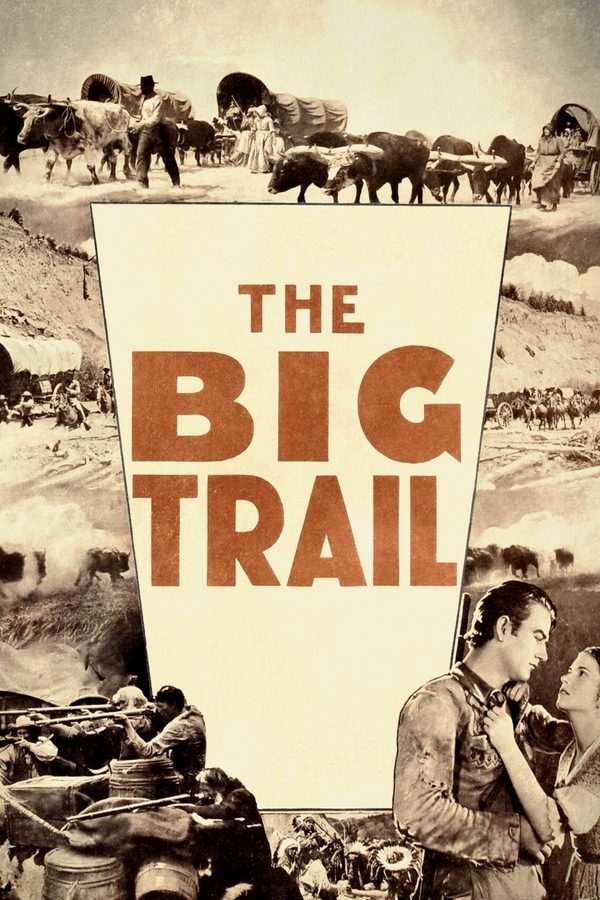
Trailer

Plot summary
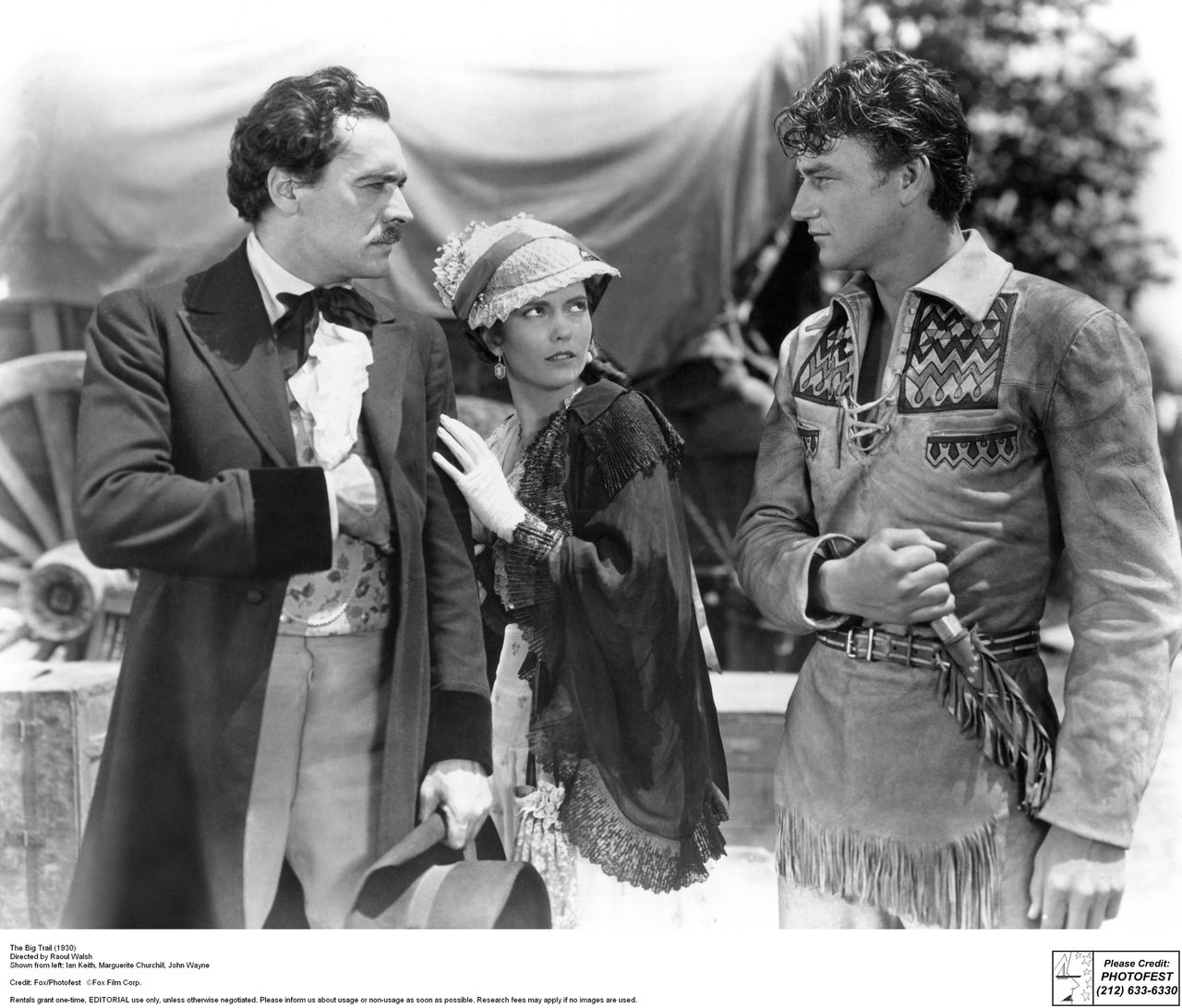
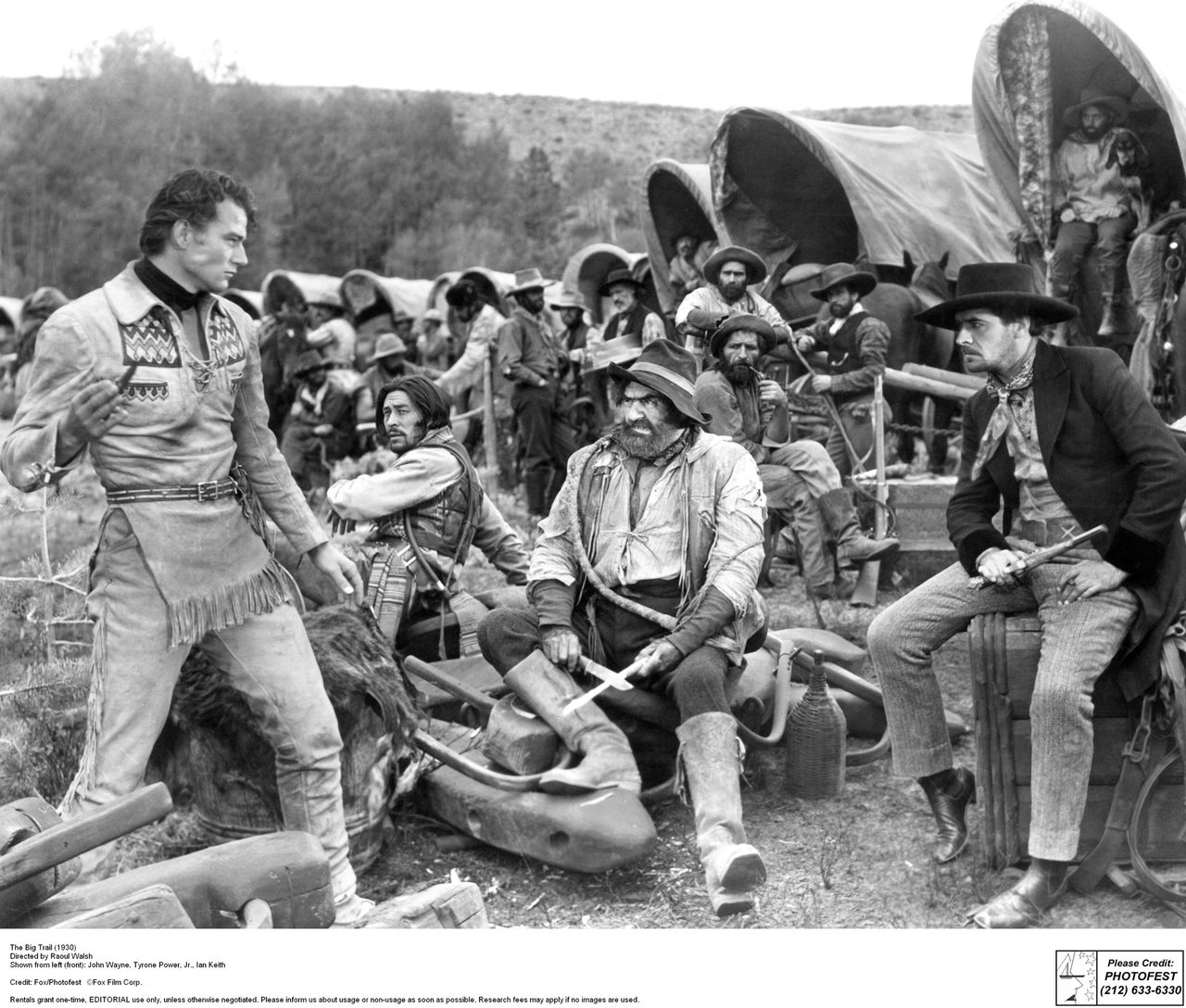
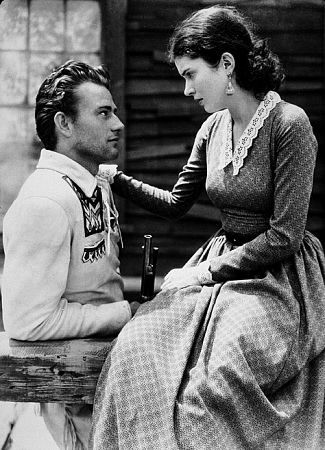
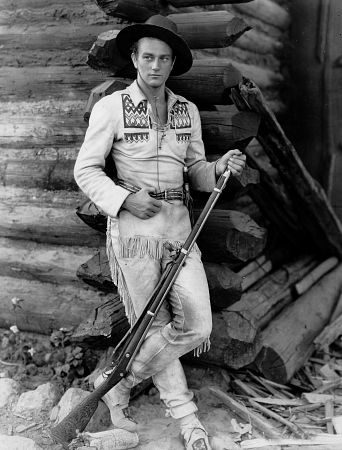
At Wellmore's trading post, a young trapper named Breck Coleman spots Red Flack, whom he suspects of killing an old trapper friend for his furs, and Flack, for his part, suspects that Coleman knows more than he should about the killing. The settlers camped there want Coleman to guide their wagons west, and he refuses, until he hears that Wellmore has hired Flack and Lopez to boss a bull train of ox-drawn Conestoga wagons over a route no wagon has yet followed, toward a post in the northern Oregon Territory. Coleman signs on as scout to stay close to the pair. Ruth Cameron travels with the caravan; Coleman once kissed her by mistake, taking her for someone else.
Cast

- Phyllis Bainbridgeas Pioneer (uncredited)


Show all 20 cast


Did you know?!Facts and trivia about The Big Trail (1930)
Can contain spoilers, watch the movie first.
- The Big Trail's box-office failure, caused by the Depression leaving theaters unwilling to invest in widescreen, sent John Wayne into low-budget Poverty Row Westerns and serials for years; only his role in Stagecoach (1939) made him a mainstream performer again.
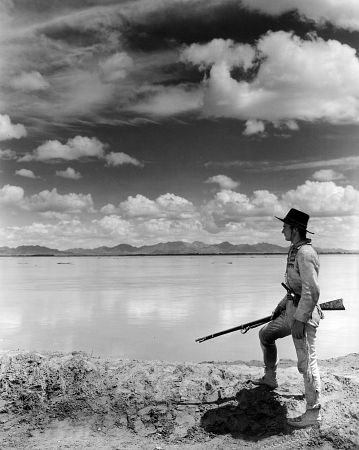
- The Big Trail was shot in 70 mm Grandeur, an early widescreen process first used in Fox Movietone Follies of 1929; it was the last of a handful of Fox films shot that way, and Grandeur proved financially nonviable for an industry still switching to talking pictures.
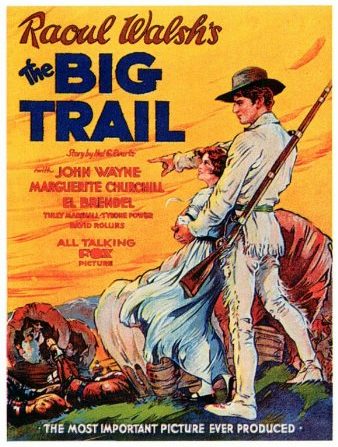
- For The Big Trail, director Raoul Walsh employed 93 actors and as many as 725 Native Americans from five different tribes, along with 185 wagons, 1,800 cows, 1,400 horses, 500 buffalo and 700 chickens, pigs and dogs.
- When the Museum of Modern Art tried to preserve the original 70mm nitrate camera negative in the early 1980s, decomposition had left it too shrunken and fragile to copy and no film lab would touch it, so restoration specialist Karl Malkames designed and built a special printer for the job.
- The 70mm and 35mm versions of The Big Trail were shot by different cameras and edited separately; because the 70mm cameras could not focus well up close, their footage was mainly panoramas with very few close-ups.
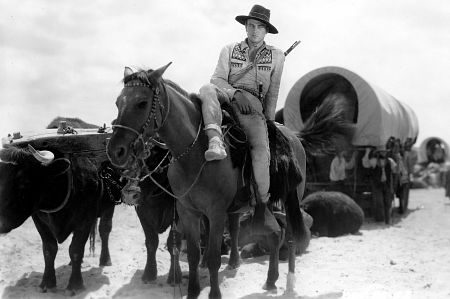
- For authenticity the wagons in The Big Trail were drawn by oxen instead of horses, and they were lowered by ropes down canyons when certain shots in narrow valleys required it.
- In 2006 the United States Library of Congress deemed The Big Trail culturally, historically or aesthetically significant and selected it for preservation in the National Film Registry, citing the "majestic sweep" of the experimental 70mm Grandeur wide-screen process.
- The Big Trail was the final completed film to feature Tyrone Power Sr., who died in 1931, and his only sound role.