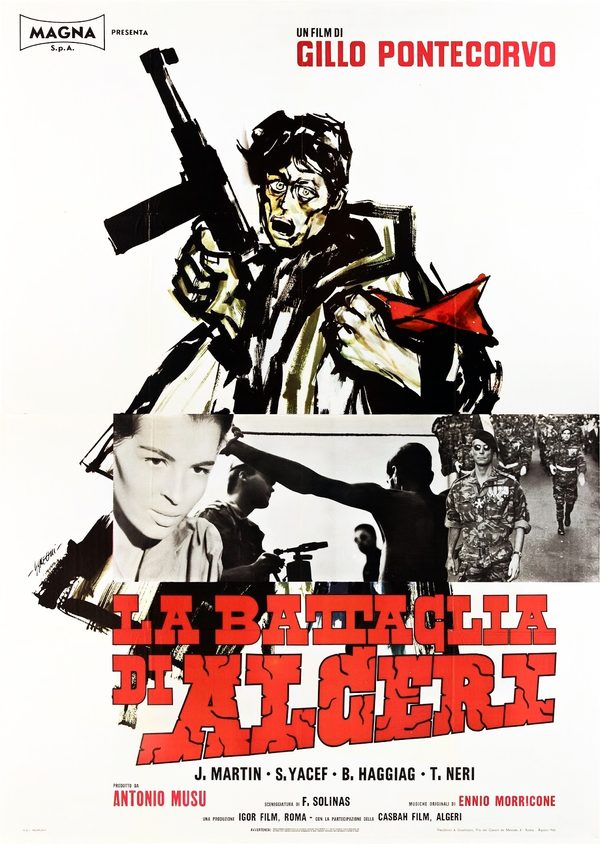
The Battle of Algiers (1966) on Netflix
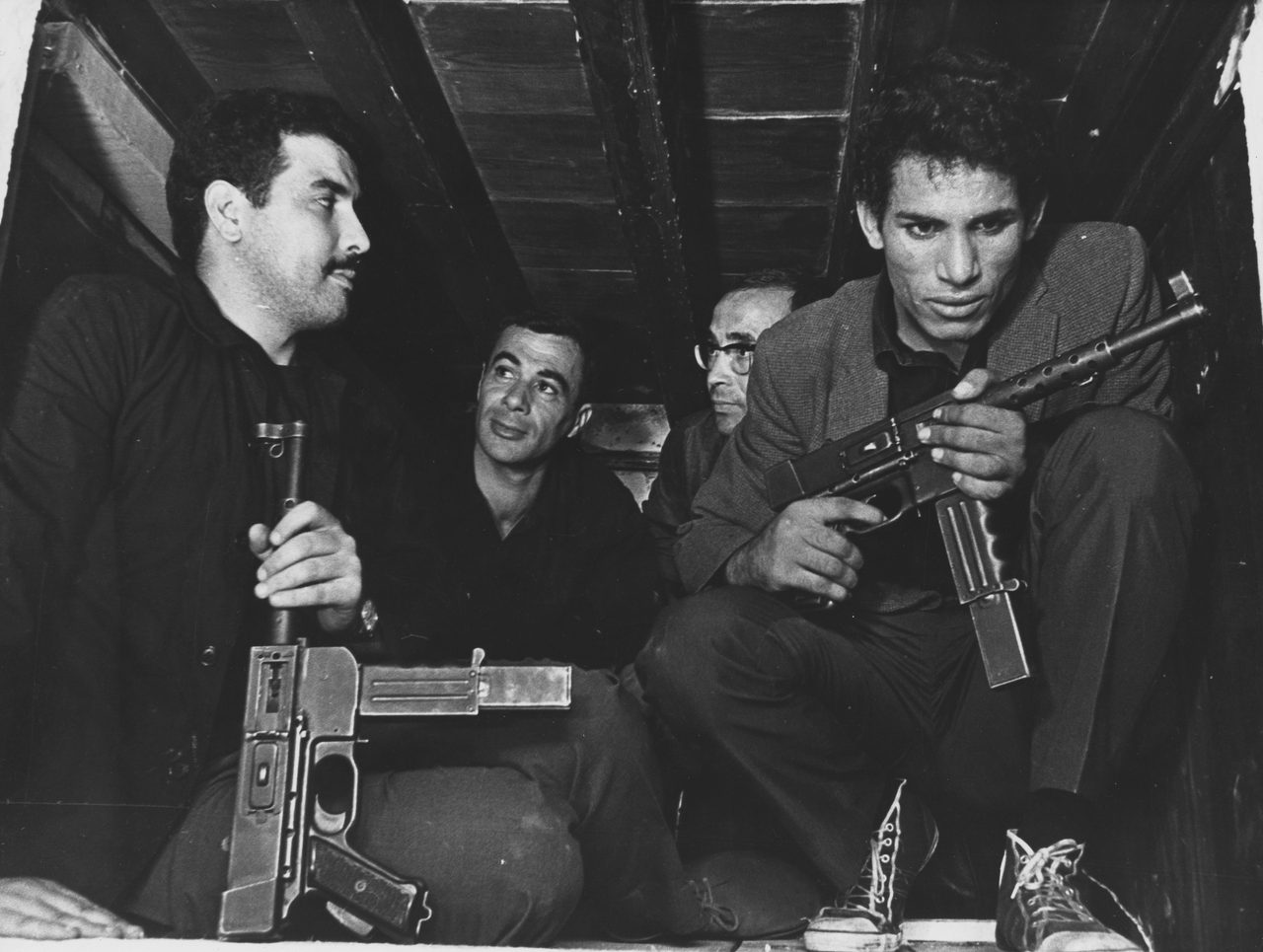
In 1954 in Algiers, the National Liberation Front begins shooting police in the Casbah. Recruited in prison, the petty criminal Ali la Pointe joins the fight against French colonial rule.
- Netflix4.5/5
- IMDb8.1/1077,008 votes
- Rotten Tomatoes99%
Trailer

Plot summary
In the 1950s, fear and violence escalate as the people of Algiers fight for independence from the French government.
—Chthon2
A film commissioned by the Algerian government that shows the Algerian revolution from both sides. The French foreign legion has left Vietnam in defeat and has something to prove. The Algerians are seeking independence. The two clash. The torture used by the French is contrasted with the Algerian's use of bombs in soda shops. A look at war as a nasty thing that harms and sullies everyone who participates in it.
—John Vogel
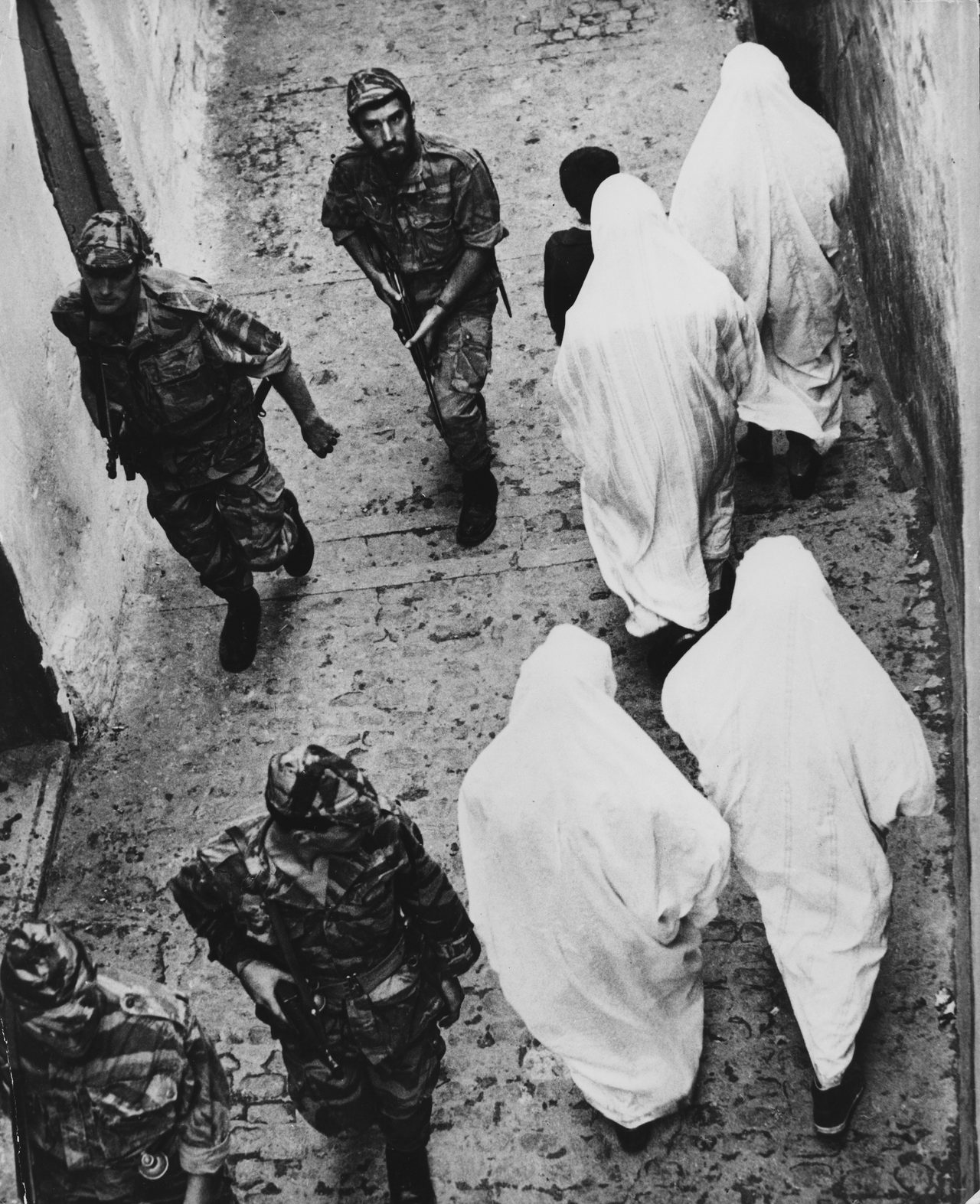
In 1954, the National Liberation Front of Algiers shots many French policemen beginning a movement for the independence of their country; in return, the Chief of Police plants a bomb in the Arab quarter, killing many dwellers. The NLF sends three women with bombs to two bars and the Air France office in the European quarter, killing many people. The French government sends the military forces under the command of the abusive Colonel Mathieu that does not respect the human rights and uses torture to destroy the NLF command. In 1962, the Algerians finally achieve their aimed independence.
—Claudio Carvalho, Rio de Janeiro, Brazil
1954. France, after the independence of the nations comprising Indochina, turns its attention to incidents in French Algeria, which they have ruled for approximately one hundred thirty years.
Cast
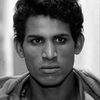
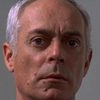
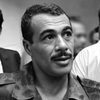
- Samia Kerbashas Fathia
- Ugo Palettias Captain
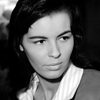
- Franco Moruzzias Mahmoud (uncredited)
- Tomasso Nerias Captain Dubois (uncredited)
- Gene Wessonas (uncredited)


Did you know?!Facts and trivia about The Battle of Algiers (1966)
Can contain spoilers, watch the movie first.
- France formally banned The Battle of Algiers for a year, and because no private distributor would take it, the film did not reach French cinemas for several more years; in 1970 it finally received a distribution certificate, but release was delayed again until 1971 by terrorist threats and opposition from veterans' groups.
- Cadets at Argentina's Navy Mechanics School, ESMA, were shown The Battle of Algiers in a counter-insurgency course, with Antonio Caggiano, archbishop of Buenos Aires from 1959 to 1975, introducing it approvingly and adding a religious commentary; ESMA later became a centre for the Argentine Dirty War and torture of insurgents and innocent civilians.
- From the late 1960s the film gained a reputation for inspiring political violence, with its urban guerrilla and terrorism tactics supposedly copied by the Black Panthers, the Provisional Irish Republican Army, the Palestinian Liberation Organization and the Jammu Kashmir Liberation Front; West German militant Andreas Baader was apparently a fan.
- French critics' backlash against the film was near-unanimous at its first festival screenings, and at the Venice Film Festival the French journalists' delegation refused to attend the screening and abandoned the festival altogether when it won the Golden Lion.
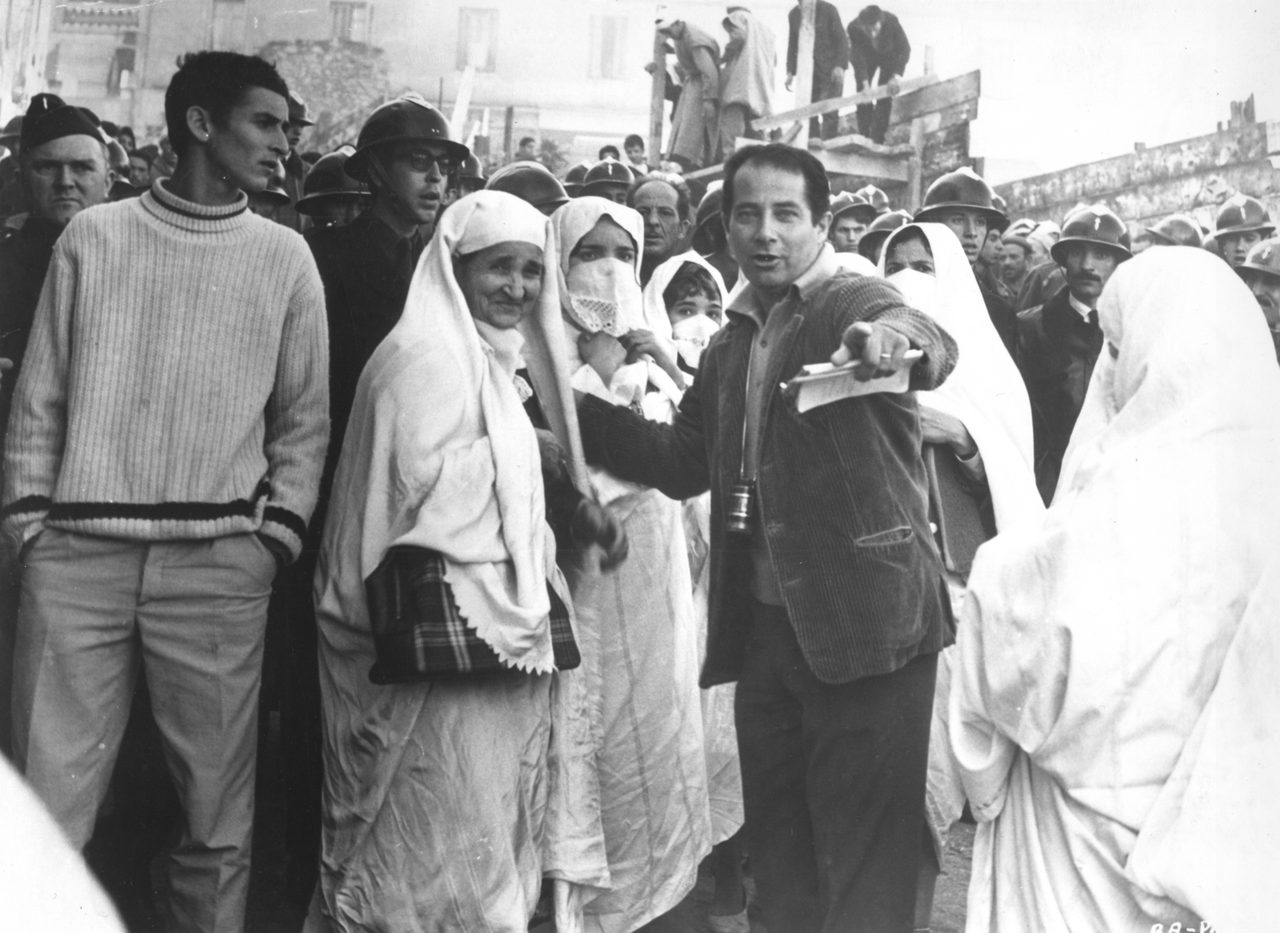
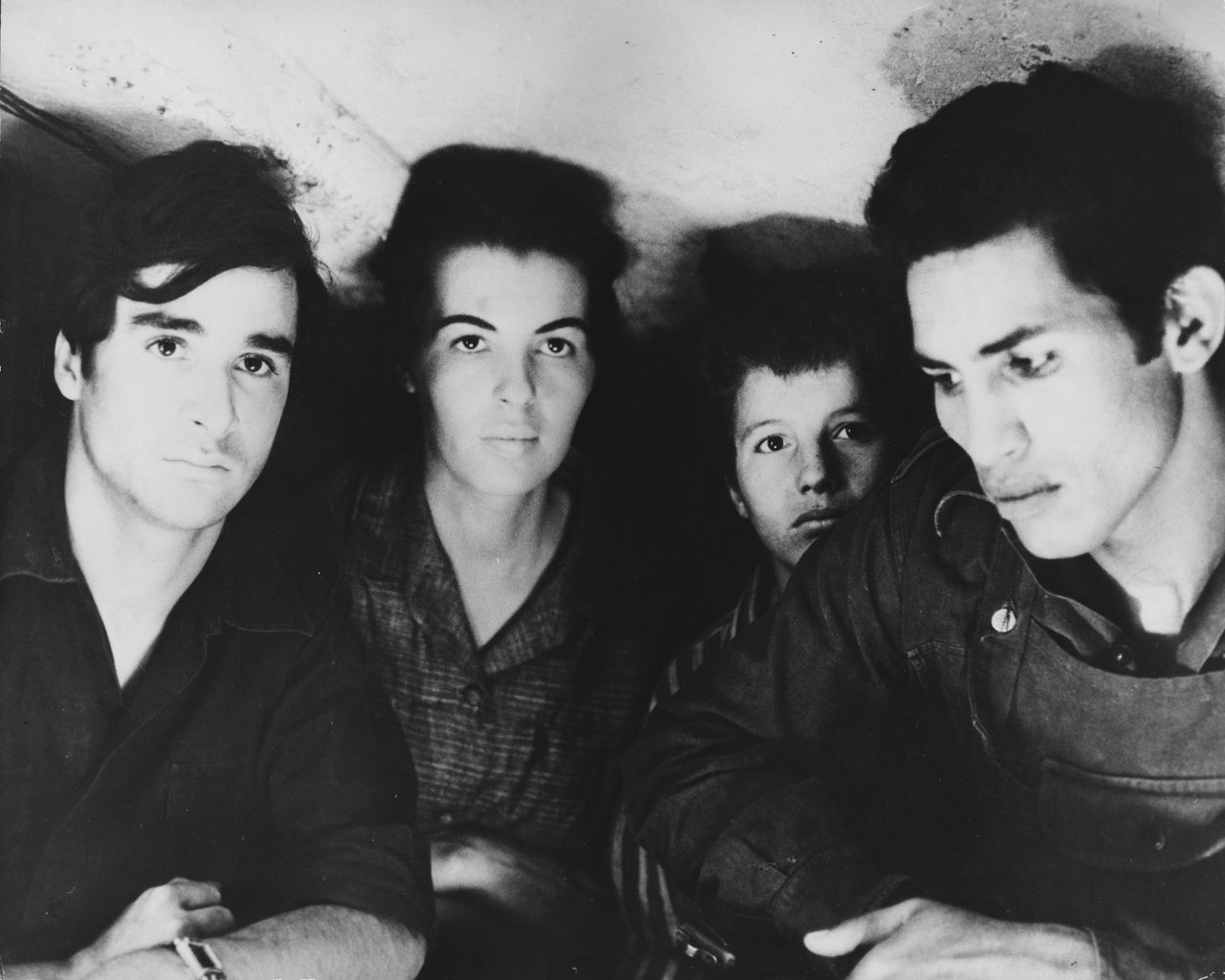
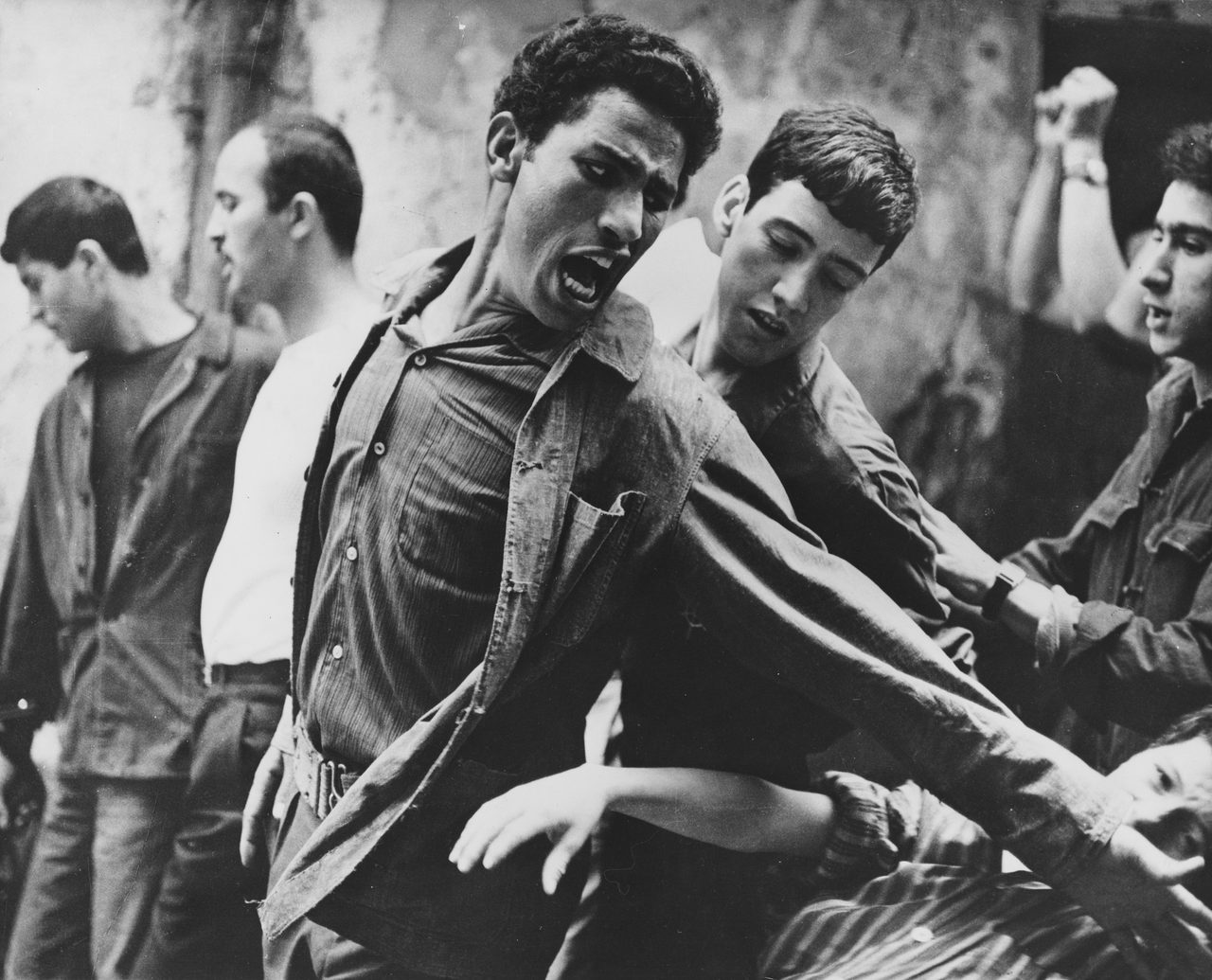
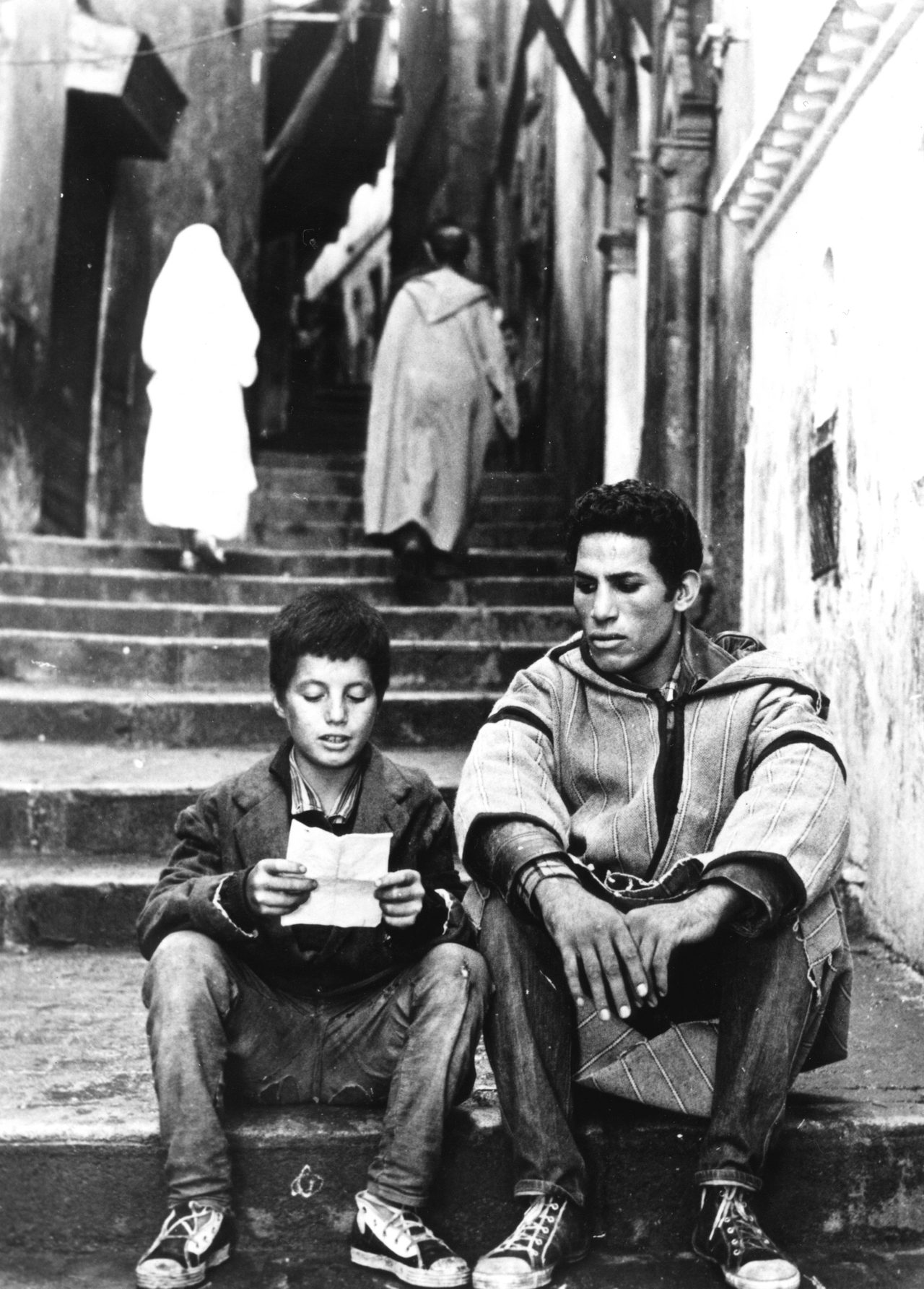
- Pontecorvo cast non-professional Algerians he had met, choosing them mainly on appearance and emotional effect, so many of their lines were dubbed; the sole professional actor was French stage actor Jean Martin, cast as Colonel Mathieu because Pontecorvo wanted someone unfamiliar to most audiences.
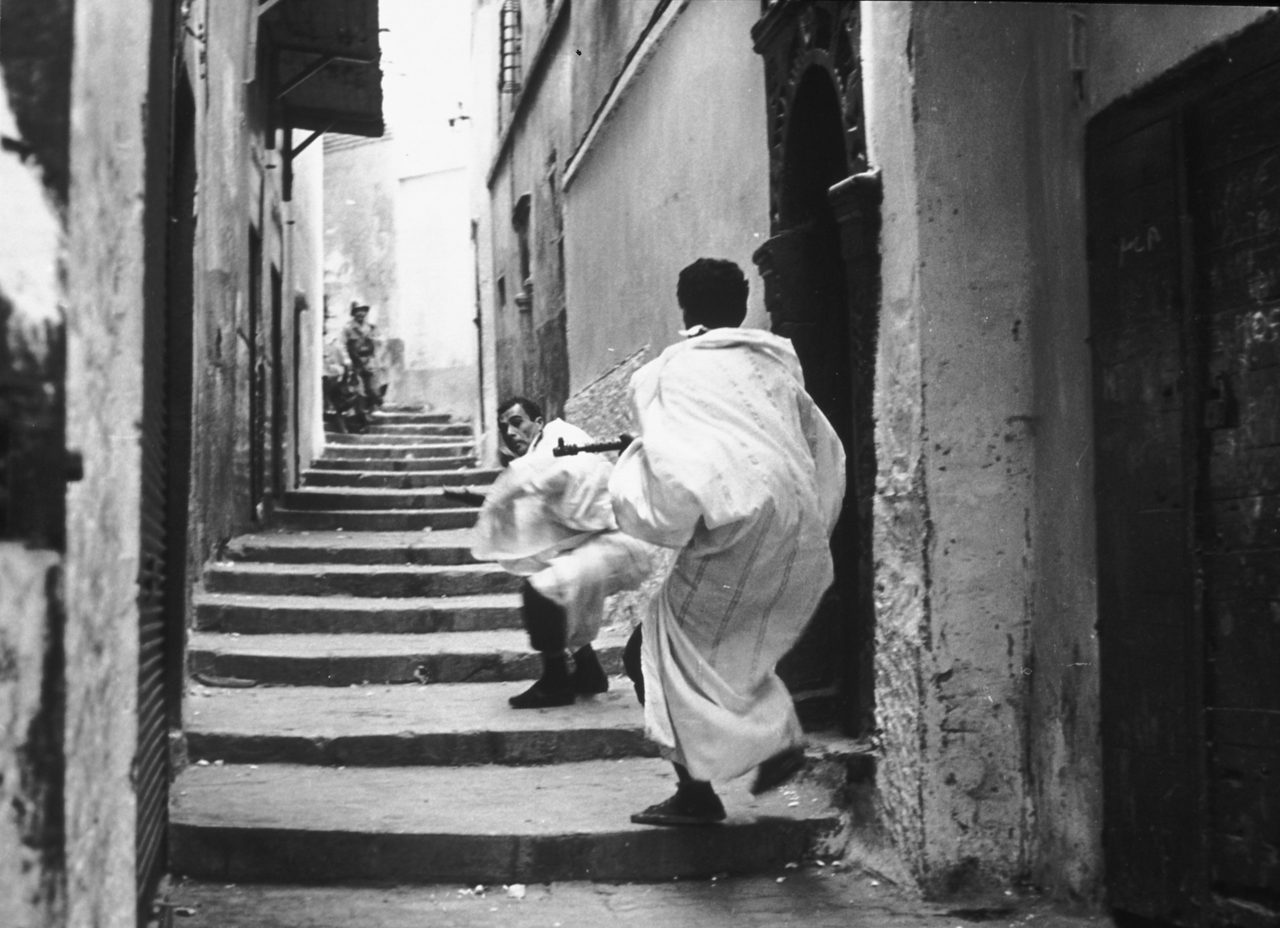
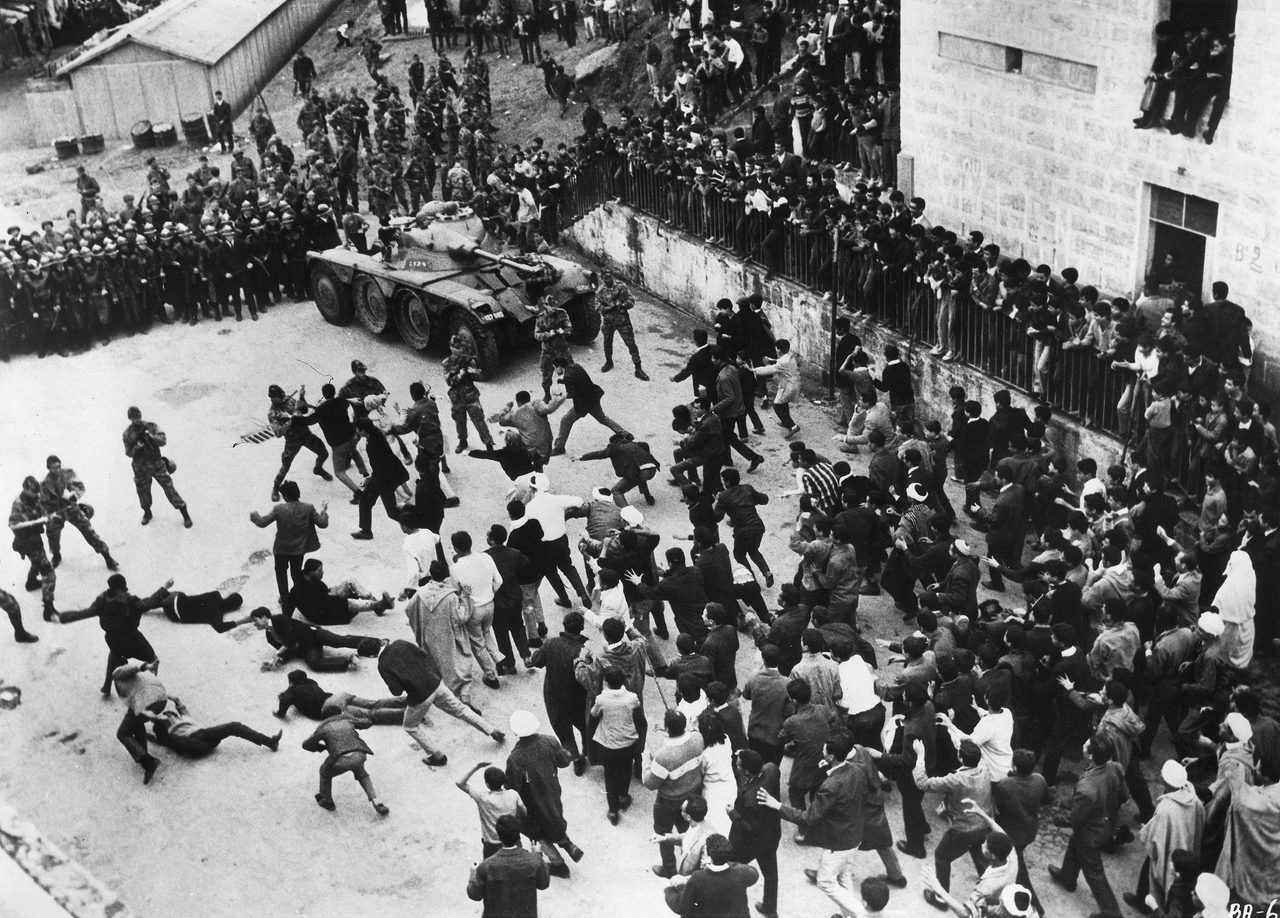
- Pontecorvo and cinematographer Marcello Gatti filmed in black and white and experimented with techniques to give The Battle of Algiers the look of newsreel and documentary; the effect was so convincing that American releases carried a notice that "not one foot" of newsreel was used.
- Pontecorvo wrote the music for The Battle of Algiers but, classified in Italy as a "melodist-composer", was required to work with a second composer, his friend Ennio Morricone; the solo military drum heard throughout the film was played by Italian drummer Pierino Munari.
- The film was inspired by Saadi Yacef's 1962 book Souvenirs de la Bataille d'Alger, an account of the campaign by an FLN military commander who wrote it while a prisoner of the French to boost the FLN's morale, and the Algerian government backed adapting his memoir into a film.