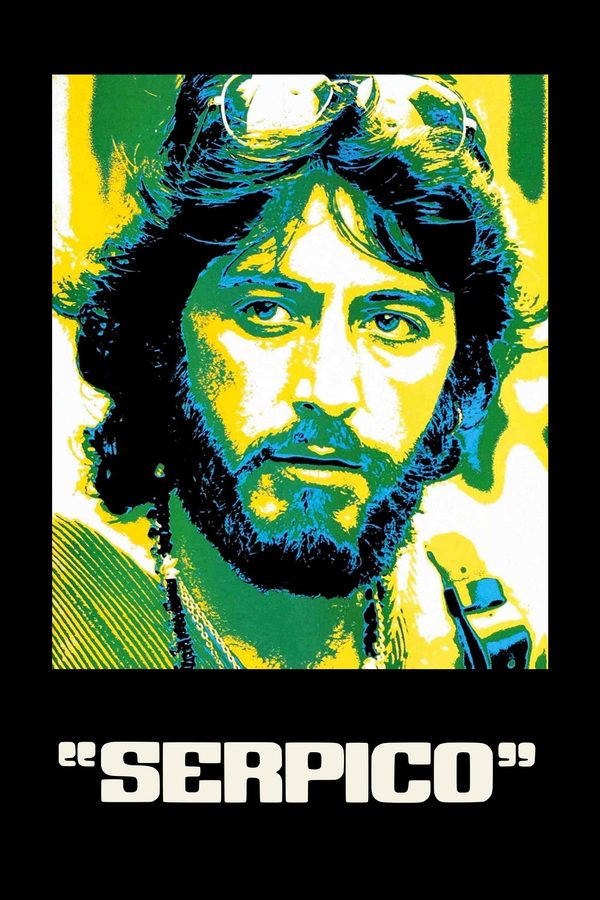
Trailer
Plot summary
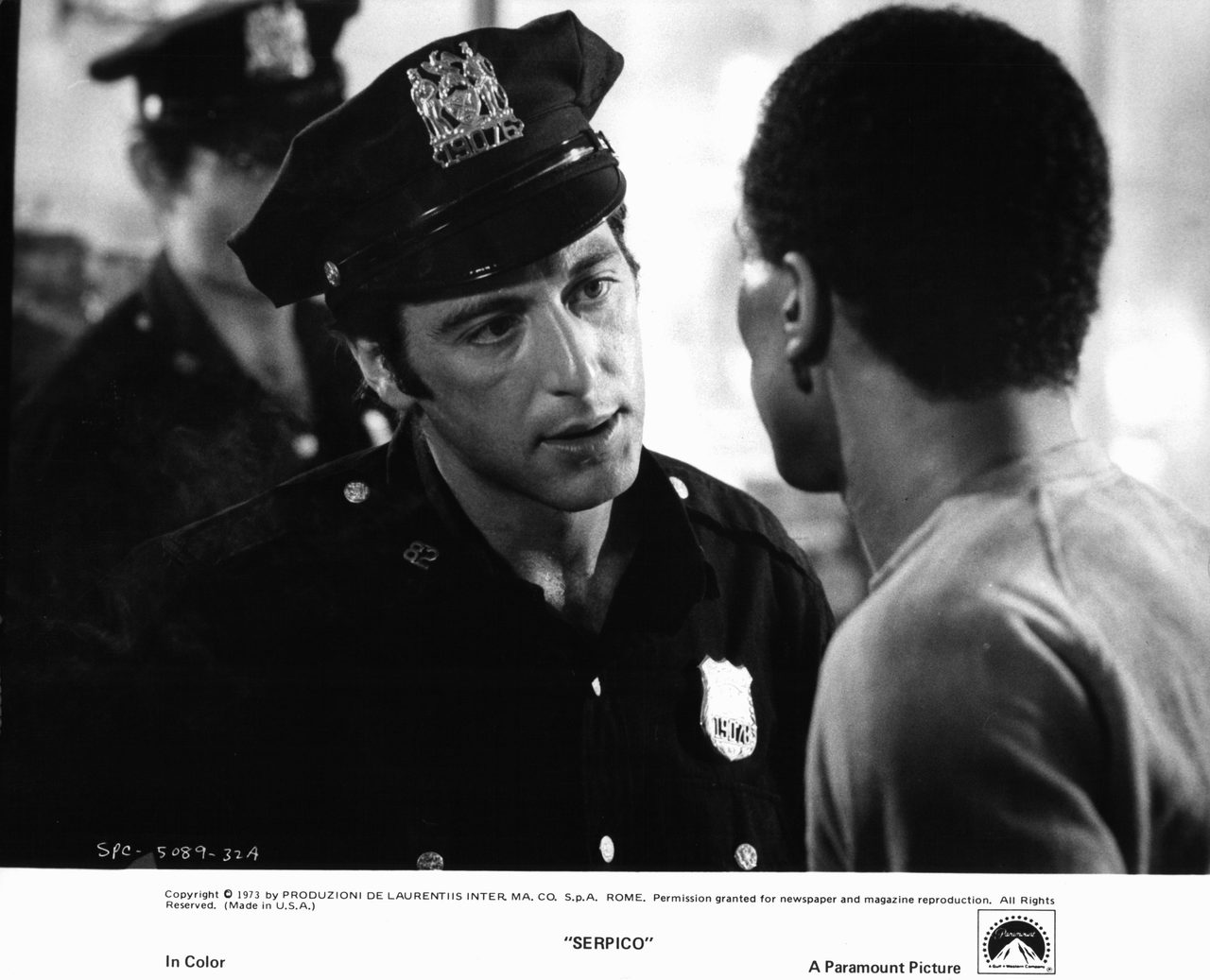
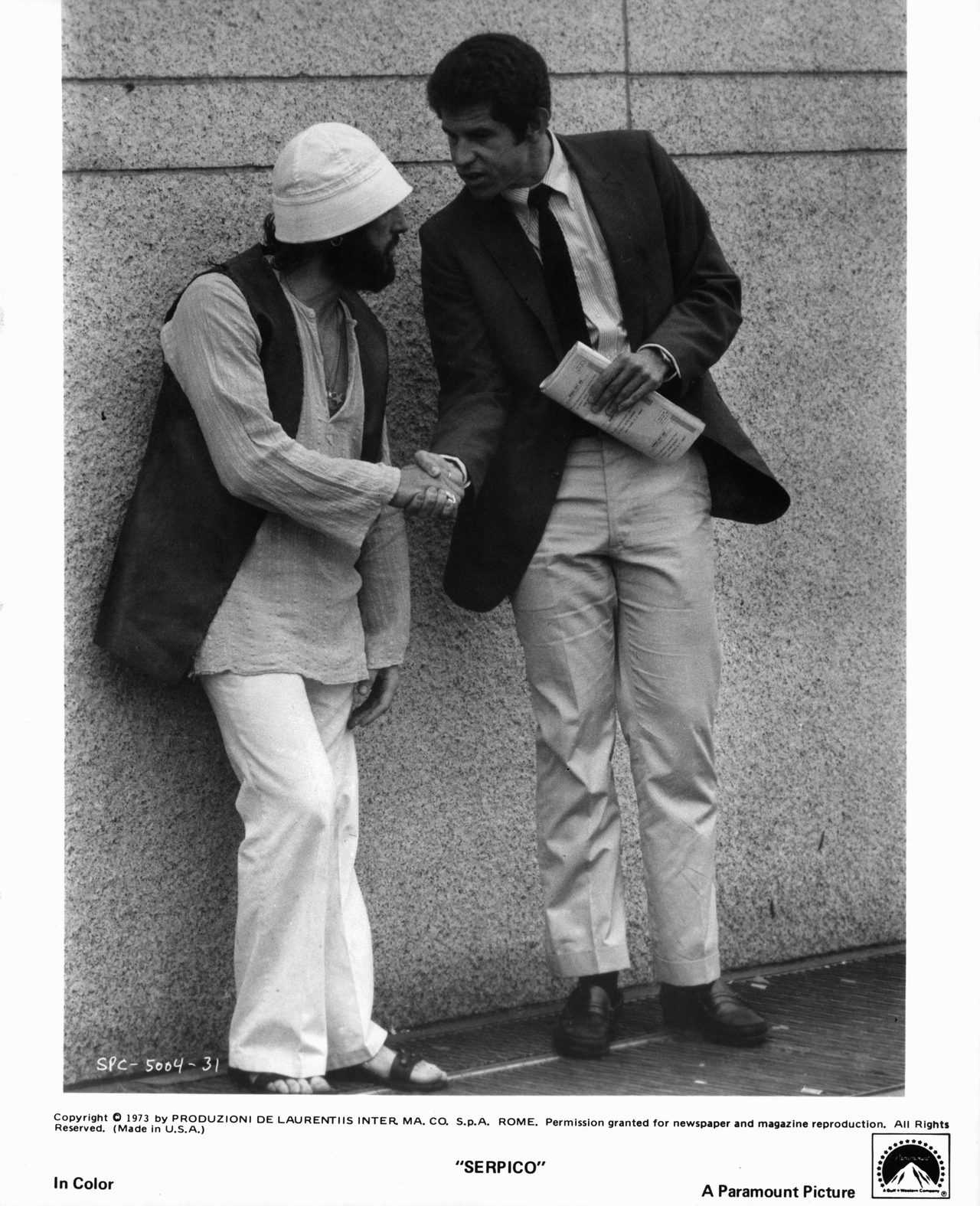
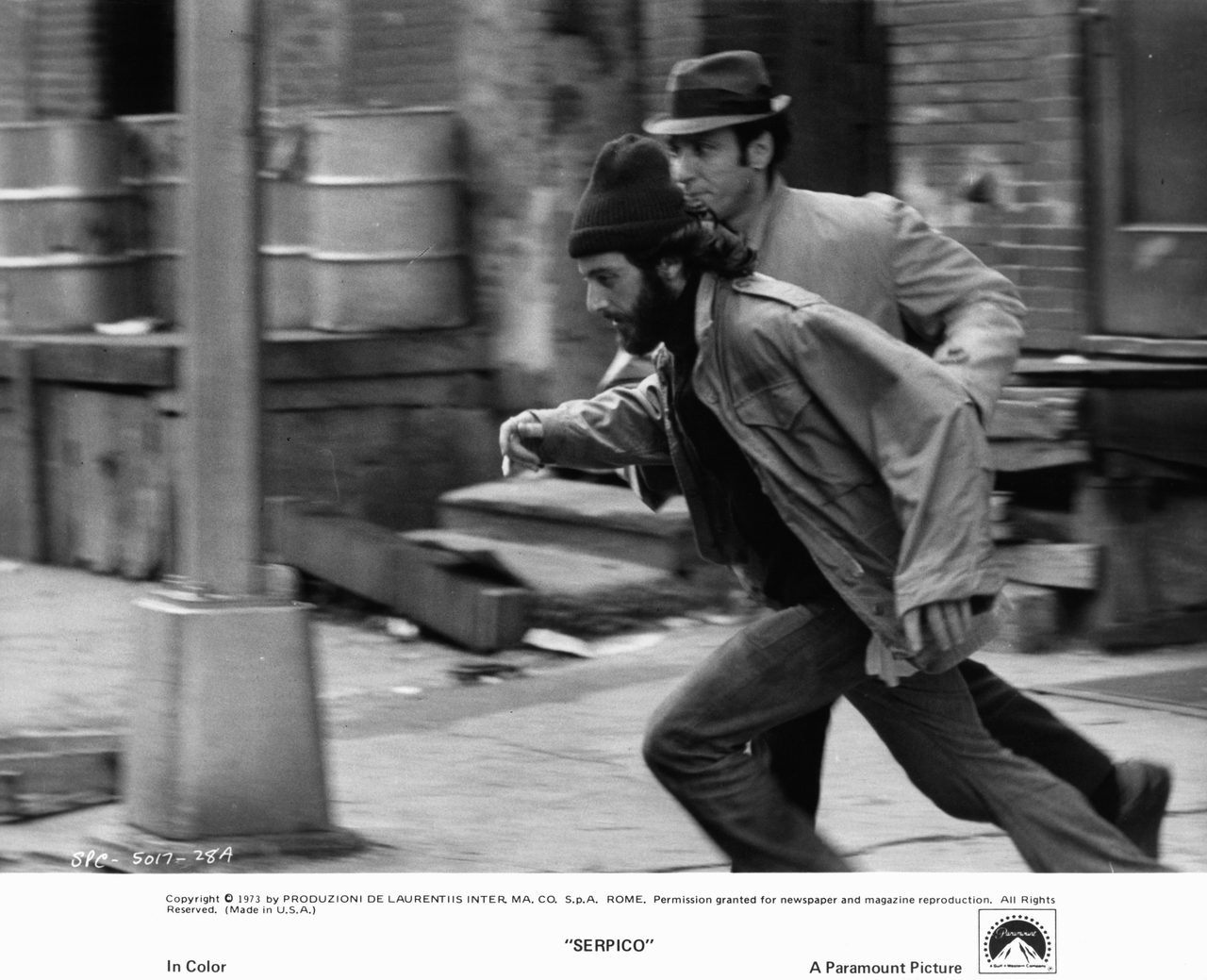
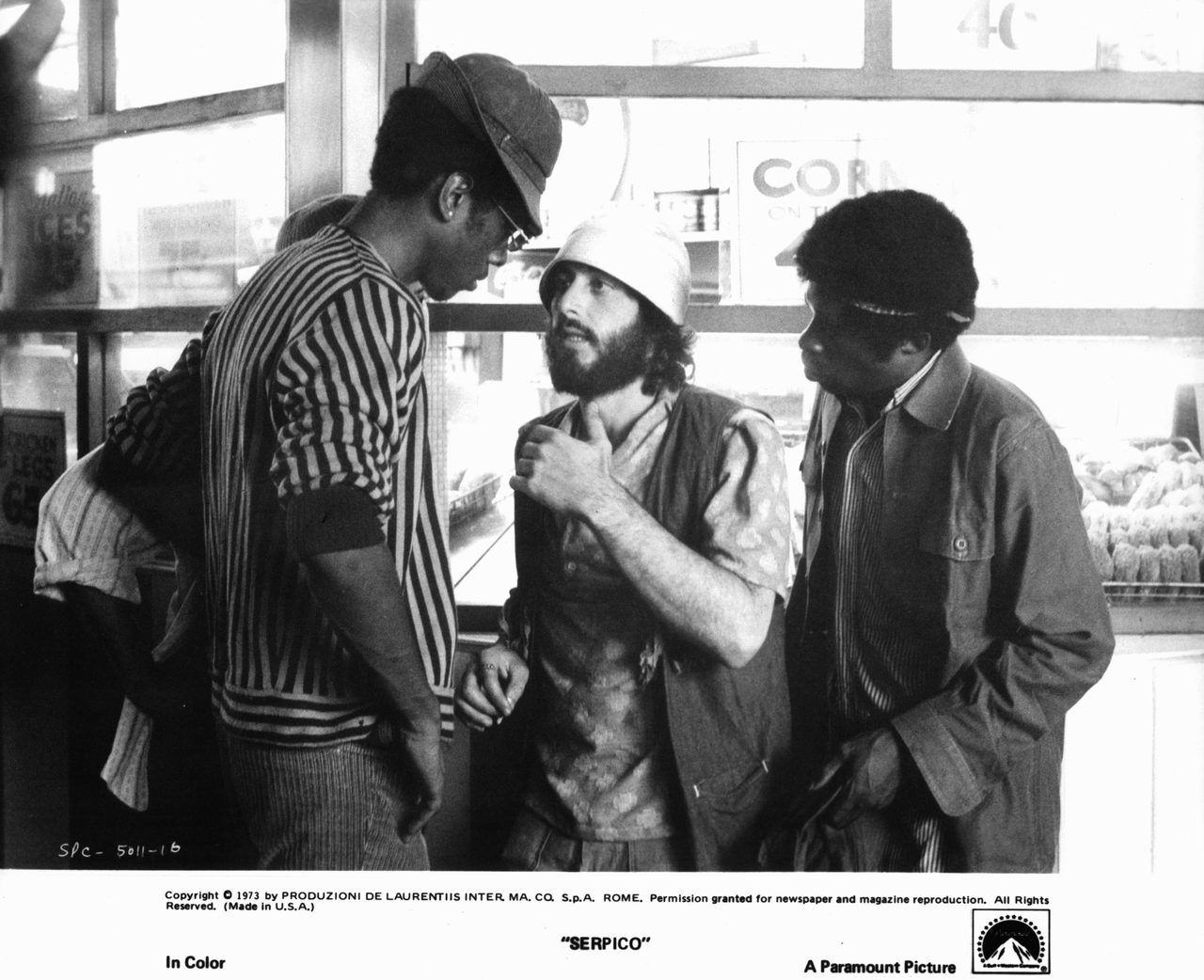
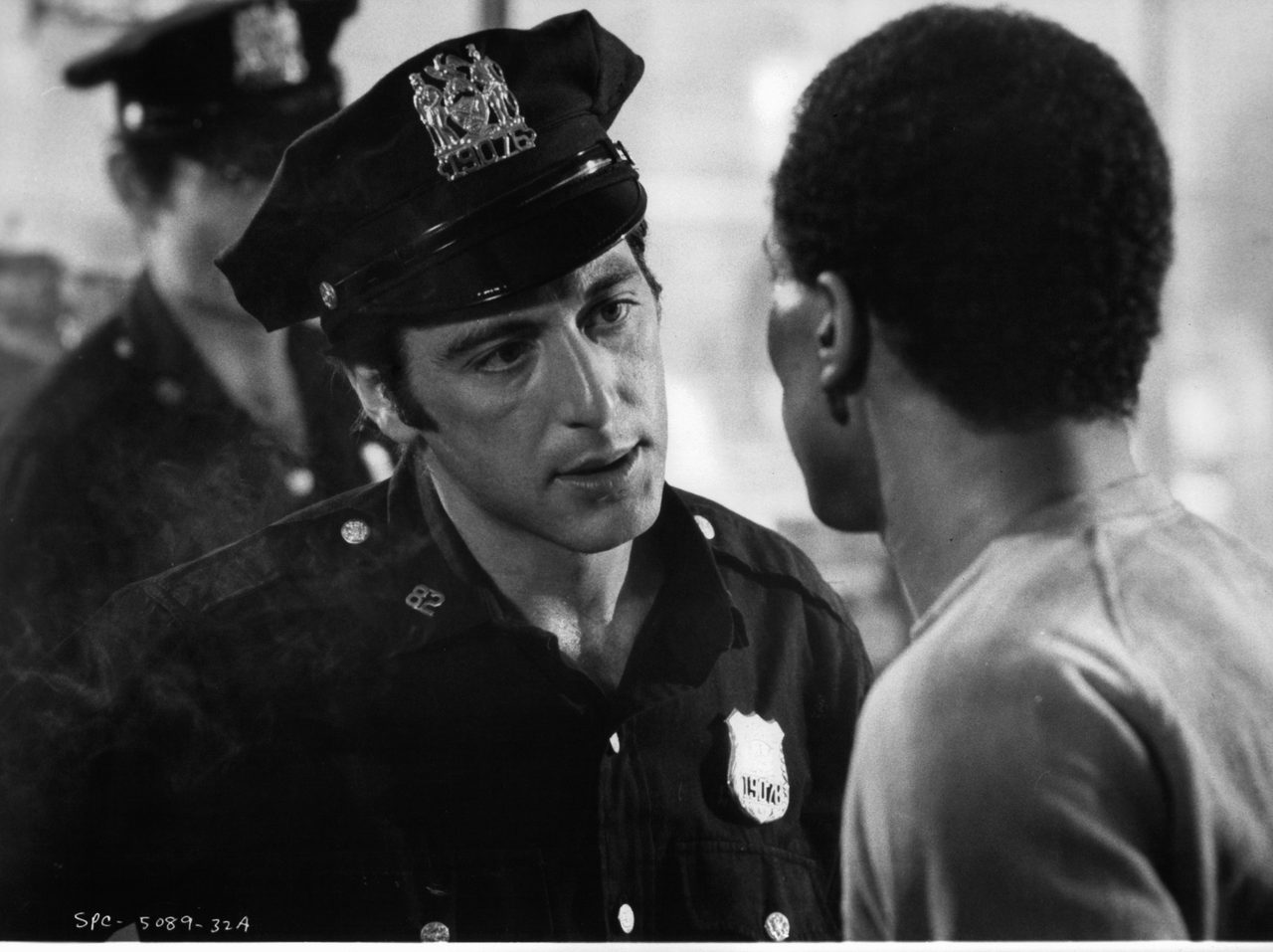
All his life Frank Serpico has wanted to be a policeman. He leaves the New York City police academy full of plans for improving how the department works with the public. The department's plainclothes dress is easily recognizable, so he wears what an ordinary civilian wears. Chasing a burglar, he is mistaken for a stranger by other officers, who shoot at him. He survives the shooting, but he learns that deviating from protocol can be dangerous. Early in his career he discovers that free meals and small favors are simply part of the job even for the officer on the beat.
Cast




- John Medicias Pasquale

- Norman Ornellasas Rubello


Did you know?!Facts and trivia about Serpico (1973)
Can contain spoilers, watch the movie first.
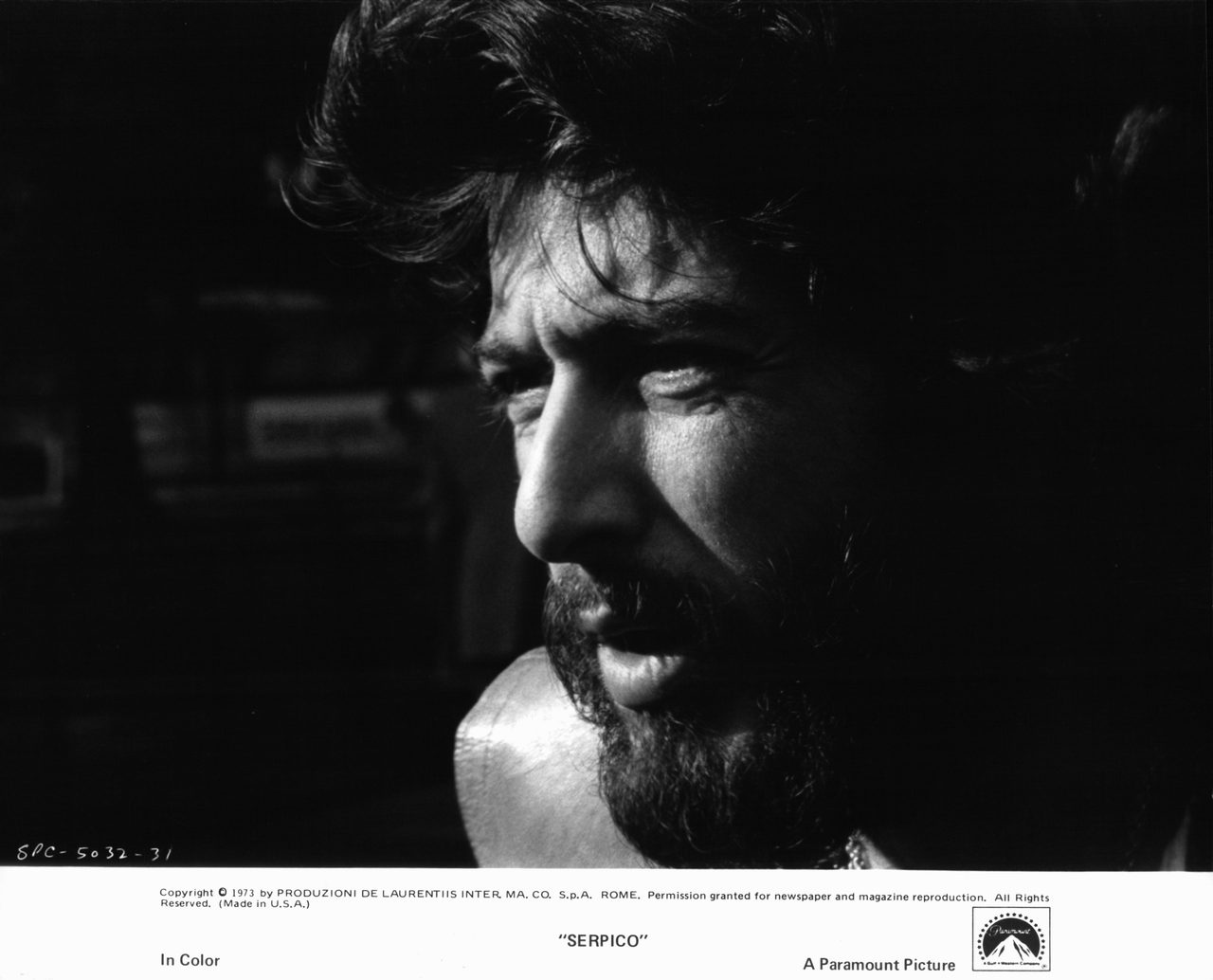
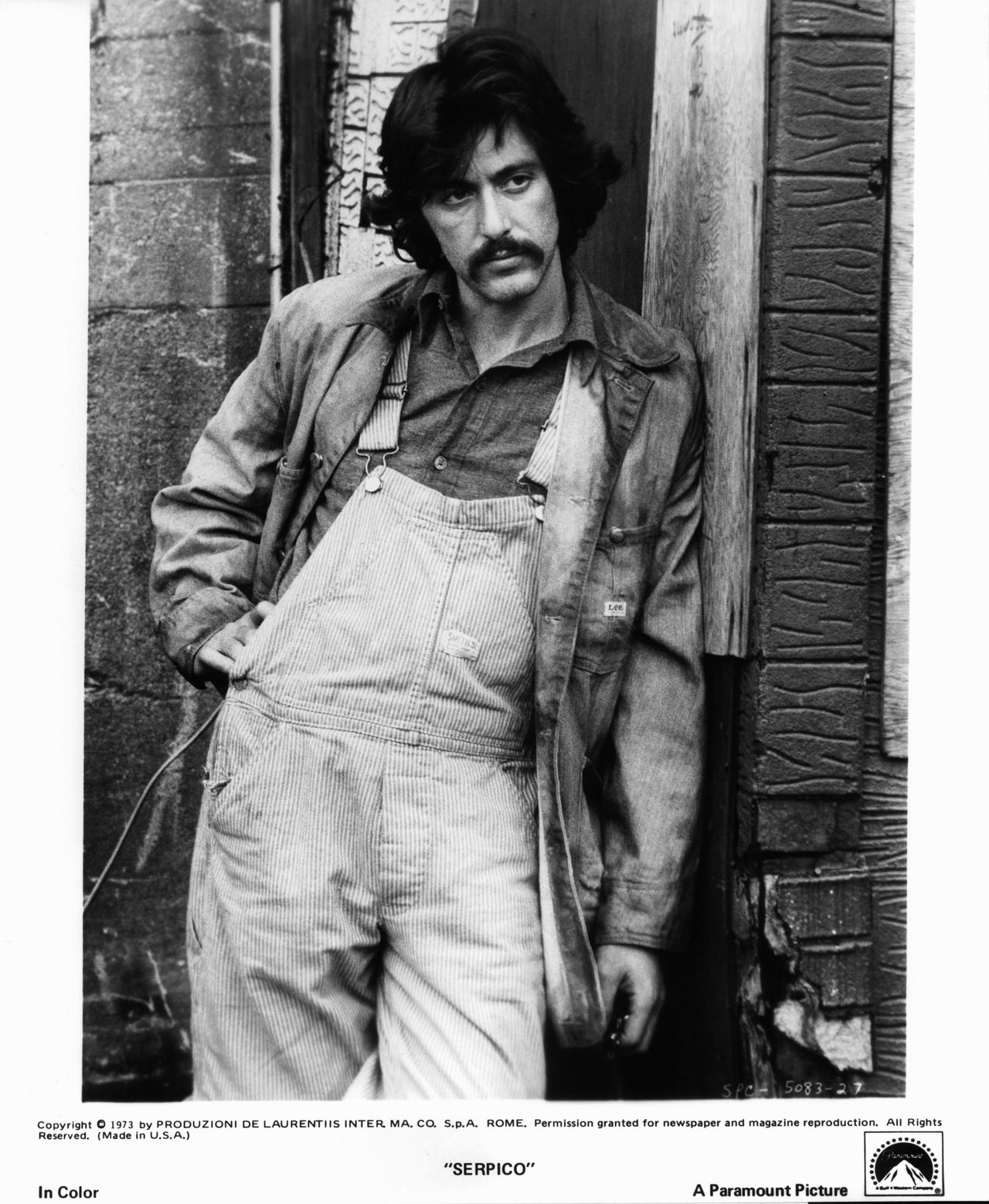
- To accommodate the scenes around Pacino's facial hair, the film was shot in reverse: he started with long beard and hair, was shaved to a mustache and was finally clean-shaven for the beginning of the film, with Lumet deciding each day whether to shave him further.
- De Laurentiis fired Avildsen after tension boiled over at a meeting about shooting a scene in the real home of Serpico's parents; Avildsen's own account of his dismissal was that he had refused to cast Bregman's then-girlfriend Cornelia Sharpe as Leslie.
- Early negotiations included Paul Newman in the role of Durk and Robert Redford as Serpico, but Serpico distanced himself from the project because he felt he would be portrayed merely as a sidekick, and director Sam Peckinpah, Newman and Redford all left it.
- Maas received $400,000 and a participation in the film for the rights to his book, which were secured before its March 1973 publication; De Laurentiis then met resistance from Paramount Pictures, which considered that "enough cop movies" had been made, and was backed by Gulf+Western president Charles Bluhdorn.
- As the film progressed Lumet had the cast's costumes become darker in color, until a courtroom scene in which all the actors wore dark tones; he told Charles Champlin, "I was trying to negate color, to make a picture in color that was not colorful."
- Serpico watched the film in its entirety for the first time in 2010, and later said Lumet had barred him from the set after he interrupted the shooting of a scene that in real life "never happened".