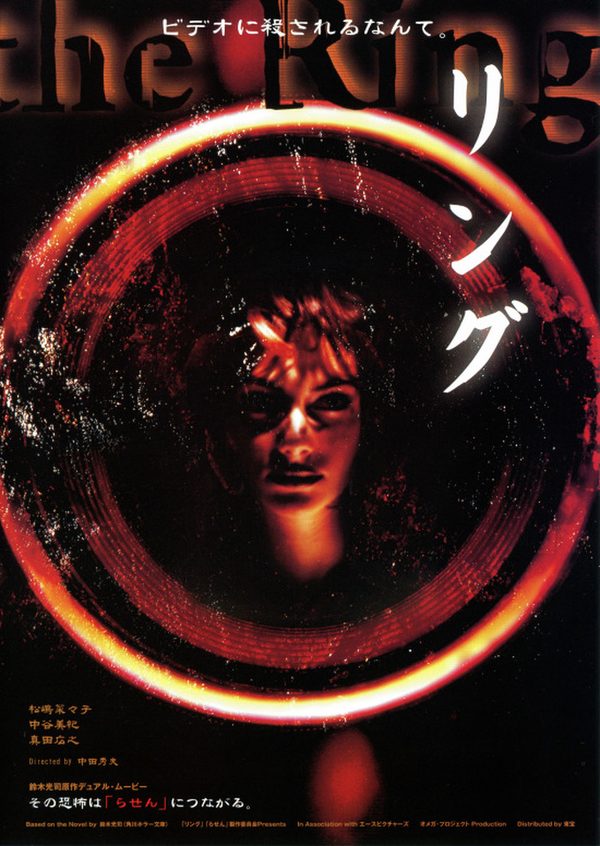
Ringu (1998) on Netflix
Her niece Tomoko dies on the same night as friends who watched a videotape said to kill viewers in seven days. Journalist Reiko Asakawa finds the tape and watches it.
- Netflix3.3/5
- IMDb7.2/1087,258 votes
- Rotten Tomatoes98%
Trailer

Plot summary
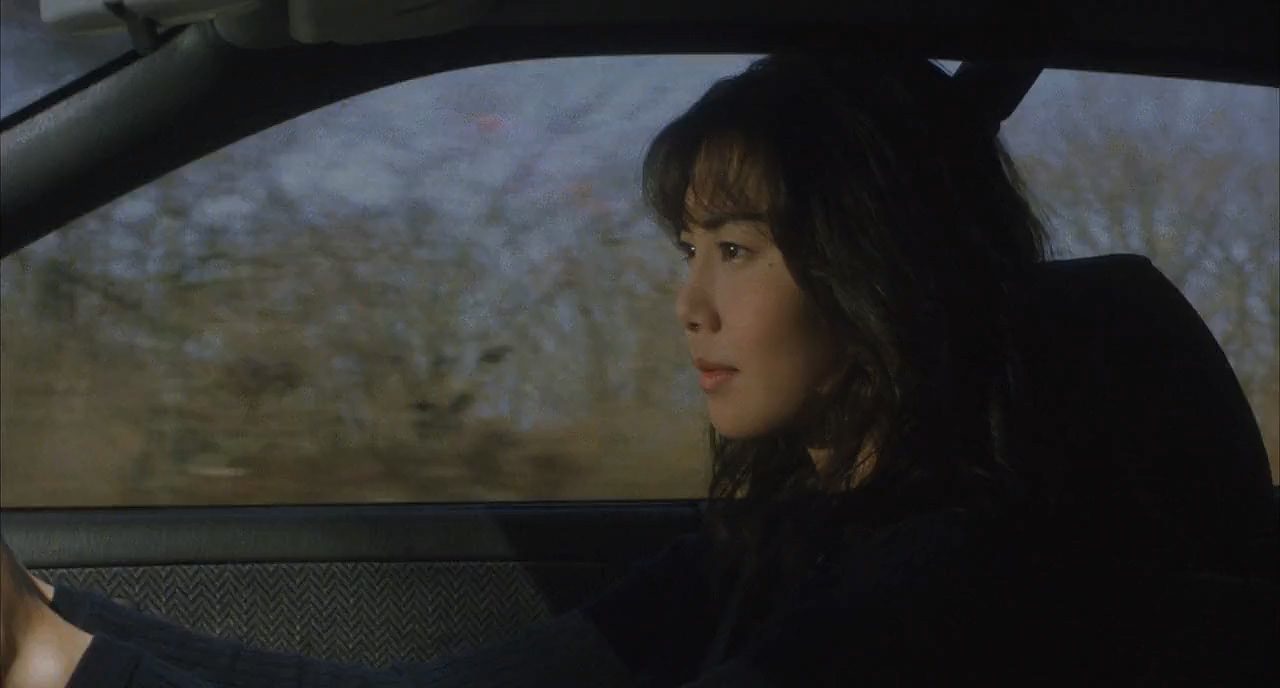
Journalist Reiko Asakawa has been investigating an urban legend about a videotape that kills whoever watches it seven days later. Her niece Tomoko dies on the same night as the three friends who had viewed the tape with her, all at the same hour. Reiko travels to the cabin in Izu where her niece and those friends had stayed and takes away an unmarked tape. Its scenes are brief and unconnected, with screeching sounds, and it closes on a well. After she watches it, an apparition appears and the telephone rings with the same screeching noise. Believing herself cursed, Reiko asks her ex-husband Ryūji Takayama, a university professor with a sixth sense for supernatural auras, to help her. On the copy they study, a voice delivers a cryptic message in the dialect of Ōshima.
Cast














Did you know?!Facts and trivia about Ringu (1998)
Can contain spoilers, watch the movie first.
- Ring was shot back-to-back with a sequel, Spiral, which shared much of the cast but was made without director Hideo Nakata or writer Hiroshi Takahashi; the studio released both films together in Japan on January 31, 1998, hoping the novel's popularity would make both a success.
- Screenwriter Hiroshi Takahashi and director Hideo Nakata changed the protagonist in their script from married man Kazuyuki Asakawa to divorced woman Reiko Asakawa, and turned his daughter Yoko into a son, Yoichi.
- The special effects on the cursed videotape and some other parts of the film were shot on 35 mm film that was passed to a laboratory, where a computer added the 'grainy' texture.
- Ring's 1999 Hong Kong release took HK$31.2 million (US$4.03 million) over two months, making it the territory's highest-grossing Japanese-language film until Stand By Me Doraemon beat the record in 2015.
- Ring's restrained approach to horror helped revitalise the genre and sparked worldwide interest in Japanese cinema, a renaissance that led to the coining of the term J-Horror in the West.
- Spiral was largely ignored on release despite Ring's success, so director Hideo Nakata and writer Hiroshi Takahashi made Ring 2 in 1999, another sequel that ignored the events of Spiral.