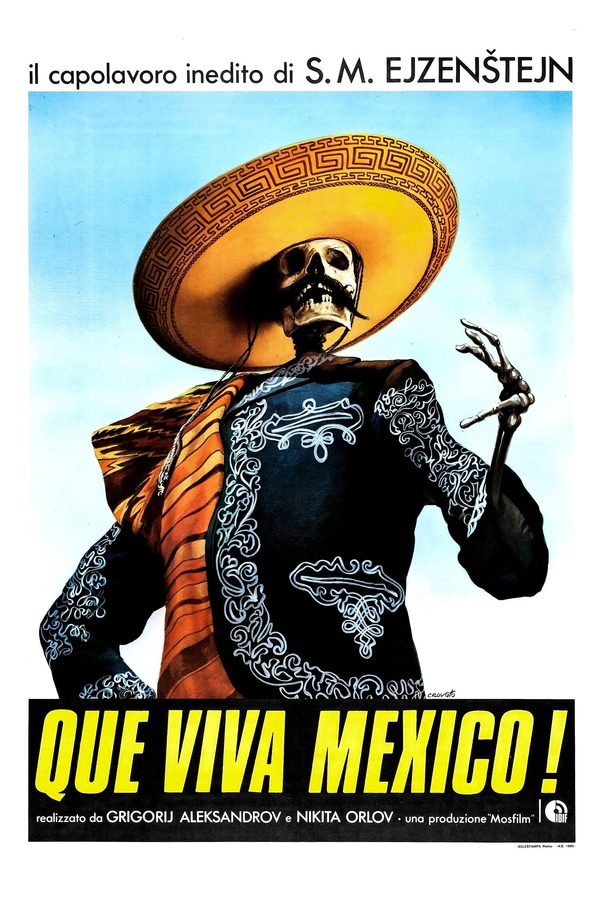
Que Viva Mexico! (1979) on Netflix
NR19791h 30mDocumentaryDramaWestern
An episodic chronicle of Mexico, assembled decades after it was shot. Concepción saves gold coins for the necklace that means she can marry, while Sebastian labors on a maguey plantation.
- Netflix3.7/5
- IMDb7.4/102,153 votes
- Rotten TomatoesNot available
Plot summary
The footage was shot in Mexico in the early 1930s and left unedited for decades, then edited into a portrait of the country in episodes. A prologue among the Maya of Yucatán gives way to Tehuantepec, where Concepción works from childhood to fill a necklace with gold coins; once it is complete she is of an age to choose her own husband, and the whole village celebrates her wedding to Abundio. Next comes the yearly feast of the Virgin of Guadalupe, with pilgrims, dances and parades, followed by a bullfighter's day from his dressing to the ring. In the maguey country under Porfirio Díaz, custom requires the field worker Sebastian to present his bride Maria to the plantation owner before she may live there.
Cast

- Félix Balderasas Sebastian's Brother (uncredited)
- Baronitoas Picador (uncredited)

- Martín Hernándezas Sebastian (uncredited)
- David Liceágaas Matador (uncredited)
- Julio Saldívaras Hacendado (uncredited)
- Isabel Villaseñoras Maria (uncredited)


Did you know?!Facts and trivia about Que Viva Mexico! (1979)
Can contain spoilers, watch the movie first.
- Eisenstein shot somewhere between 175,000 and 250,000 linear feet of film — 30 to 50 hours — before the Mexican Film Trust stopped production, having run out of money and patience, while Soyuzkino ordered his "speediest return" to the USSR.
- The contract Eisenstein signed on 24 November 1930 required that the film insult or criticise nothing in post-Revolution Mexico, a condition the Mexican government set before letting the three Soviets in; filming later fell under an on-site government censor.
- Eisenstein meant to go from Mexico to California to edit the footage, but the U.S. Department of Immigration would not let him back into the country, and no agreement was reached to send the film to the USSR for him to finish there.
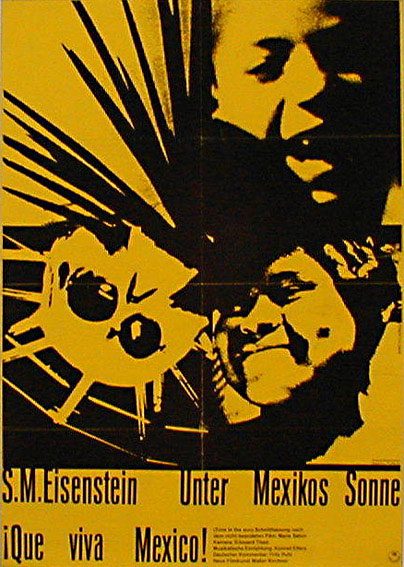
- Marie Seton, a friend of Eisenstein, tried to edit the film as Time Under the Sun and to rescue the footage and send it to him in 1939, but the Second World War stopped her; when Eisenstein saw her version in 1946 he called it "castrated by dirty hands".
- Eisenstein proposed the title ¡Que viva México! in letters to Upton Sinclair, but it was first used for Grigori Alexandrov and Esfir Tobak's 1979 version, made about a decade after the Museum of Modern Art sent the footage to the USSR in exchange for Soviet films from the Gosfilmofond archive.
- One episode of the film, about the women who followed and fought with their men in the Mexican Revolution, was built out of still photographs only, because no material for it was ever filmed.