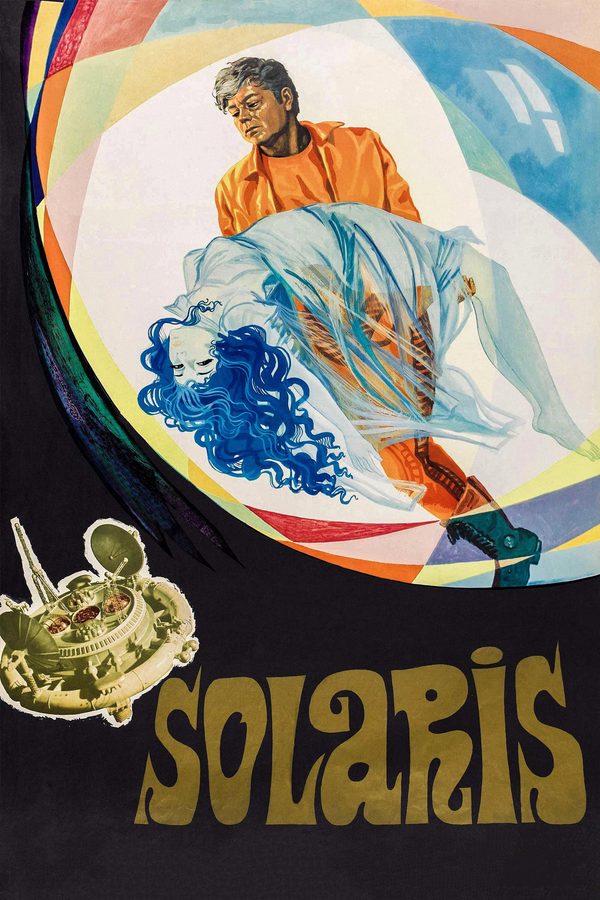
Solaris (1972) on Netflix
PG19722h 47mDramaMysterySci-Fi
Psychologist Kris Kelvin travels to a space station orbiting the ocean planet Solaris to judge whether its stalled research should continue. The crew of three scientists is in emotional crisis.
- Netflix3.4/5
- IMDb7.9/10105,250 votes
- Rotten Tomatoes93%
Trailer
Plot summary
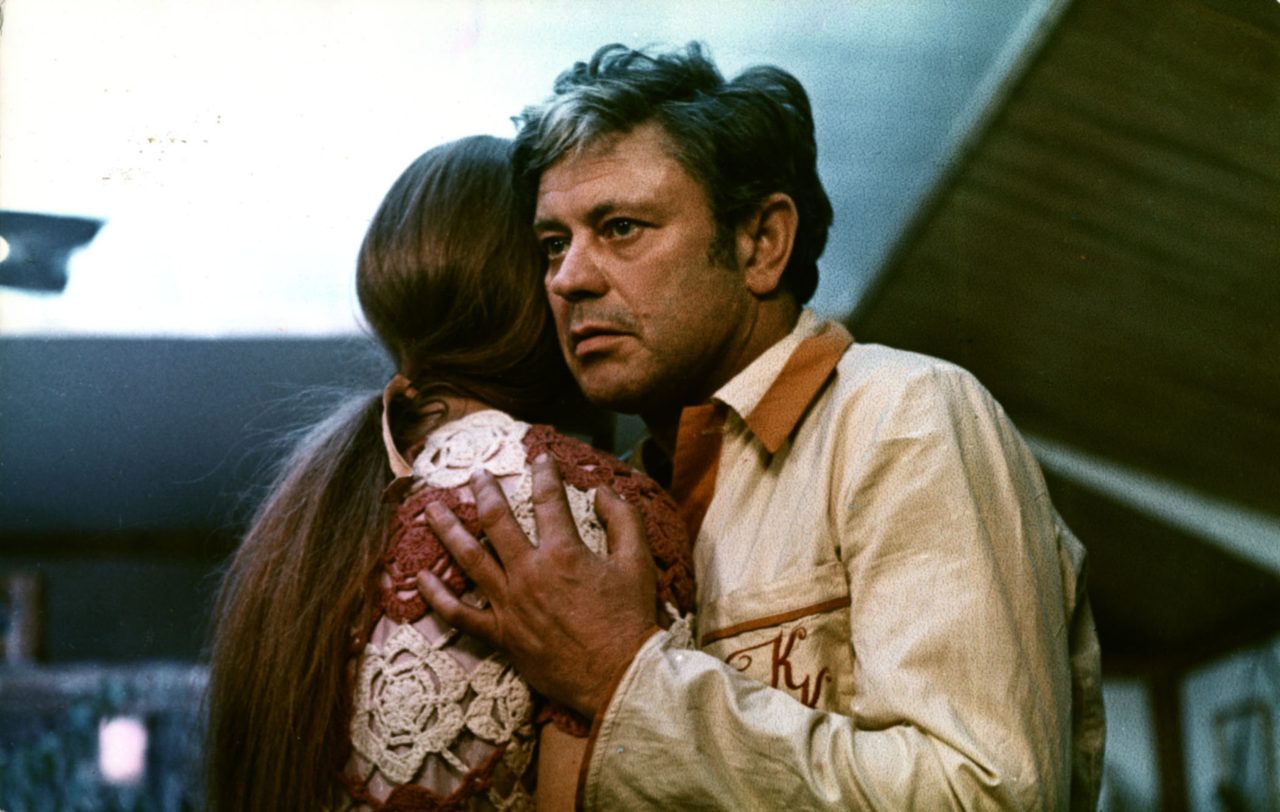
Years earlier, the pilot Henri Berton described strange visions at the planet Solaris, and a commission of scientists called them hallucinations. The space station above the planet has since stalled, its three remaining scientists in emotional crisis. Psychologist Kris Kelvin is sent there to judge whether the research continues. Before the journey, Kelvin visits his father's house on Earth. On the station he learns that Dr. Gibarian has killed himself, and he meets the surviving crewmen, Snaut and Sartorius.
Cast







- Vitalik Kerdimunas Syn Anri Bertona (as V. Kerdimun)
- Olga Kizilovaas Gostya doktora Gribaryana (as O. Kizilova)
- Tatyana Malykhas Plemyannitsa Krisa Kelvina (as T. Malykh)

- Bagrat Oganesyanas Professor Tarkhe (as B. Oganesyan)


Show all 20 cast



- Vitaliy Statsinskiyas Member of the Academic Council
- Vera Sumenova



Did you know?!Facts and trivia about Solaris (1972)
Can contain spoilers, watch the movie first.
- Stanisław Lem co-developed the screenplay but maintained he "never really liked Tarkovsky's version" of his novel, saying Tarkovsky made Crime and Punishment rather than Solaris and dropped the book's epistemological and cognitive aspects.
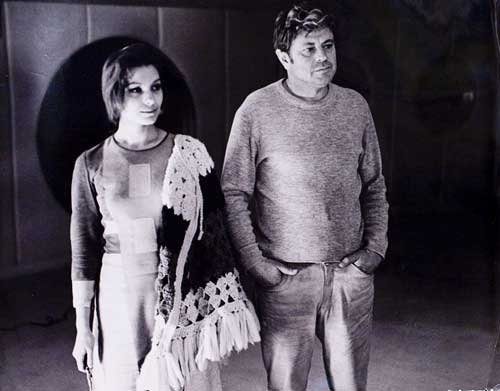
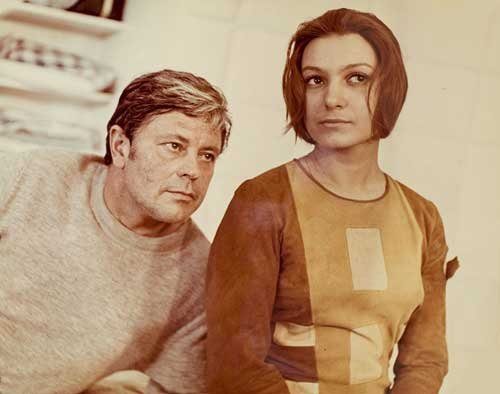
- Tarkovsky auditioned Natalya Bondarchuk in 1970 but decided she was too young for Hari, so he recommended her to director Larisa Shepitko, who cast her in You and Me; six months later Tarkovsky saw that film and was impressed enough to cast Bondarchuk as Hari.
- Tarkovsky first wanted his ex-wife, Irma Raush, to play Hari, but after meeting actress Bibi Andersson in June 1970 thought she was better for the role; Andersson agreed to be paid in roubles because she wanted to work with Tarkovsky.
- In January 1972 the State Committee for Cinematography demanded a more realistic film with a clearer image of the future and the deletion of allusions to God and Christianity; Tarkovsky resisted the major changes and, after minor edits, Solaris was approved for release in March 1972.
- The colour scenes of Solaris were shot on Eastman Kodak film, which had to be specially procured for the production because it was not widely available in the Soviet Union.
- Cinematographer Vadim Yusov, who had also shot Tarkovsky's previous films, quarrelled so much with him during Solaris that the two never worked together again.
- Tarkovsky co-wrote the first screenplay with Friedrich Gorenstein in the summer of 1969, with two-thirds of it set on Earth; the Mosfilm committee disliked it and Stanisław Lem became furious at the drastic alteration of his novel.
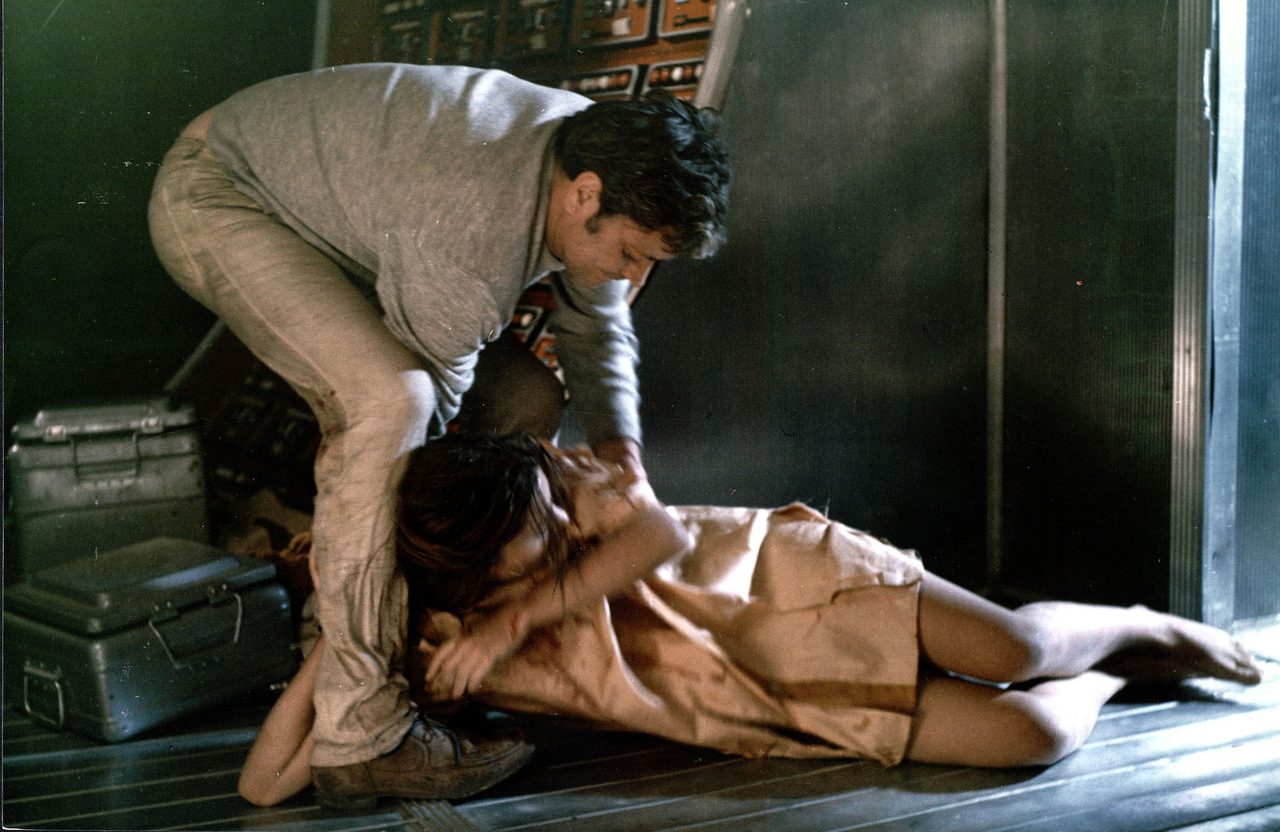
- The ocean of the planet Solaris was created with acetone, aluminium powder and dyes, while production designer Mikhail Romadin made the space station lived-in, beat-up and decrepit rather than shiny, neat and futuristic.