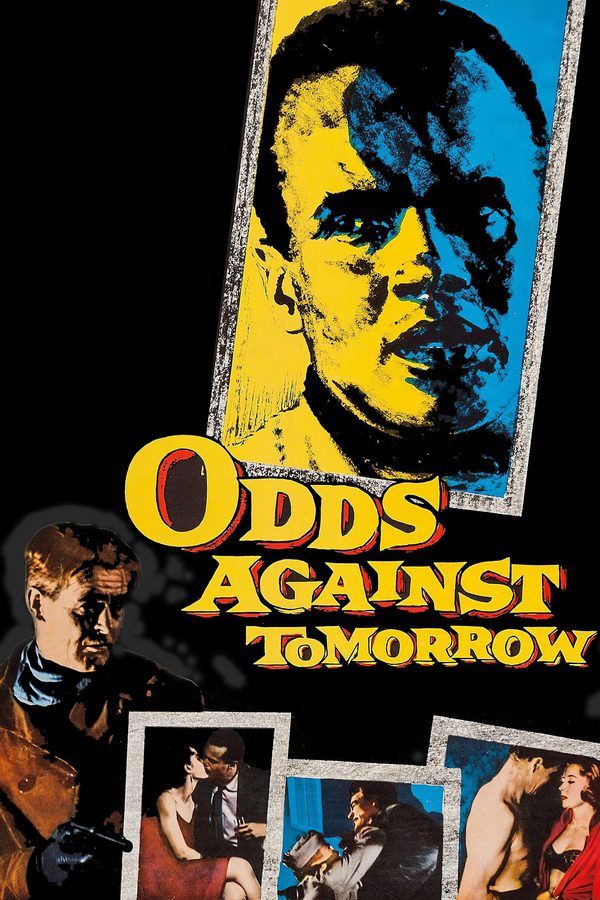
Odds Against Tomorrow (1959) on Netflix
Approved19591h 36mCrimeDramaThriller
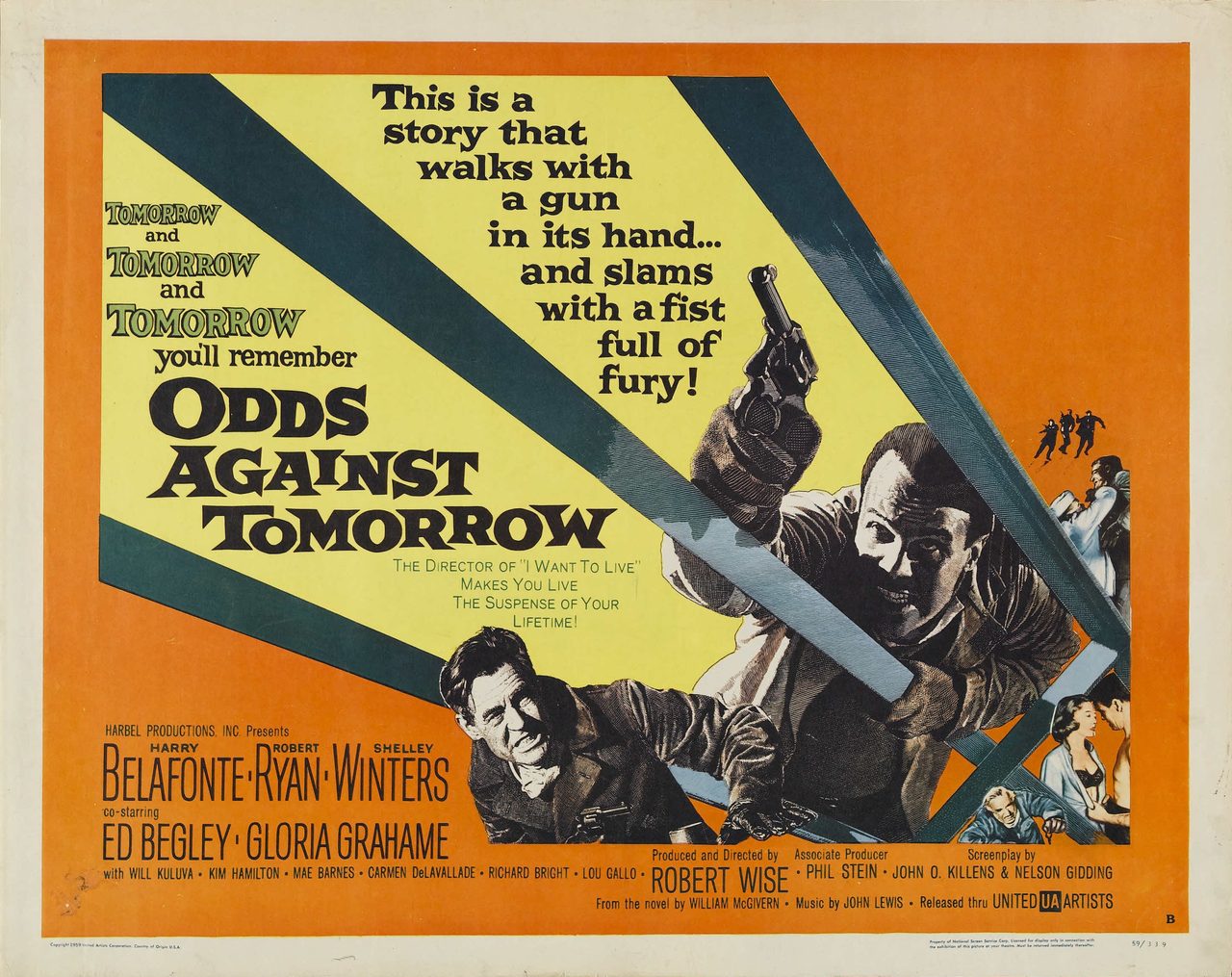
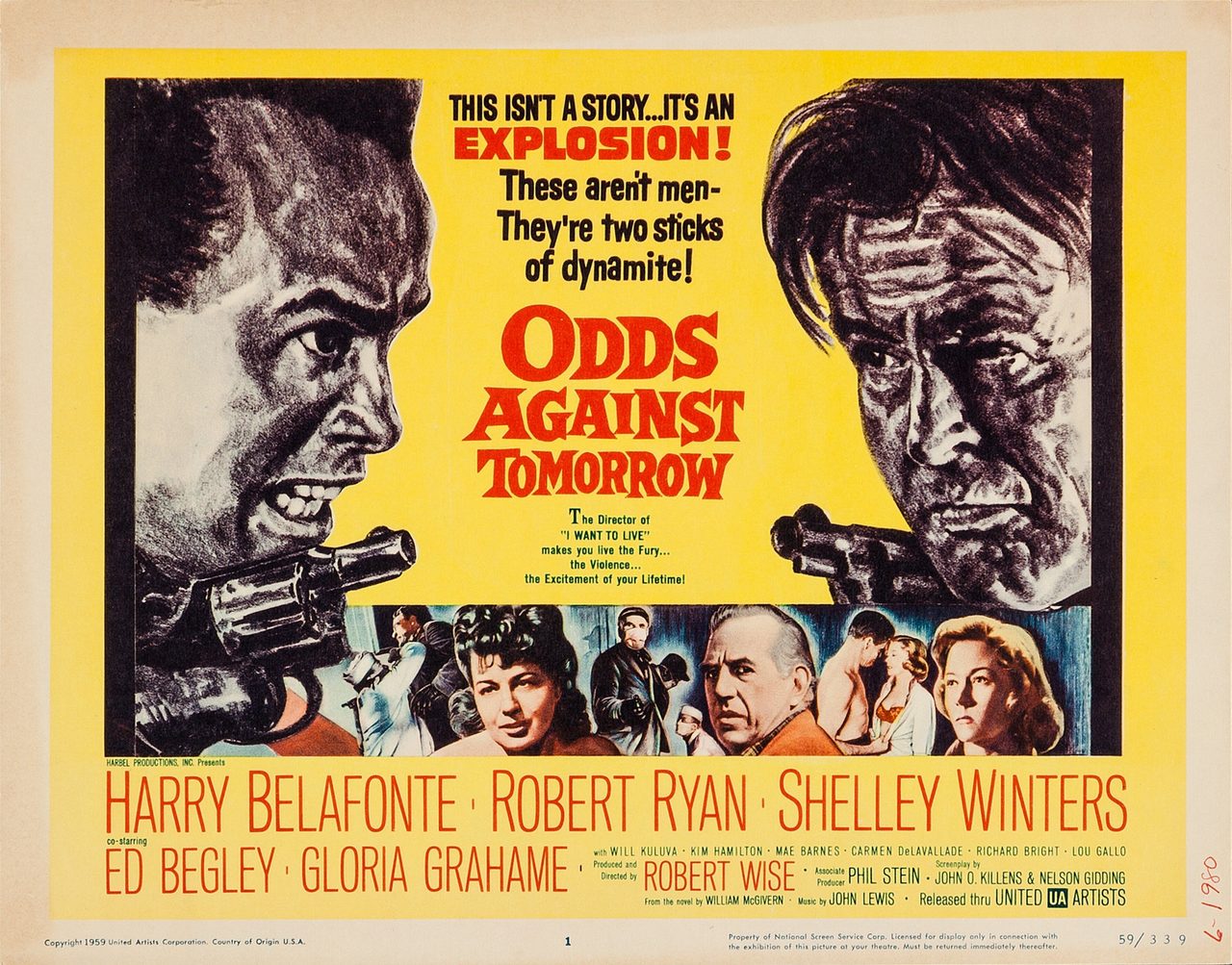
Ruined after refusing to help state investigators, Dave Burke plans a bank robbery. He recruits Earle Slater, a racist ex-con, and Johnny Ingram, a nightclub entertainer in debt from gambling.
- Netflix4.1/5
- IMDb7.4/106,470 votes
- Rotten Tomatoes88%
Trailer
Plot summary
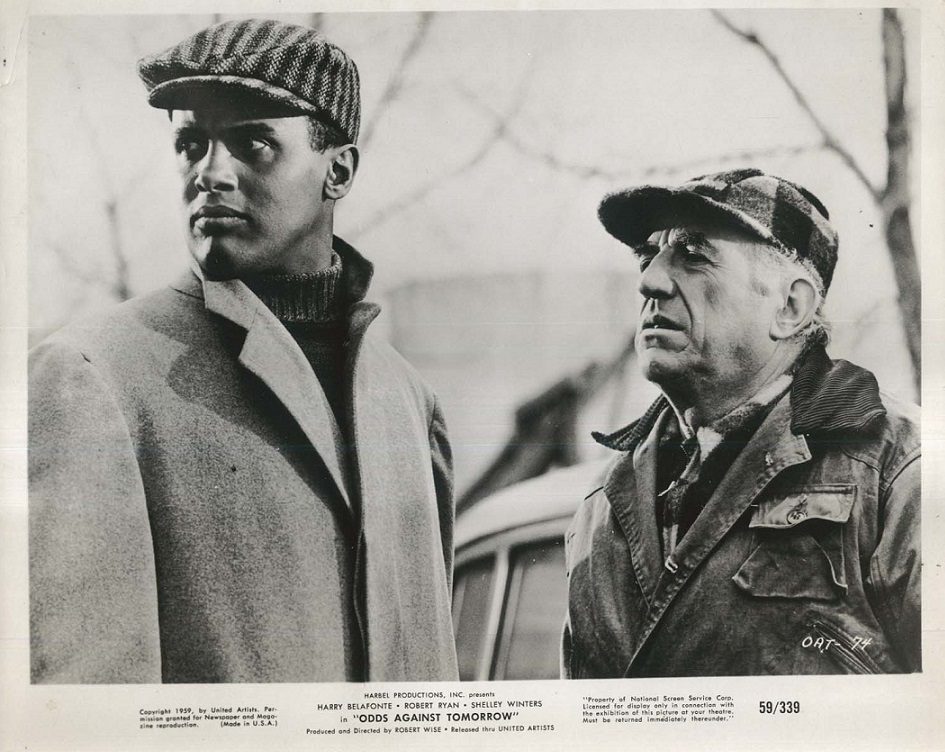
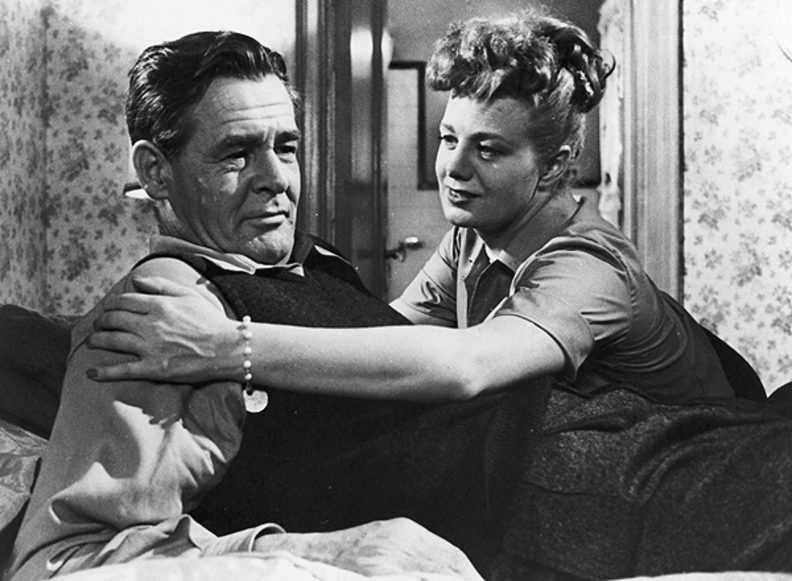
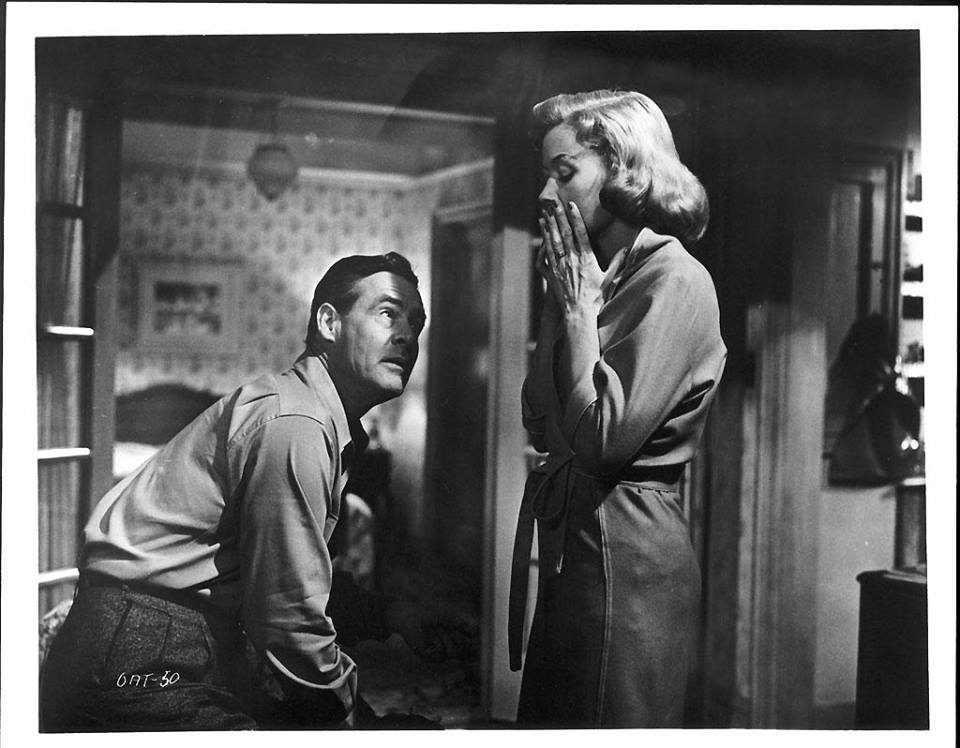
Dave Burke, a former policeman, was ruined after he would not cooperate with state crime investigators. He wants to rob a bank and needs help. He asks Earle Slater, a racist ex-convict, to join, and promises him fifty thousand dollars if the robbery works. Slater lives on money from his girlfriend Lorry. Burke's other choice is Johnny Ingram, a nightclub entertainer who gambles, owes money and does not want the job. Slater refuses to work with Ingram, a black man, then joins because he needs the money.
Cast





- Lois Thorneas Edie Ingram


Show all 20 cast


Did you know?!Facts and trivia about Odds Against Tomorrow (1959)
Can contain spoilers, watch the movie first.
- Blacklisted by the House Unamerican Activities Committee, Polonsky wrote Odds Against Tomorrow's screenplay using John O. Killens, a black novelist and friend of Belafonte, as a front; in 1996 the Writers Guild of America restored Polonsky's credit in his own name.
- Director Robert Wise shot the film's opening, Robert Ryan walking down a West Side street, on infra-red film, which he said turned green things white and produced black skies with white clouds.
- Odds Against Tomorrow was the last film Robert Wise shot in black-and-white in the standard aspect ratio; after it he made two more black-and-white films, Two for the Seesaw and The Haunting, both in CinemaScope (2.35:1).
- The track "Skating in Central Park" from Lewis's score became a permanent part of the Modern Jazz Quartet's repertoire and was reused for a similar scene in the 1971 film Little Murders.