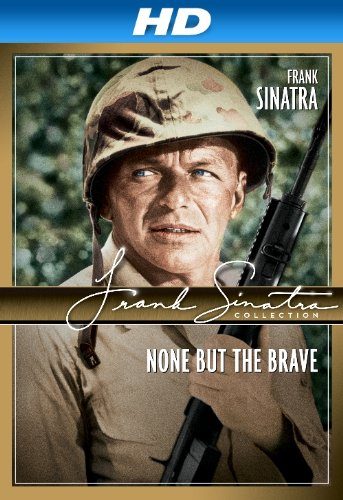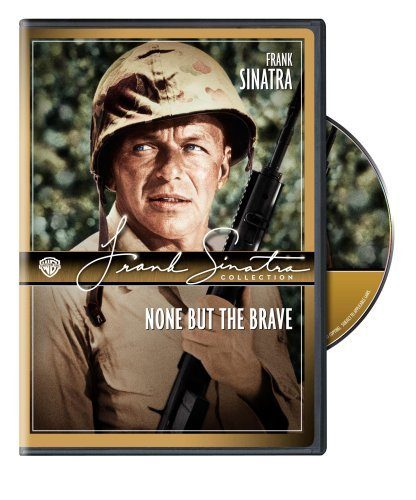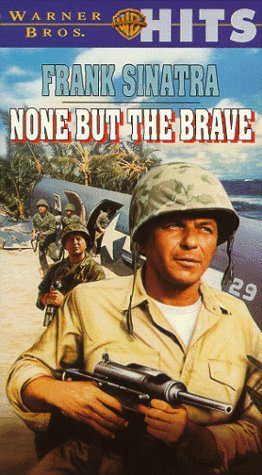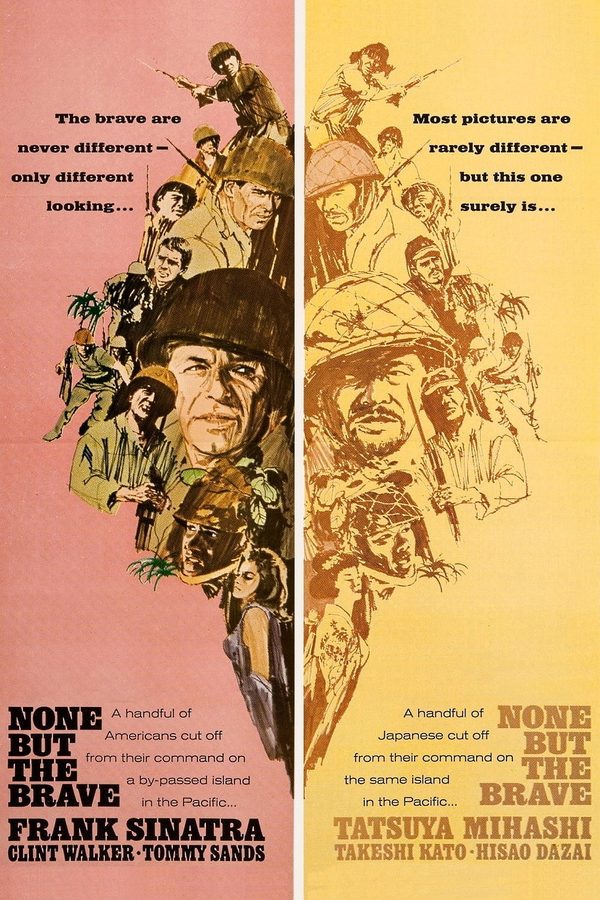
None But the Brave (1965) on Netflix
Approved19651h 46mAdventureDramaWar
Seventeen Japanese soldiers are stranded on a Pacific island after a storm wrecks their radio. An American plane crash puts Lieutenant Kuroki and Captain Dennis Bourke on the same island.
- Netflix3.2/5
- IMDb6.4/102,348 votes
- Rotten TomatoesNot available
Trailer

Plot summary
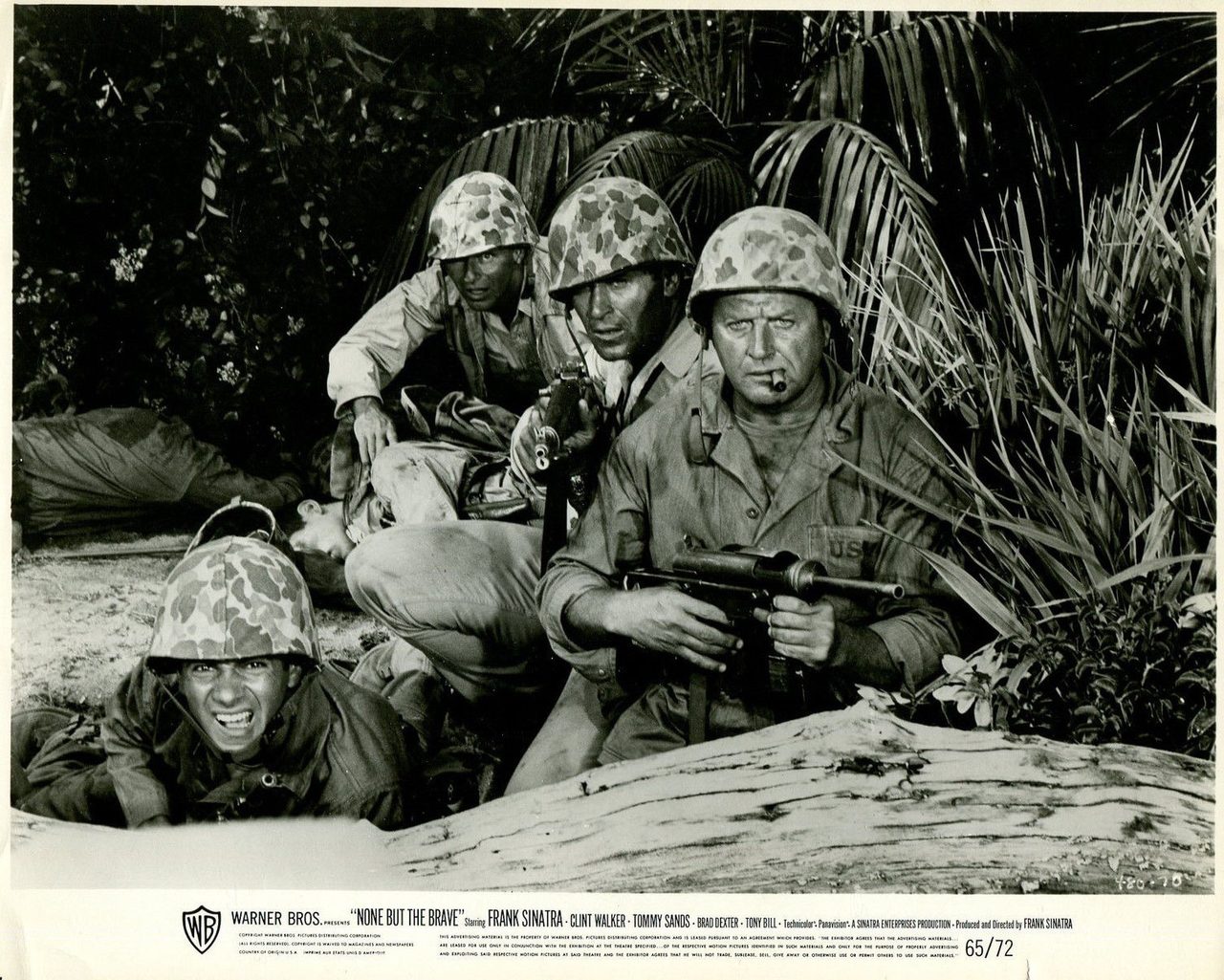
In the Pacific during World War II, seventeen Japanese soldiers hold an island in the Solomon Archipelago. American forces pass their position by, a storm wrecks the platoon's radio, and the men are cut off. Lieutenant Kuroki keeps them at work on a boat meant to carry them away. A dogfight overhead ends with an American transport plane wrecked on the island, and nineteen survivors, airmen and Marines among them Captain Dennis Bourke and Chief Pharmacist's Mate Francis Maloney, are stranded with them. The Americans find the Japanese nearby, and some of the Marines want to fight, but Bourke takes charge and argues for caution. Neither side trusts the other, and the two camps watch each other across the island.
Cast





- Ryucho Shunputeias Pvt. Okuda

- Kenichi Hataas Pvt. Sato


Did you know?!Facts and trivia about None But the Brave (1965)
Can contain spoilers, watch the movie first.
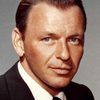
- Frank Sinatra was saved from drowning by his co-star Brad Dexter during a filming break, and the production went on as scheduled.
- At the wrap party for the Hawaiian shoot aboard Sinatra's yacht, Howie Young allegedly threw Sinatra overboard into the Pacific, dislodging Sinatra's toupée; Sinatra's associates beat Young and dumped him on a nearby beach.
- Toshiro Mifune signed on to the film, persuaded by Sinatra making Toho a partner on the production, but he ultimately did not appear in it.
- Sammy Cahn and Jimmy Van Heusen were initially commissioned to score the film, but Morris Stoloff, a friend of Sinatra's and music director at Reprise Records, recommended the then-emerging John Williams instead.
- The film was the first American-Japanese co-production to be shot in the United States, and it was Sinatra's only directing credit.
- Eiji Tsuburaya was personally enlisted by Frank Sinatra after he saw Tsuburaya's work on the disaster film The Last War (1961); Tsuburaya then flew to Hawaii, photographed the coastline and collected soil and foliage samples so his miniatures would match the landscape.
- The film is considered innovative for its early anti-war stance and its subtitled Japanese dialogue, and its balanced view of both sides influenced later films such as Beach Red (1967), Hell in the Pacific (1968) and Clint Eastwood's Letters from Iwo Jima (2006).