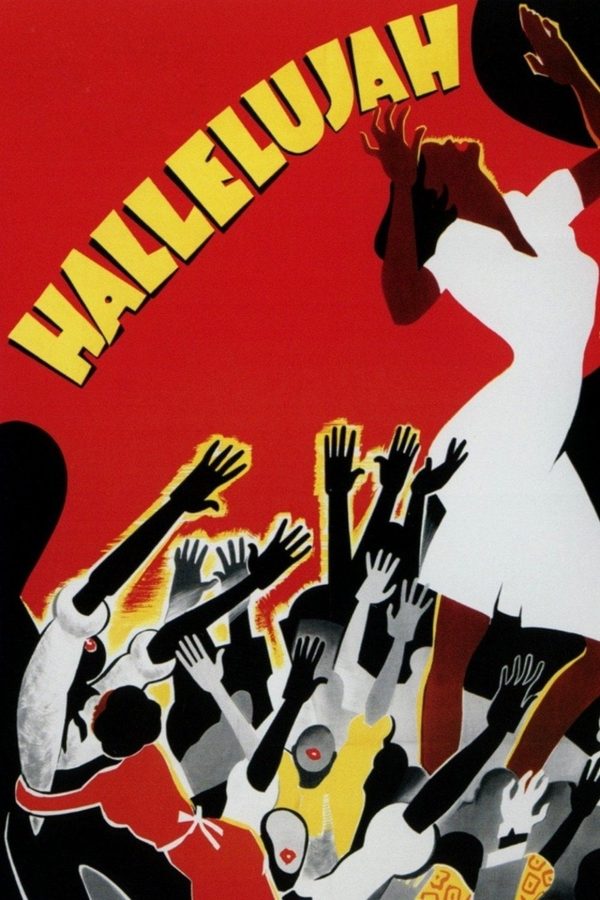
Trailer

Plot summary
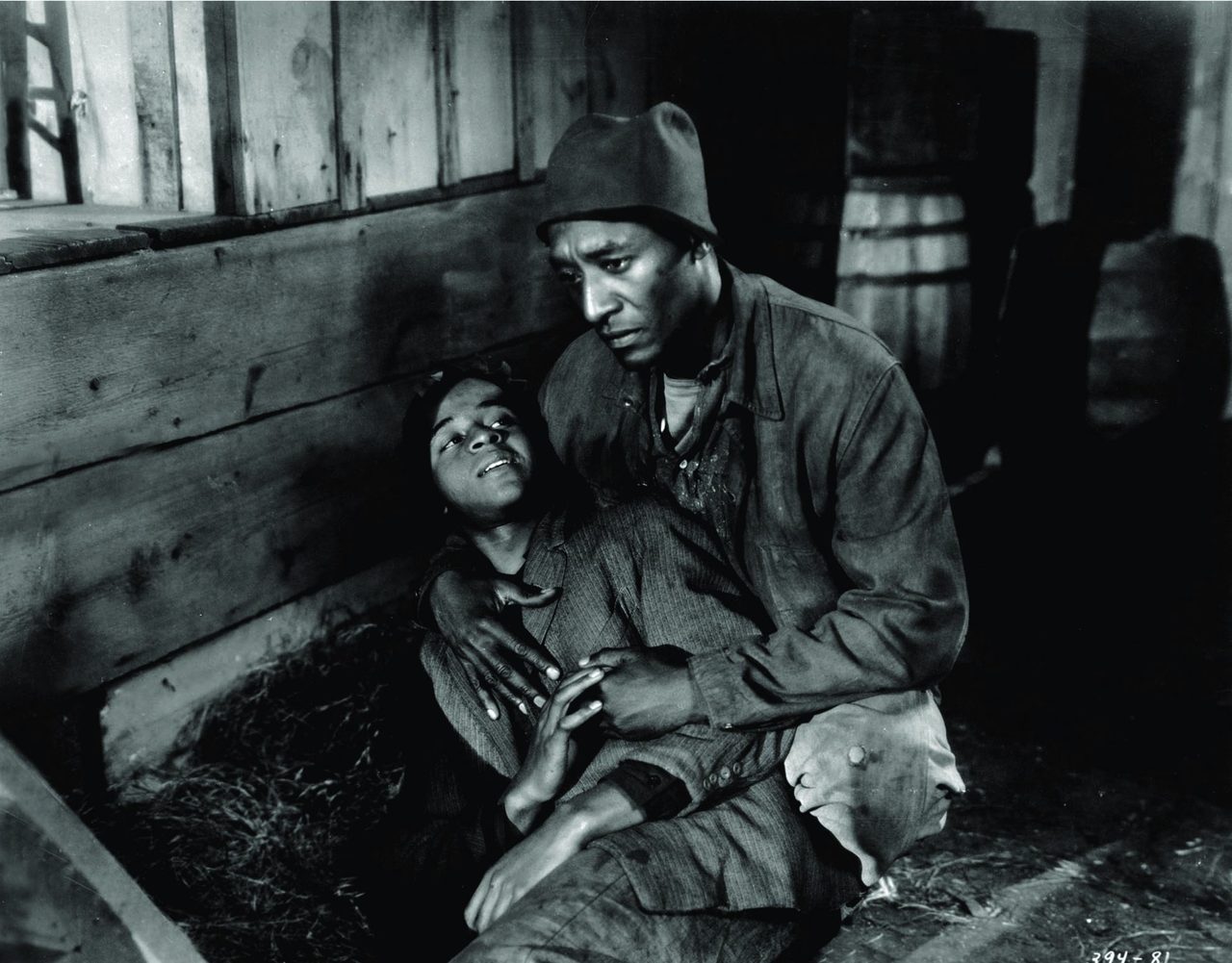
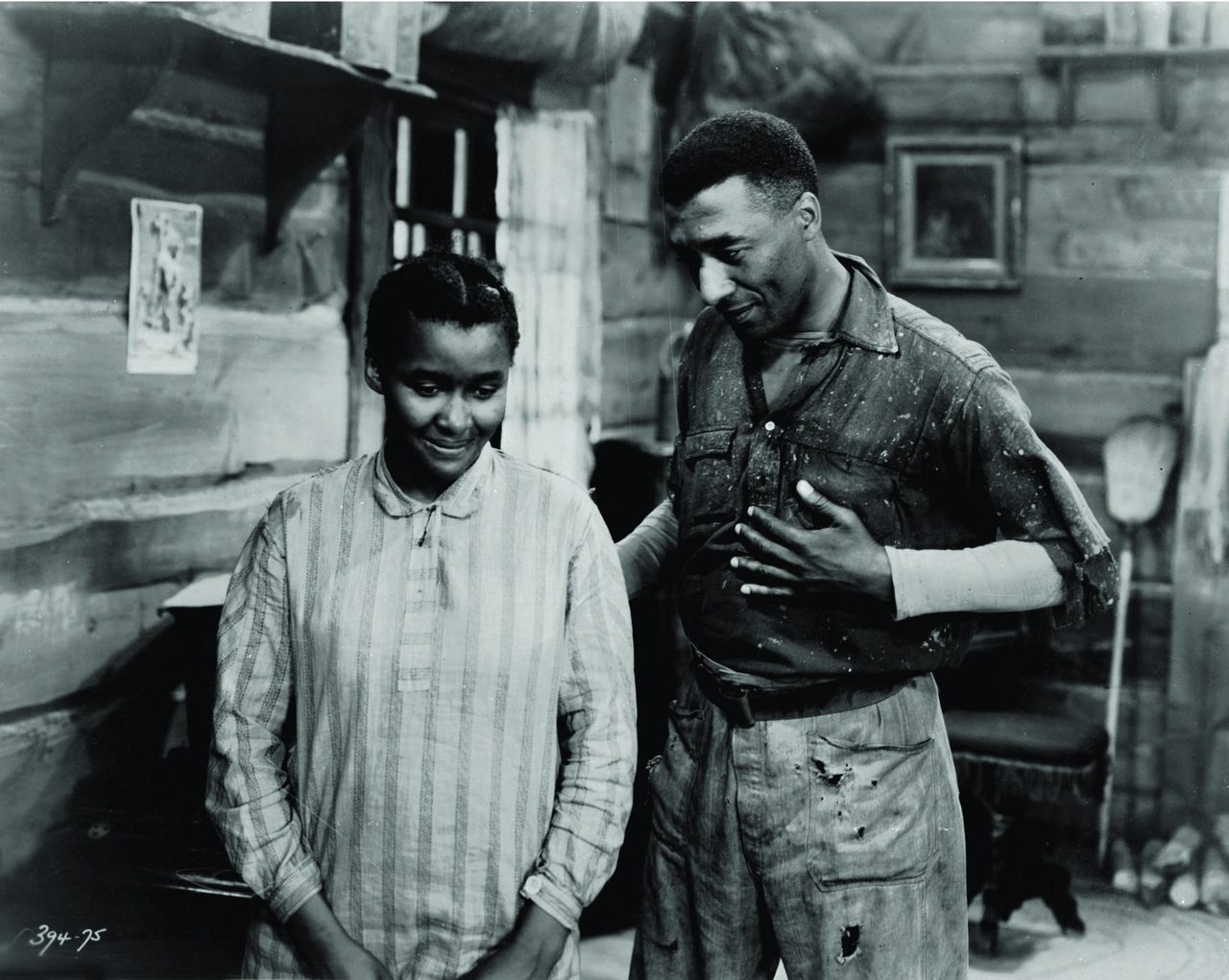
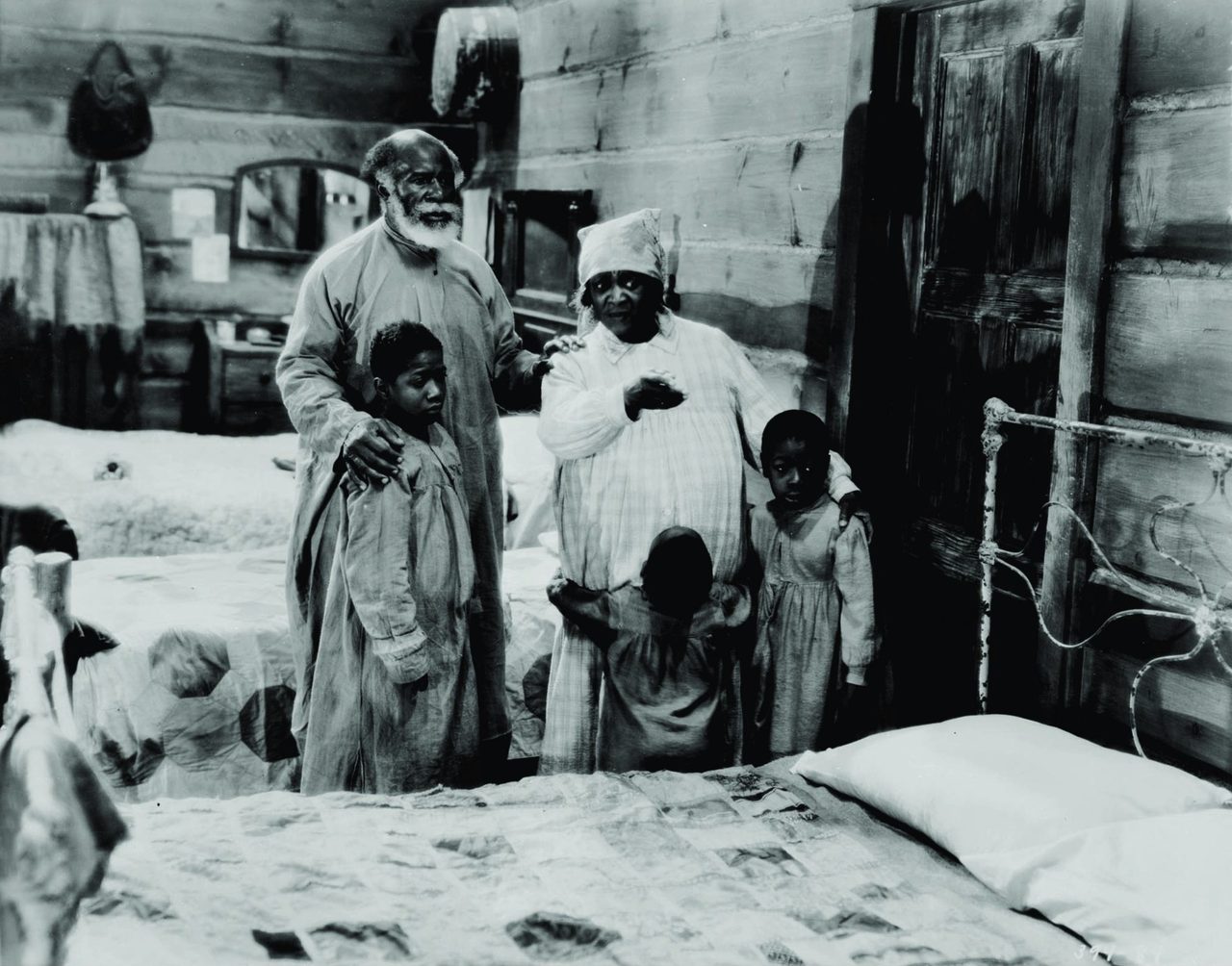
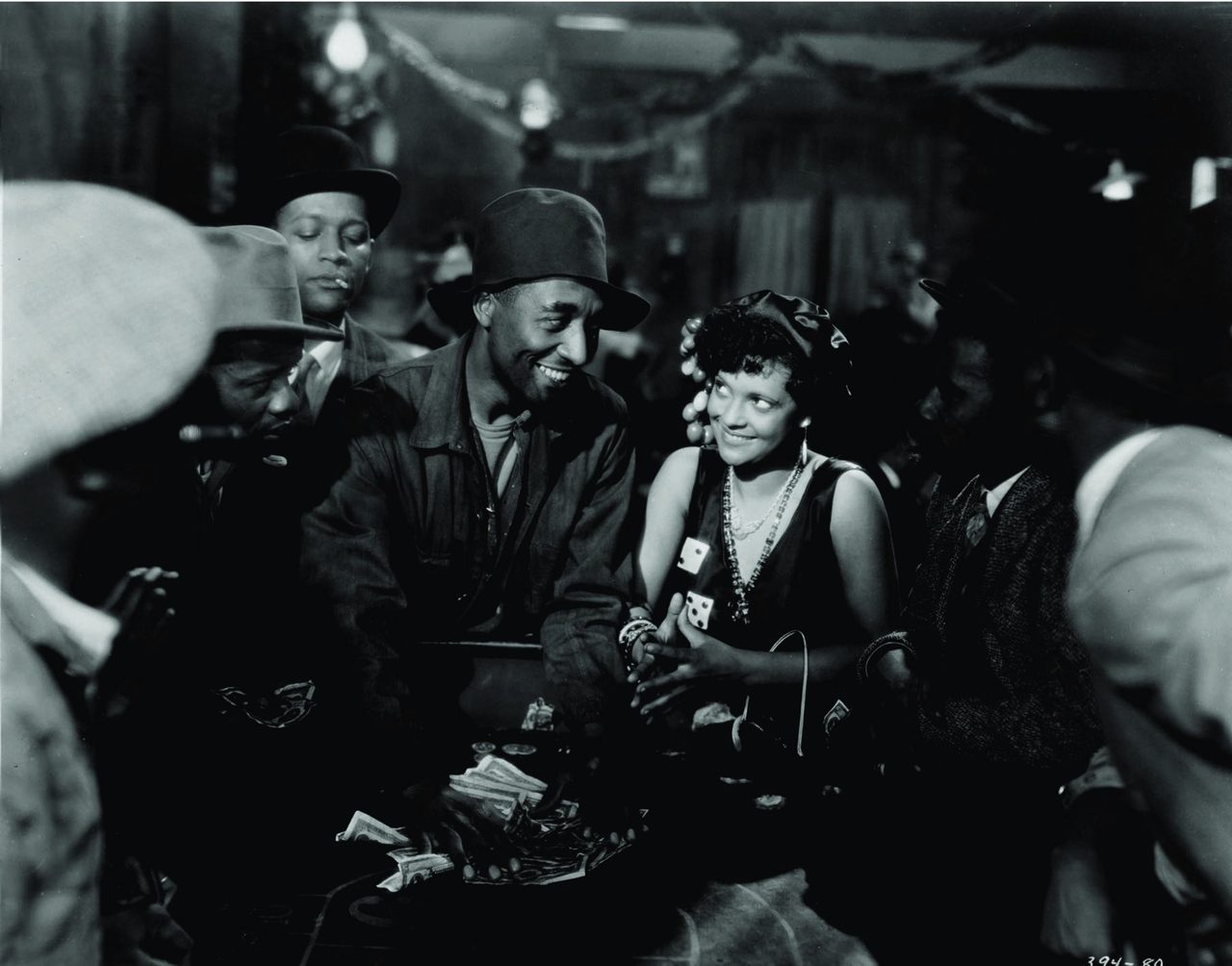
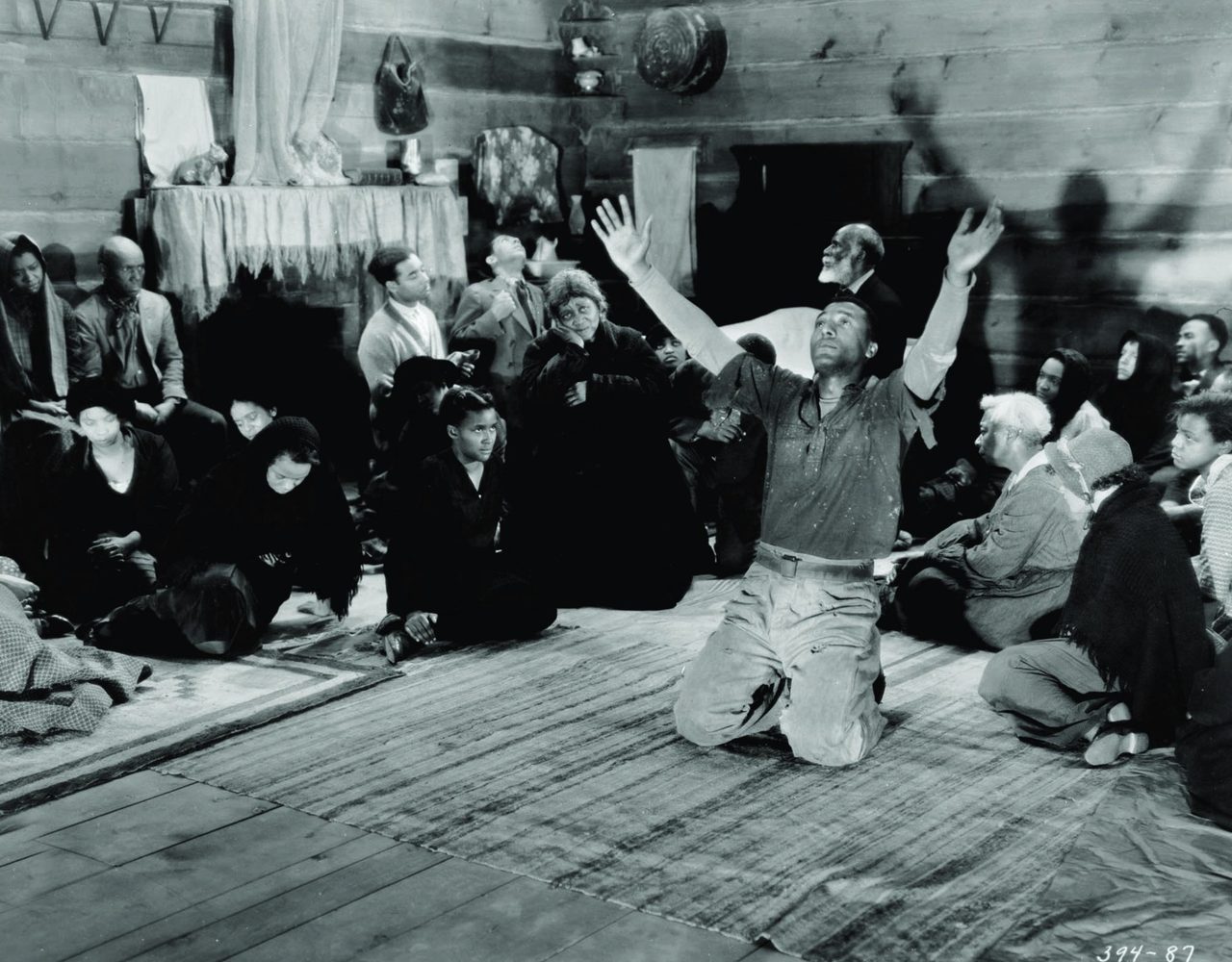
Zeke Johnson works a cotton farm in the South with his parents and the family of his brother Spunk, and their father preaches informally to the neighbors. After the harvest, Zeke and Spunk sell the crop in town for a hundred dollars. There Zeke meets Chick, a dancer, who takes him to a saloon and talks him into a craps game against the wealthy Hot Shot. Hot Shot plays with a loaded die, and Zeke loses the money. A gunfight follows, and Spunk is shot. Zeke goes away and comes back as Brother Zekiel, a traveling Baptist preacher whose revivals draw crowds. Chick comes to hear him preach.
Cast
- Harry Grayas Parson
- Fanny Belle DeKnightas Mammy
- Everett McGarrityas Spunk
- Victoria Spiveyas Missy Rose
- Milton Dickersonas Johnson Kid
- Robert Couchas Johnson Kid
- Walter Taitas Johnson Kid


Did you know?!Facts and trivia about Hallelujah (1929)
Can contain spoilers, watch the movie first.
- King Vidor got Hallelujah made at MGM by pitching it to studio president Nicholas Schenck as a film about African Americans' sexual deviance; Schenck told him, "Well, if you think like that, I'll let you make a picture about whores".
- MGM considered Hallelujah such a risky venture that the studio required director King Vidor to put his own salary into the production.
- Hallelujah's sympathetic rendering of a tale of sexual passion, redemption and revenge performed by black actors angered white exhibitors in the Deep South, and the film was banned entirely south of the Mason-Dixon line.
- Worried white audiences would stay away from its Black cast, exhibitors held two premieres, in Midtown Manhattan and in Harlem; Black people who came to the Midtown Manhattan showing were forced to sit in the balcony.
- Hallelujah was King Vidor's first sound film, and it mixed sound recorded on location with sound recorded afterwards in Hollywood.
- Nina Mae McKinney's portrayal of Chick influenced both black and white actresses with her version of a "rough nightlife heroine", among them Jean Harlow, a white star who also played brothel whores and prostitutes.
- Hallelujah was one of the first films with an all-African American cast produced by a major studio; the earlier distinction of Hollywood's first all-black cast musical belongs to Hearts in Dixie, which premiered several months before.
- King Vidor based Hallelujah on real incidents he witnessed as a child at home in the South, where he studied the music of the Black people around him and wondered at their "pent-up romance".