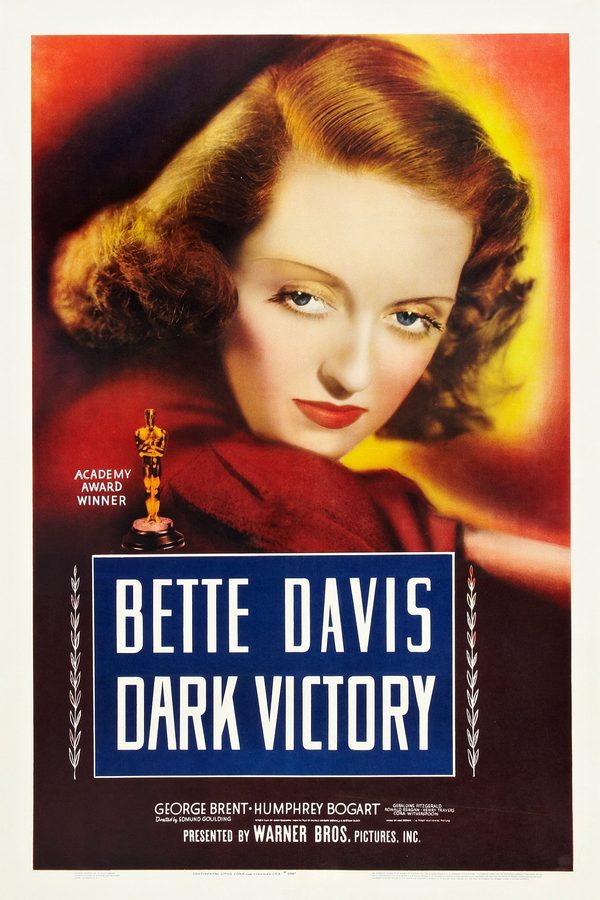
Dark Victory (1939) on Netflix
Approved19391h 44m
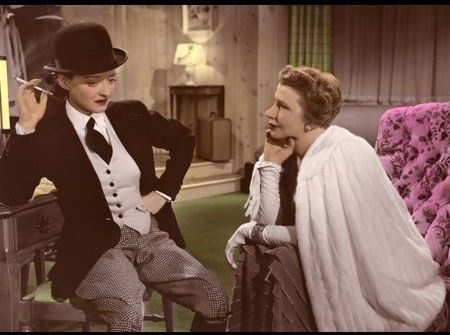
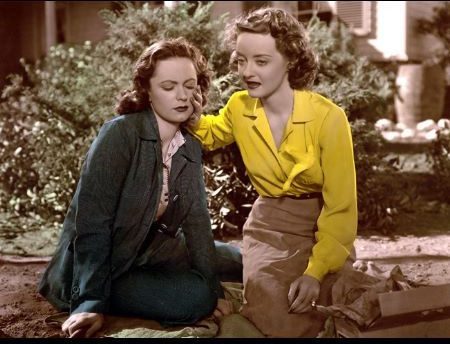
Judith Traherne, a wealthy Long Island socialite, ignores her headaches and spells of dizziness. After a fall from her horse, her companion Ann King urges her to see a doctor.
- Netflix3.7/5
- IMDb7.4/1013,604 votes
- Rotten Tomatoes85%
Trailer

Plot summary
Judith Traherne, called Judy, is a young Long Island heiress who spends her money on horses, fast cars, cigarettes and drink. She pays no attention to bad headaches, passing dizziness or double vision. A fall from her horse, then a tumble down the stairs, push Ann King, her secretary and closest friend, to insist she consult the family doctor, who sends her to a neurologist. That specialist, Dr. Frederick Steele, plans to shut his New York practice and move to Vermont to study how brain cells grow. He agrees to examine Judy, who is cold and hostile toward him. Her memory slips, but she brushes the lapses aside. He tells her the trouble is serious and may threaten her life, and sets his own plans aside to treat her.
Cast







Did you know?!Facts and trivia about Dark Victory (1939)
Can contain spoilers, watch the movie first.
- After the first few days of filming Dark Victory, Bette Davis begged producer Hal Wallis to release her from her contract, claiming she was too sick to continue. Wallis replied: "I've seen the rushes - stay sick!"
- David O. Selznick wanted Greta Garbo and Fredric March for the leads in 1935, but Garbo chose to star in Anna Karenina instead; in 1936 he offered the part to Merle Oberon, but contractual problems with Samuel Goldwyn prevented her from doing the film.
SPOILER
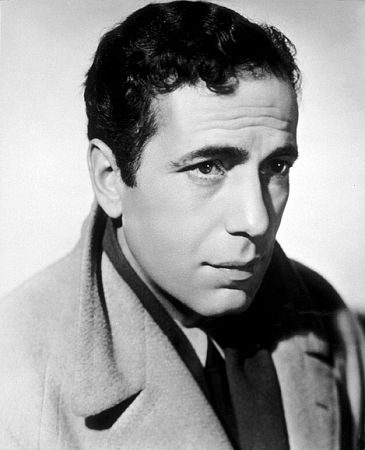
An alternate ending was cut after sneak preview audiences disliked it: it showed Judith's horse winning a race and her stablehand Michael, played by Bogart, crying after her death.- An article in Neurology credited Dark Victory with marking the beginnings of the depiction of neurologic disease in cinema, and called Bette Davis' portrayal of a young woman dying from a brain tumor close to the reality of denial, bargaining, a hope for a cure, and final acceptance.
- Dark Victory was Irish-born actress Geraldine Fitzgerald's first American film, after she had appeared in films made in England and on the Broadway stage.