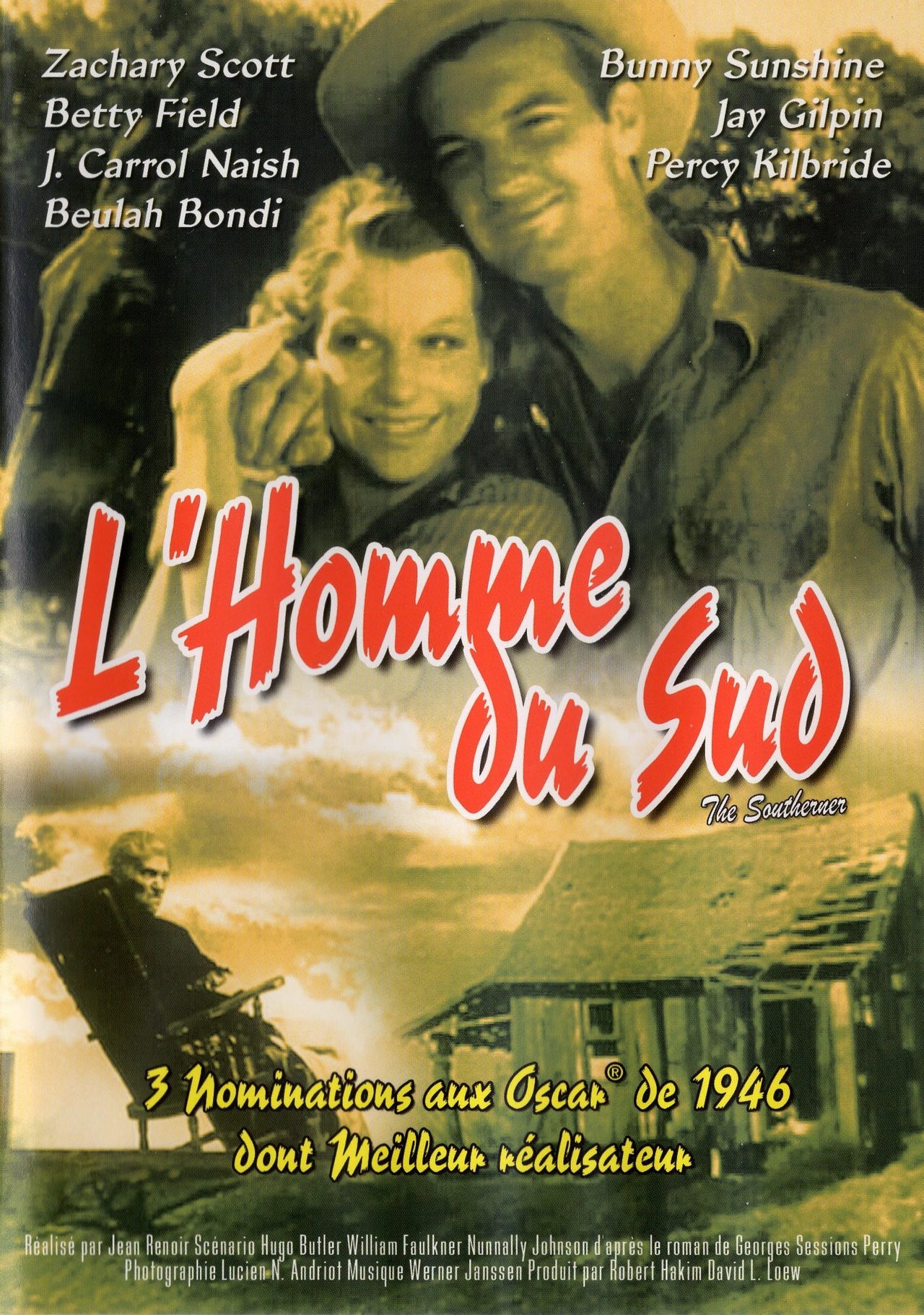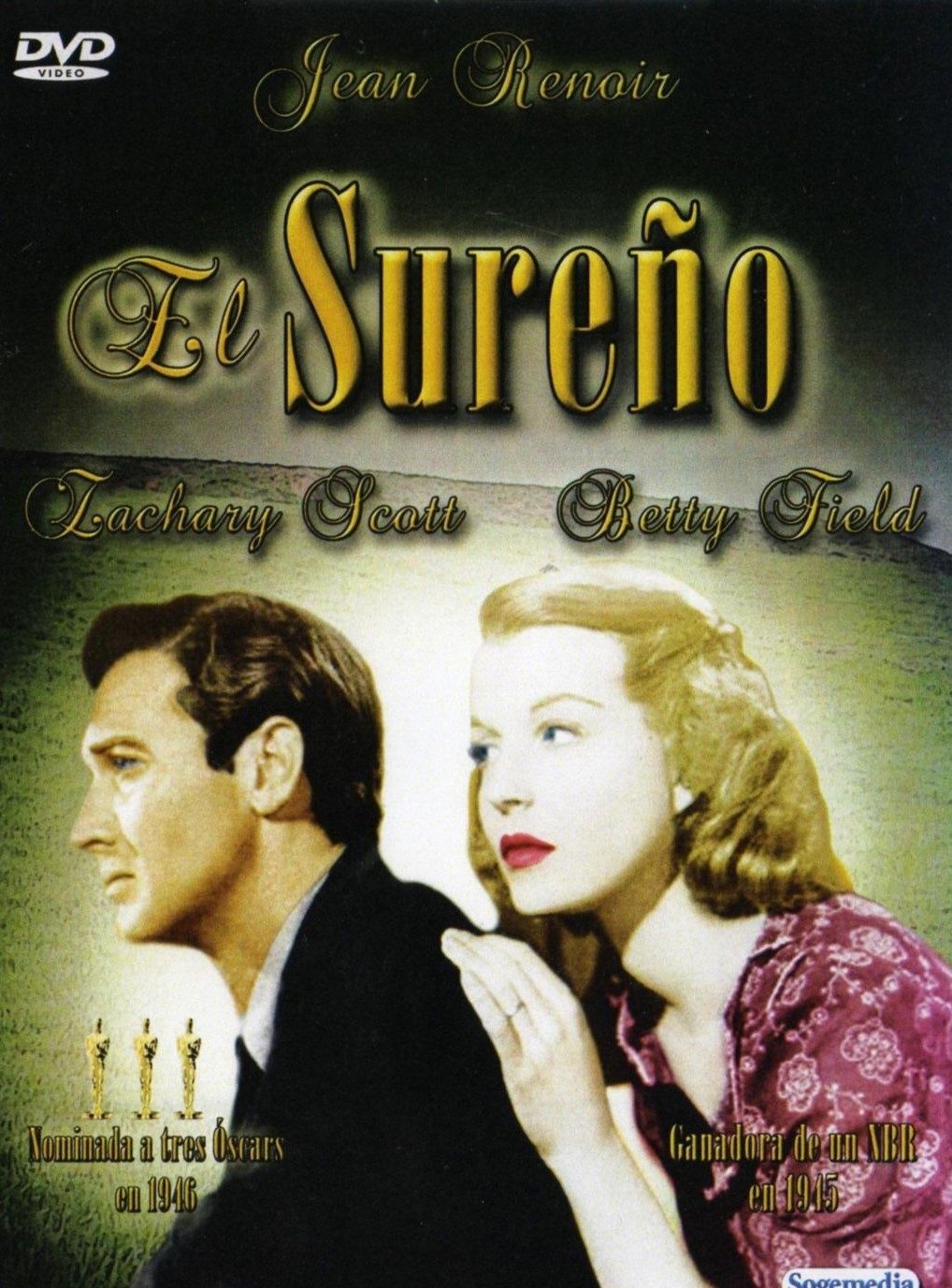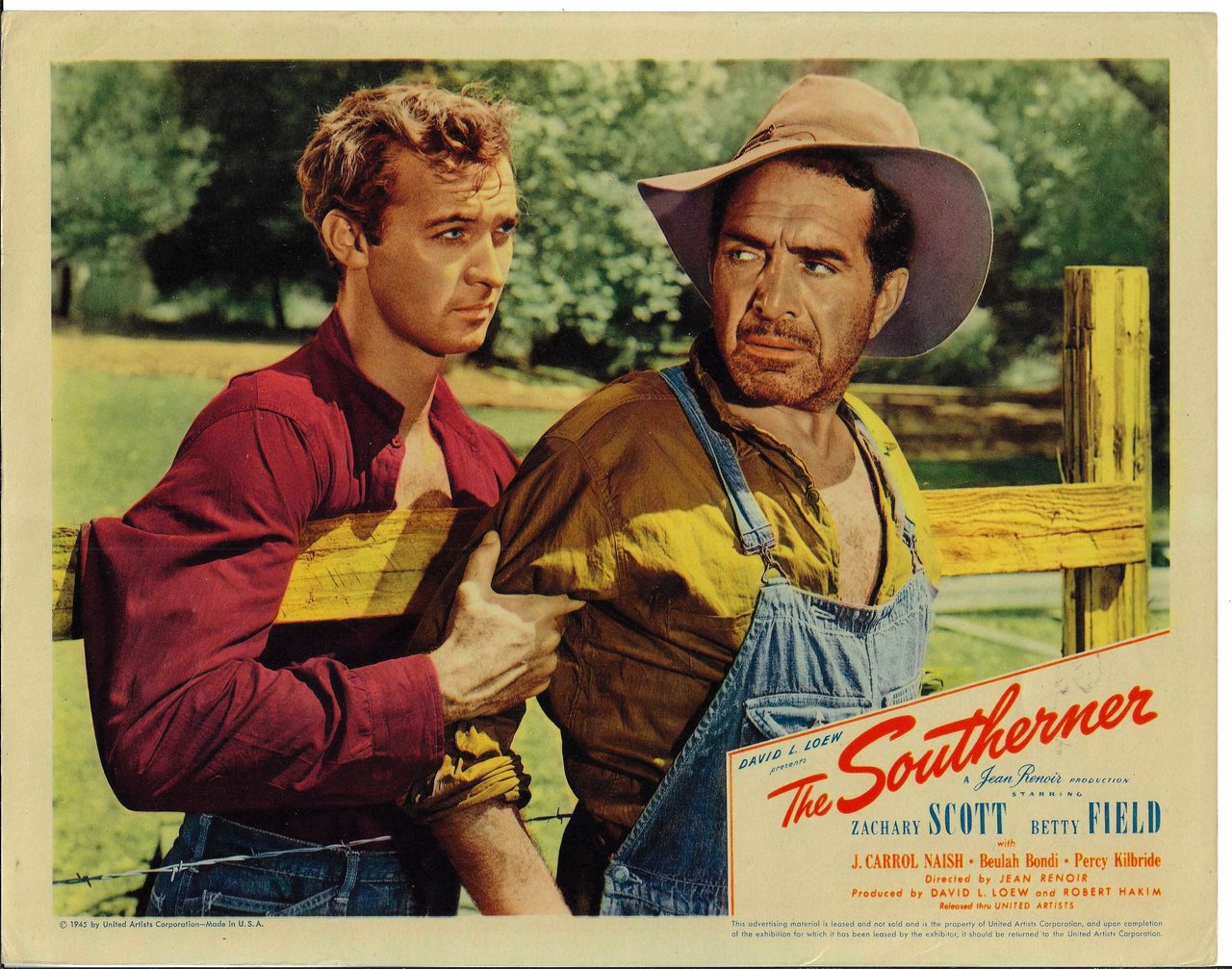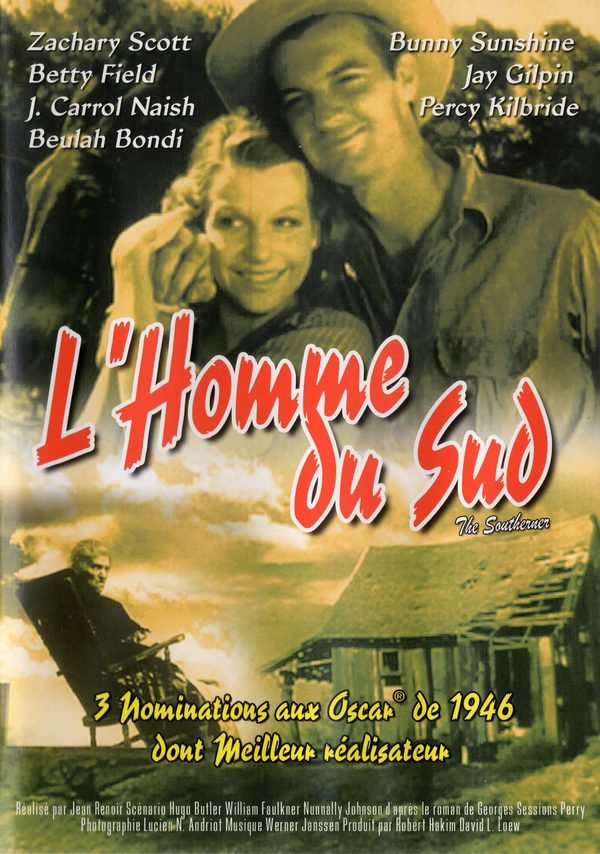
The Southerner (1945) on Netflix
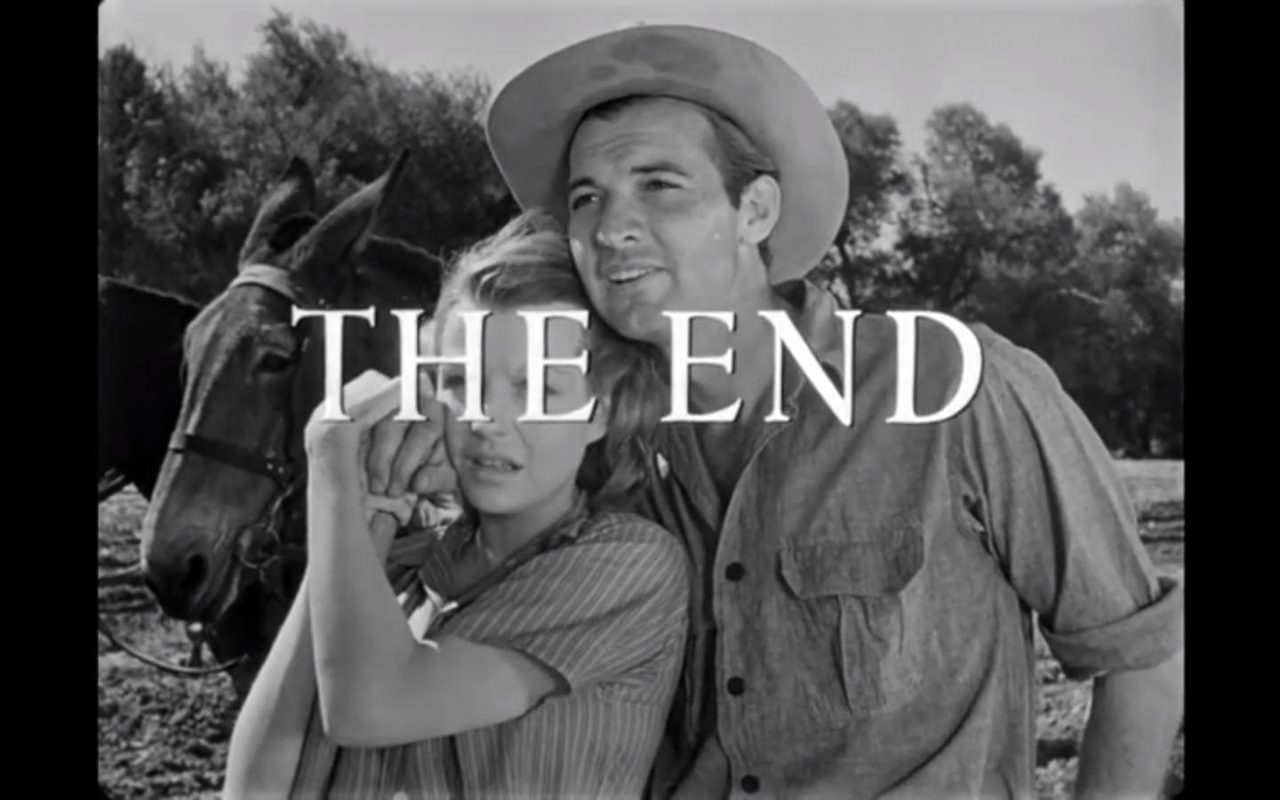
Sam Tucker picks cotton in Texas with his wife Nona and Uncle Pete. Pete urges him to work for himself, so Sam leases a tenant farm and plants his own crop.
- Netflix4.1/5
- IMDb7.1/104,374 votes
- Rotten Tomatoes93%
Trailer

Plot summary
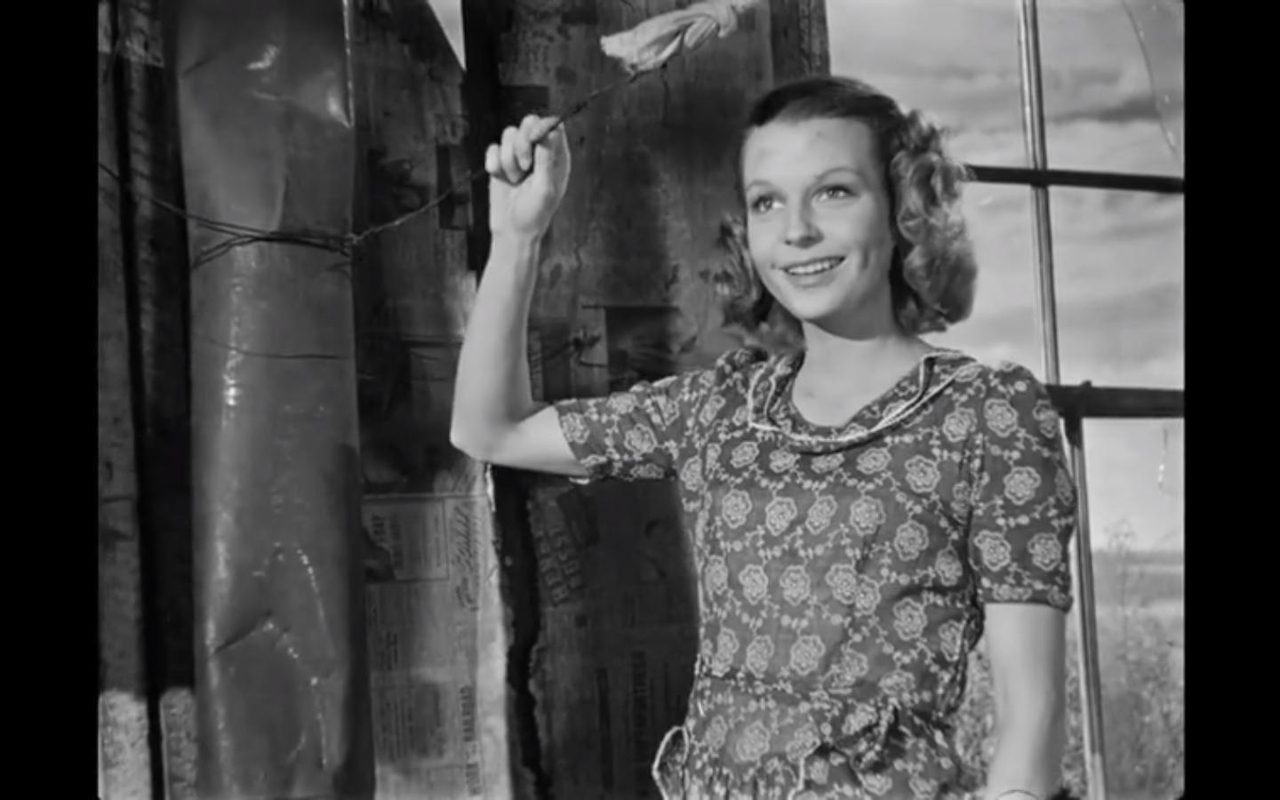
Uncle Pete, worn down by the heat in a Texas cotton field, urges his nephew Sam Tucker to work for himself. Sam, his wife Nona, their children Daisy and Jot, and Granny leave the migrant camp for a vacant 68-acre tenant farm with two mules, a second-hand plow, seed and fertilizer, a decaying shack and a dry well. Needing drinking water, Sam asks a neighboring farmer, Henry Devers, to share his well. The family nearly freezes and starves through its first winter on small game; in spring Jot falls ill, and the doctor says the boy needs vegetables, fruit and milk. Sam's friend Tim offers him a factory job at seven dollars a day, and Sam turns it down. Help arrives when storekeeper Harmie and Tim bring a milk cow that Daisy names Uncle Walter.
Cast


Did you know?!Facts and trivia about The Southerner (1945)
Can contain spoilers, watch the movie first.
- The Southerner was banned in Tennessee by Lloyd T. Binford, head of the Memphis Board of Censors, who called it a "slur against Southern farmers"; the Ku Klux Klan also condemned Jean Renoir's film and urged boycotts of it across the South.
- Joel McCrea and his wife Frances Dee were set to play Sam and Nona Tucker but left the film in pre-production over McCrea's dissatisfaction with the script and "creative differences" with Jean Renoir; Zachary Scott and Betty Field took the roles, and Scott's Texas birth helped him prepare.
- The Southerner's flood was created with water supplied from the Friant Dam and filmed on the spot where Millerton Lake now stands.
- The backlash was not one-sided: the United Daughters of the Confederacy endorsed The Southerner and praised its lead characters for showing the South's "courage, stout-heartedness and love of our land".
- The Southerner was the first of Jean Renoir's independent Hollywood productions, one of six films he directed while living in the United States in the 1940s.