The Cove (2009) on Netflix
PG-1320091h 32mBiographyCrimeDocumentary
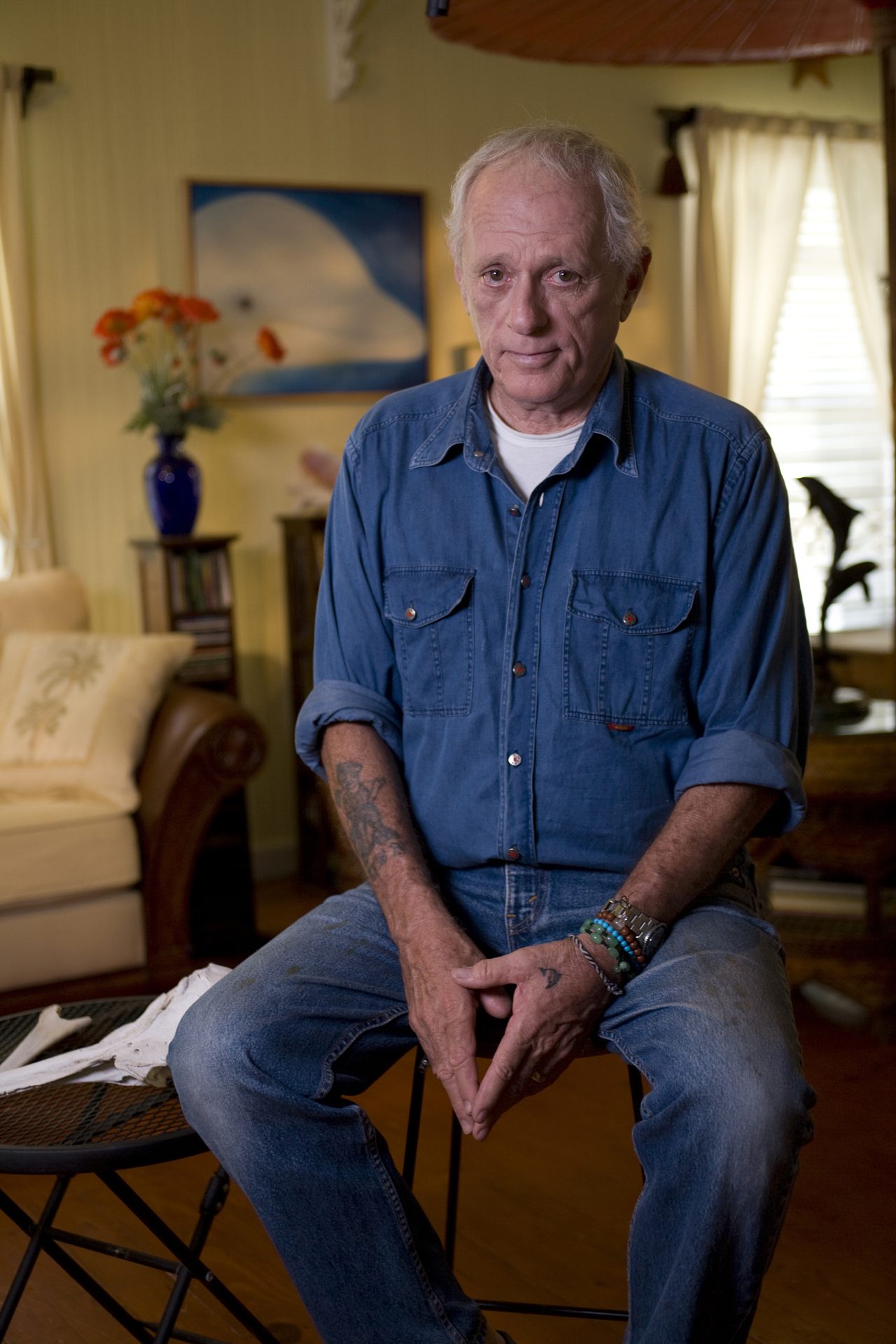
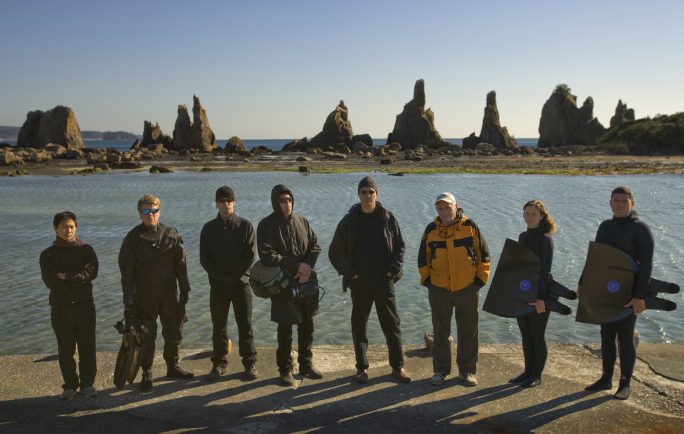
Ric O'Barry captured and trained the dolphins that played Flipper. An advocate against captivity, he joins a team in Taiji, Japan, trying to film a guarded cove where fishermen hunt dolphins.
- Netflix3.3/5
- IMDb8.4/1052,870 votes
- Rotten Tomatoes95%
Trailer

Plot summary
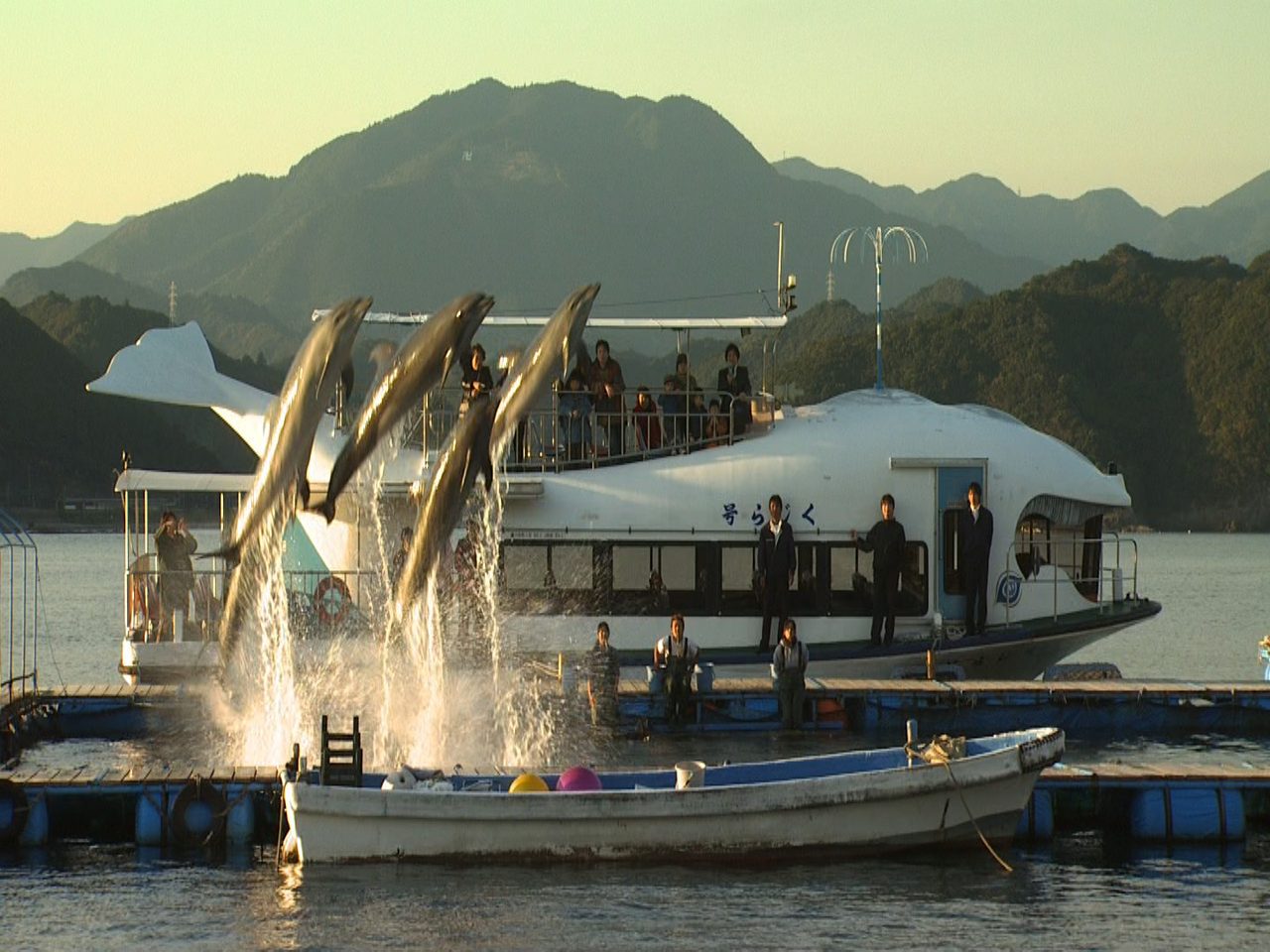
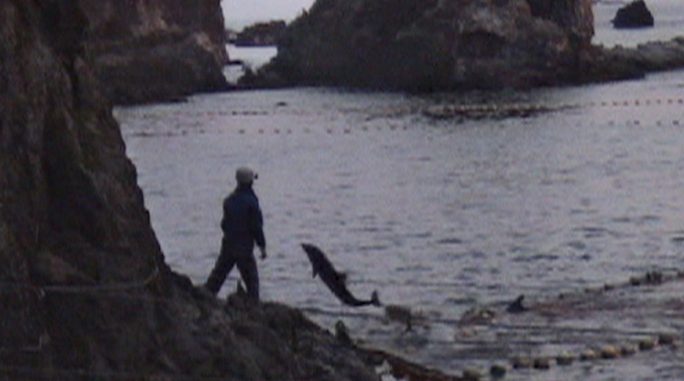
Five wild dolphins shared the role of Flipper on television in the 1960s, and Ric O'Barry helped capture and train them. The show helped make dolphins popular and led to marine parks built around them. He came to oppose keeping the animals in captivity and now campaigns for dolphins in the wild. That campaign brings him to Taiji, Wakayama, a Japanese town that appears devoted to the dolphins and whales off its coast. There, fishermen drive dolphin herds into a cove closed off by fences and Keep Out signs, selling some animals to aquariums and marine parks and killing others for meat sold around Japan, while authorities and police keep outside visitors from watching. O'Barry and a small crew set out to film inside the cove.
Cast


Did you know?!Facts and trivia about The Cove (2009)
Can contain spoilers, watch the movie first.
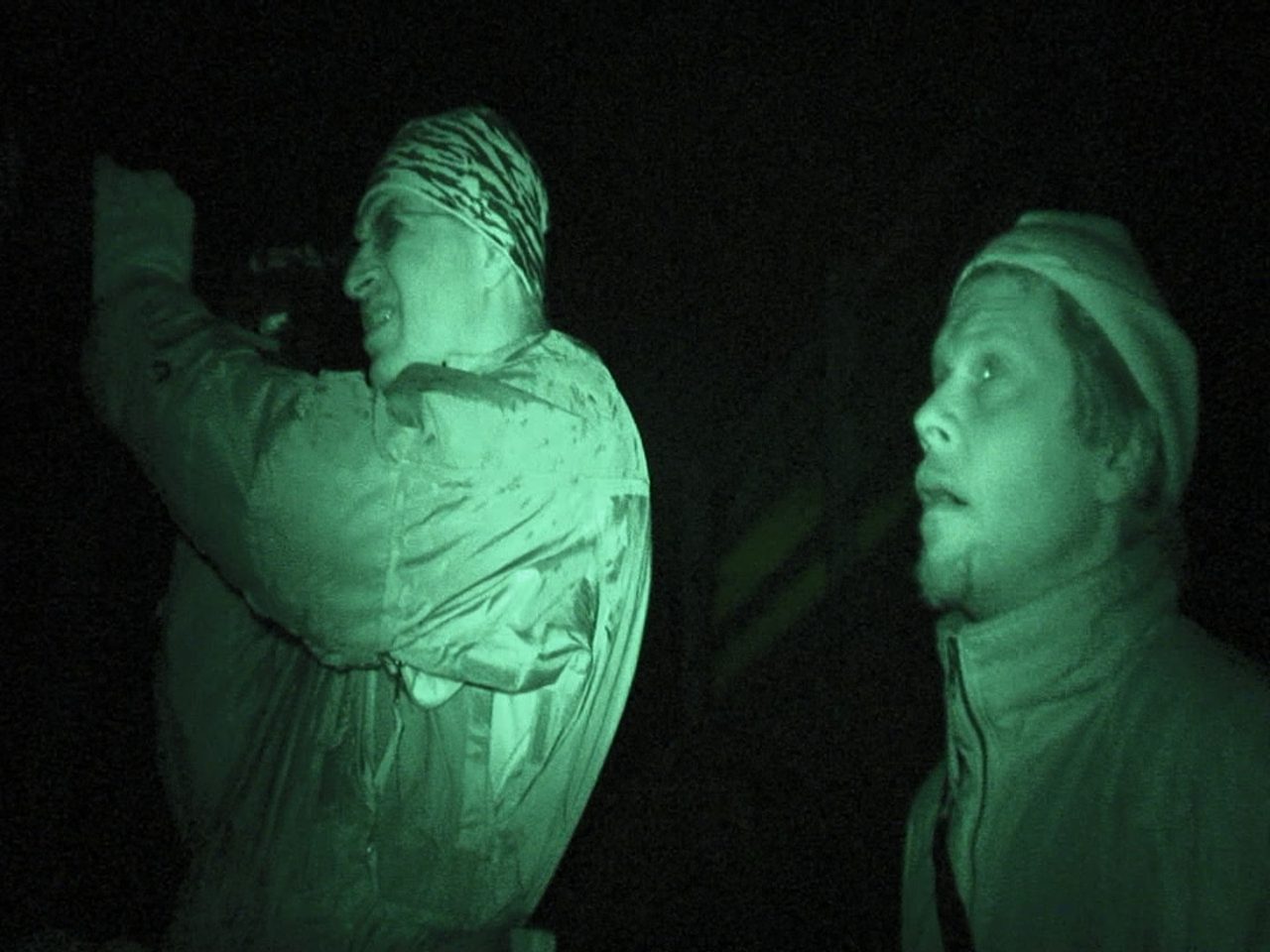
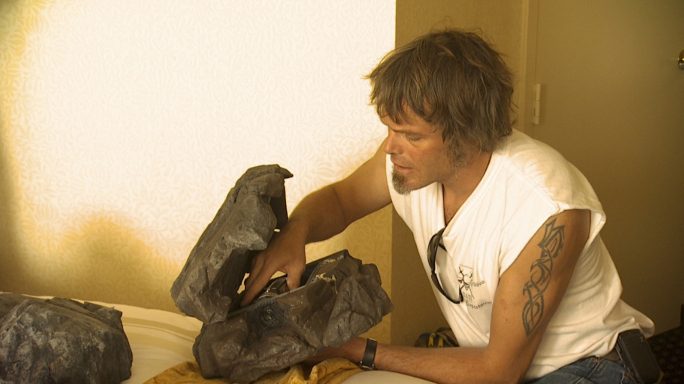
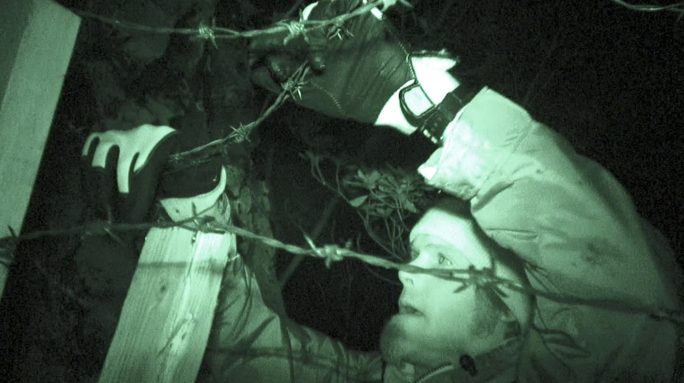
- To film secretly inside the cove, the crew used high-definition cameras camouflaged as rocks that were hidden so well director Louie Psihoyos said the crew struggled to find them again; a military thermal camera and night-vision cameras were also used.
- When The Cove won the Academy Award for Best Documentary on March 7, 2010, ABC cameras abruptly cut away to the crowd as Ric O'Barry raised a banner reading "Text DOLPHIN to 44144"; TV Guide called it the "Fastest Cutaway."
- After the film came out, many more activists, mostly non-Japanese, started coming to Taiji to protest or film the dolphin hunts. The Taiji fishermen answered by putting up a complex tarp structure to hide the drive hunts in and around the cove.
- In August 2009, after The Cove screened at festivals in Sydney, Melbourne and Brisbane, councillors in Broome, Western Australia, voted unanimously to suspend the town's sister city link with Taiji, Japan, while its dolphin slaughter went on. That October the decision was reversed.
- Tetsuya Endō, a Health Sciences University of Hokkaido associate professor interviewed in the film, said the filmmakers approached him under false pretenses and that the meat sample showing 2000 ppm of mercury was dolphin liver, which Taiji's fishermen's union had banned from sale in 2003 at his prompting; he sued the Japanese rights-holder and distributor for ¥11 million.
- In April 2010, Colonel Frank Eppich, the United States Air Force commander of Yokota Air Base near Tokyo, banned screenings of The Cove at the base theater; a spokesman said showing it there could be seen as an endorsement, and Louie Psihoyos responded by offering 100 DVD copies to base personnel.
- A June 26, 2010 screening at Theater N in Shibuya was called off after protesters harassed staff. A Tokyo theater and one in Osaka then refused to show the film, and 61 media figures, among them journalist Akihiro Ōtani and filmmaker Yoichi Sai, warned about a threat to free speech.
Stills
Similar movies