Paradise: Love (2012) on Netflix
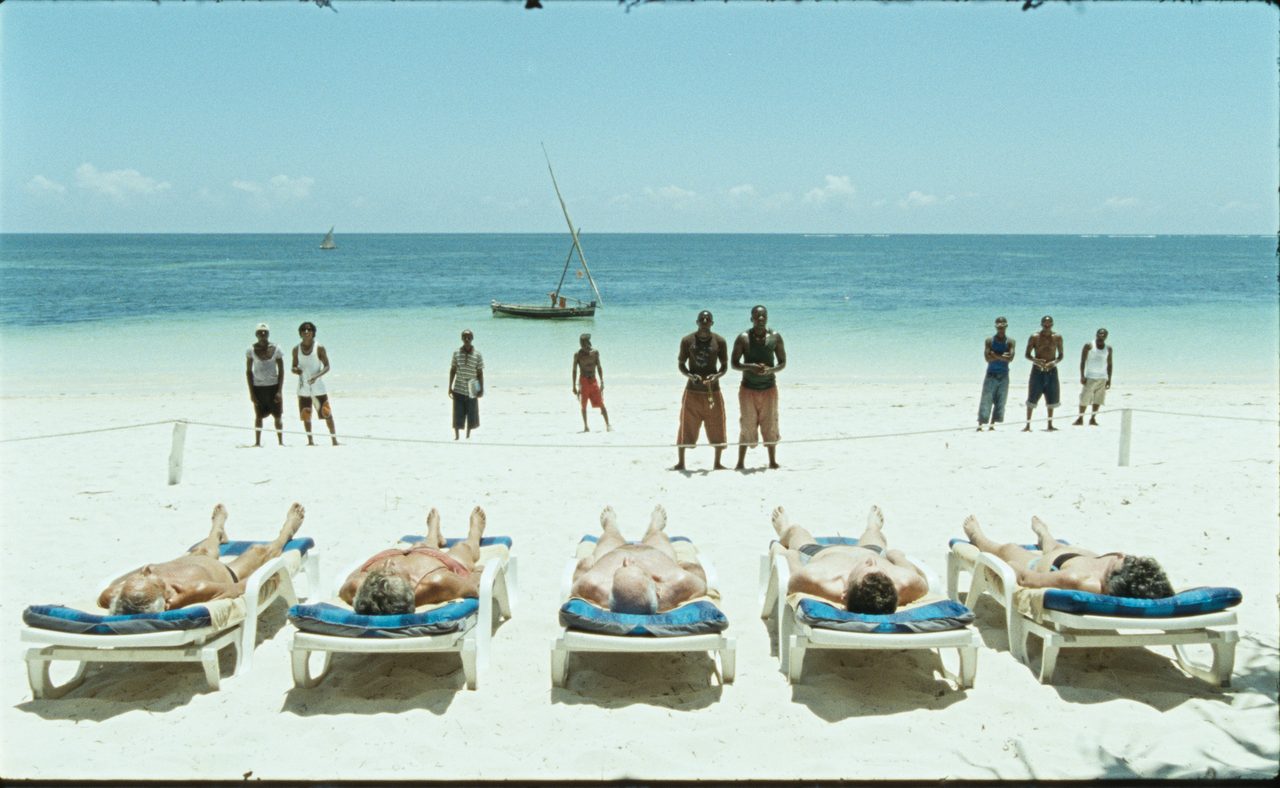
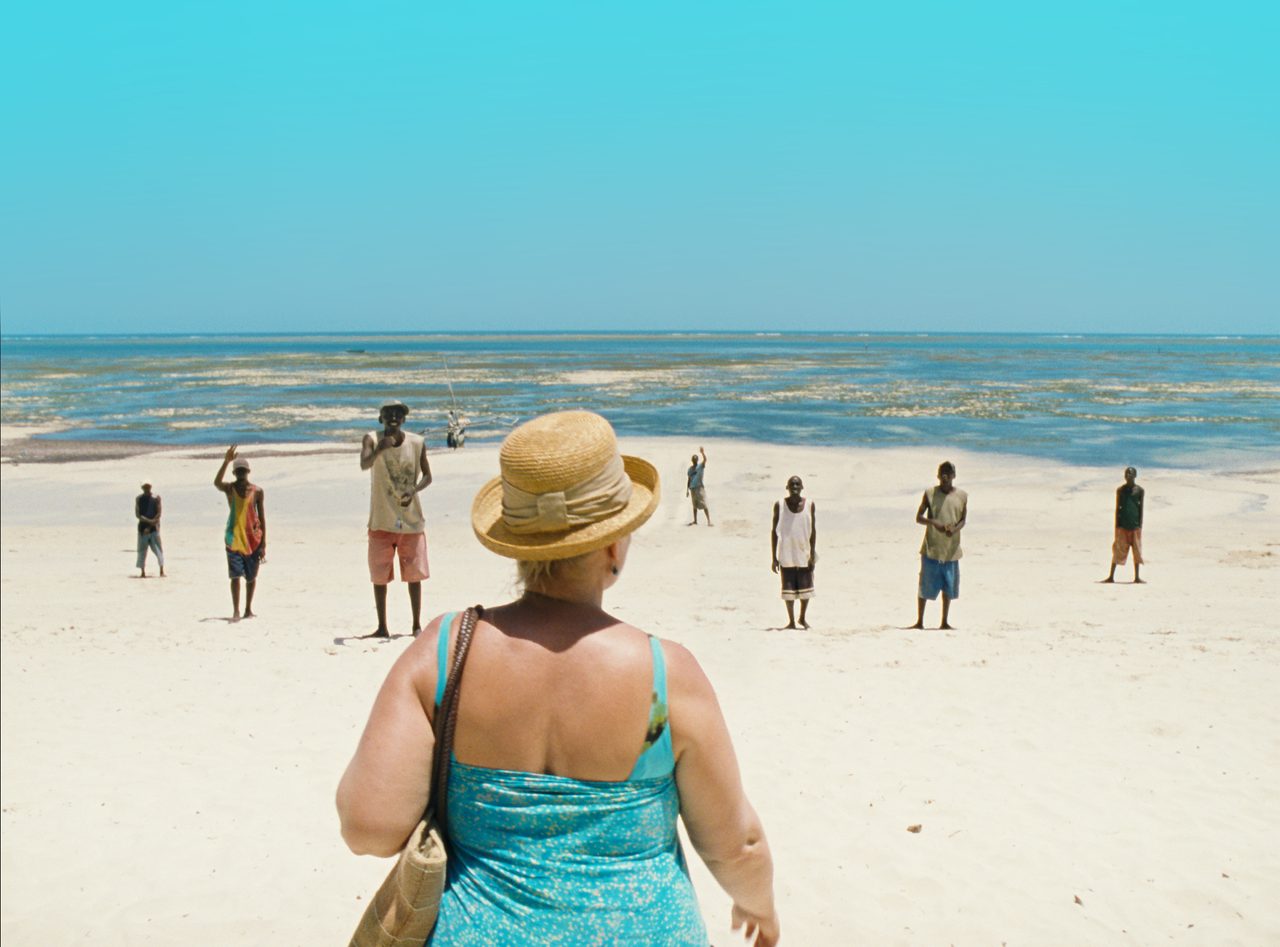
Teresa, fifty, an Austrian mother whose daughter is entering puberty, travels to a beach resort in Kenya. Middle-aged European women are courted by young local men who sell their company.
- Netflix2.6/5
- IMDb7.0/1010,964 votes
- Rotten Tomatoes78%
Trailer

Plot summary
Teresa, an Austrian woman of fifty whose daughter is entering puberty, takes a holiday at a beach resort in Kenya, where European women meet young local men. Other middle-aged guests at the hotel encourage her to enjoy their company; the men say they love her from the moment they meet. She questions whether the attention is real and frets about her age, her weight and her appearance. Calls home to her daughter go unanswered, and the messages she leaves asking the girl to ring on her birthday are never returned. The men who court her are after her money.
Cast

- Peter Kazunguas Munga


- Helen Brugatas Urlaubsfreundinnen
- Carlos Mkutanoas Salama (as Carlos Mukutani)
- Gabriel Mwaruaas Gabriel (as Gabriel Nguma Mwaruwa)
- Josphat Hamisias Josphat
- Anderson Mutisyaas Stripper




Did you know?!Facts and trivia about Paradise: Love (2012)
Can contain spoilers, watch the movie first.
- Ulrich Seidl shot the three Paradise stories as one project; after a year and a half of editing, his cut ran five and a half hours and he felt the three stories weakened each other, so the decision was taken to split it into three separate films.
- Seidl could not choose between the two final candidates for the male lead, so he began filming with both and changed the story as it played out, and he rewrote the lead from an experienced sex tourist into a first-timer in Kenya because it seemed more credible.
- The screenplay had no scripted lines, only instructions on what information each scene should contain, and it was reworked during shooting; scenes were filmed chronologically so unexpected turns were possible and the ending could stay open.