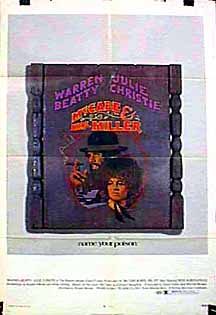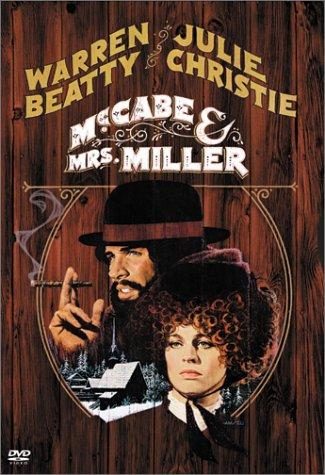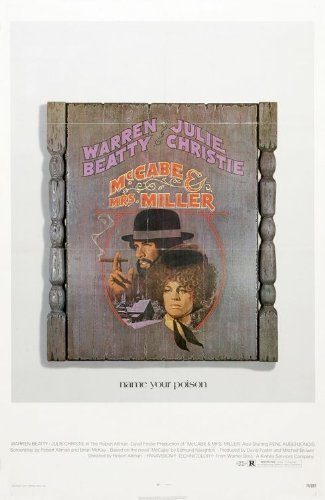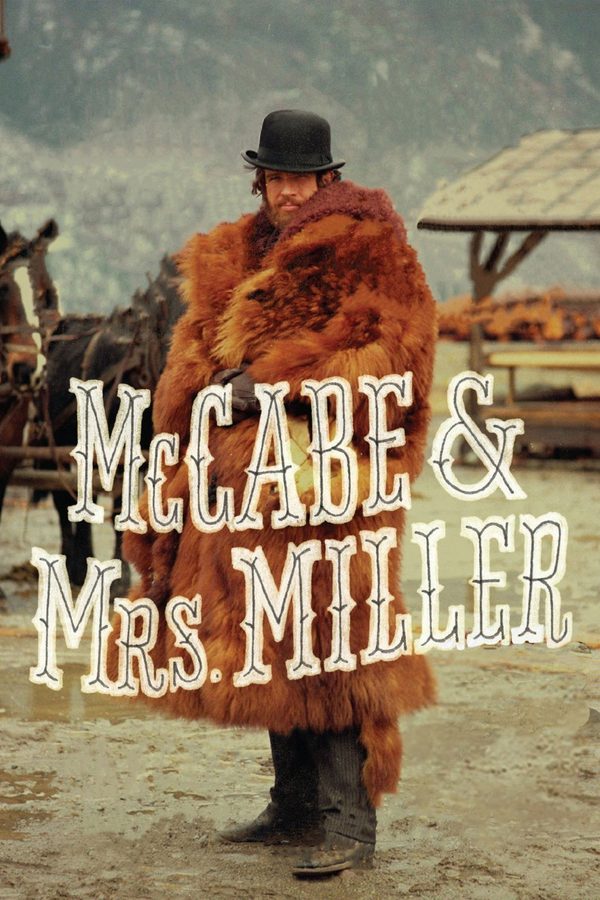
McCabe & Mrs. Miller (1971) on Netflix
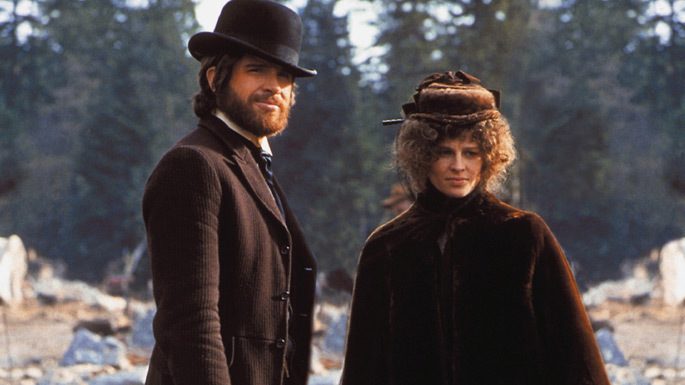
A gambler, John McCabe, rides into the mining town of Presbyterian Church, where rumors call him a gunfighter. A British madam, Constance Miller, persuades him to let her run his brothel.
- Netflix3.4/5
- IMDb7.6/1030,780 votes
- Rotten Tomatoes84%
Trailer
Plot summary
In 1902, a gambler named John McCabe rides into Presbyterian Church, a boomtown in the mountains of Washington, and takes a dominant position among the town's inhabitants. Persistent rumors hold that he is a notorious gunfighter. He uses his gambling money to open a brothel and a bathhouse, buying three sex workers from a pimp to staff the brothel. Constance Miller, a British madam, arrives and proposes that she manage the house to her own standards in an even partnership with him. McCabe agrees, and the business grows into the largest in town. When the town becomes richer, representatives of the Harrison Shaughnessy Mining Company, which is based in Bearpaw, come to buy his holdings.
Cast











Did you know?!Facts and trivia about McCabe & Mrs. Miller (1971)
Can contain spoilers, watch the movie first.
- Altman offered the lead to Elliott Gould, who turned it down to make I Love My Wife. "Bob said, 'You're making the mistake of your life'," Gould remembered.
- The film was originally called The Presbyterian Church Wager. Altman reported that an official in the Presbyterian Church called Warner Bros. to complain about having its church mentioned in a film about brothels and gambling; the complaint prompted a name change to John Mac Cabe, but it was released as McCabe & Mrs. Miller.
- Mrs. Miller is brought into town on a J. I. Case 80 HP steam engine from 1912; the steam engine is genuine and functioning, and the crew used it to power the lumbermill after its arrival.
- Carpenters for the film were locals and young men from the United States fleeing conscription into the Vietnam War; they were dressed in period costume and used tools of the period, so that they could go about their business in the background while the plot advanced in the foreground.
- It began snowing near the end of shooting. Beatty did not want to start shooting in the snow, as to preserve continuity the rest of the film would then have to be shot in snow, which was financially risky; Altman countered that those were the only scenes left, so there was nothing else to do.
- For a distinctive look, Altman and Zsigmond chose to "flash" (pre-fog) the film negative before its exposure, as well as use a number of filters on the cameras, rather than manipulate the film in post-production; in this way the studio could not force them to change the film's look to something less distinctive.
- Altman did not expect to get Cohen's music, as McCabe was a Warner Brothers film and Cohen's album was on Columbia Records. He called Cohen expecting to trade off M*A*S*H, but Cohen had no knowledge of it and instead loved Brewster McCloud; he had the music licensed cheaply, with some later album royalties written back to Altman.