Directed by John Ford (1971) on Netflix
NR19711h 50mDocumentary
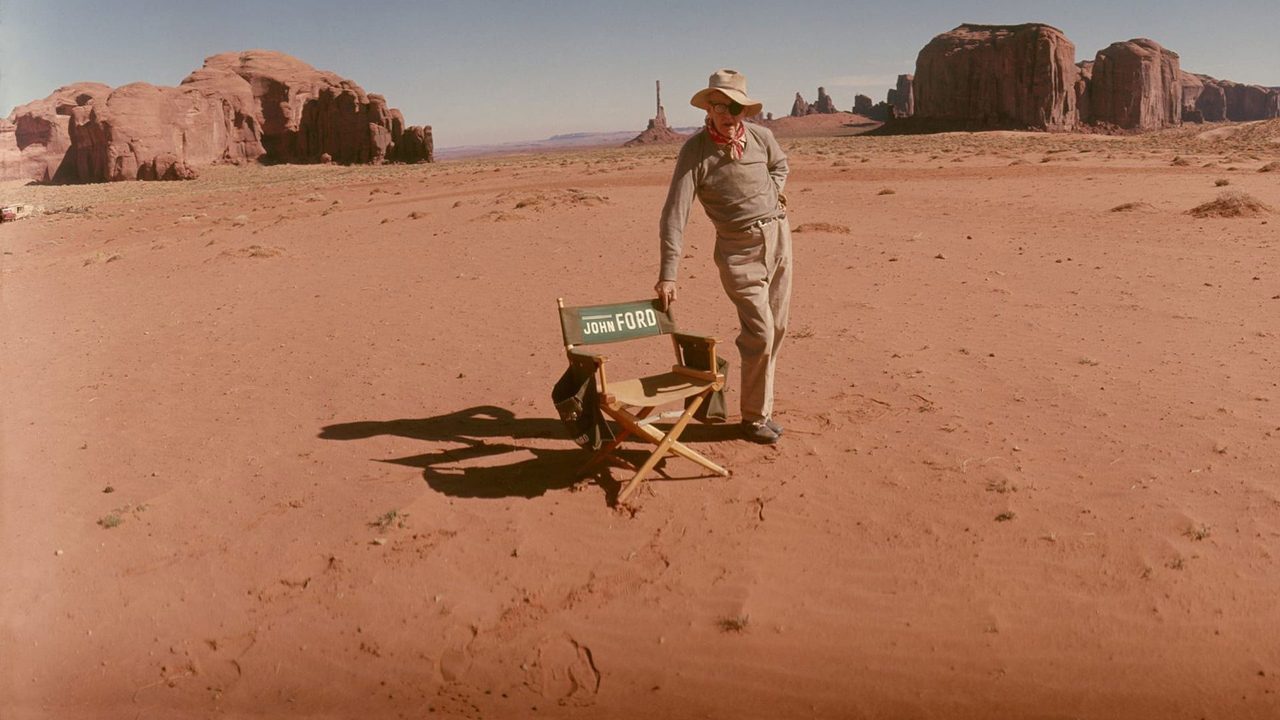
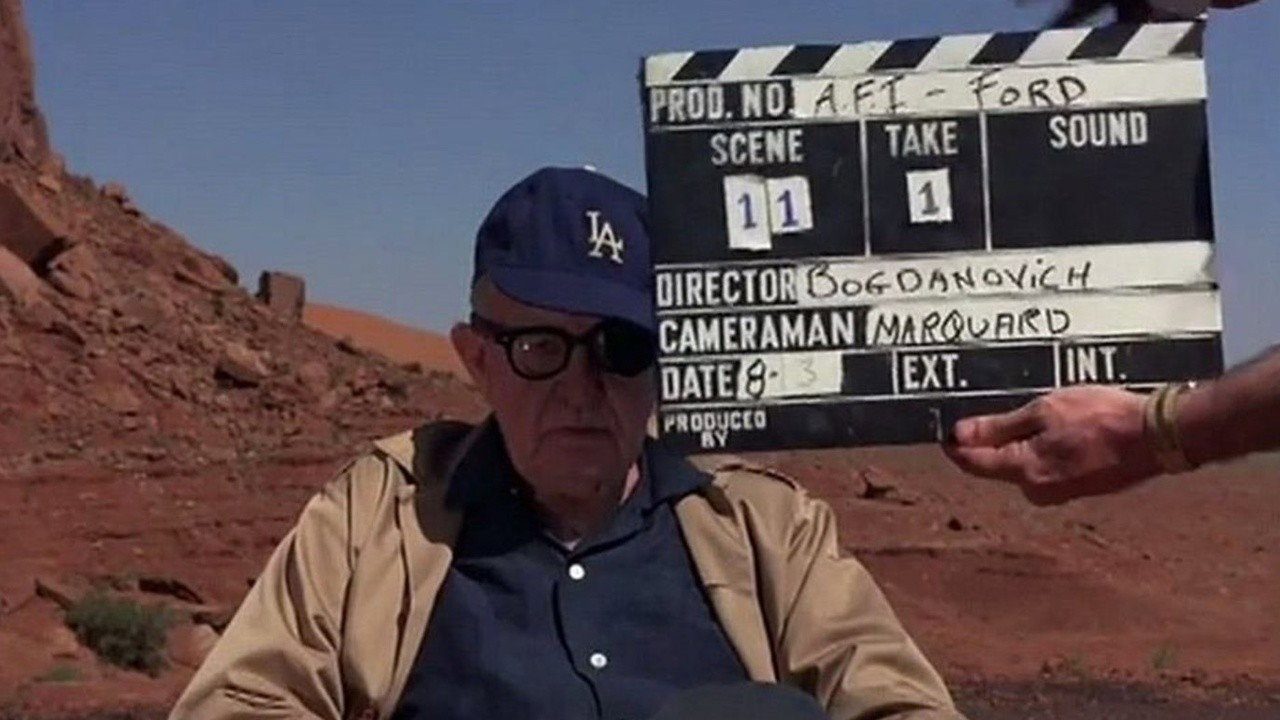
A documentary about John Ford's life and career, drawn from his pictures and from interviews with actors and directors. Ford sits for questions in Monument Valley, giving single-word answers.
- Watch on NetflixThis title is not on Netflix right now. Please check back later for updates.
- Watch on NordVPN
- Netflix3.9/5
- IMDb7.7/101,417 votes
- Rotten TomatoesNot available
Trailer
Plot summary
The portrait of John Ford is built from scenes out of his pictures and from interviews with actors and directors. Ford himself sits for a conversation in Monument Valley, a location he had used in his own films, where his interviewers are seated at his bad ear and he replies in monosyllables. The American Film Institute ran out of money during production and the rights to the film clips could not be purchased, so the film played only at non-profit venues, free festival screenings and a public television fundraiser, and was rarely seen afterward. A re-edited version, aired on television in November 2006, adds new interviews and a franker treatment of Ford's personal life.
Cast









Did you know?!Facts and trivia about Directed by John Ford (1971)
Can contain spoilers, watch the movie first.
- Orson Welles recorded the documentary's narration in a Howard Johnson's restaurant during a 20-minute break while he was directing The Other Side of the Wind.
- John Ford was partially deaf and disliked discussing his work, so he would make interviewers sit on the side of his bad ear and pretend he could not understand their questions, answering in monosyllables once they made themselves heard.
- During production the American Film Institute ran out of money and could not buy the rights to the clips of Ford's films used in the documentary, so the film could be shown only at non-profit venues and was rarely seen after its first release.