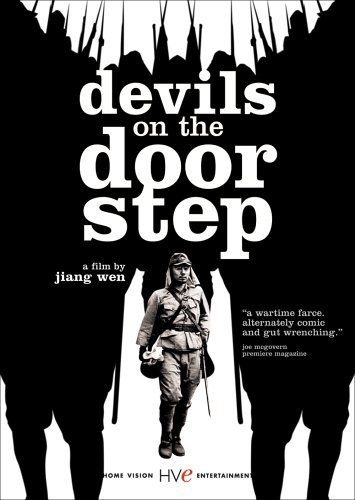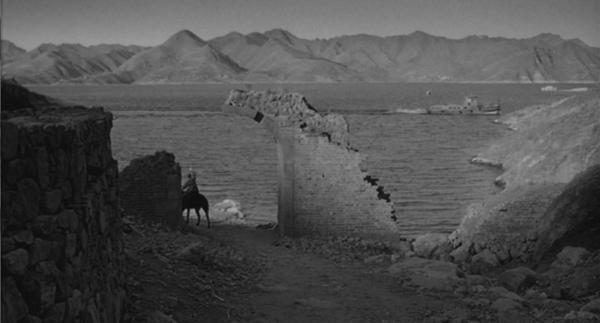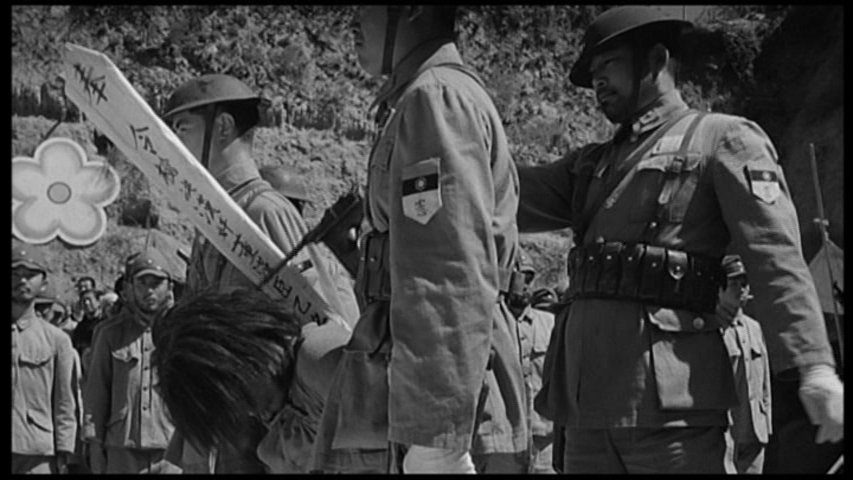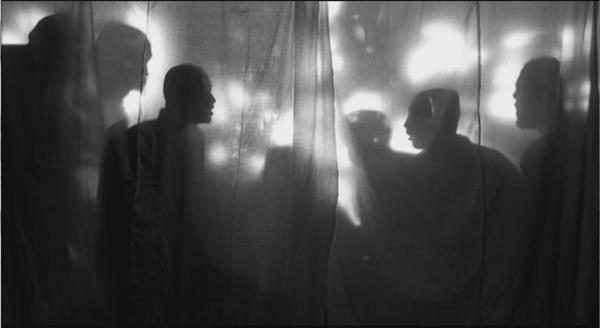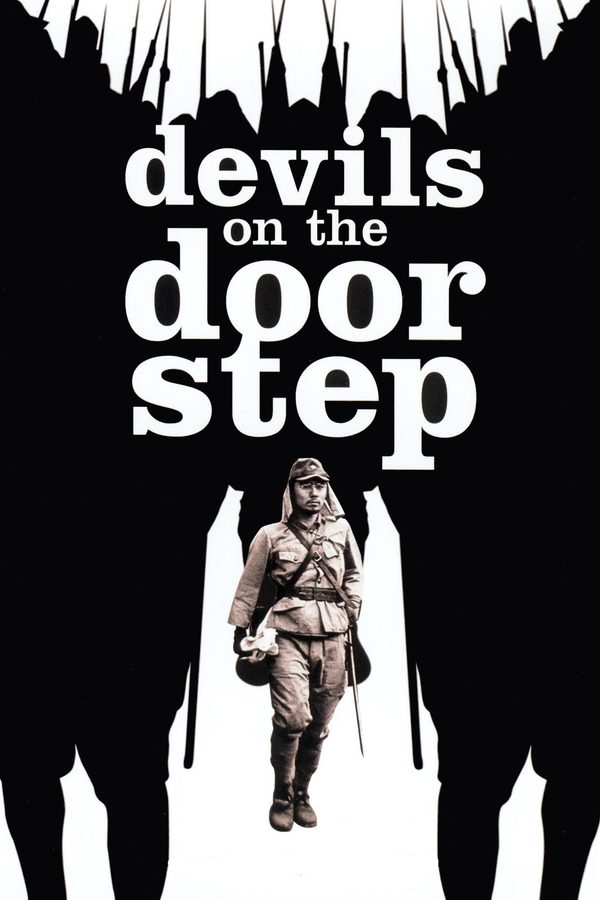
Devils on the Doorstep (2000) on Netflix
In the village of Rack-Armor Terrace, a man forces Ma Dasan at gunpoint to keep two captives, a Japanese sergeant and a Chinese interpreter, until New Year.
- Netflix4.3/5
- IMDb8.2/109,474 votes
- Rotten Tomatoes91%
Trailer

Plot summary
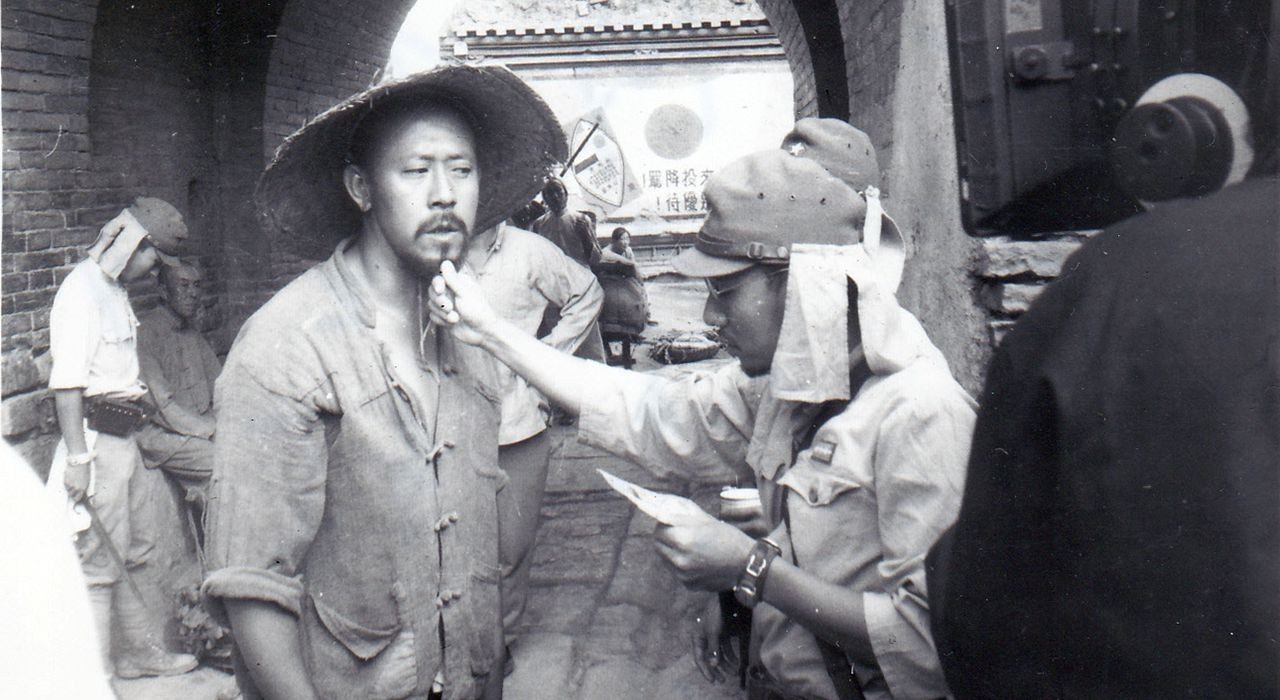
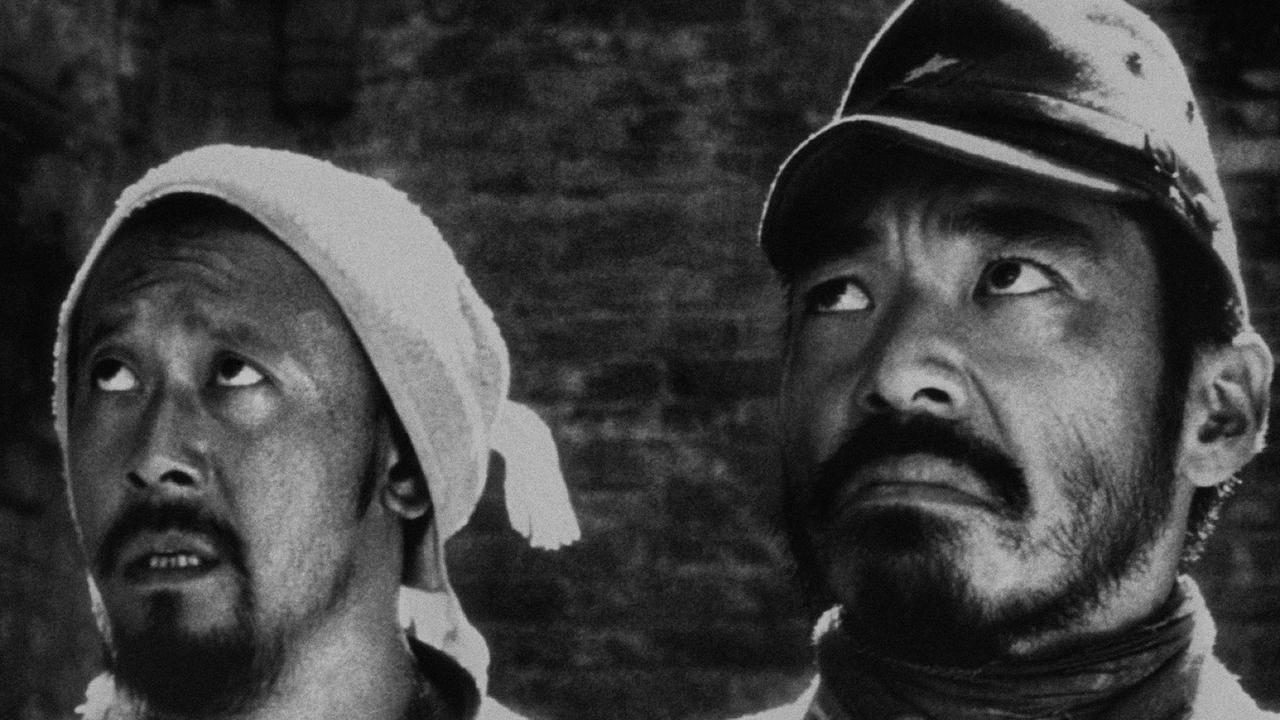
In the last years of the Second Sino-Japanese War, the village of Rack-Armor Terrace sits near Shanhaiguan in Hebei. One night a man bursts into the home of the peasant Ma Dasan and leaves two captives in gunnysacks, ordering Ma at gunpoint to keep them alive and question them, then leaves. One sack holds Kosaburo Hanaya, a belligerent Japanese sergeant; the other holds Dong Hanchen, an interpreter working for the Japanese Army. Ma asks the other villagers for help, and, fearing the man and the Japanese, they hold the prisoners in Ma's cellar.
Cast


Did you know?!Facts and trivia about Devils on the Doorstep (2000)
Can contain spoilers, watch the movie first.
- Chinese Film Bureau officials were furious that director Jiang Wen entered Devils on the Doorstep at the Cannes Film Festival without their permission, sent two officials to try to stop the screening and demanded he hand over the negative. Asian film circles reported the authorities planned to ban him from working in China for seven years.
SPOILER
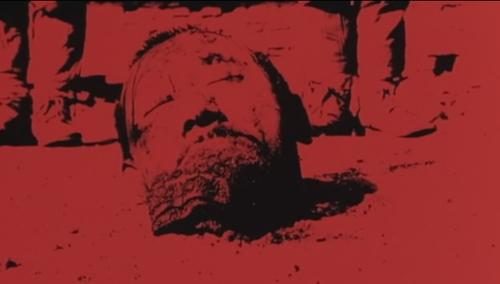
Devils on the Doorstep is shot almost entirely in black and white, except for the last four minutes, when Ma is executed: the film turns to colour and the camera shifts to the first-person perspective of his severed head.- Japanese media coverage of the film mentioned director Jiang Wen's past visits to the Yasukuni Shrine, where Japanese soldiers including convicted war criminals are honoured, sparking a new round of debate in China. Jiang said he visited the shrine several times to collect material for the film.
- The film's Japanese cast members, two of whom met Jiang Wen while on exchange at the Central Academy of Drama in the 1980s, initially objected to the Japanese war crimes depicted in the film. Jiang spent two weeks discussing it and showing them war documentaries, including ones by Japanese filmmakers, until they trusted him.
- The film is loosely based on You Fengwei's novel Survival, keeping its central characters and story frame, but the final screenplay was largely original. Because Jiang Wen and You Fengwei disagreed about national character, the film dropped the novel's theme of military-civilian resistance.