Deepsea Challenge 3D (2014) on Netflix
PG20141h 31mDocumentary
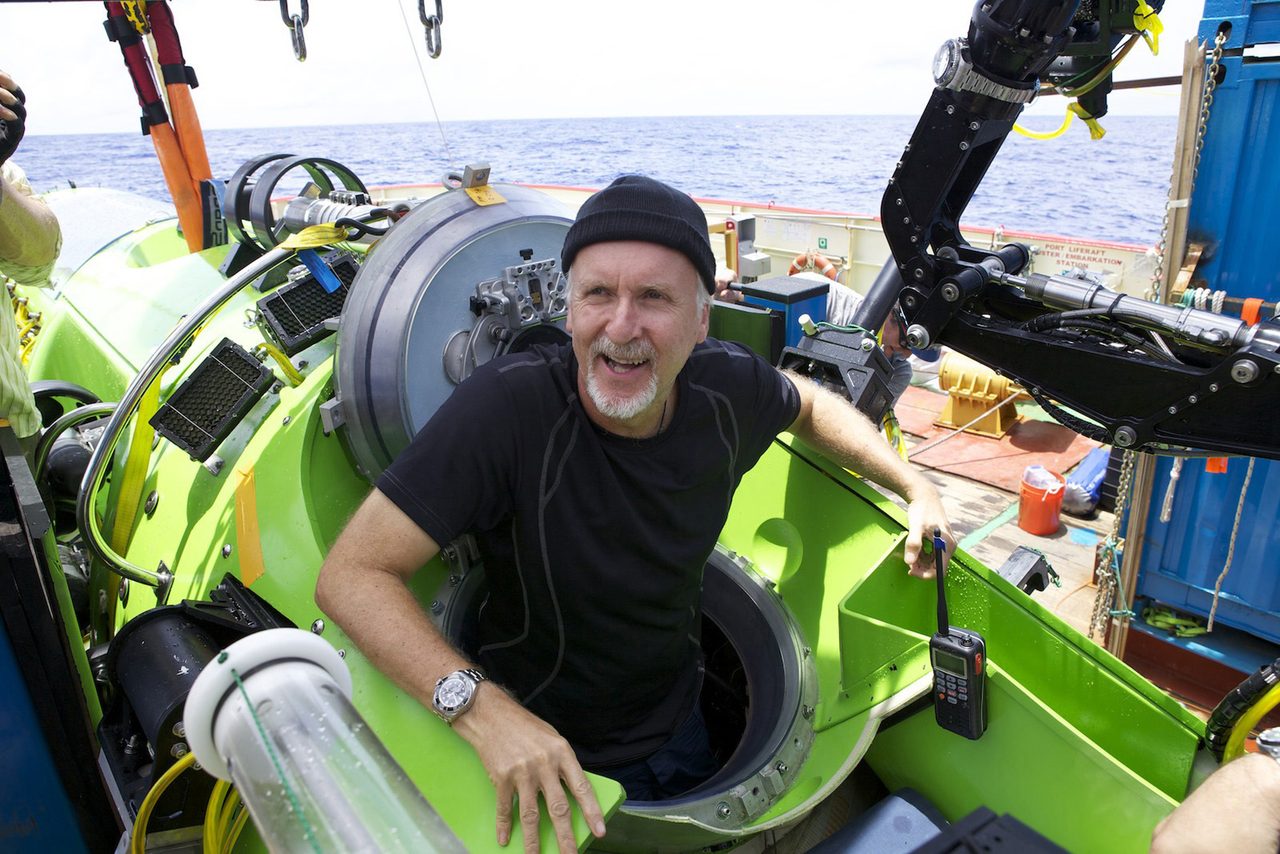
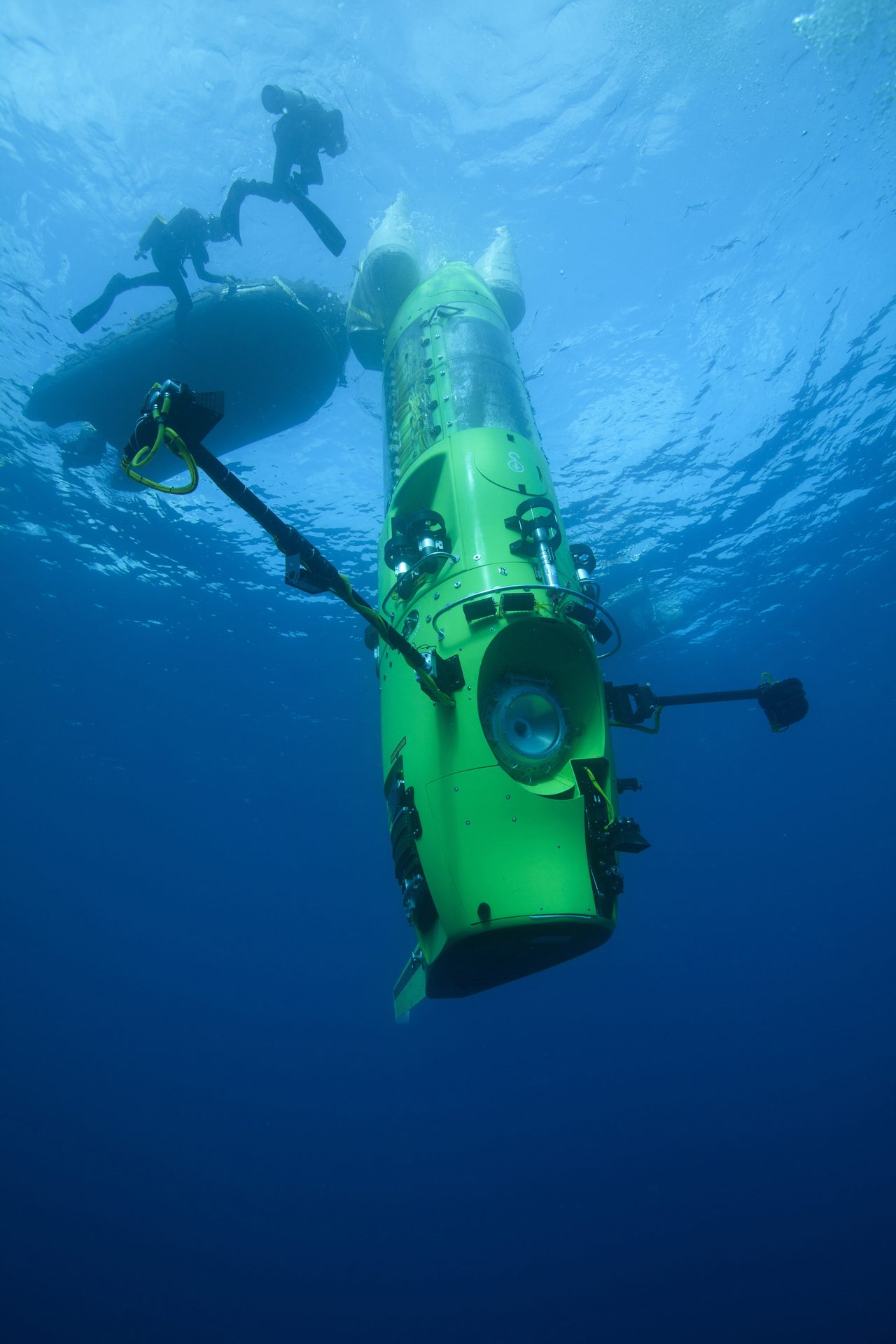
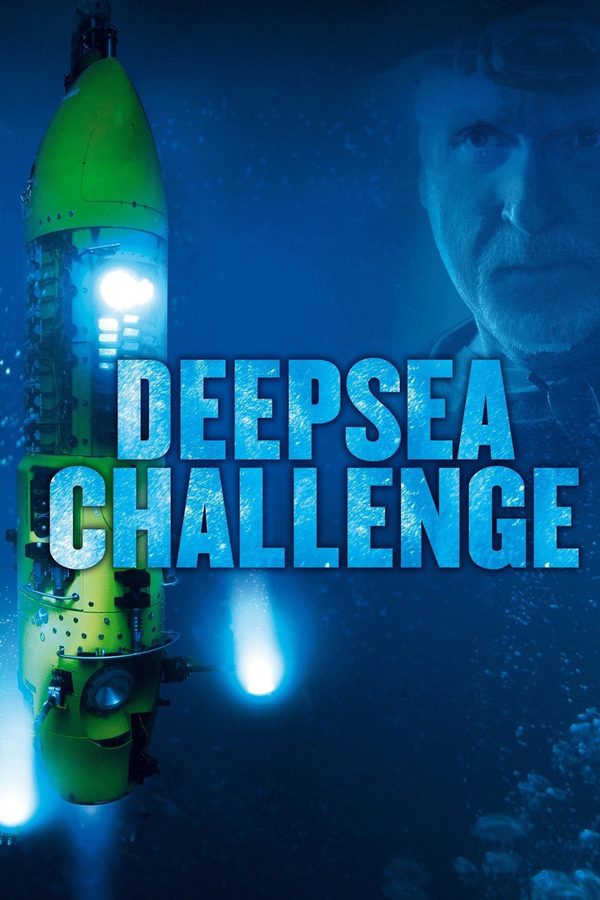
James Cameron has wanted to be an explorer since boyhood. Engineer Ron Allum heads construction of the Deepsea Challenger, a submersible built to carry one person to the deepest point on Earth.
- Netflix4.1/5
- IMDb6.9/102,535 votes
- Rotten Tomatoes69%
Trailer

Plot summary
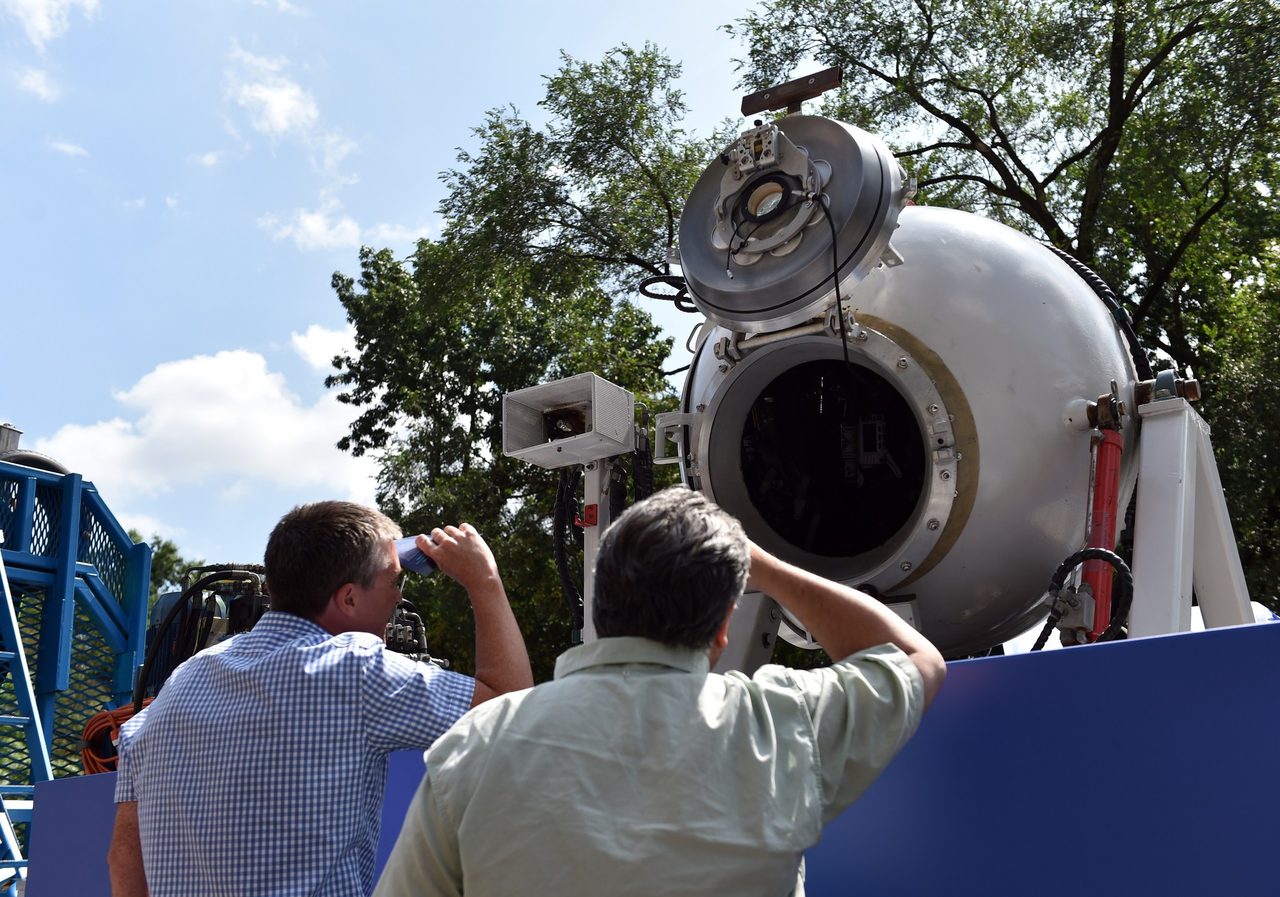
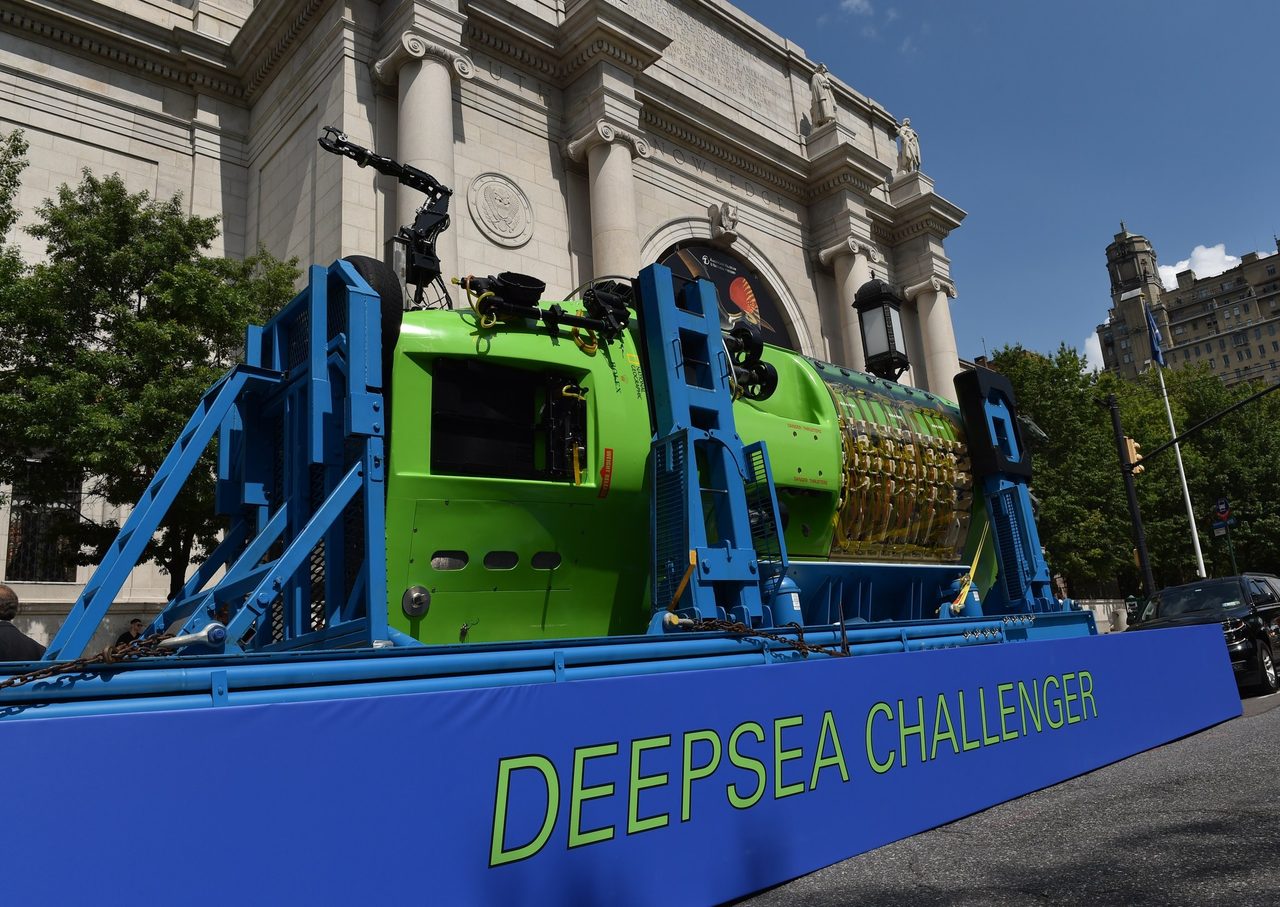
The Challenger Deep, at the bottom of the Mariana Trench, is the deepest known point on Earth, and it is the destination for which the Deepsea Challenger is designed. The 7.3-meter submersible is built in Sydney by Acheron Project Pty Ltd, with the National Geographic Society as a partner and backing from Rolex. Australian engineer Ron Allum heads the construction, drawing on Sydney's cave-diving community. He creates a structural foam called Isofloat, hollow glass spheres held in epoxy resin, strong enough for the pressure eleven kilometers down; it makes up most of the vehicle's volume. A pilot sphere of thick steel carries one occupant, James Cameron, who has wanted to be an explorer since he was a boy, and 500 kilograms of ballast sink the craft, to be released for the rise back to the surface.
Cast


Did you know?!Facts and trivia about Deepsea Challenge 3D (2014)
Can contain spoilers, watch the movie first.
- James Cameron's dive to the Challenger Deep was the first solo dive ever made there and the first to spend a significant amount of time, three hours, exploring the bottom; it was the fourth-ever dive to the site and only the second crewed one.
- While being transported from Woods Hole Oceanographic Institution to Baltimore for shipment to Australia on 23 July 2015, the submersible was damaged when its flatbed truck caught fire on Interstate 95 in Connecticut; fire officials called it a total loss and an $8.3 million insurance claim was filed.
- Engineer Ron Allum, working in a small workshop in Leichhardt, Sydney, created a syntactic foam called Isofloat, hollow glass spheres suspended in epoxy resin, that could withstand the 11 km depth and made up about 70% of the submersible's volume.
- If the sub's ballast release failed and left it stranded on the seafloor, a backup galvanic release was designed to corrode in salt water after a set time, letting the craft surface automatically.
- On the Challenger Deep dive, not everything went to plan: bait-carrying landers were never dropped because the sonar needed to locate them on the ocean floor was not working, and hydraulic system problems hampered the sampling equipment.