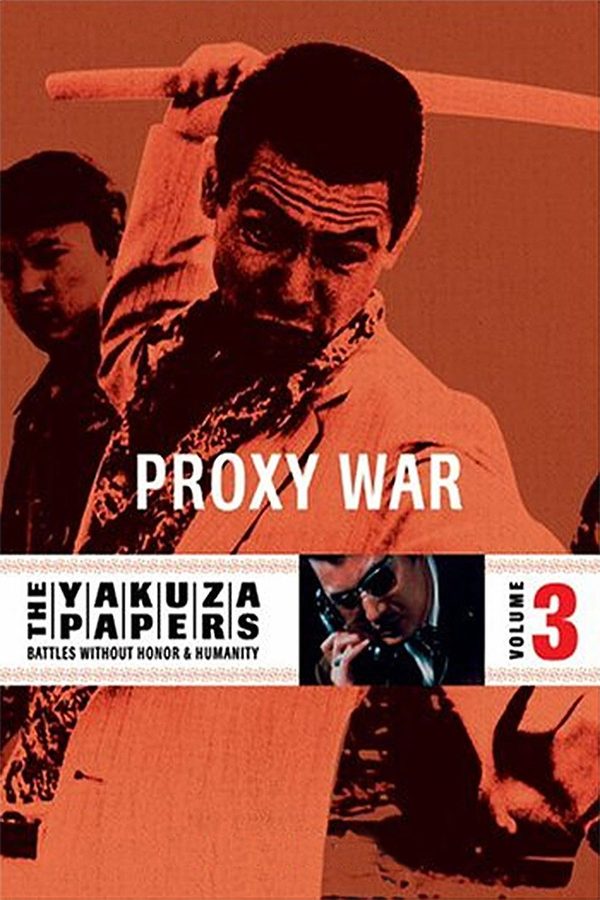
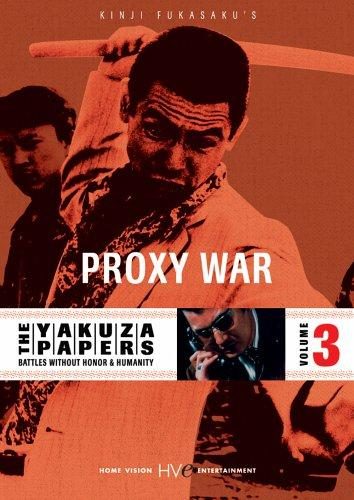
Battles Without Honor and Humanity: Proxy War (1973) on Netflix
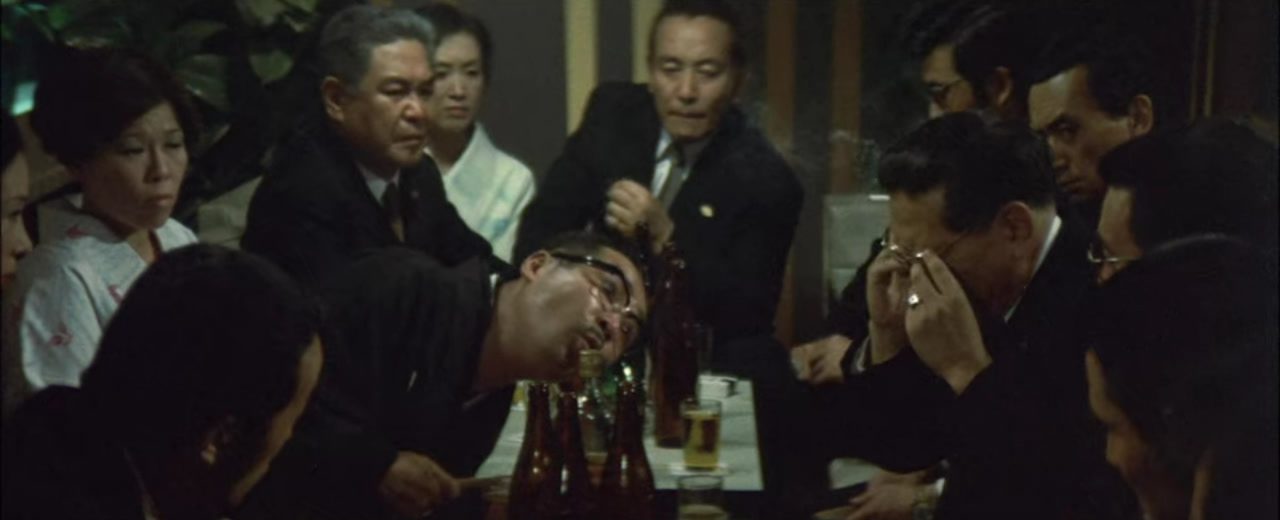
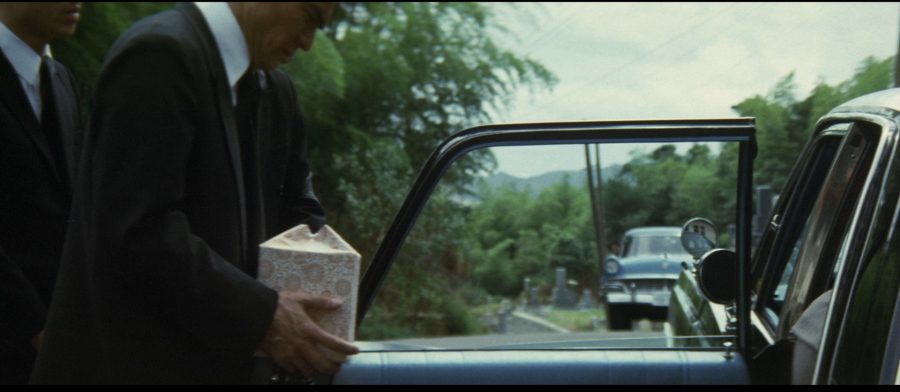
Shozo Hirono leads his small family after leaving the Yamamori family. A guest vomits on the remains at the funeral of the assassinated boss Fumio Sugihara. Noboru Uchimoto refuses to punish him.
- Netflix3.7/5
- IMDb7.3/101,806 votes
- Rotten TomatoesNot available
Trailer

Plot summary
In September 1960, Fumio Sugihara, who temporarily heads the Muraoka family, is assassinated while out walking with Shozo Hirono and with Noboru Uchimoto, the family's underboss. At the funeral, a guest from Kyushu vomits on the remains and rushes off, an act the others read as deliberate, since Sugihara had beaten the man in an argument. Hirono, Hiroshi Matsunaga and Akira Takeda ask Uchimoto, who was sworn to Sugihara, to punish him, and Uchimoto refuses. Hirono has already broken from the Yamamori family to lead a small family of his own. He takes in a young delinquent, Takeshi Kuramoto, and accepts his former boss Yoshio Yamamori as a new parole guarantor so that he can stay out of jail.
Cast





Did you know?!Facts and trivia about Battles Without Honor and Humanity: Proxy War (1973)
Can contain spoilers, watch the movie first.
- Tsunehiko Watase performed his own stunt in a single take for a night scene where his arm is caught in a car door and he is dragged; the 16 mm Eyemo camera turned out to have no film in it, so the scene was shot again after the crew pleaded with complaining residents of Daiei.
- Rather than argue with a producer over who played Katsuharu Saijo, Kinji Fukasaku shot the shipyard beating with the producer's actor but never showed his face, while assistant director Toru Dobashi trained Takuzo Kawatani for the part in one week.
- Screenwriter Kazuo Kasahara flew to Hiroshima in April 1973 to ask Minō and Takeshi Hattori, second president of the Kyosei-kai, the reasons for the war; the two gave opposite explanations, and tracing the bosses' tangled relationships caused Kasahara to have a nervous breakdown.
- Hiroshima's police anti-crime unit refused to support location shooting after the second film; the crew had a hard time filming in Etajima after officials said the films gave the wrong impression of Hiroshima by depicting violent incidents that never happened, and Kasahara insisted he had written no fictional violence.
- When Kazuo Kasahara told Toei he could not guarantee the commercial success of such a movie, the studio replied that he had to because it was his job; Kasahara admitted he had borrowed money from the company to build his house and did what he was told.
- On a second trip to Kure, Kasahara got the ex-yakuza Minō to speak frankly; by then Minō considered the films just "silly plays", and the real facts were so complex that Kasahara decided to put everything into a "human comedy" whether it made sense or not.
Stills
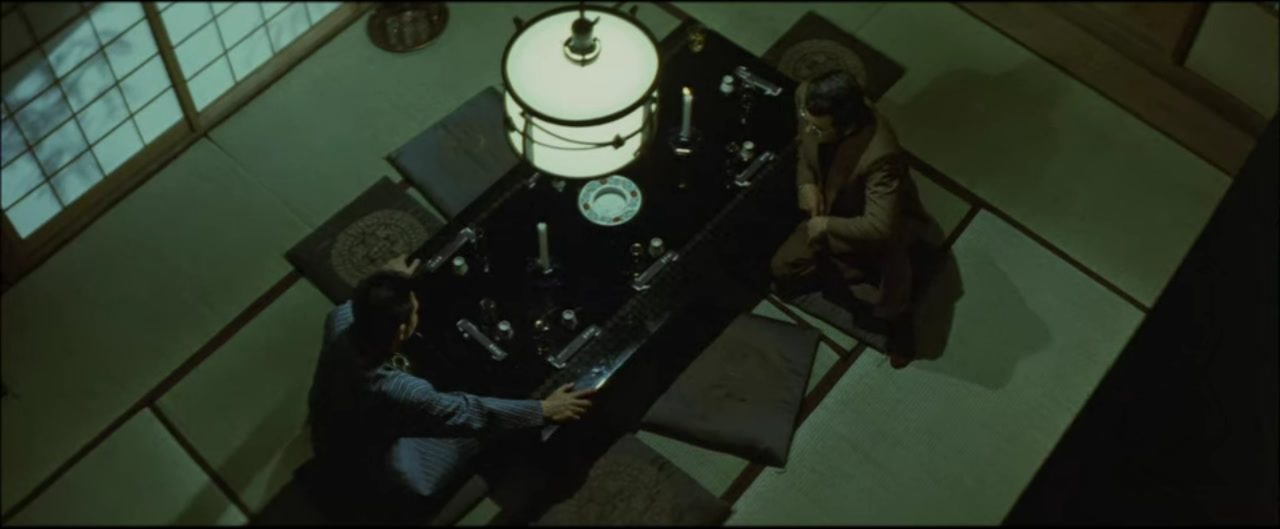
Similar movies