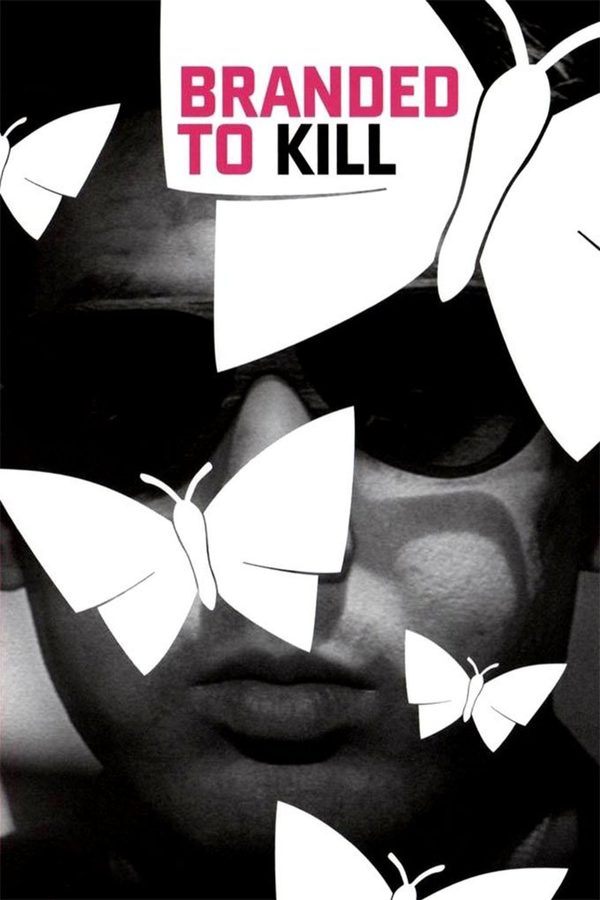
Branded to Kill (1967) on Netflix
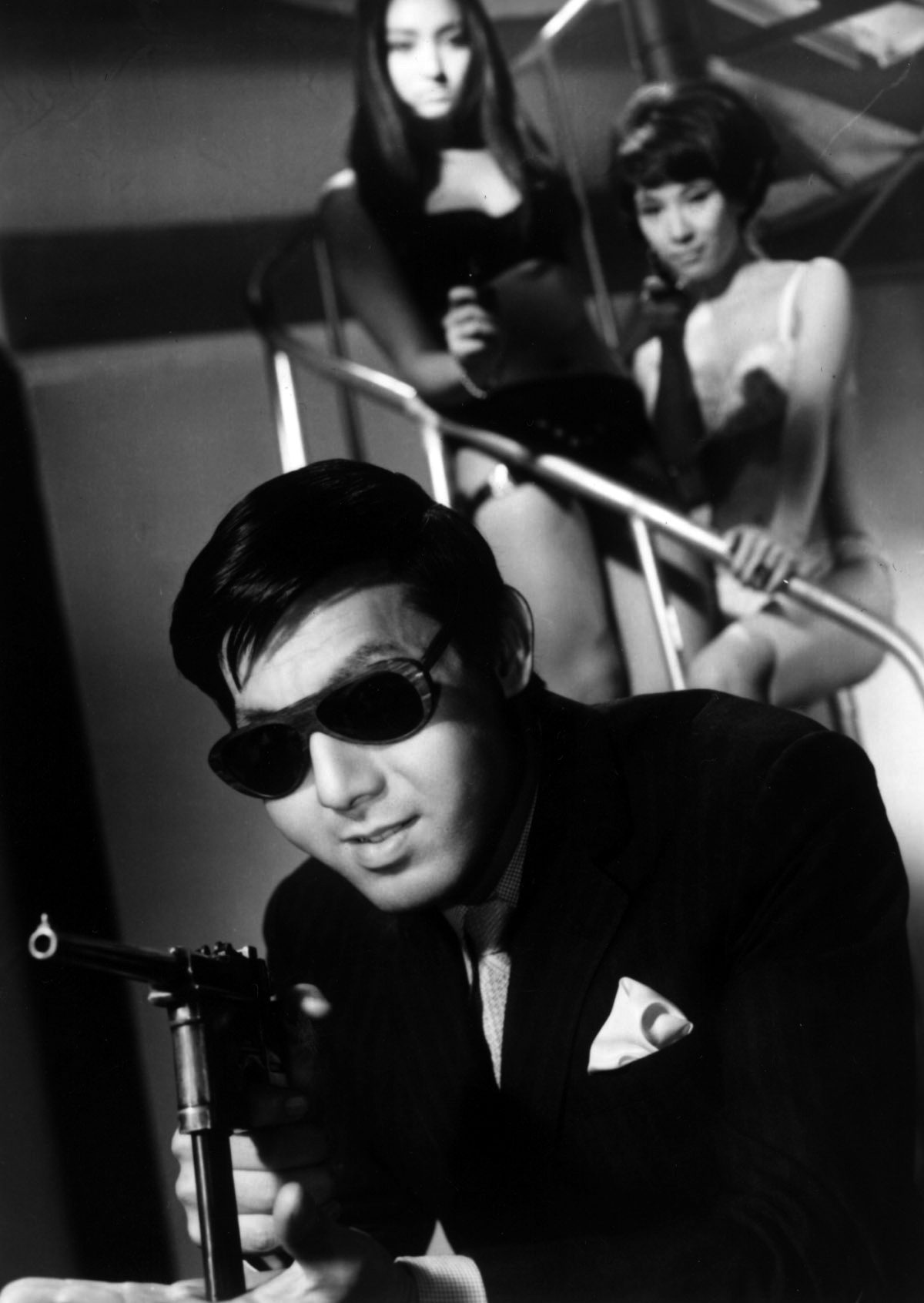
Goro Hanada, the underworld's third-ranked hitman, takes a job from Misako, a woman preoccupied with death. When he misses his shot, his own organization turns on him.
- Netflix3.3/5
- IMDb7.2/1011,279 votes
- Rotten Tomatoes100%
Trailer

Plot summary
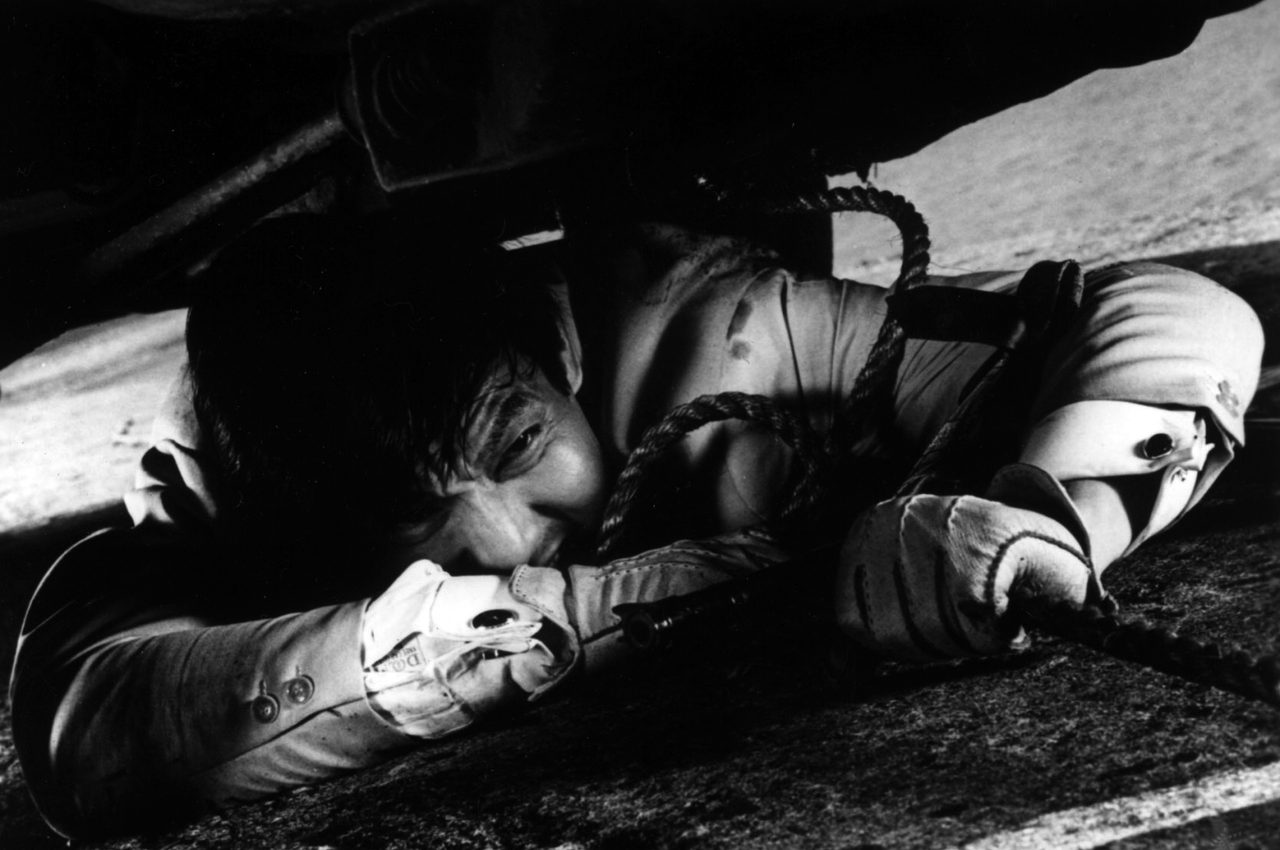
In Japanese organized crime the hitmen are ranked, and Goro Hanada stands at number three. When Kasuga, a former colleague now driving a taxi, asks him to help with a job for the yakuza boss Michihiko Yabuhara, Hanada agrees to drive a client from Sagami Beach to Nagano. Gunmen ambush the drive. Afterward Misako, a young woman Hanada becomes infatuated with, gives him a lift when his car breaks down. Yabuhara hires him for a series of hits, and Misako brings him a contract that seems impossible. As he fires, a butterfly settles on his rifle and he kills a bystander. Misako warns him that he will lose his rank, and that the yakuza do not tolerate an error.
Cast

- Takashi Nomura
- Tokuhei Miyahara
- Hiroshi Midorikawaas Optometrist
- Kosuke Hisamatsuas Jeweler


Did you know?!Facts and trivia about Branded to Kill (1967)
Can contain spoilers, watch the movie first.
- Nikkatsu fired Seijun Suzuki after Branded to Kill; with support from student groups, fellow filmmakers and the public — including picketing of the company's Hibiya offices — he sued for wrongful dismissal and won a one million yen settlement, a fraction of his claim, and a public apology from studio head Hori.
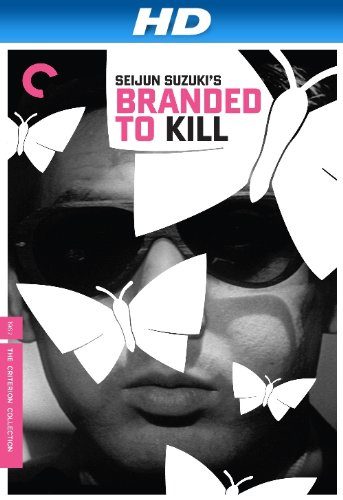
- Where Japanese censorship masked prohibited parts of the screen, Suzuki preemptively masked his own compositions but animated the masks and incorporated them into the film's design.
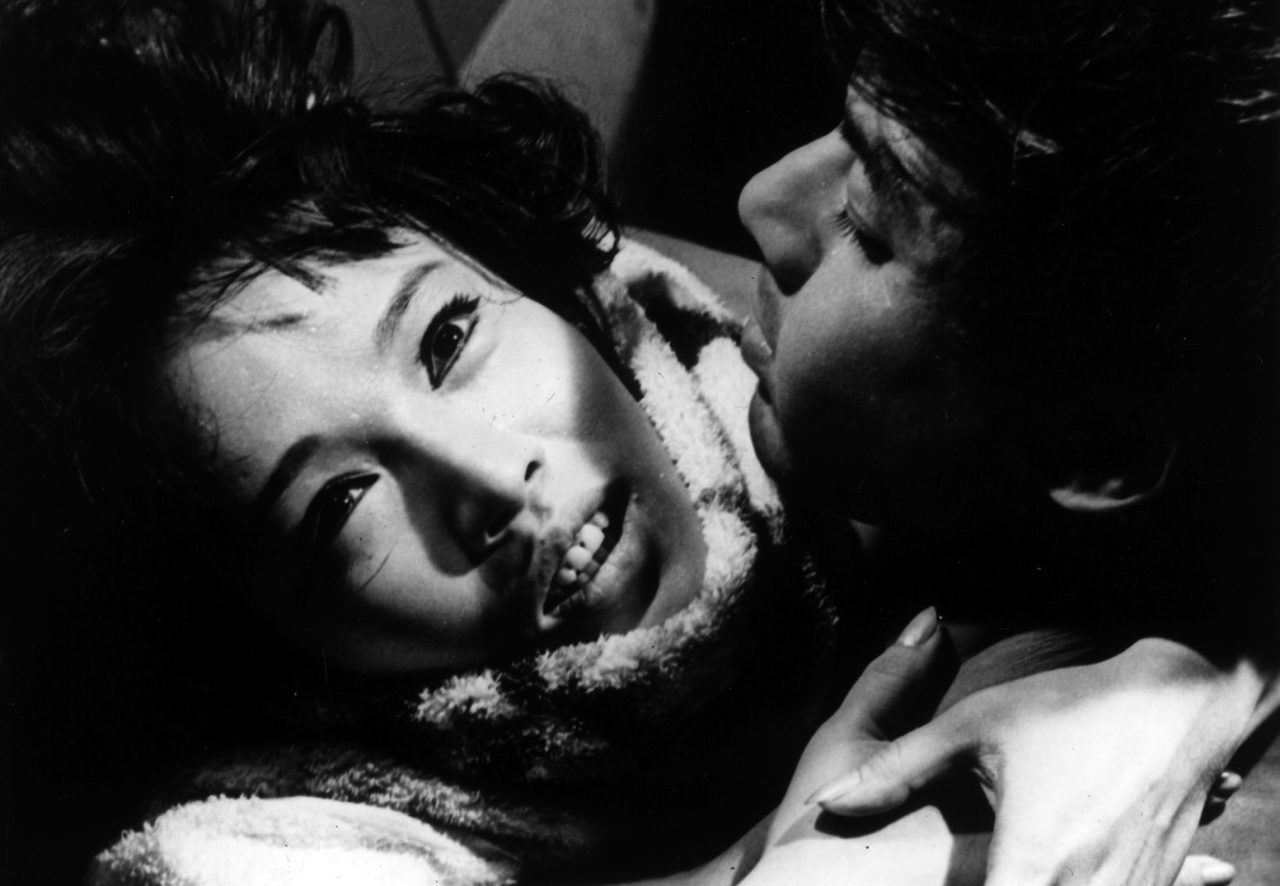
- Suzuki wanted Kiwako Taichi, a new talent from the famous Bungakuza theatre troupe, for the female lead, but she took a part in another film; instead he cast Annu Mari, then working in Nikkatsu's music halls.
- With the release date already set, the head office deemed the script "inappropriate" and brought in Seijun Suzuki to rewrite it; studio head Kyūsaku Hori told him he had had to read it twice before he understood it, and Suzuki's offer to drop the script was refused.
- Because Suzuki shot only the footage he needed — a habit from his years as an assistant director at Shochiku, when film stock was sparse after the war — Branded to Kill was edited in one day, with post-production finished on June 14, 1967, the day before its release.
- Jim Jarmusch listed Branded to Kill as his favourite hitman film, alongside Le Samouraï, thanked Suzuki in the credits of his own hitman film Ghost Dog: The Way of the Samurai (1999), and mirrored its killing shot up through a sink drain from a basement.
- Suzuki came up with ideas the night before or on the set, including the Number Three Killer's rice-sniffing habit, which he wanted as a quintessentially Japanese turn-on: "If he were Italian, he'd get turned on by macaroni, right?"
- For the role of Hanada's wife, Suzuki cast Mariko Ogawa from outside the studio because none of the contract actresses would do nude scenes.
Stills
Similar movies