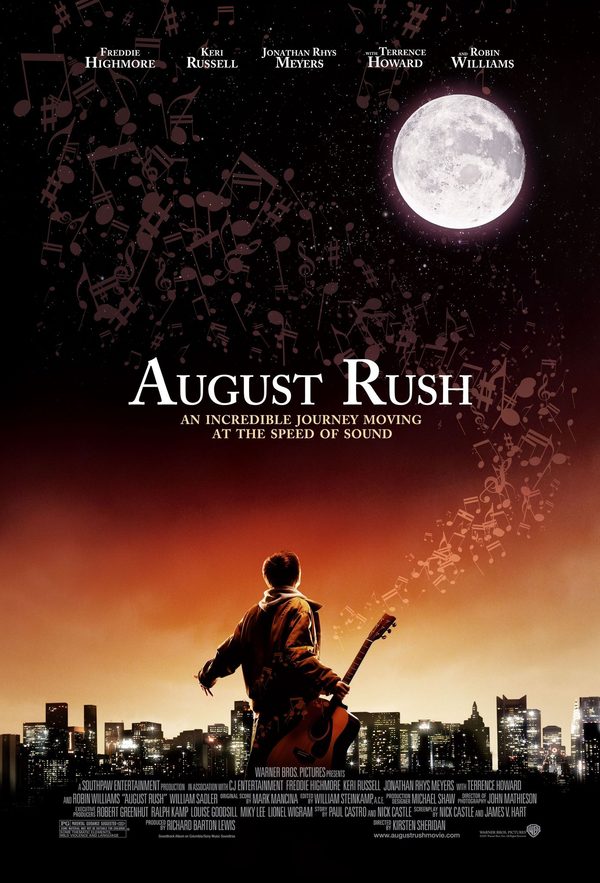
August Rush (2007) on Netflix
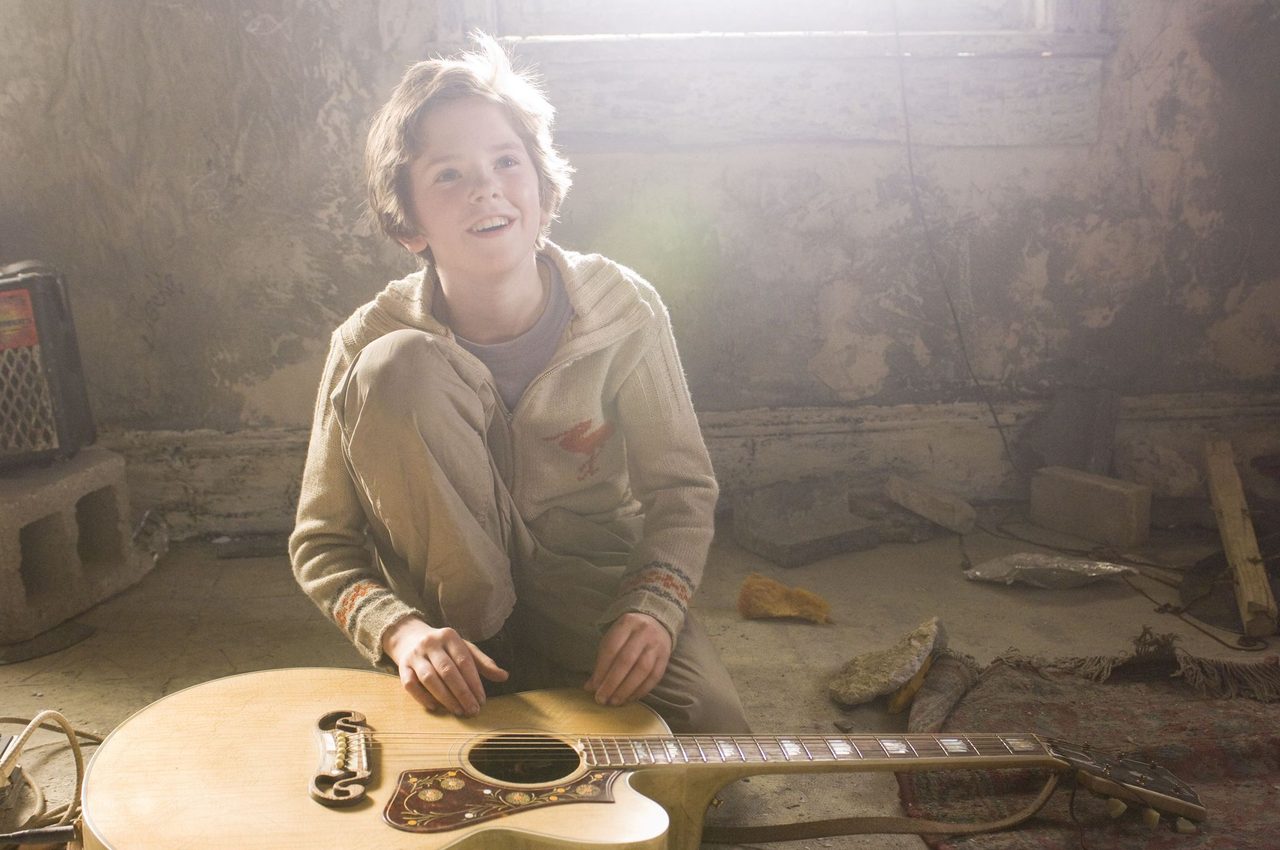
Evan Taylor, an eleven-year-old musical prodigy, lives in a boys' orphanage. Certain his parents are out there, he leaves for New York City and follows the sounds he hears.
- Netflix3.9/5
- IMDb7.4/10115,283 votes
- Rotten Tomatoes37%
Trailer

Plot summary
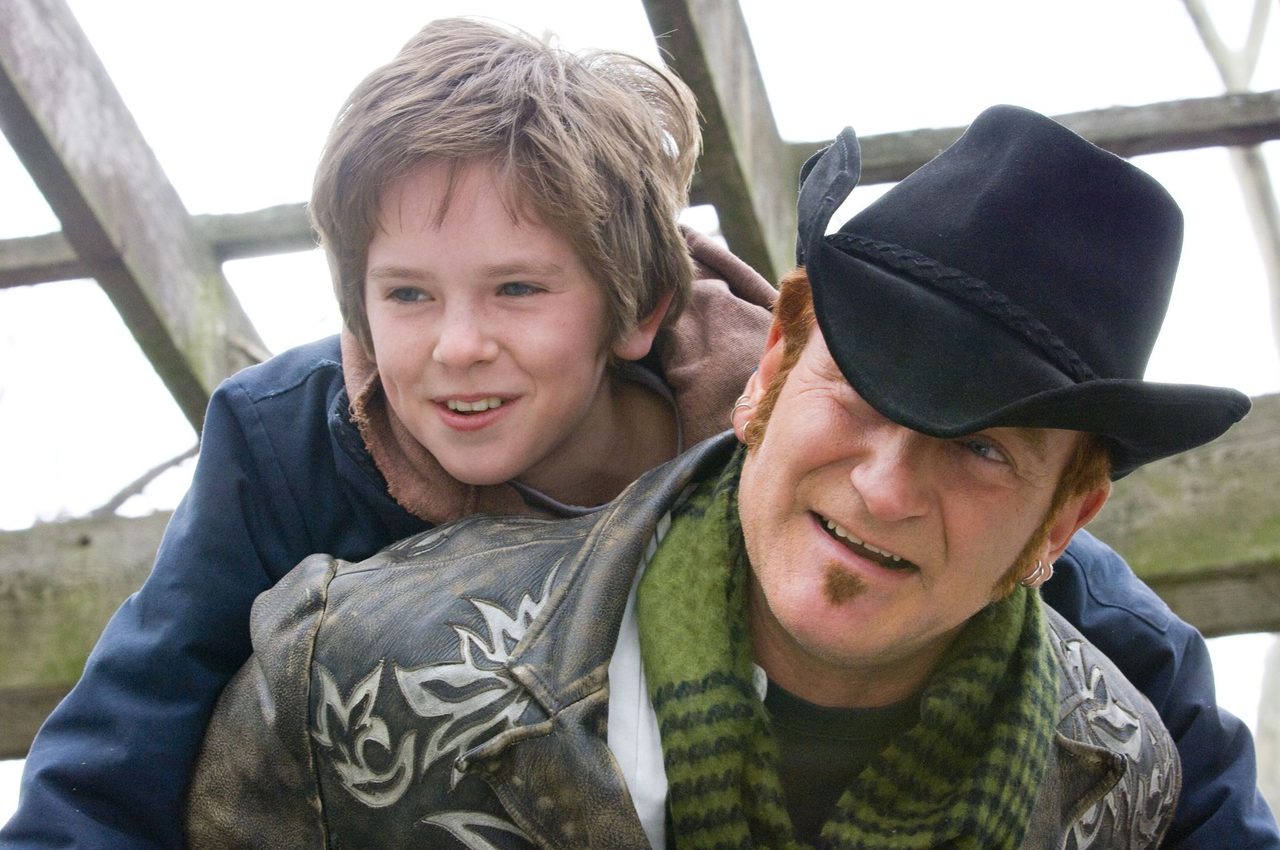
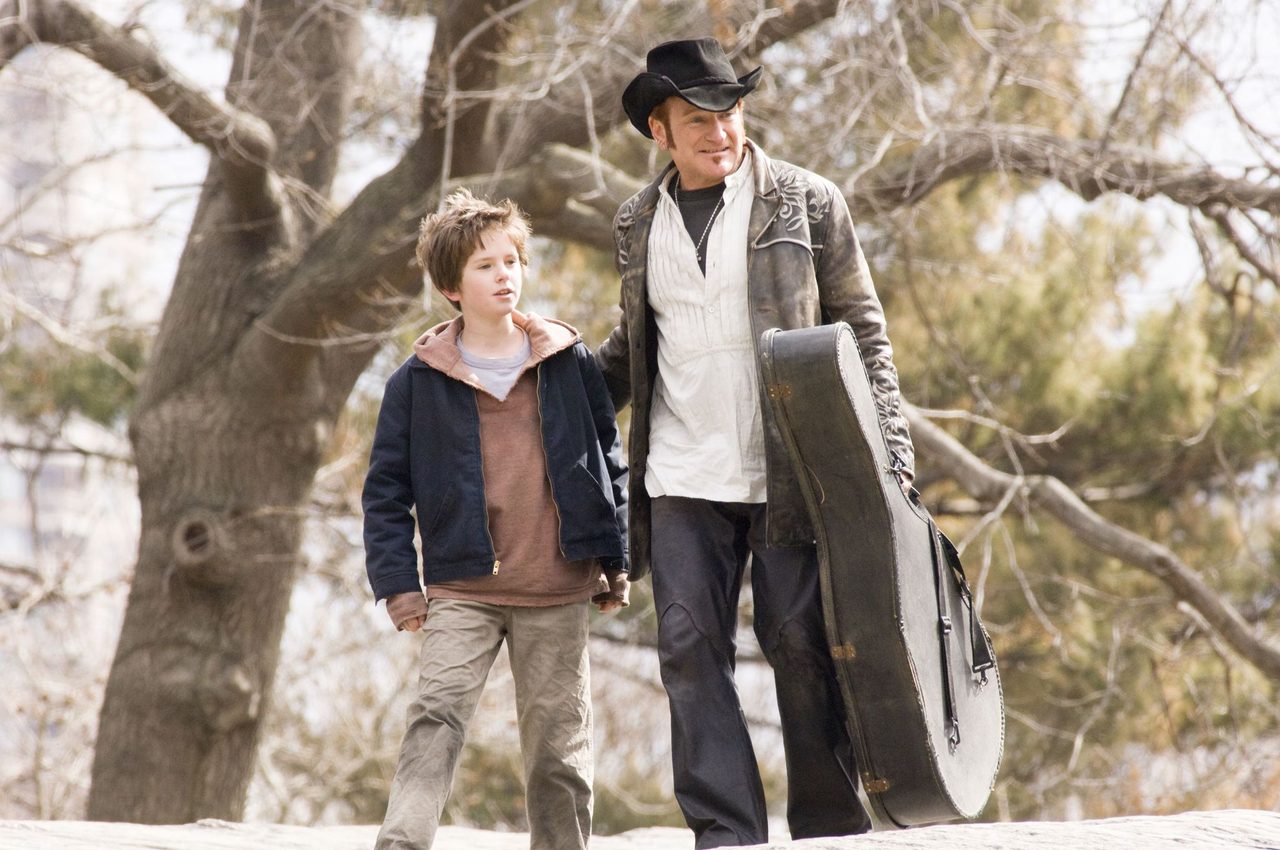
Lyla Novacek studies cello at Juilliard, and Louis Connelly fronts an Irish rock band. They meet, spend a night together, and lose touch. Lyla finds out she is pregnant, argues with her father, and a car hits her, so her son arrives early. While she lies unconscious, her father arranges the baby's adoption and tells her the child died. Eleven years on, that boy, Evan Taylor, is a gifted musician in a boys' orphanage, where the social worker Richard Jeffries is assigned to him. Believing his parents are waiting, he makes his way to New York City, letting the music around him lead. In Washington Square Park he falls in with Arthur, a boy who busks there, and follows him to a condemned theater where Wizard Wallace trains homeless and runaway children to play on the streets.
Cast














Did you know?!Facts and trivia about August Rush (2007)
Can contain spoilers, watch the movie first.
- Except for "Dueling Guitars", all of August's guitar pieces are played by American guitarist-composer Kaki King, and King's hands are the ones used in the film's close-ups.
- The song "Raise It Up" was nominated for Best Original Song at the 80th Academy Awards but lost to "Falling Slowly" from Once; despite a mostly unfavorable reception, August Rush was praised for its music.
- The final theme of the movie was composed first, so that bits and pieces of the ending piece could be related to earlier events: "at the end it means something because you've been subliminally hearing it throughout the film".