Trailer

Plot summary
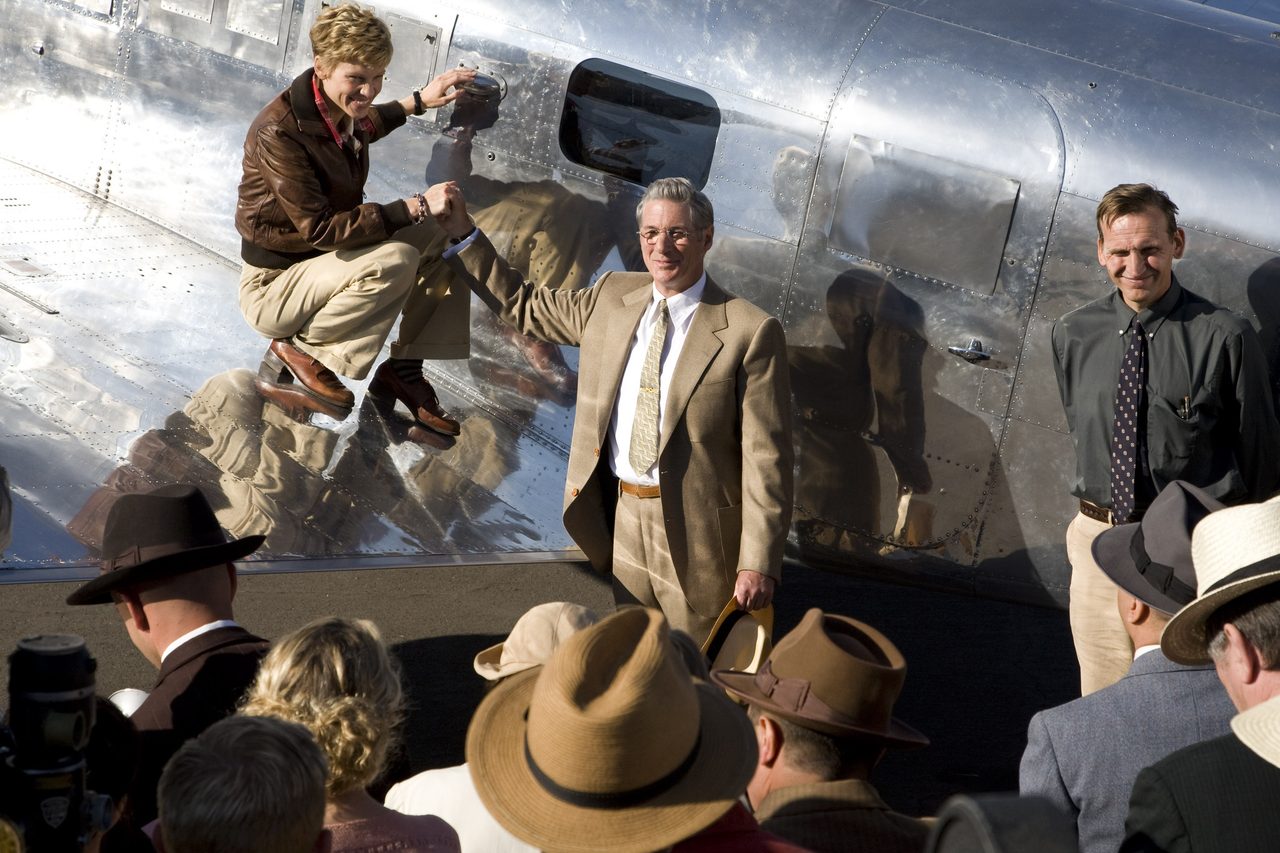
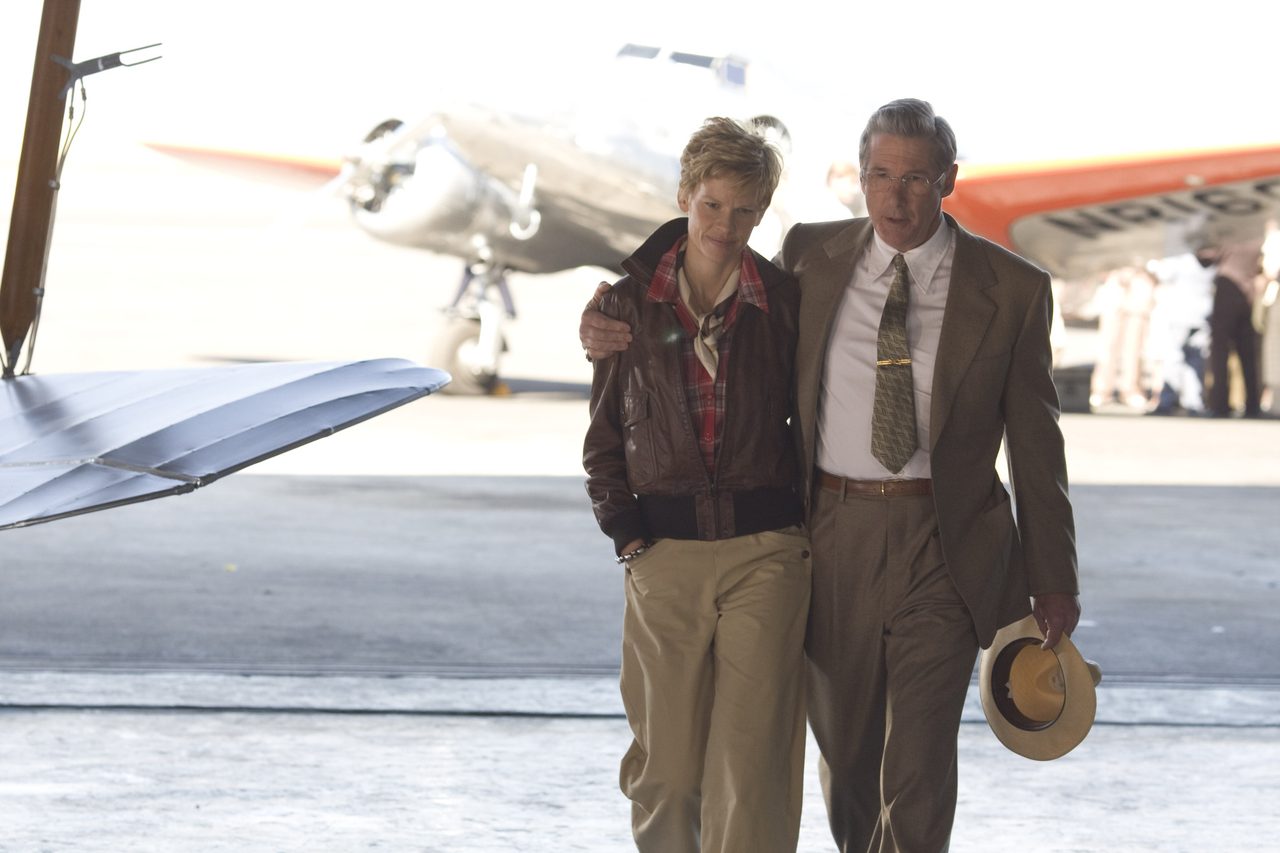
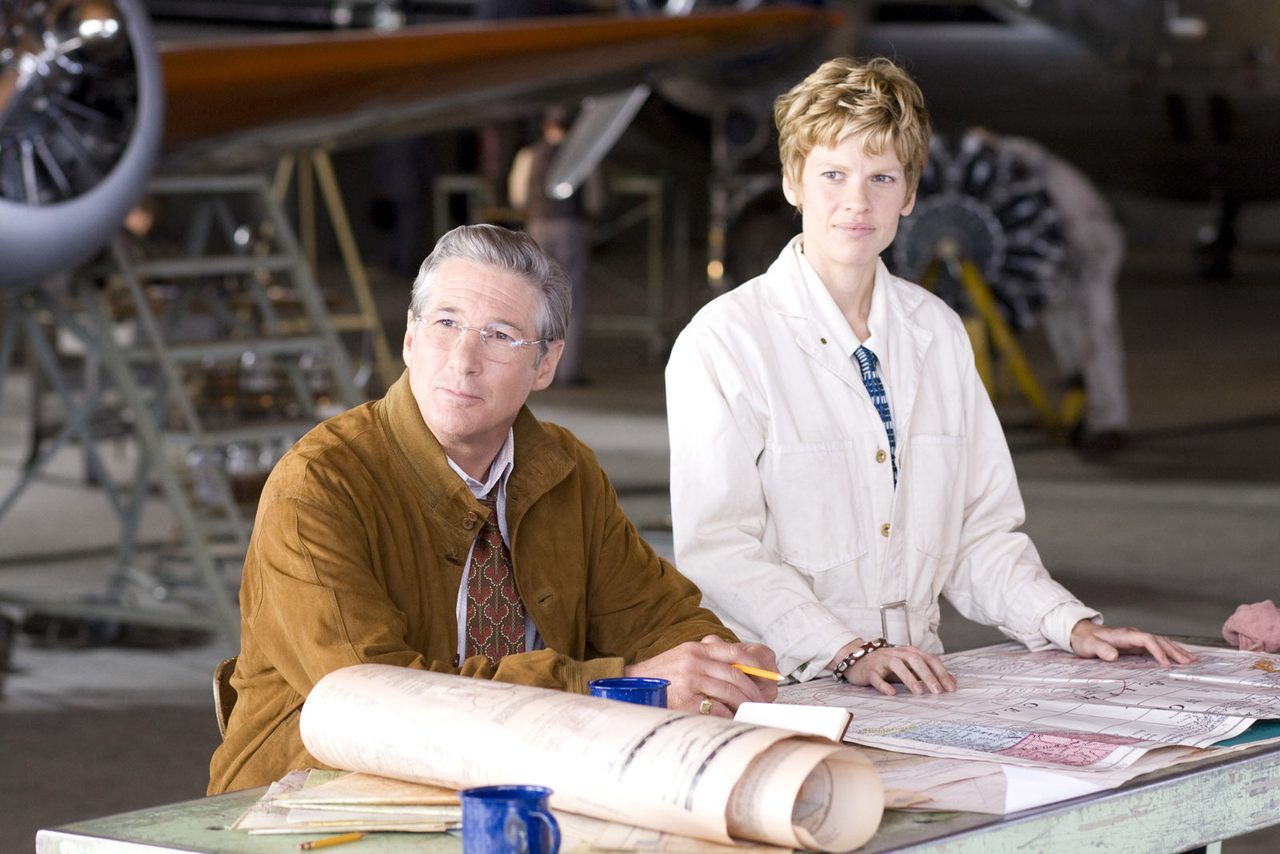
Amelia Earhart spends her childhood on the Kansas prairie, where an aircraft passing overhead captures her imagination. In 1928 publisher George Putnam recruits her to fly the Atlantic, though she travels as a passenger and not as the pilot. The flight brings her fame, and she becomes the era's best-known woman pilot, with Putnam helping her write a book about it. Embarrassed that the fame did not come from her own flying, she begins setting aviation records, and in 1932 she crosses the Atlantic alone. Books, endorsements and public appearances pay for her flights, and she dislikes all of them. Putnam, who manages her career, becomes her husband.
Cast














Did you know?!Facts and trivia about Amelia (2009)
Can contain spoilers, watch the movie first.
- Screenwriter Ronald Bass, an Oscar winner, wrote seven drafts of the script for aviation buff and Gateway founder Ted Waitt, who has funded expeditions to search for Earhart's aircraft and was prepared to finance the film himself.
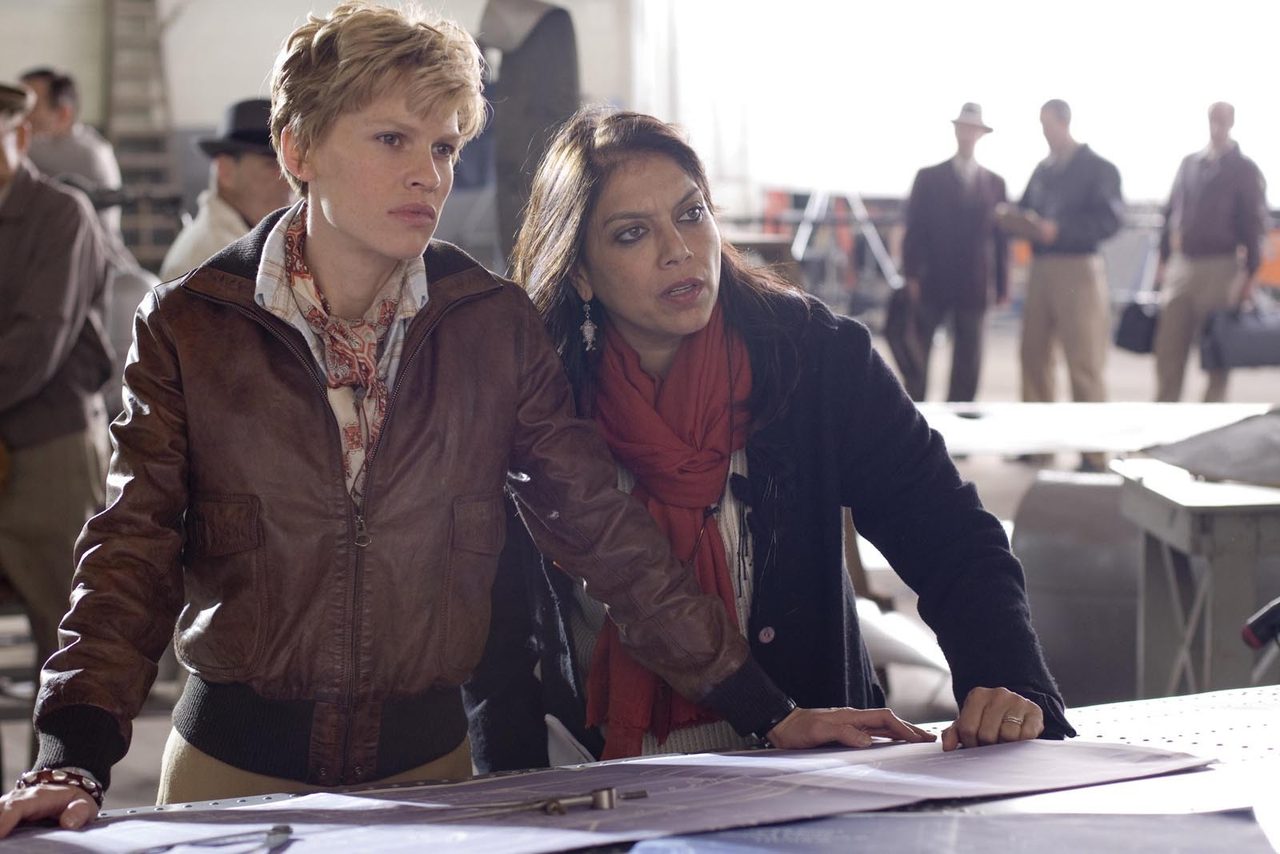
- Swank was a pilot-in-training at the time, but her appearance in the aerial sequences was limited: Nair was concerned about insurance and liability, so three other women pilots were contracted for the flying scenes and professional pilots Jimmy Leeward and Bryan Regan did the bulk of the flying.
- Virginia Madsen was cast as Dorothy Binney, Putnam's first wife, but her scenes were cut apart from one in a New York parade, where Putnam helps her out of a car.
- The film ended up a box-office bomb, taking $19.6 million worldwide against a budget of $40 million, less than half of what it cost to make.
- After filming, the two replica aircraft were donated to museums: the Lockheed Vega to the San Diego Air & Space Museum and the Fokker tri-motor to the Canadian Bushplane Heritage Centre in Sault Ste. Marie, Ontario, where it was unveiled in 2009.