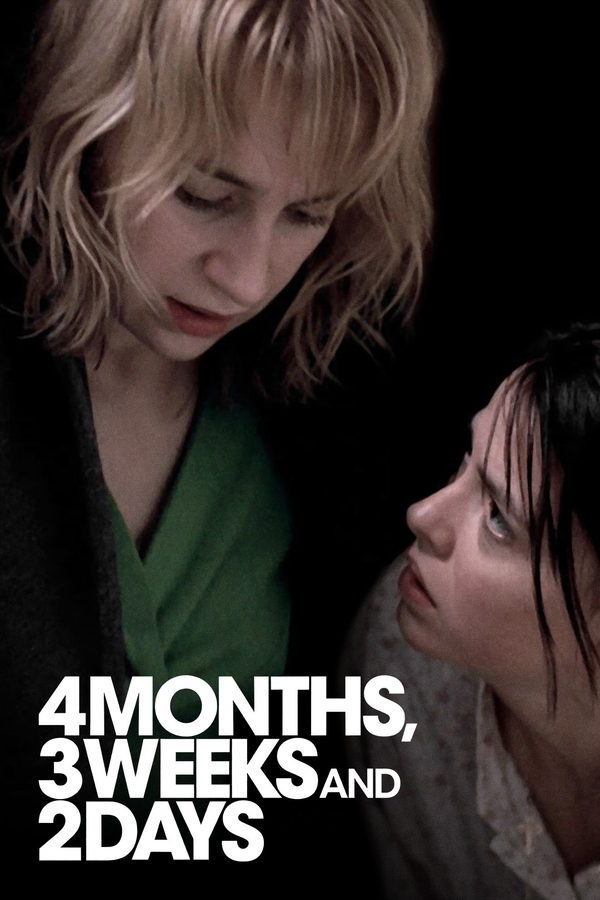
4 Months, 3 Weeks and 2 Days (2007) on Netflix
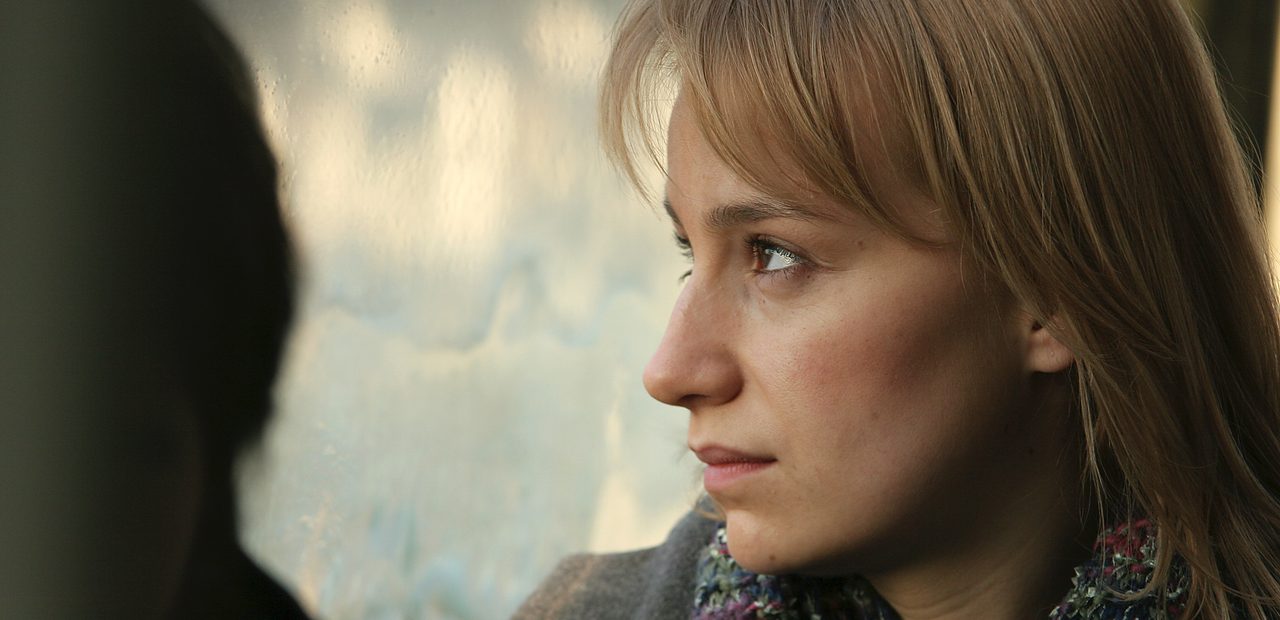
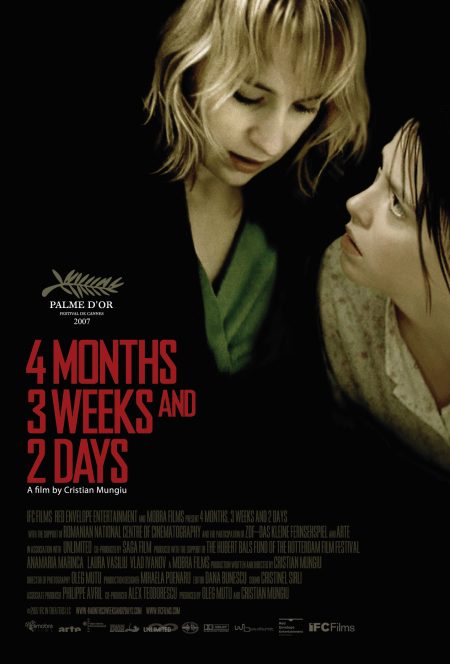
In 1987 Romania, abortion is a crime and Gabita is pregnant. Her roommate Otilia borrows money, books a room and arranges a meeting with a man neither of them has met.
- Netflix4.4/5
- IMDb7.9/1066,545 votes
- Rotten Tomatoes96%
Trailer

Plot summary
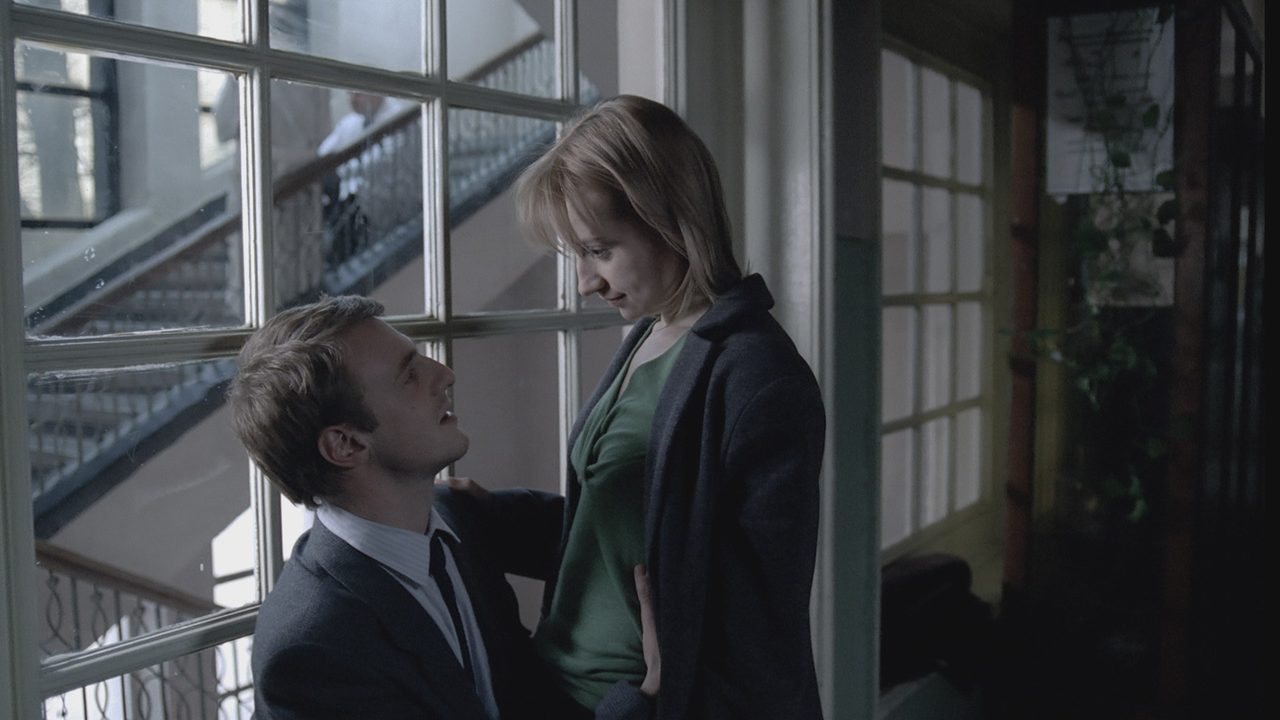
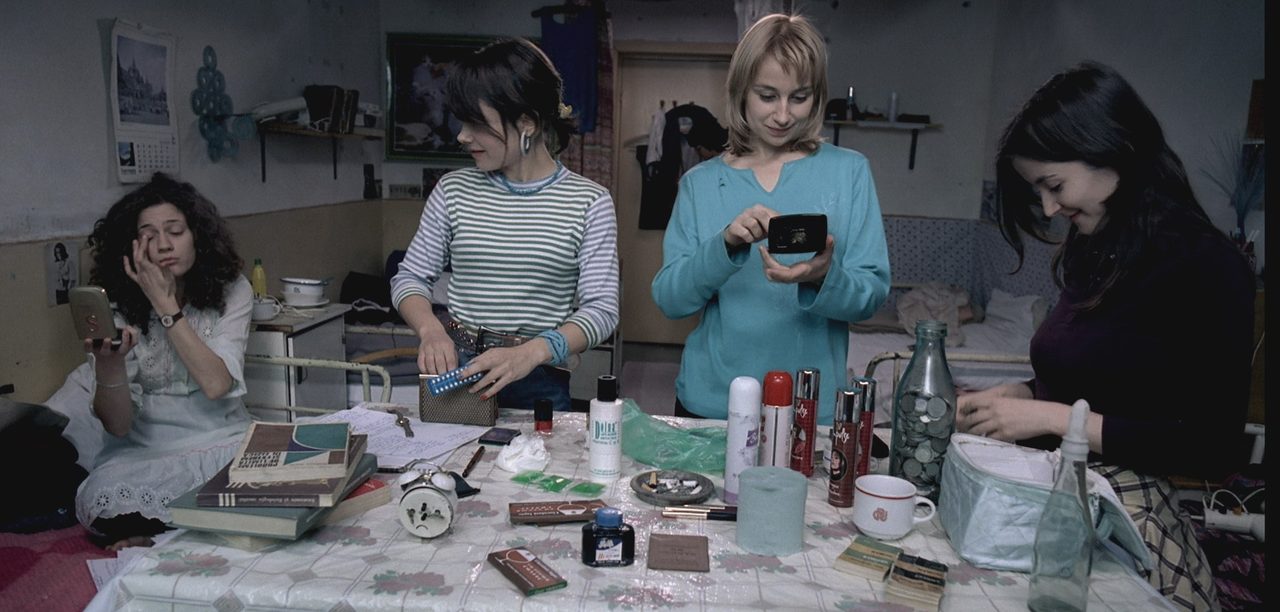
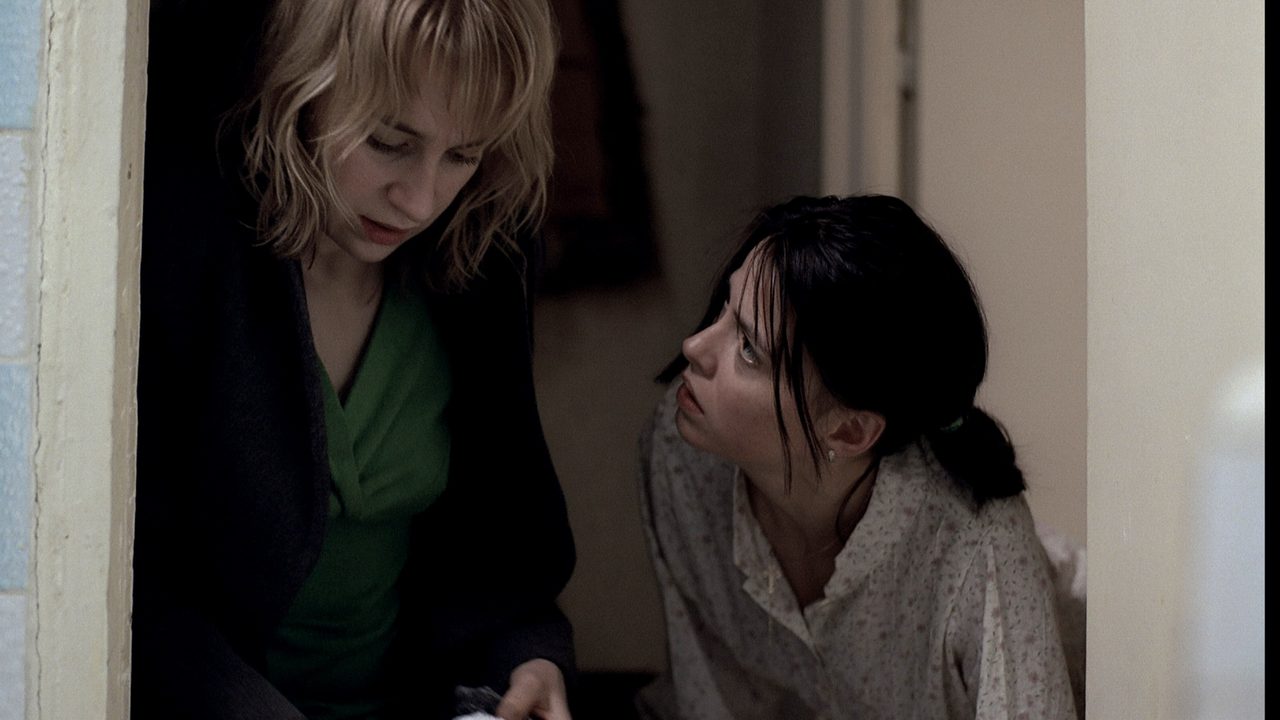
Otilia Mihartescu and Gabita Dragut are roommates in a university dormitory in Romania in 1987, in the last years of Nicolae Ceaușescu's rule, when abortion is a crime. Gabita is pregnant, and Otilia spends the day making the arrangements. She bargains for soap and cigarettes at the dormitory shop, borrows money from her boyfriend Adi, and agrees to come to his mother's birthday dinner that evening. At the Unirea hotel, where Gabita booked a room, the receptionist finds no reservation in Gabita's name, so Otilia haggles for a room at the Tineretului instead. She telephones Gabita, then goes to meet Mr. Bebe, the man their friend Ramona recommended, who expected Gabita to be waiting for him at the hotel.
Cast





- Adi Carauleanuas Dr. Radu



- Cerasela Iosifescuas Tineretului Hotel Receptionist




Did you know?!Facts and trivia about 4 Months, 3 Weeks and 2 Days (2007)
Can contain spoilers, watch the movie first.
- After the film won the Cinema Prize of the French National Education System at Cannes, anti-abortion protests led French Education Minister Xavier Darcos to consider banning it from French high schools; the proposed ban was dropped in July 2007 and an educational DVD was released for ages 15 and up.
- At the 2007 Cannes Film Festival, Cristian Mungiu became the first Romanian filmmaker to win the Palme d'Or, and the film later became the first Romanian work to win the European Film Award for Best Film.
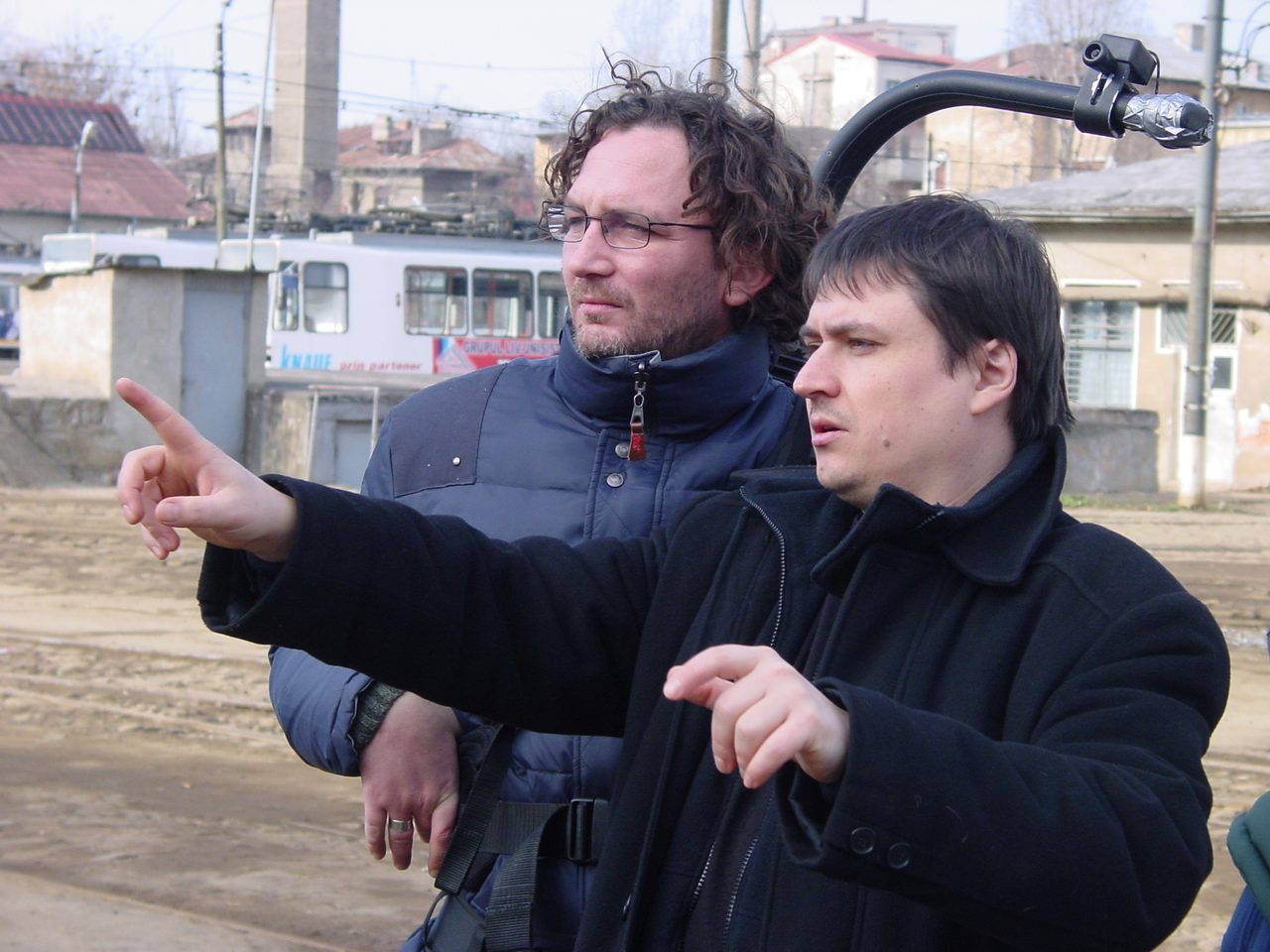
- Cristian Mungiu's idea came from an anecdote from Communist Romania he heard 15 years before making the film; the incident itself happened in 1987, five years earlier, and he noted that date in the screenplay.
- Mungiu called the dinner scene the hardest to shoot, because a long take with a large number of actors made focusing difficult; it took 17 attempts over five days to complete.
- Mungiu auditioned many young women for the two leads; Anamaria Marinca had acted on television but never in a film, and the director could not picture her in the lead role until she began reading the screenplay's first page.
- The trash chute seen at the end of the film was built for it because the location had none, and the crew dropped bags of cabbage and potatoes to create the sound effect.
- Because Romania had no streetlights in 1987, cinematographer Oleg Mutu lit the final scenes, in which the camera moves 200 metres with Anamaria Marinca, using lights placed on building roofs and paper lanterns on a rod.
- Mungiu revised the screenplay through 17 drafts, and the biggest change made Otilia the sole protagonist while reducing Găbița's part.