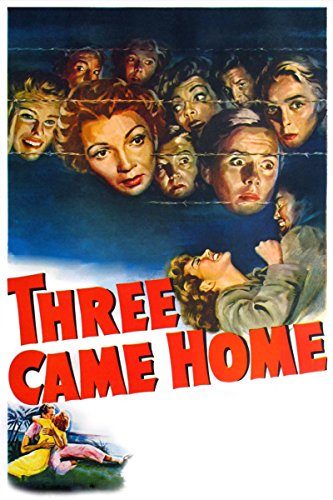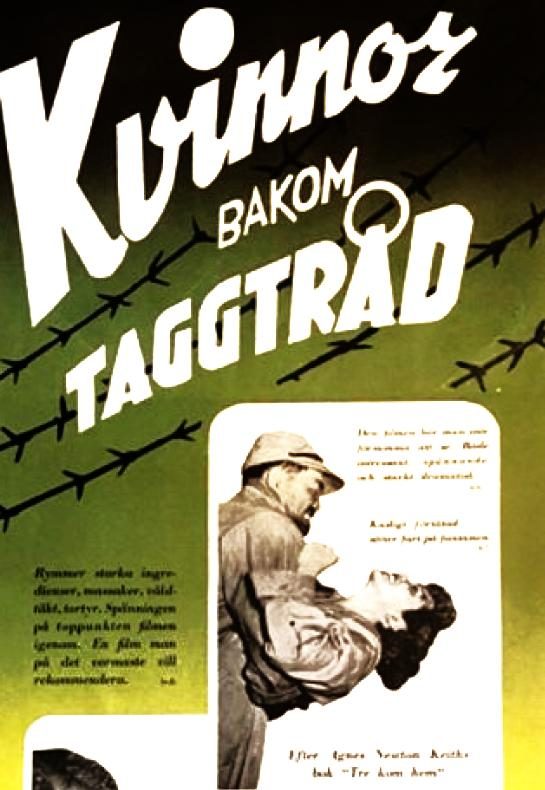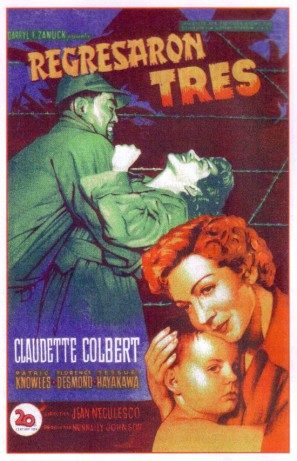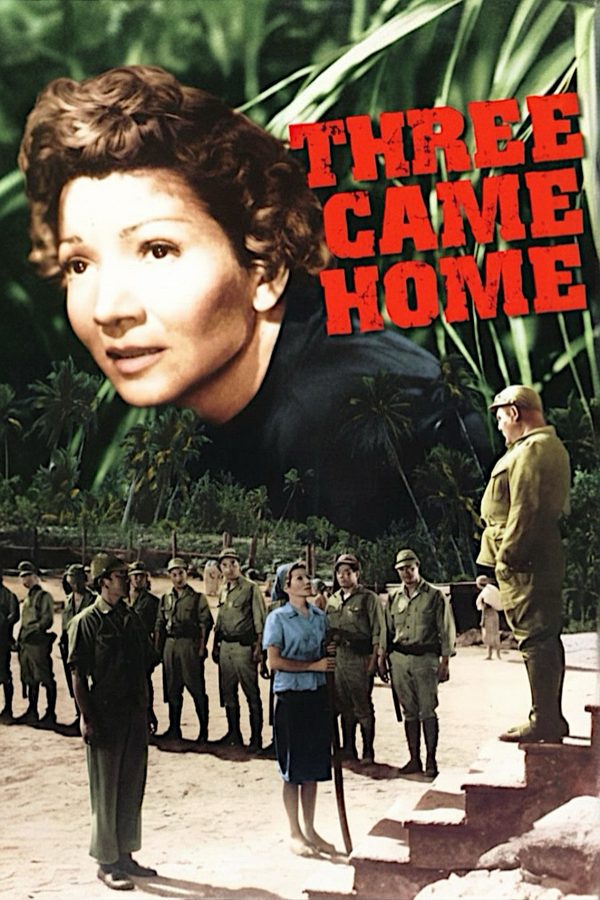
Three Came Home (1950) on Netflix
American writer Agnes Newton Keith lives in North Borneo with her husband Harry and their son George. When Japan invades in 1941, Agnes and George are interned and separated from Harry.
- Netflix4.3/5
- IMDb7.3/102,440 votes
- Rotten Tomatoes100%
Clip

Plot summary
Agnes Newton Keith is the only American in Sandakan, the capital of British North Borneo, where she has spent years with her husband Harry, a colonial official, and their young son George. As rumors of a Japanese invasion spread in 1941, and Pearl Harbor is attacked, Harry urges Agnes to take the boy back to the United States. She refuses, and she and George stay. The Imperial Japanese Army occupies Borneo and interns the western residents, putting the women and children in one camp and the men in another, a few hundred meters apart. The camps fall under Colonel Michio Suga, an English-speaking officer who has read the book Agnes wrote about life in Borneo and treats her with favor.
Cast





- Phyllis Morrisas Sister Rose
- Howard Chumanas Lieutenant Nakata
- Patrick Whyteas Englishman




Show all 20 cast

- Campbell Copelinas English Radio Announcer(uncredited)
- Leslie Denisonas English Radio Announcer(uncredited)
- Devi Djaas Ah Yin(uncredited)
- Frank Emias Japanese Soldier(uncredited)
- Doreen Mary Englishas Woman Prisoner(uncredited)
- Stanley Fraseras Englishman(uncredited)
- Alex Frazeras Dr. Bandy(uncredited)

Did you know?!Facts and trivia about Three Came Home (1950)
Can contain spoilers, watch the movie first.
- While shooting one of the film's violent scenes, Claudette Colbert broke her back. The scene was cut during the final editing process.
- Claudette Colbert wore no makeup for the concentration camp scenes, and leather panties for protection in the scenes where she crossed barbed wire.
- In March 1949, trade paper Showmen's Trade Review reported that Jean Negulesco would direct the film, and that Olivia de Havilland was being considered for the lead role.