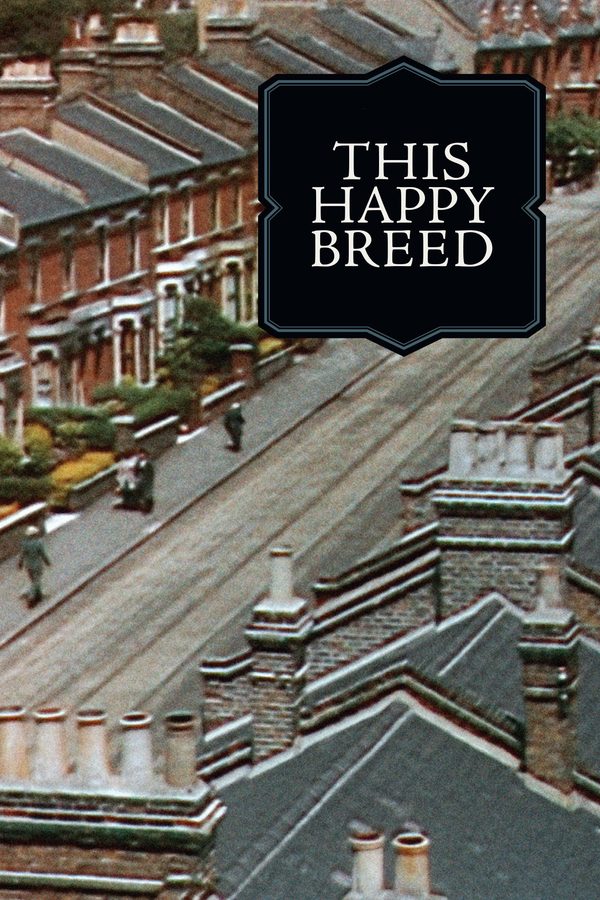
This Happy Breed (1944) on Netflix
After the First World War, Frank and Ethel Gibbons settle into a London house with their three children, Frank's widowed sister Sylvia and Ethel's mother. Frank finds work at a travel agency.
- Watch on NetflixThis title is not on Netflix right now. Please check back later for updates.
- Watch on Prime
- Watch on NordVPN
- Netflix4.3/5
- IMDb7.3/104,683 votes
- Rotten Tomatoes100%
Trailer

Plot summary
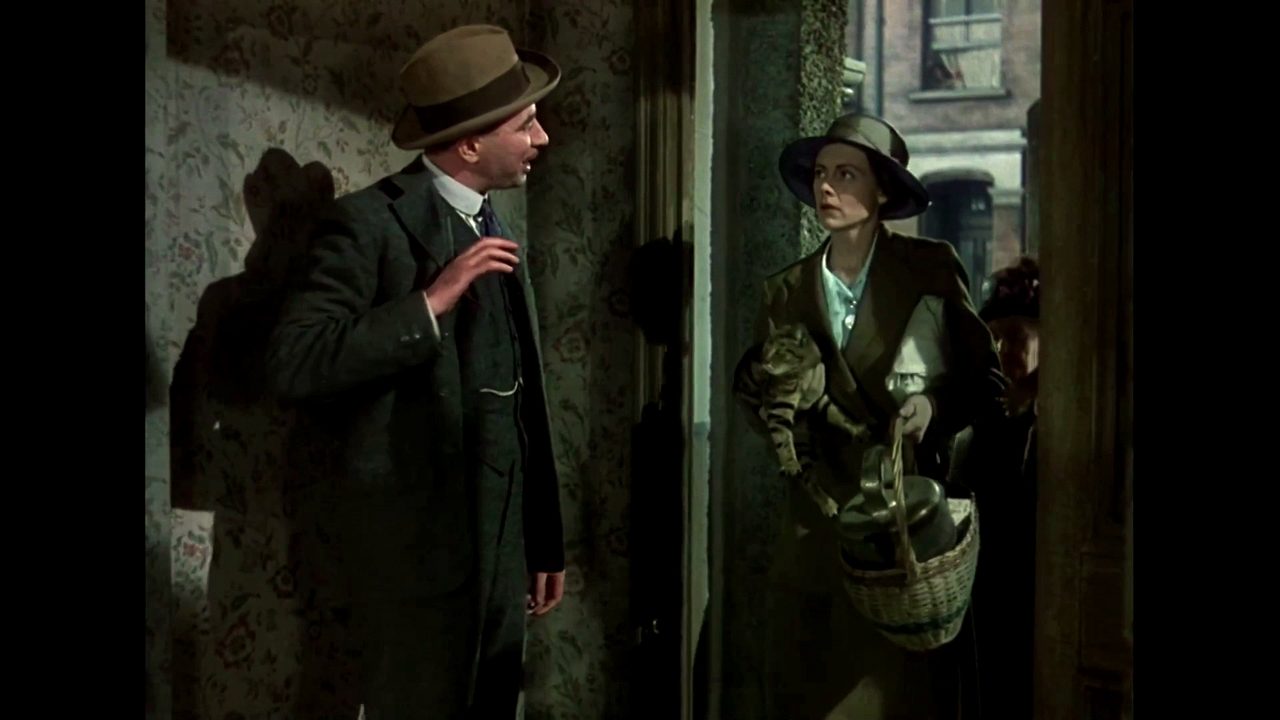
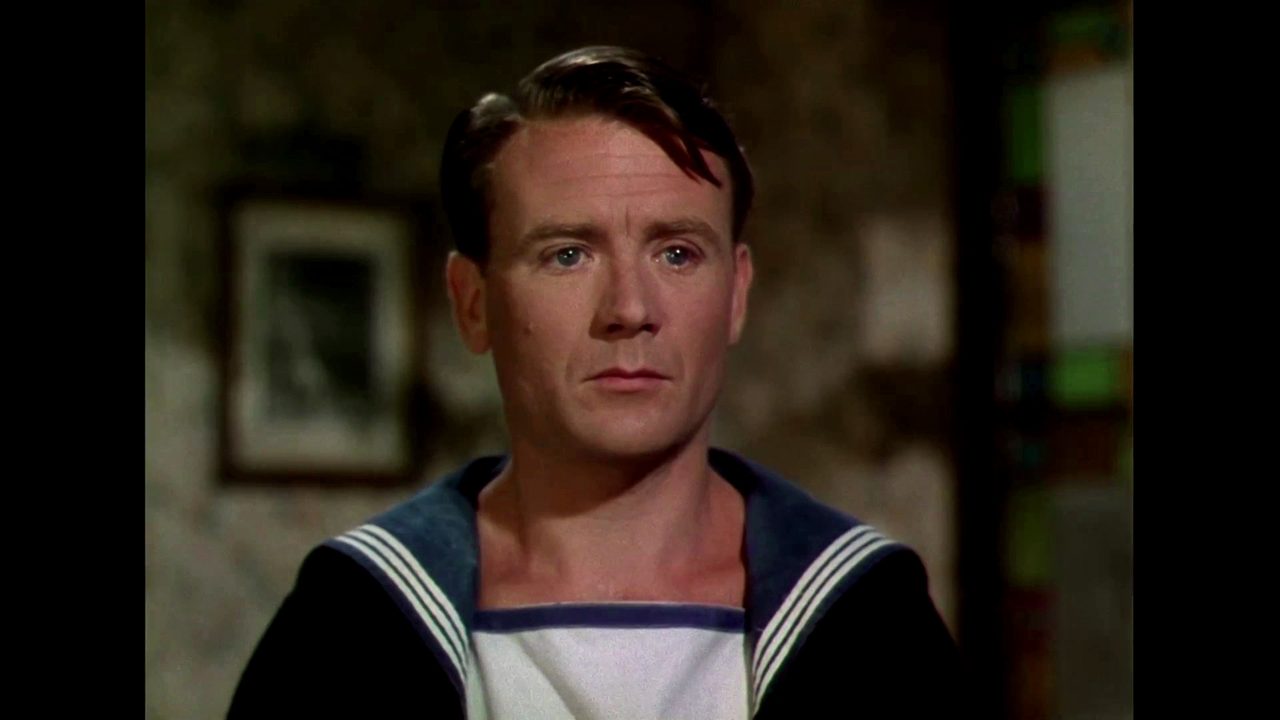
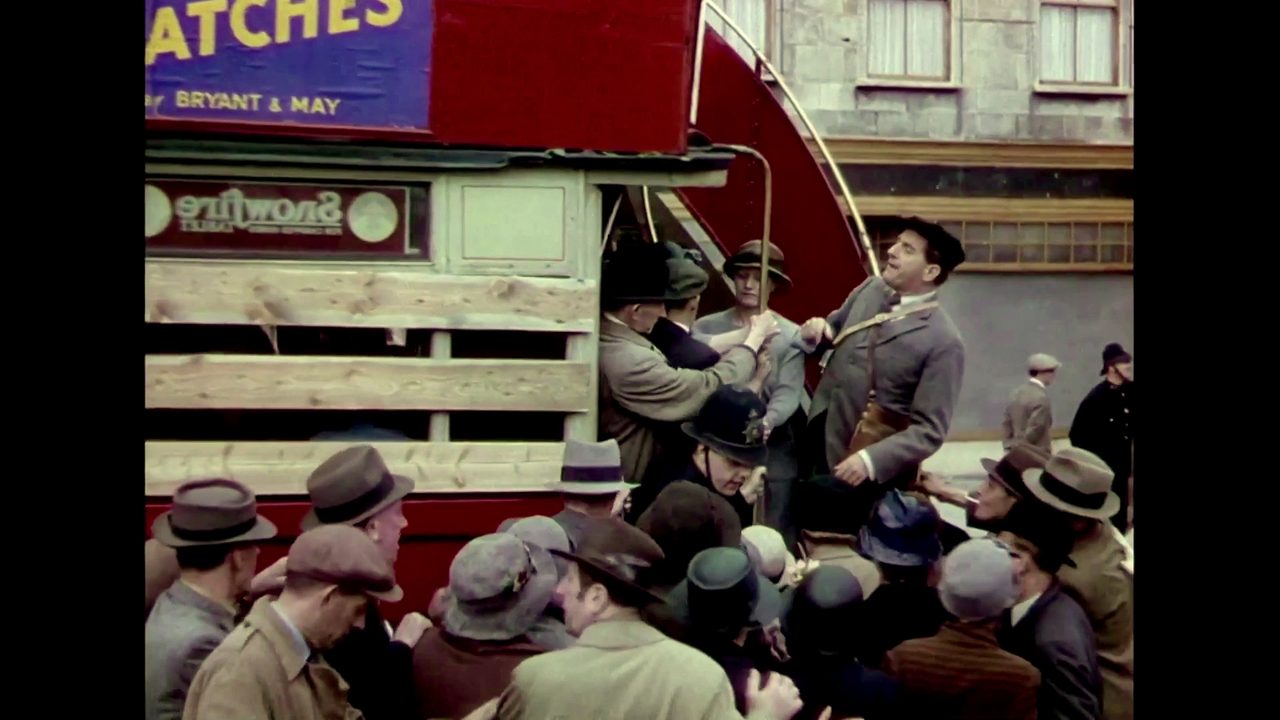
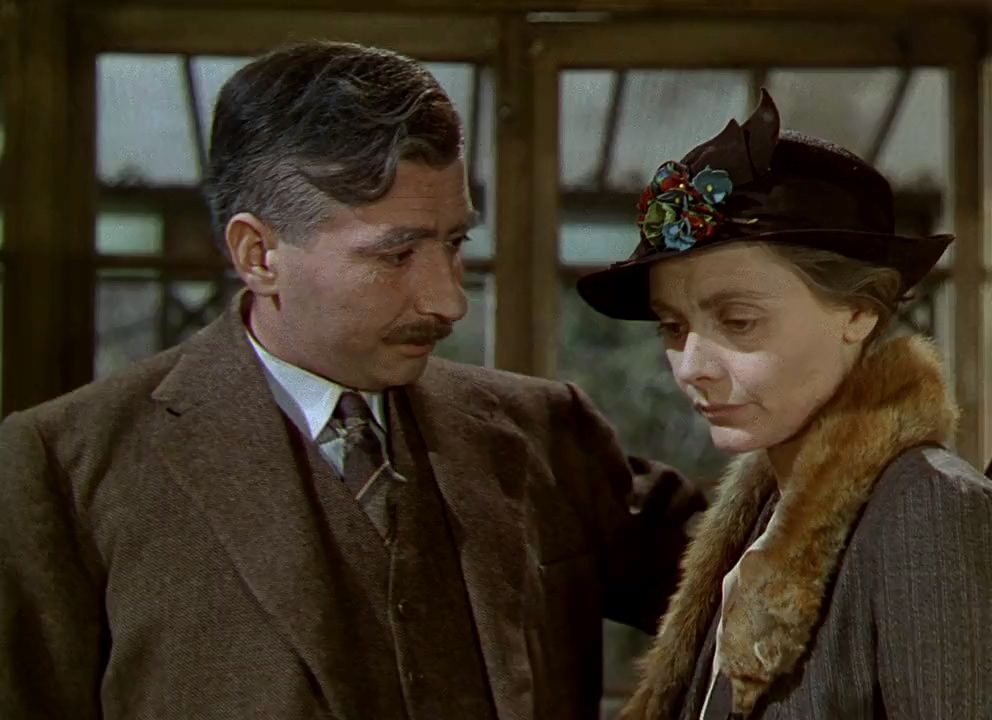
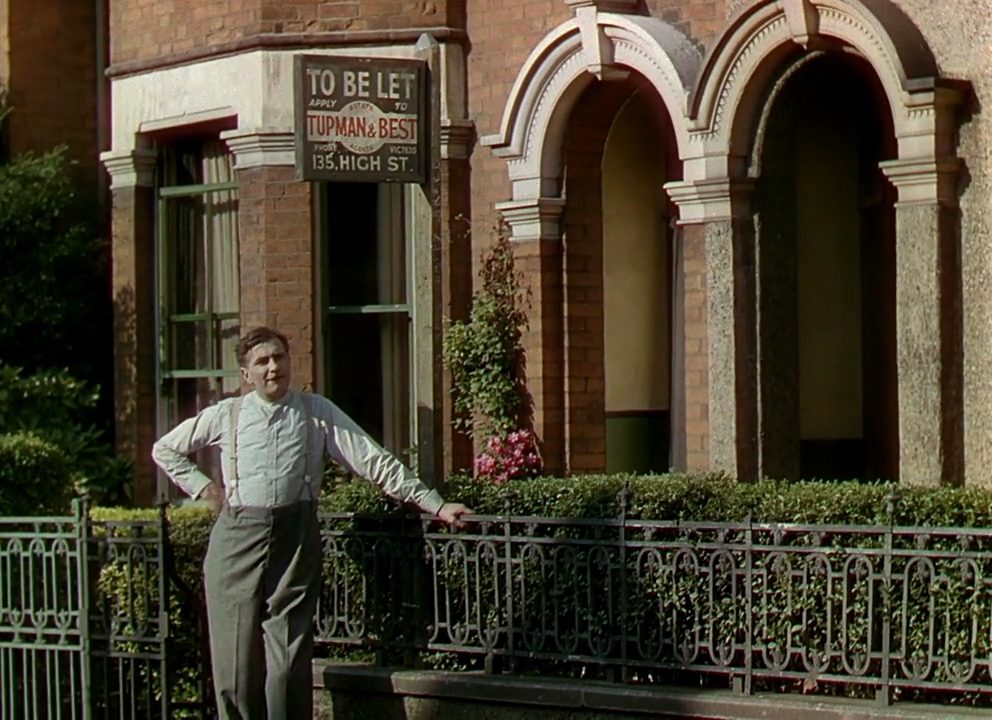
Frank Gibbons comes home from the First World War and moves with his wife Ethel and their three children, Reg, Vi and Queenie, into a house he rents in South London. His widowed sister Sylvia and Ethel's mother share the home. Frank is hired by a travel agency that arranges battlefield tours, and he is pleased to find an old army friend, Bob Mitchell, living next door. As the children grow up, the family marks peacetime by visiting the British Empire Exhibition at Wembley in 1924 and buying their first crystal radio. Reg strikes up a friendship with Sam, a socialist who takes an interest in Vi, while Bob's sailor son Billy courts Queenie, who longs for a life outside the suburbs.
Cast

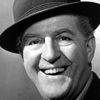
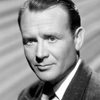

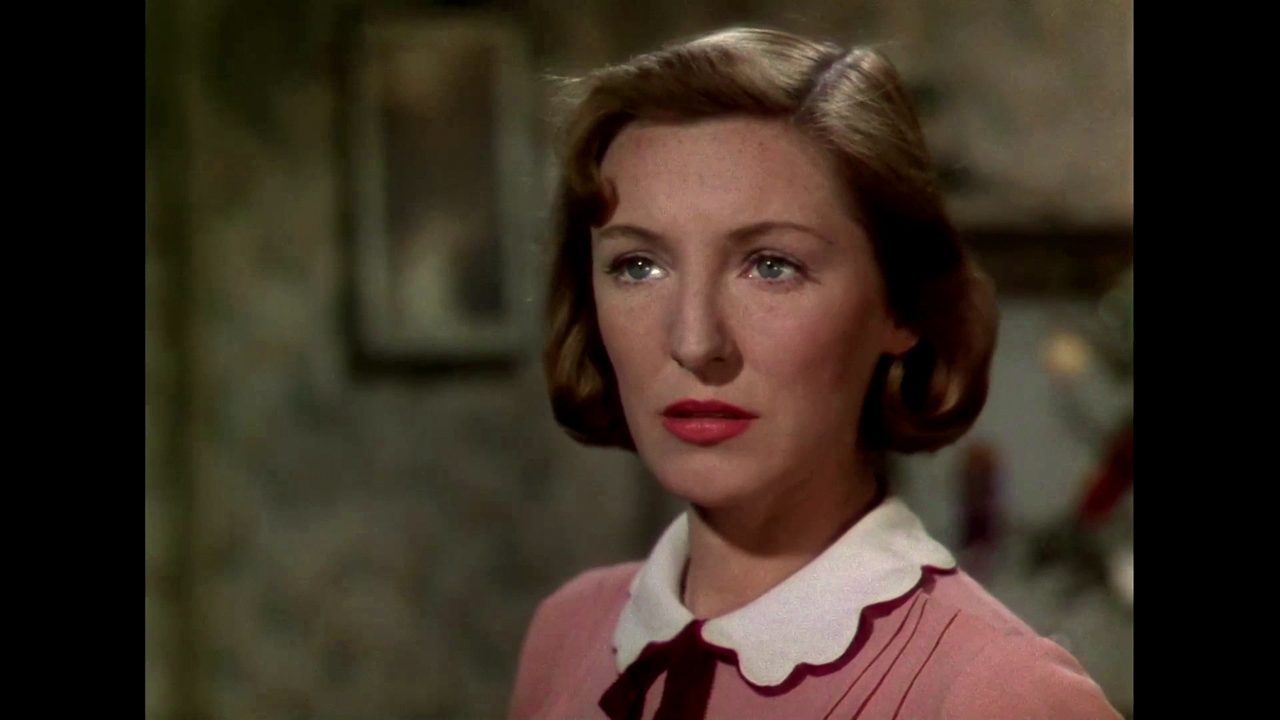
- Eileen Erskineas Vi
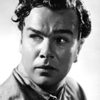
- Guy Verneyas Sam Leadbitter
- Betty Fleetwoodas Phyllis Blake
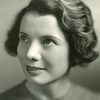


Show all 20 cast


Did you know?!Facts and trivia about This Happy Breed (1944)
Can contain spoilers, watch the movie first.
- Noël Coward, who had played Frank Gibbons on stage, wanted the screen role, but David Lean judged his urbane public persona impossible to accept as the working-class Gibbons and offered it instead to Robert Donat, who turned it down because he objected to his character's final speech in the play.
- The producers made Robert Newton sign a contract forfeiting £500 of his £9,000 salary every time his drinking delayed filming. Cameraman Ronald Neame said Newton had forfeited his entire fee by the end of the shoot, though the producers forgave him and paid it in full.
- David Lean insisted on shooting in three-strip Technicolor even though the stock was hard to obtain in wartime Britain, and was contractually bound to follow the guidelines of the set consultant, Joan Bridge, whose obsession with the smallest details he questioned and found maddening.
- This Happy Breed gave David Lean his first solo directing credit, after he had co-directed In Which We Serve with Noël Coward in 1942.
- Lean was already using his trademark trick of 'leaking' one scene into another, beginning a new scene before the old one has faded away, and used sound to anticipate the next scene and keep audiences in a state of expectation.
- The most time-consuming part of the film's later sound restoration was removing background noise that muffled dialogue when standard noise reduction was used; technicians had to filter the noise between individual words to eliminate static.