Trailer
Plot summary
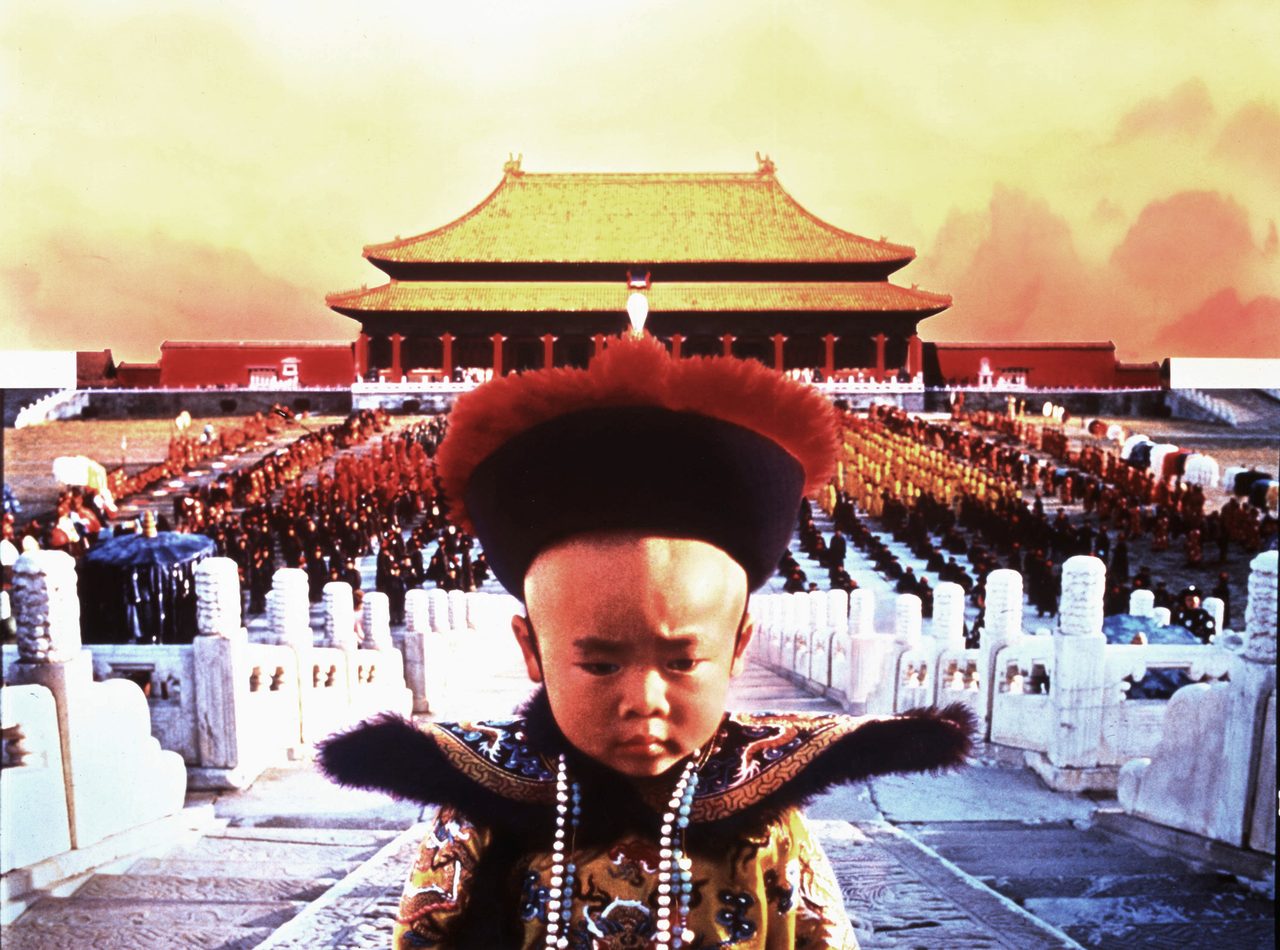
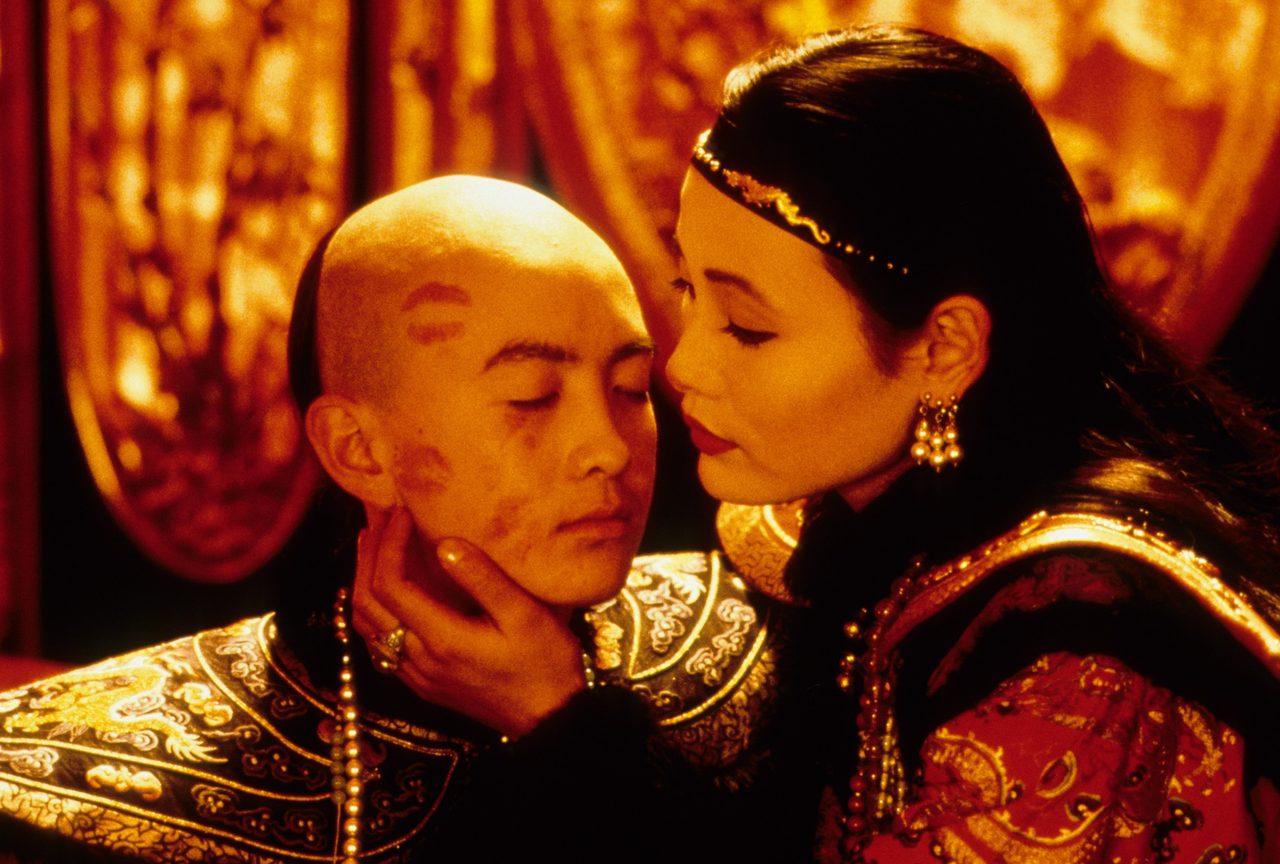
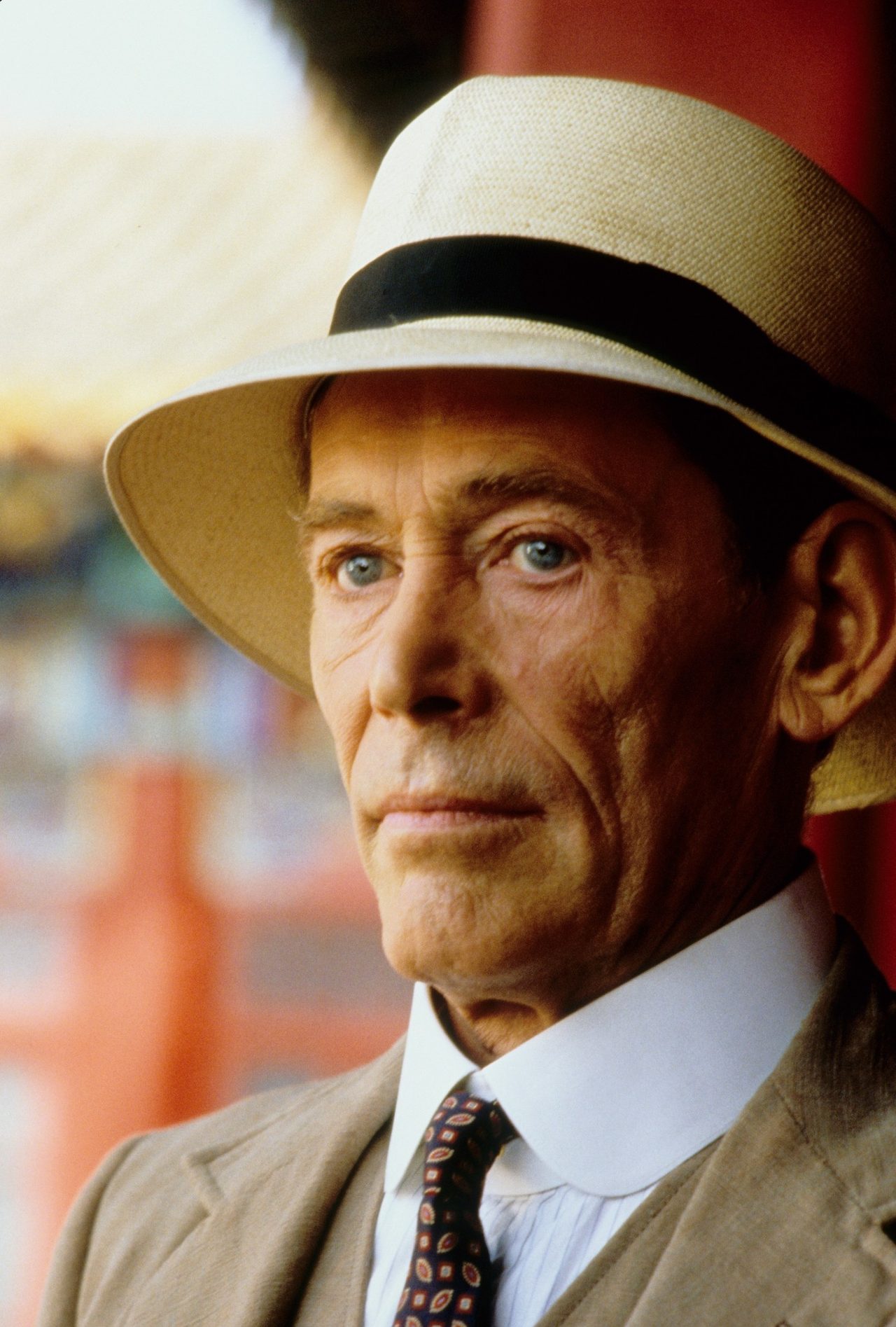
In 1950 Puyi, the last Emperor of China, arrives at Fushun Prison as a political prisoner, captured by the Red Army five years earlier. In 1908, the dying Empress Dowager Cixi summons the boy to the Forbidden City and names him the next emperor. Crowned at three, he asks to go home but is refused, and though eunuchs and maids wait on him, Ar Mo, his wet nurse, is his only friend. His brother Pujie tells him China is a republic and he is no longer emperor, and Ar Mo is sent away. In 1919 Reginald Johnston becomes his tutor and gives him a Western education. Johnston, wary of the courtiers' expensive lifestyle, tells Puyi that marrying is the best way to leave the Forbidden City; Puyi marries Wanrong and takes Wenxiu as a secondary consort.
Cast











Did you know?!Facts and trivia about The Last Emperor (1987)
Can contain spoilers, watch the movie first.
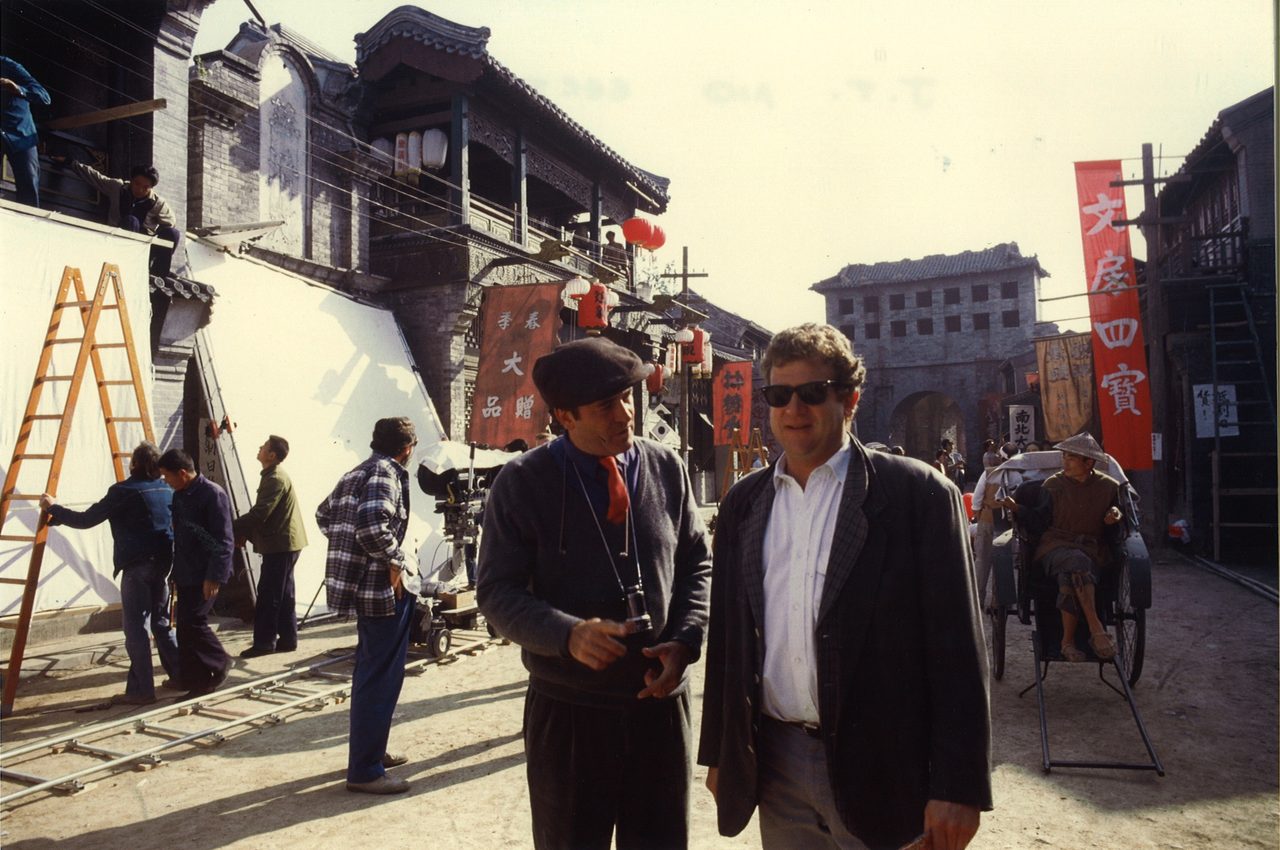
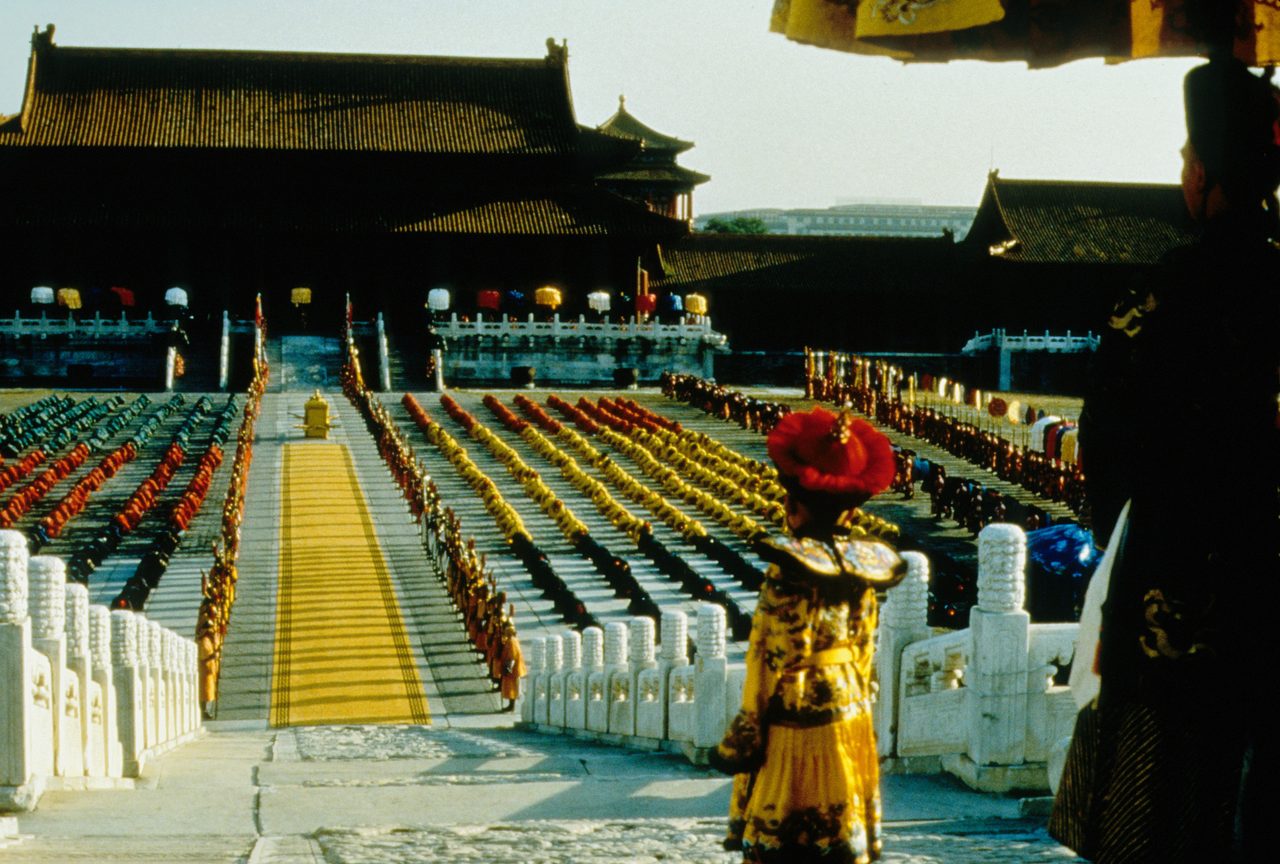
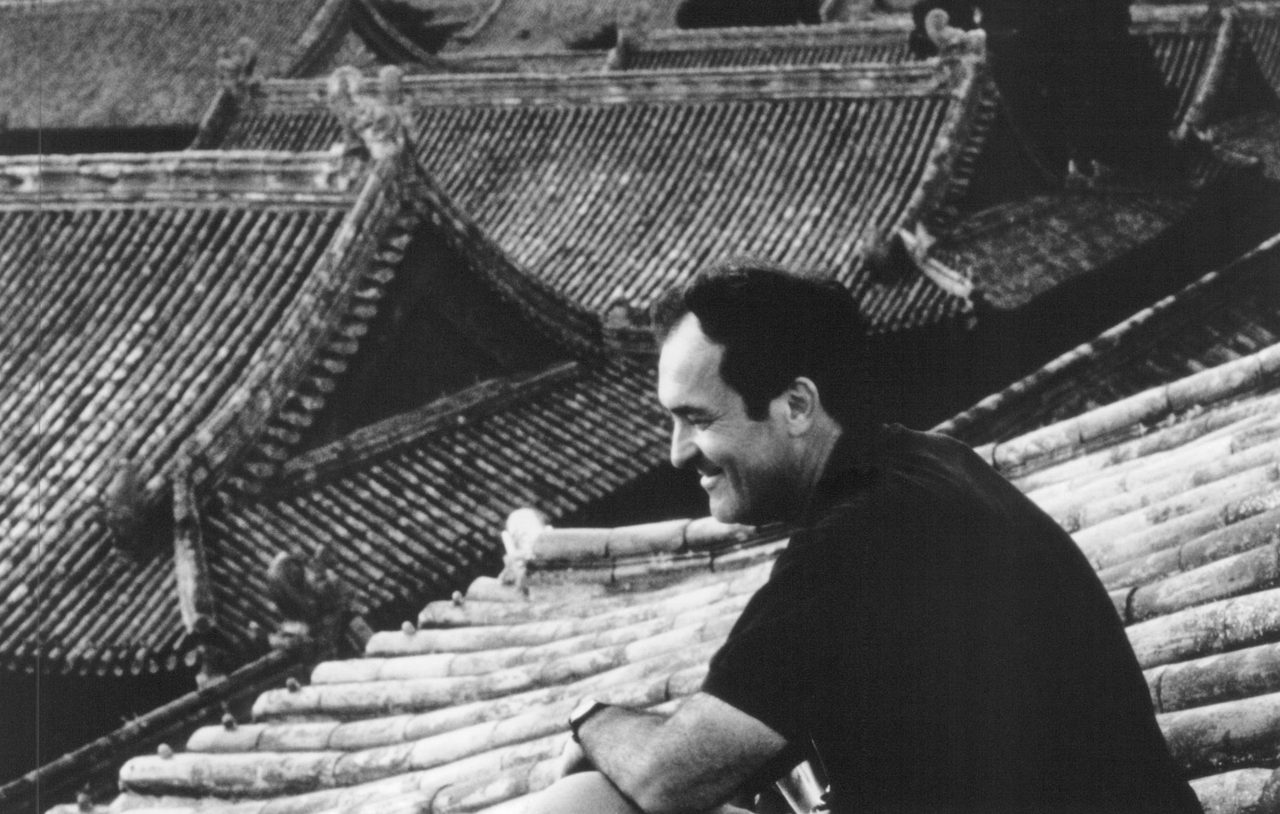
- It was the first Western feature film authorised by the People's Republic of China to film in the Forbidden City in Beijing.
- Producer Jeremy Thomas raised the $25 million budget for the ambitious independent production single-handedly; at one stage he scoured the phone book for potential financiers.
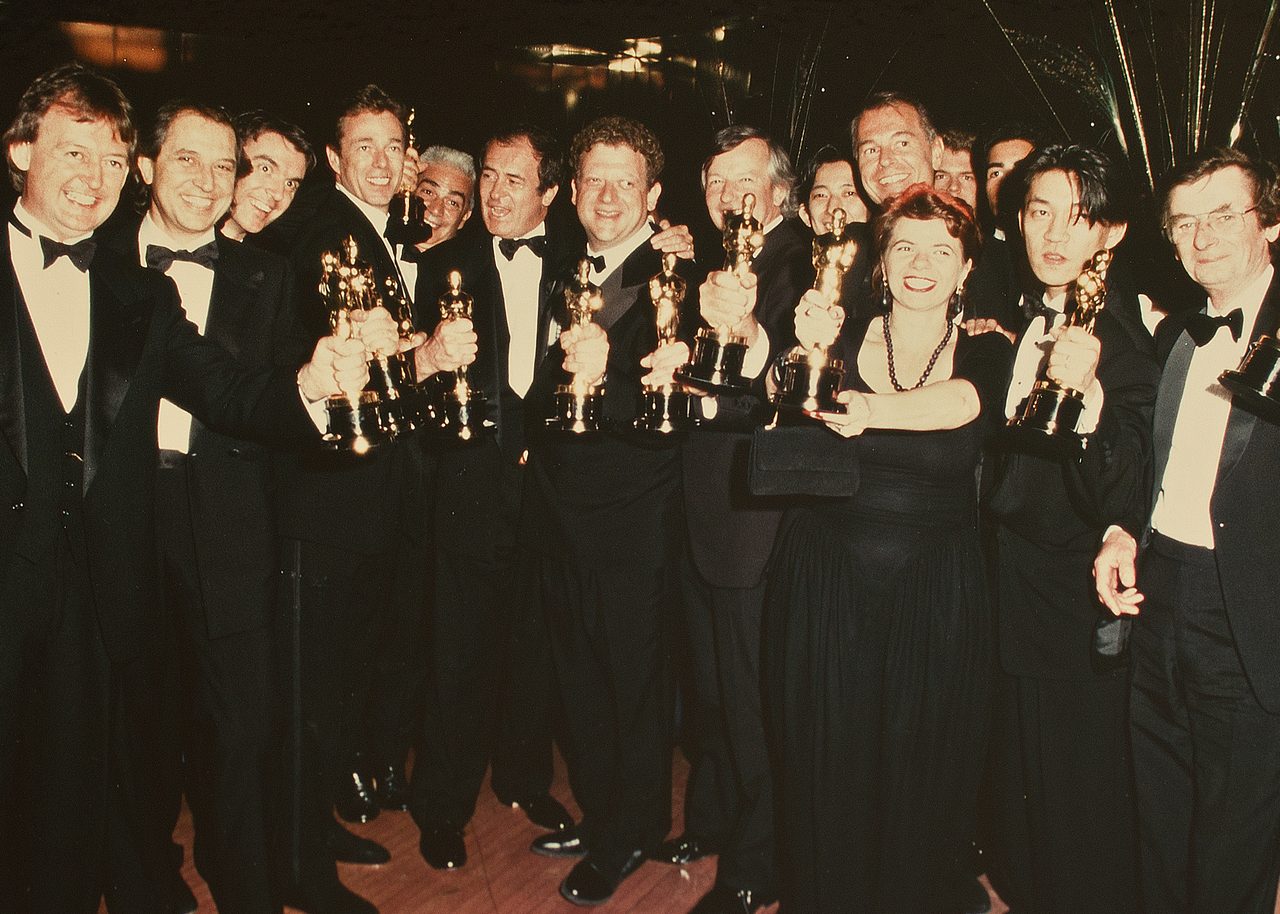
- At the 60th Academy Awards the film won all nine Oscars it was nominated for, including Best Picture, Best Director and Best Adapted Screenplay.
- Before shooting the parade scene, Bertolucci gathered four or five young directors he had met, among them Chen Kaige - who also plays the captain of the guard in the film - and Zhang Yimou, and asked them about the Cultural Revolution: "suddenly it was like I was watching a psychodrama: they started to act out and cry".
- The Shochiku Fuji Company edited out a thirty-second sequence depicting the Rape of Nanjing before distributing the film to Japanese theaters; Bertolucci had not given his consent for the cut and was furious at the interference, which he called "revolting".
- British historian Alex von Tunzelmann wrote that the movie considerably downplays the Emperor's cruelty: Puyi frequently had eunuchs beaten for mild transgressions or no reason at all, and once conspired to force a eunuch to eat a cake full of iron filings simply to see his reaction, until his wet nurse talked him out of it.
- 19,000 extras were needed over the course of the film, so many that the People's Liberation Army was drafted in to accommodate the production.