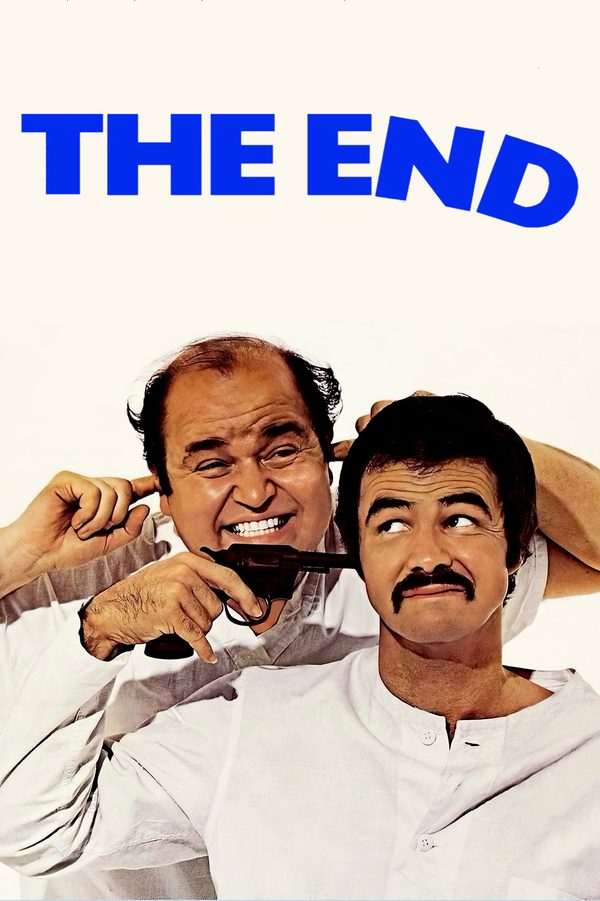
The End (1978) on Netflix
Wendell "Sonny" Lawson has a fatal blood disease and only months left. The Los Angeles real estate promoter decides not to wait out a slow decline and plans to end his life.
- Watch on NetflixThis title is not on Netflix right now. Please check back later for updates.
- Watch on Prime
- Watch on NordVPN
- Netflix3.0/5
- IMDb6.1/104,927 votes
- Rotten Tomatoes60%
Trailer

Plot summary
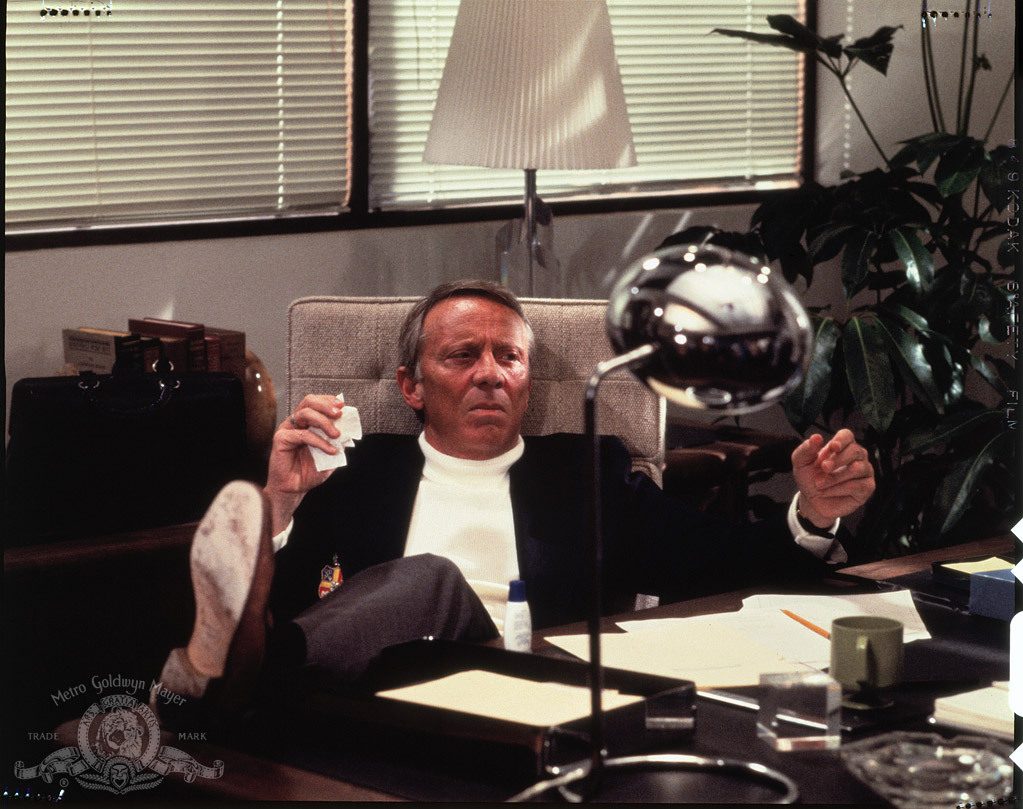
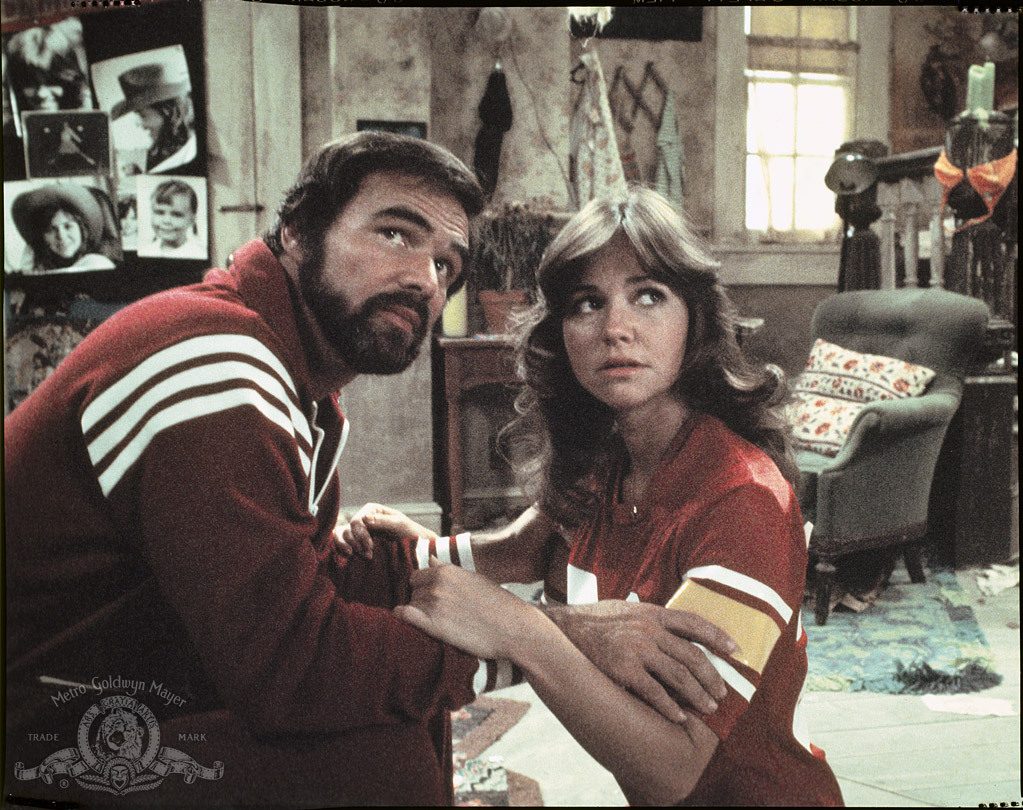
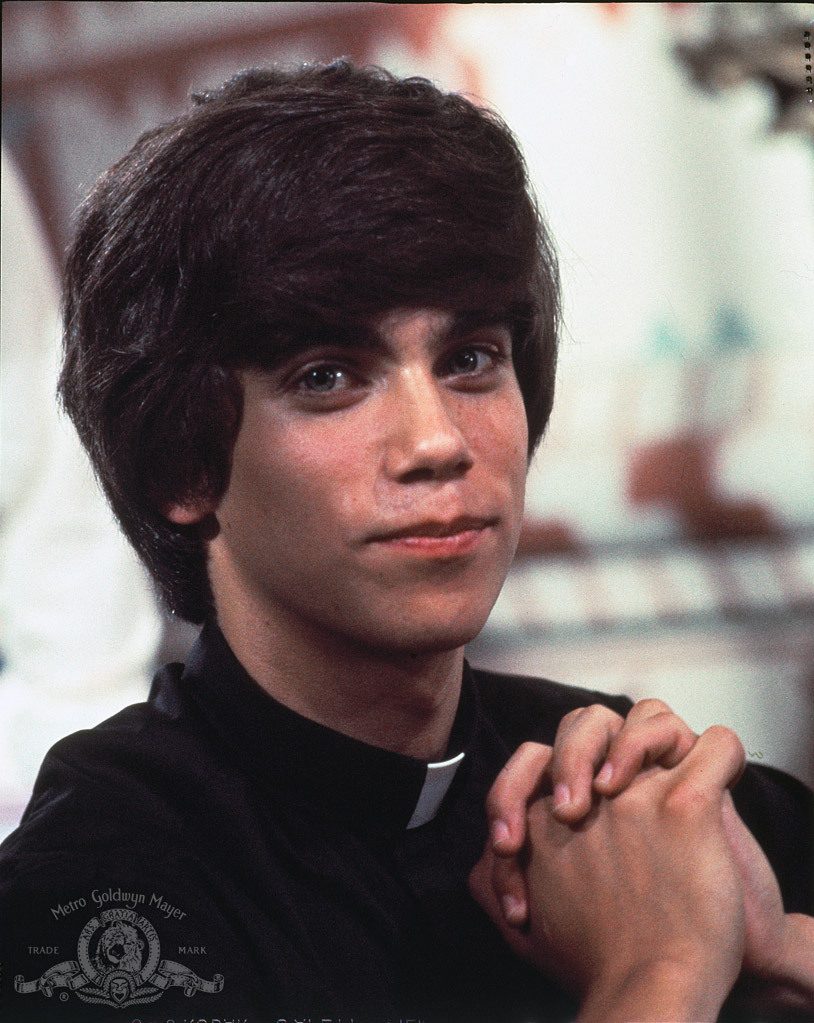
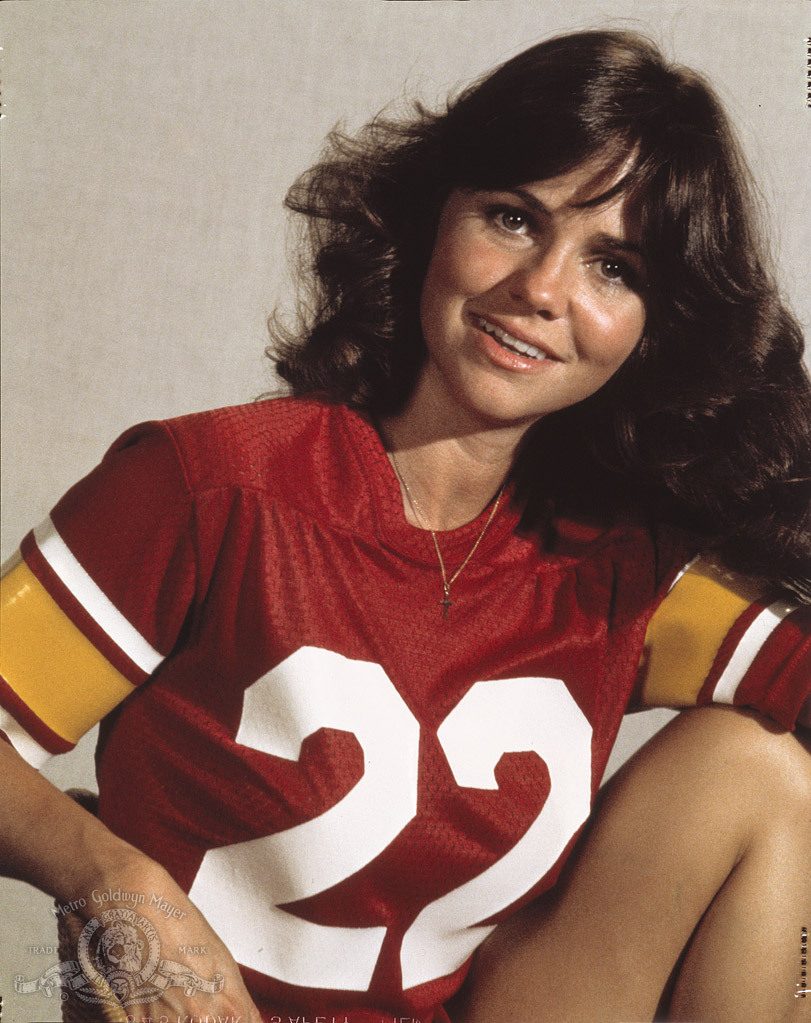
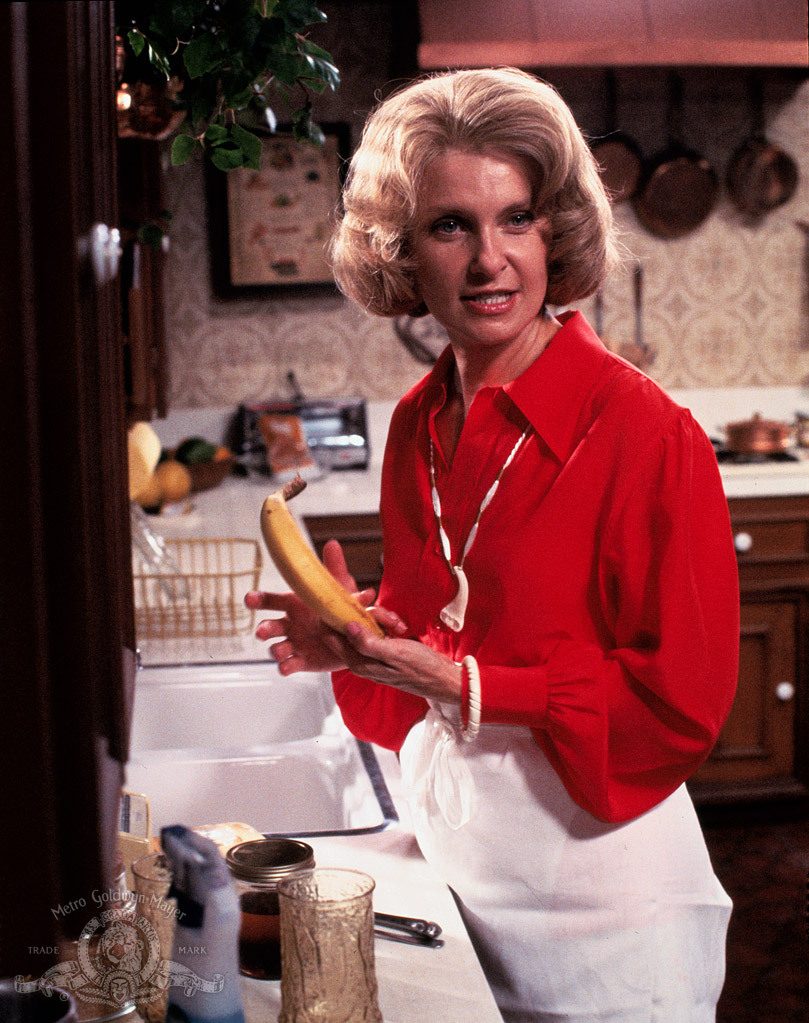
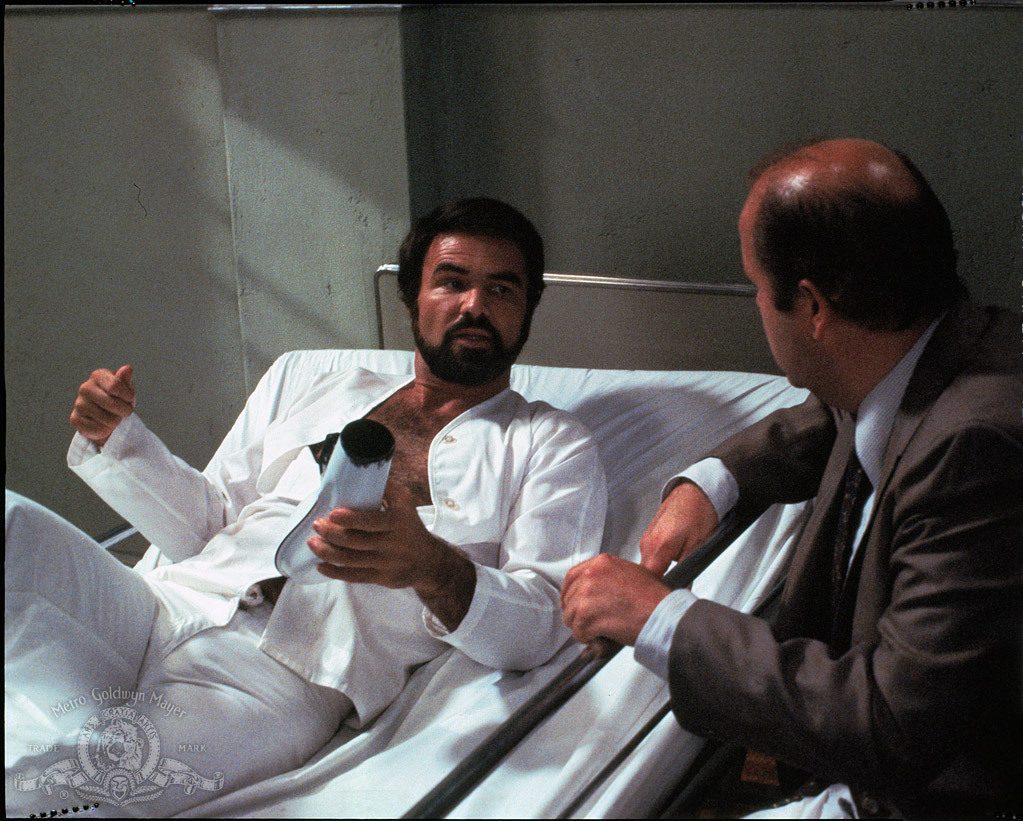
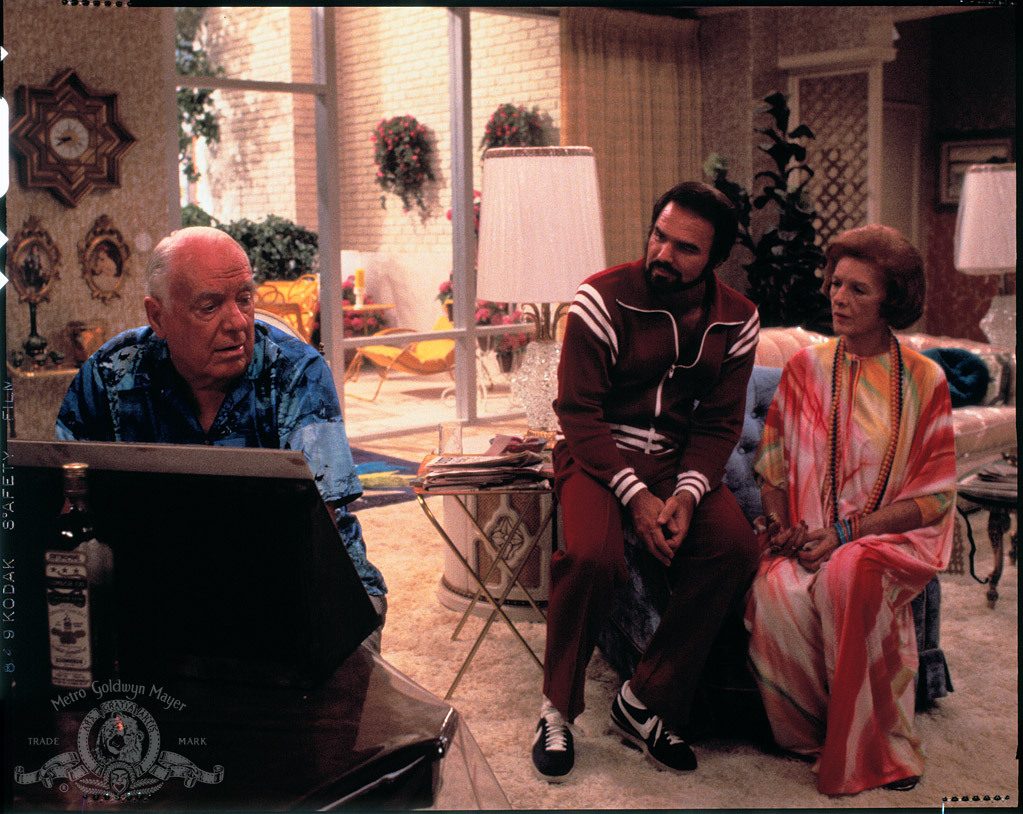
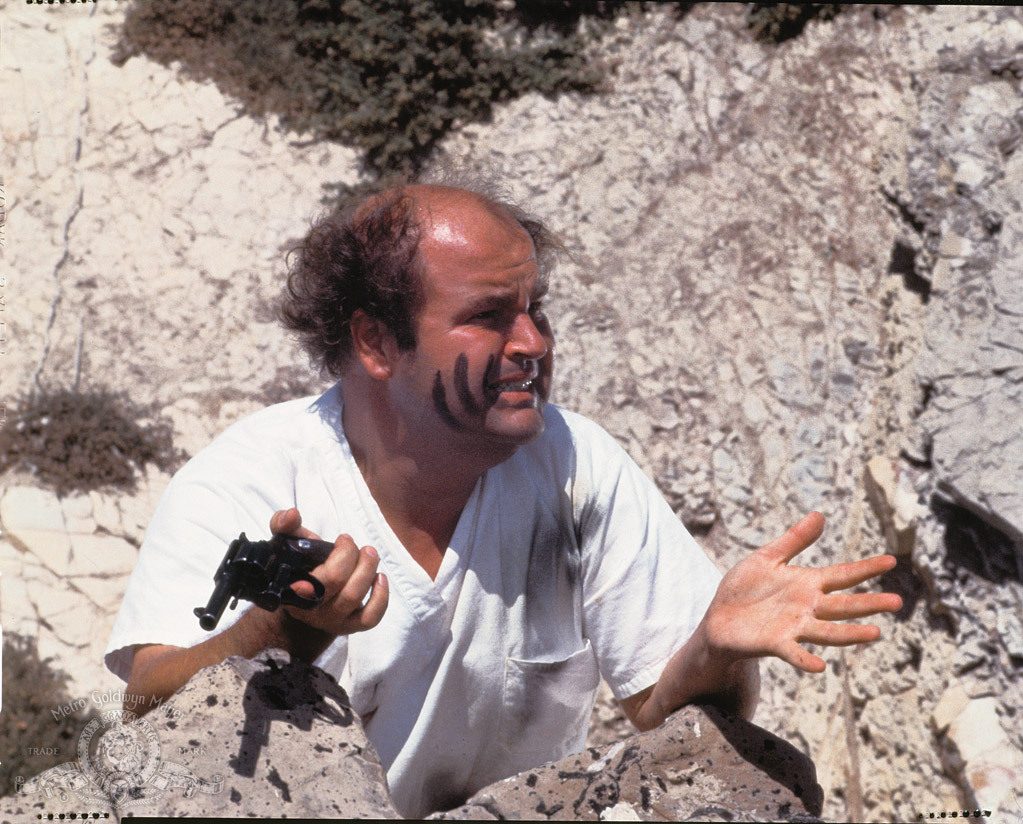
A Los Angeles real estate promoter, Wendell "Sonny" Lawson, is told by his doctor that a fatal blood disease gives him anywhere from a few months to a year. After a visit to a hospital intensive care unit, he resolves to end his life rather than endure the painful decline he has been told to expect. He sees friends and family, among them his daughter Julie and his ex-wife Jessica, and keeps his news and his intention from most of them; only Marty, his lawyer and closest friend, is let in. An overdose of sleeping pills leads to a stay in a mental institution, where he meets Marlon Borunki, another patient who offers to help him carry out his wish.
Cast











Did you know?!Facts and trivia about The End (1978)
Can contain spoilers, watch the movie first.
- Burt Reynolds only got his suicide comedy made by trading for it: Warner Bros. let him make The End on condition that he also did Hooper, which became a hit for the studio.
- The studio fought Reynolds over the look of the film, asking him to lose his beard and to make the dying hero a stock car racer instead of a real estate promoter. Reynolds refused both notes.
SPOILER
In the script as written, Dom DeLuise's character Marlon succeeds in killing Reynolds' character Sonny. Reynolds changed the finish because he felt the story needed to leave the audience with some hope.- Directing himself, Reynolds deliberately crowded his actors with the camera and used close-ups where other directors would use master shots, wanting the hero to look suffocated, a habit he took from European films such as Lina Wertmuller's Seven Beauties.