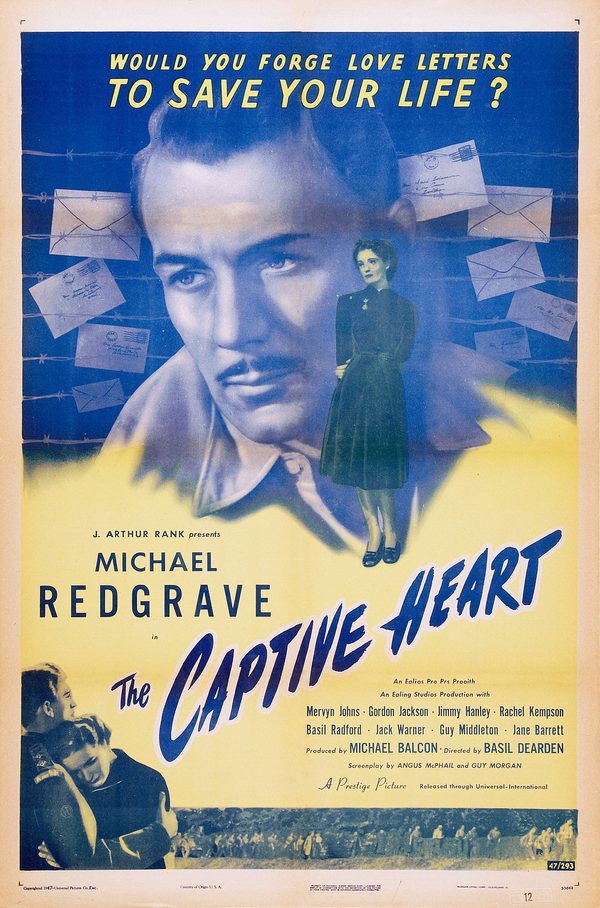
The Captive Heart (1946) on Netflix
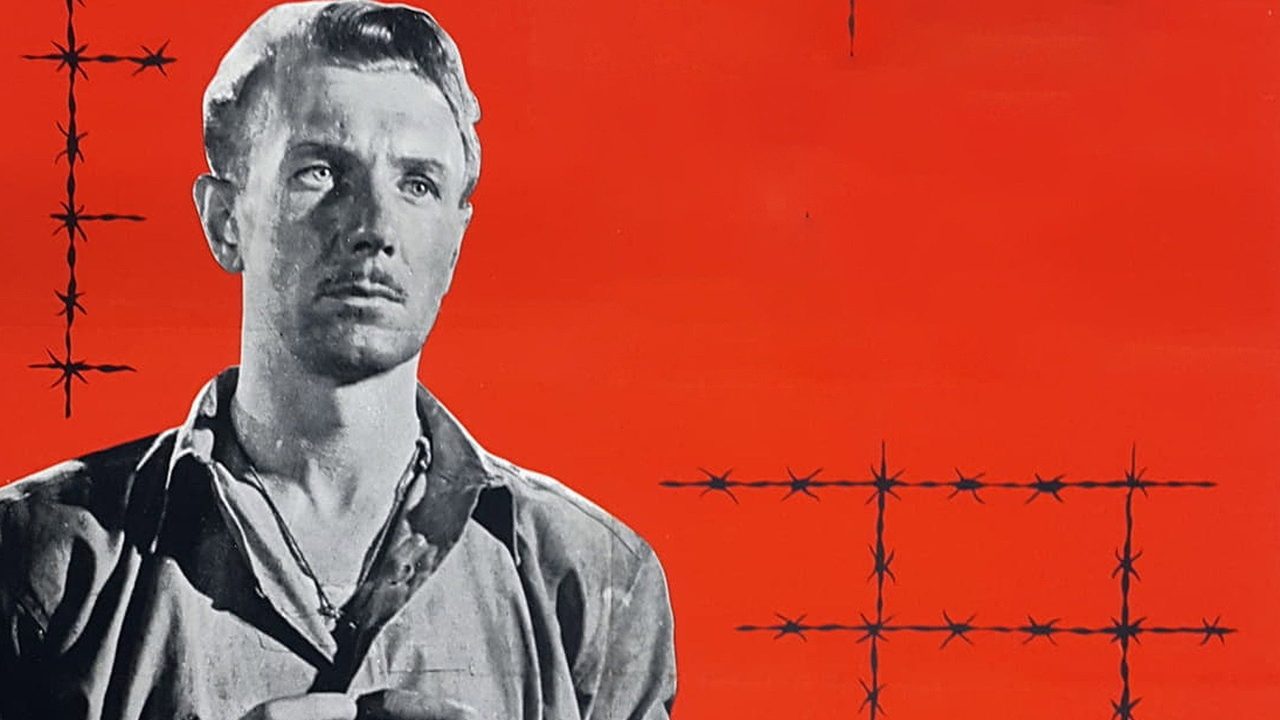
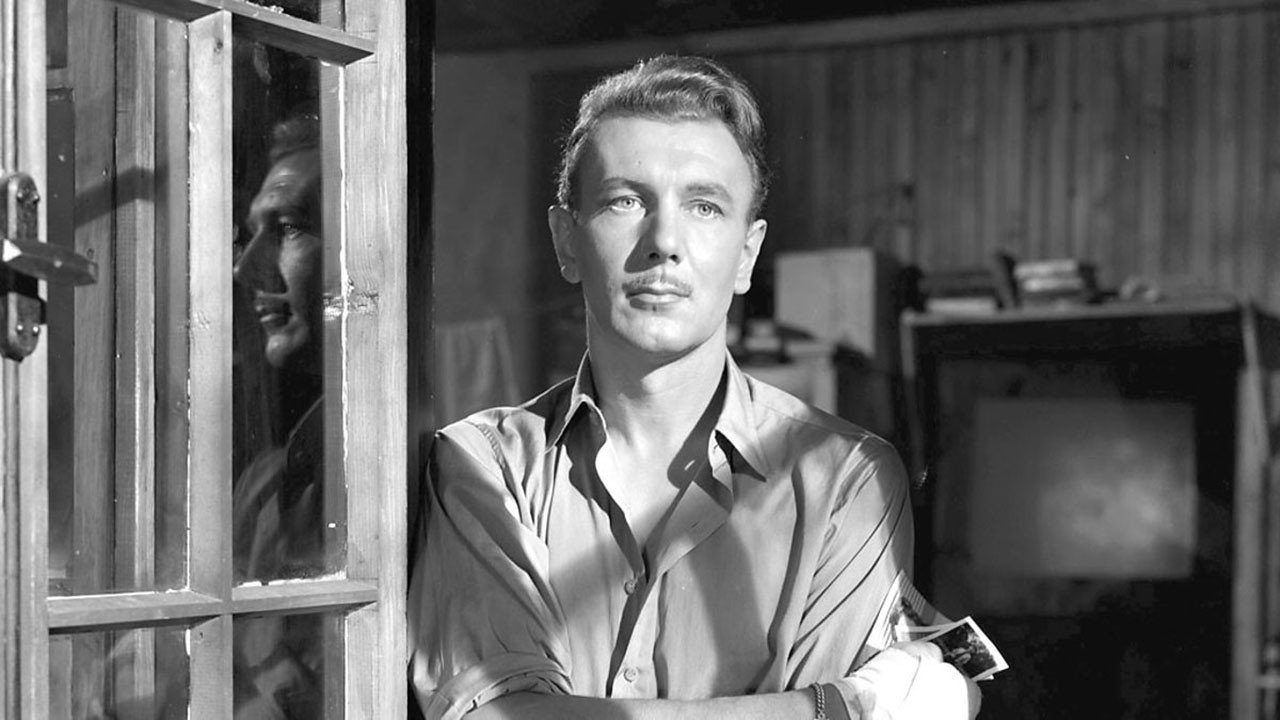
In 1940 Karel Hasek, a Czechoslovak officer, escapes Dachau and takes the name of a dead British officer. The British prisoners in his camp take him for a spy.
- Netflix3.5/5
- IMDb7.0/101,308 votes
- Rotten TomatoesNot available
Trailer
Plot summary
Karel Hasek, a captain in the Czechoslovak Army, gets out of Dachau in 1940 and reaches France as the German advance sweeps through. He takes the name of Geoffrey Mitchell, a British officer who has died, and after the fighting ends he is a prisoner in Germany. No one from Mitchell's unit was captured with him, and he speaks German, so the British prisoners suspect he is a spy. Major Dalrymple, the camp's senior British officer, listens to his account and accepts it. A Gestapo agent named Forster visits the camp. To keep up the pretense, Hasek answers letters from Celia, Mitchell's wife, who writes of their two children and of her wish to begin the marriage again. The Germans read prisoner mail, so he writes to her as her husband.
Cast




Did you know?!Facts and trivia about The Captive Heart (1946)
Can contain spoilers, watch the movie first.
- The film is partly based on the true story of Josef Bryks MBE, a Czechoslovak officer in the RAF Volunteer Reserve, and his relationship with a British WAAF, Gertrude Dellar, who was the widow of an RAF pilot.
- Guy Morgan, a journalist who had himself been a prisoner at Marlag Milag Nord, collaborated in writing the screenplay, and the British Army of the Rhine assisted the unit in making the large-scale camp scenes.
- Filming locations included Marlag, an ex-naval prisoner-of-war camp near Westertimke that had remained largely intact since the war ended the previous year, and Aston Rowant railway station.