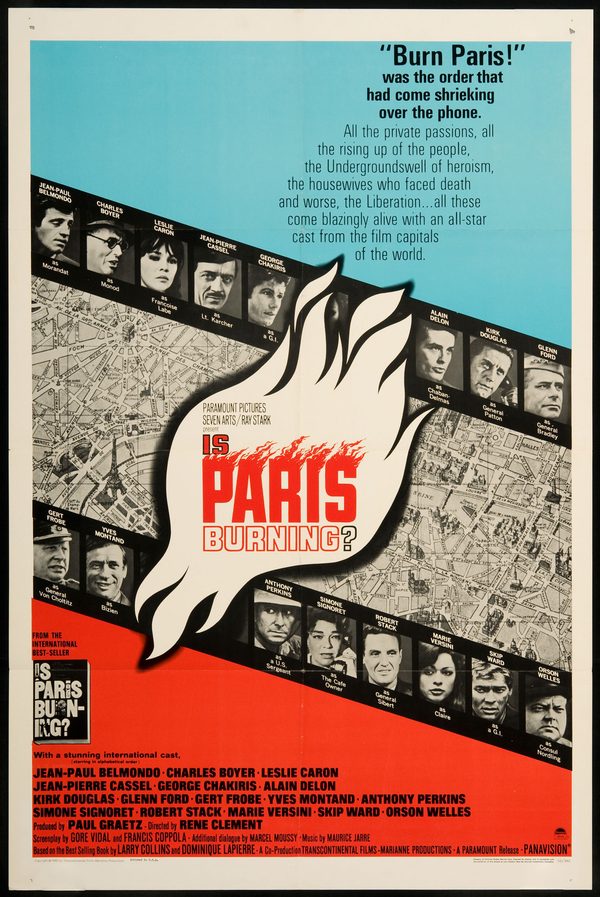
Is Paris Burning? (1966) on Netflix
PG-1319662h 53mDramaHistoryWar
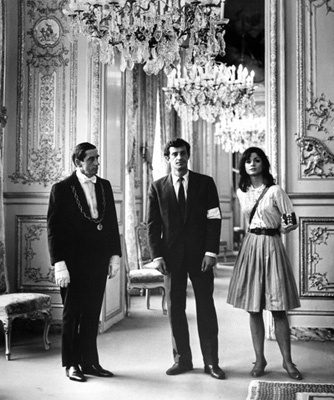
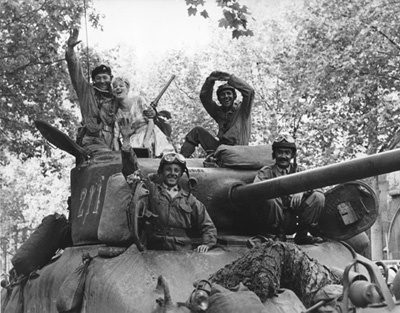
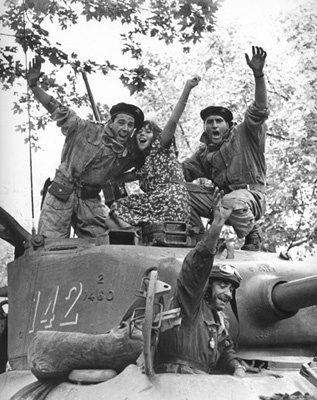
In 1944, Hitler orders General Dietrich von Choltitz to destroy Paris if the Allies take it. Resistance factions under Colonel Rol-Tanguy and Jacques Chaban-Delmas disagree over an uprising.
- Netflix3.6/5
- IMDb6.8/105,602 votes
- Rotten Tomatoes75%
Clip

Plot summary
Hitler makes General Dietrich von Choltitz military governor of occupied Paris, counting on him to destroy the city rather than let the Allies capture it. News reaches two Resistance factions that the Allied troops nearing the capital mean to go around it and avoid street fighting. The Gaullists led by Jacques Chaban-Delmas choose not to show themselves. The communists under Colonel Rol-Tanguy raise the citizens of Paris in a general uprising and take over government buildings, which pulls the Gaullists in. When his troops cannot clear the Resistance out of the Paris Police Prefecture, Choltitz orders the Luftwaffe to bomb it, and Swedish consul Raoul Nordling warns that stray bombs could hit cultural landmarks such as Notre Dame Cathedral.
Cast














Did you know?!Facts and trivia about Is Paris Burning? (1966)
Can contain spoilers, watch the movie first.
- Graetz told Coppola he had been making films 40 years before Coppola was born, and Coppola replied he would be making films 40 years after Graetz died. Graetz died a week later, in 1966.
- Because the French authorities would not let Nazi swastika flags keep their original red on public buildings, green flags were used; they photographed adequately in black and white, which is why the film was shot that way.
- Charles de Gaulle would only permit location filming in Paris if his rules were obeyed to the letter and was concerned with minimizing the French Communist Party's part in the liberation; screenwriter Francis Ford Coppola called it blatant political censorship.
- Orson Welles repeatedly clashed with Clément and refused to speak directly to him despite being fluent in French, reportedly upset that Clément had been given a large budget while Welles struggled to finance his own projects.
- Maurice Jarre's music for "The Paris Waltz", with lyrics by Maurice Vidalin, became a patriotic anthem, "Paris en colère", sung by Mireille Mathieu.