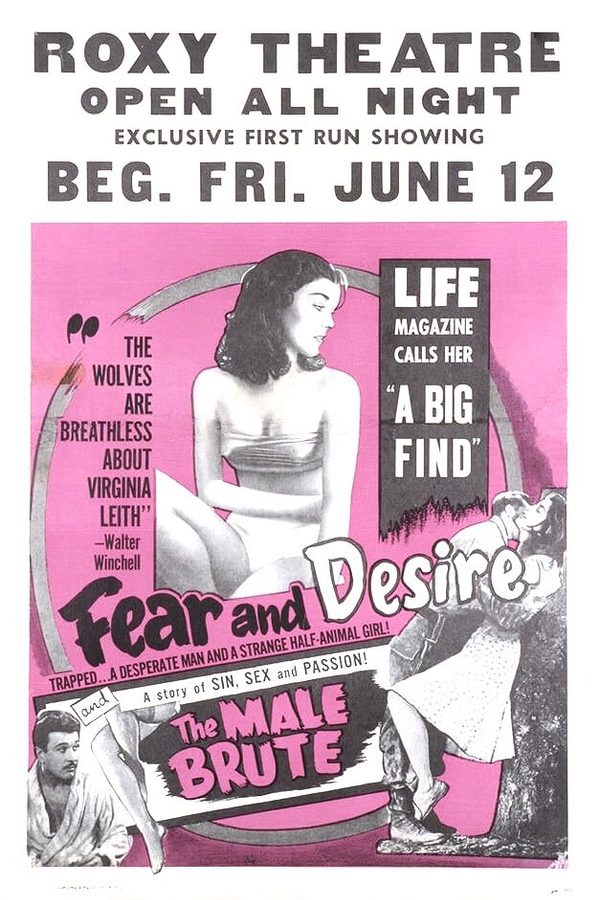
Fear and Desire (1953) on Netflix
Their plane goes down six miles behind enemy lines. Lieutenant Corby leads Mac, Sidney and Fletcher toward a river, where they plan to build a raft home. A peasant girl finds them.
- Netflix2.6/5
- IMDb5.3/1015,671 votes
- Rotten Tomatoes70%
Trailer

Plot summary
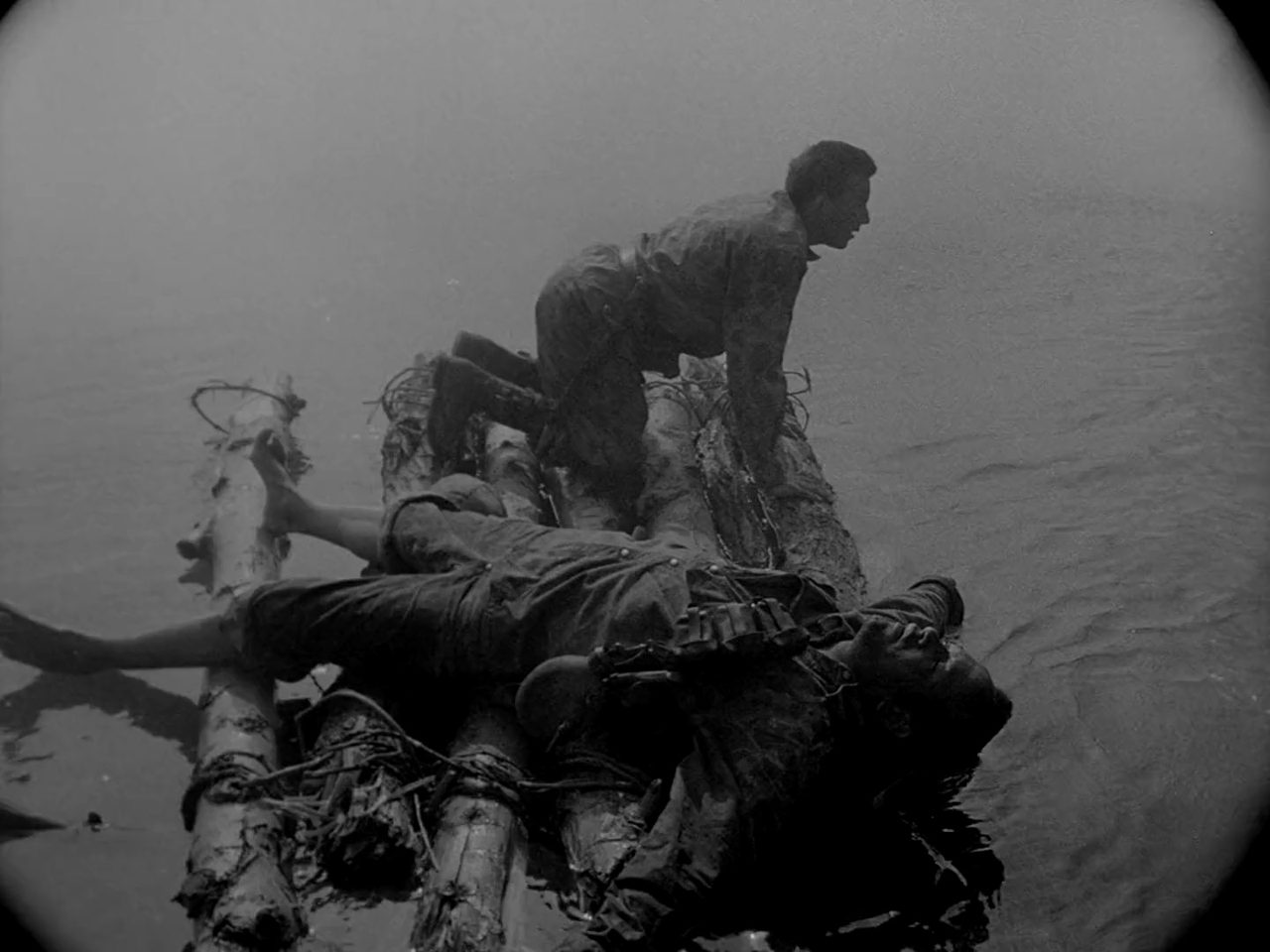
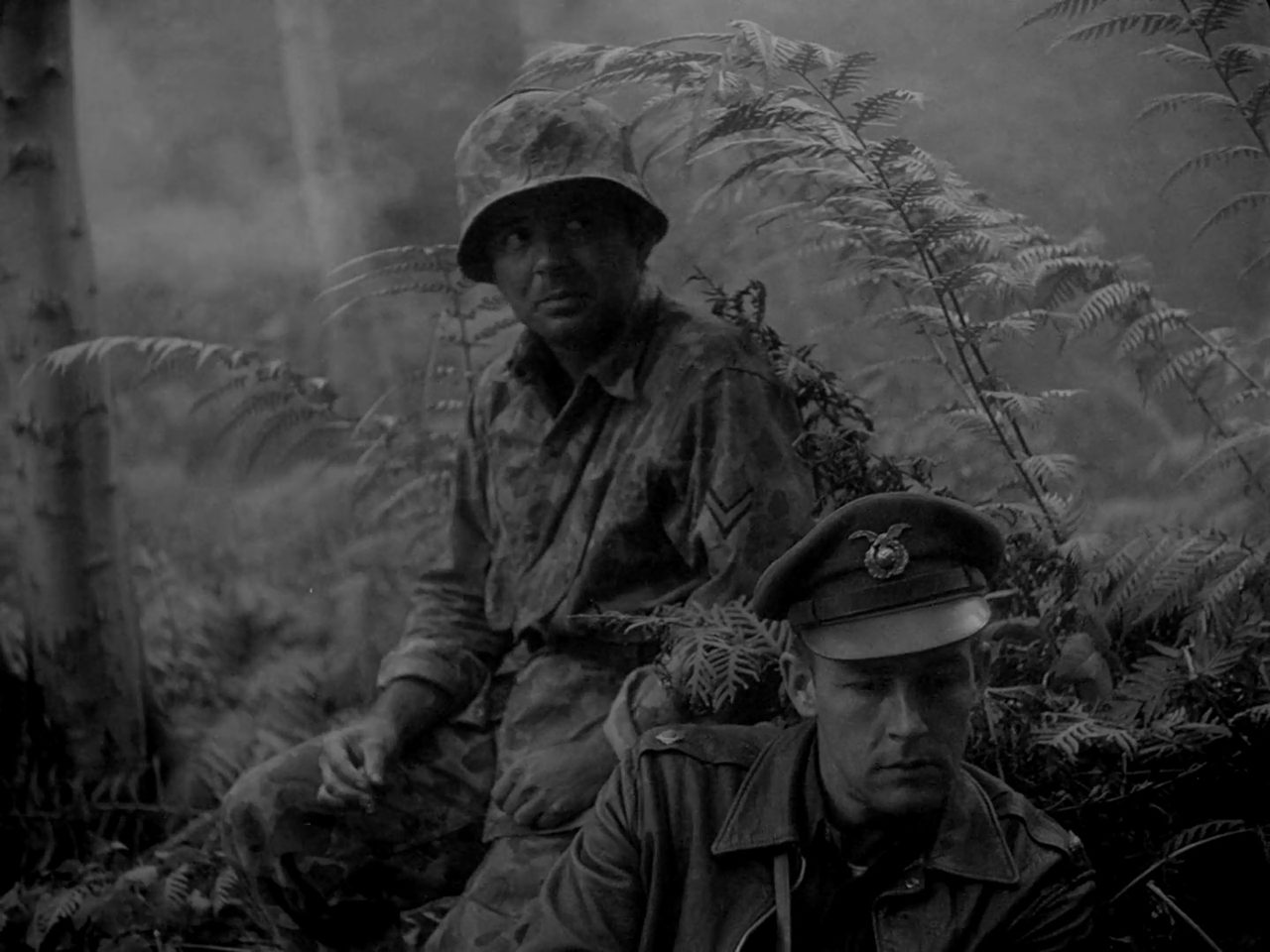
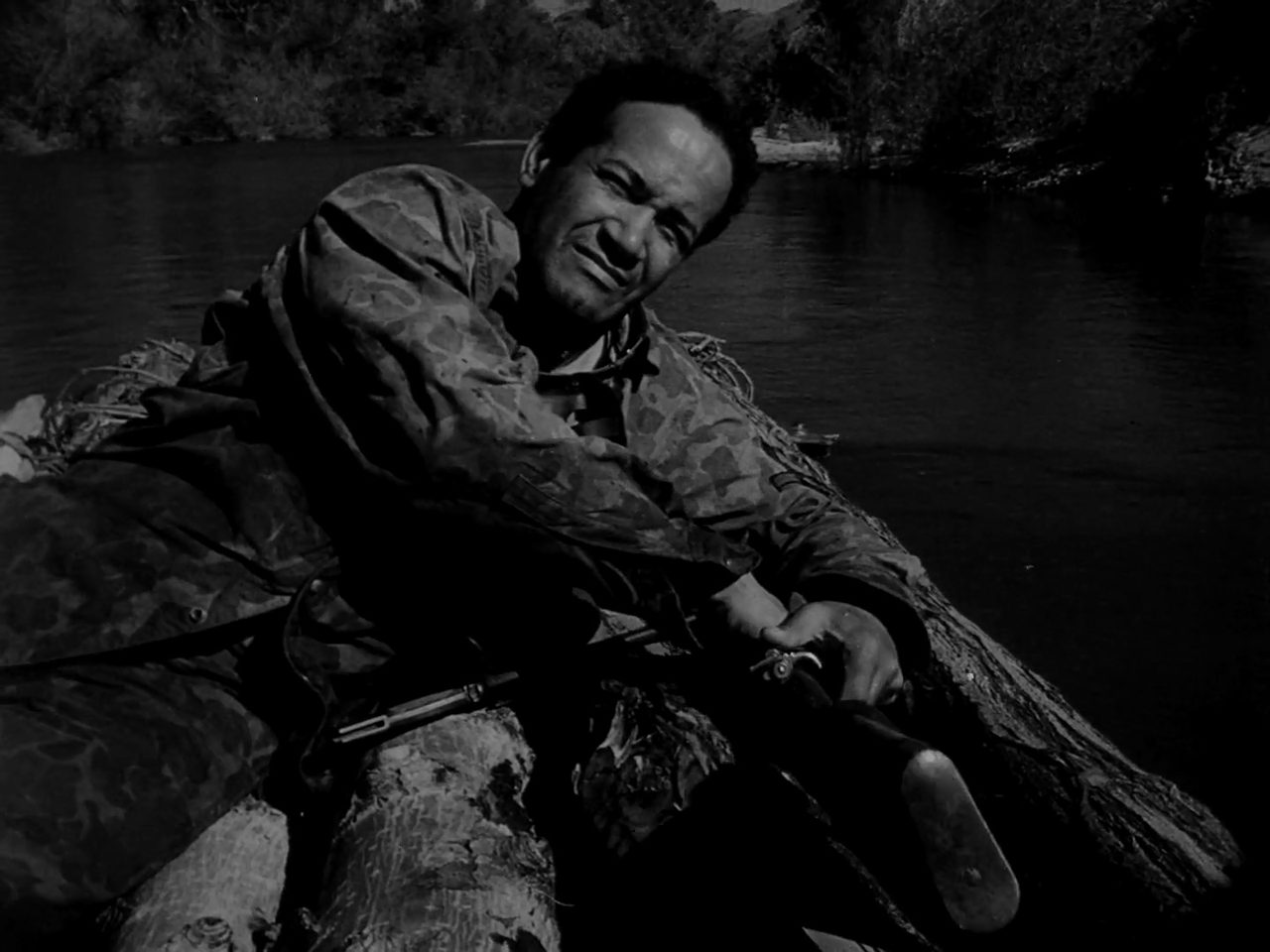
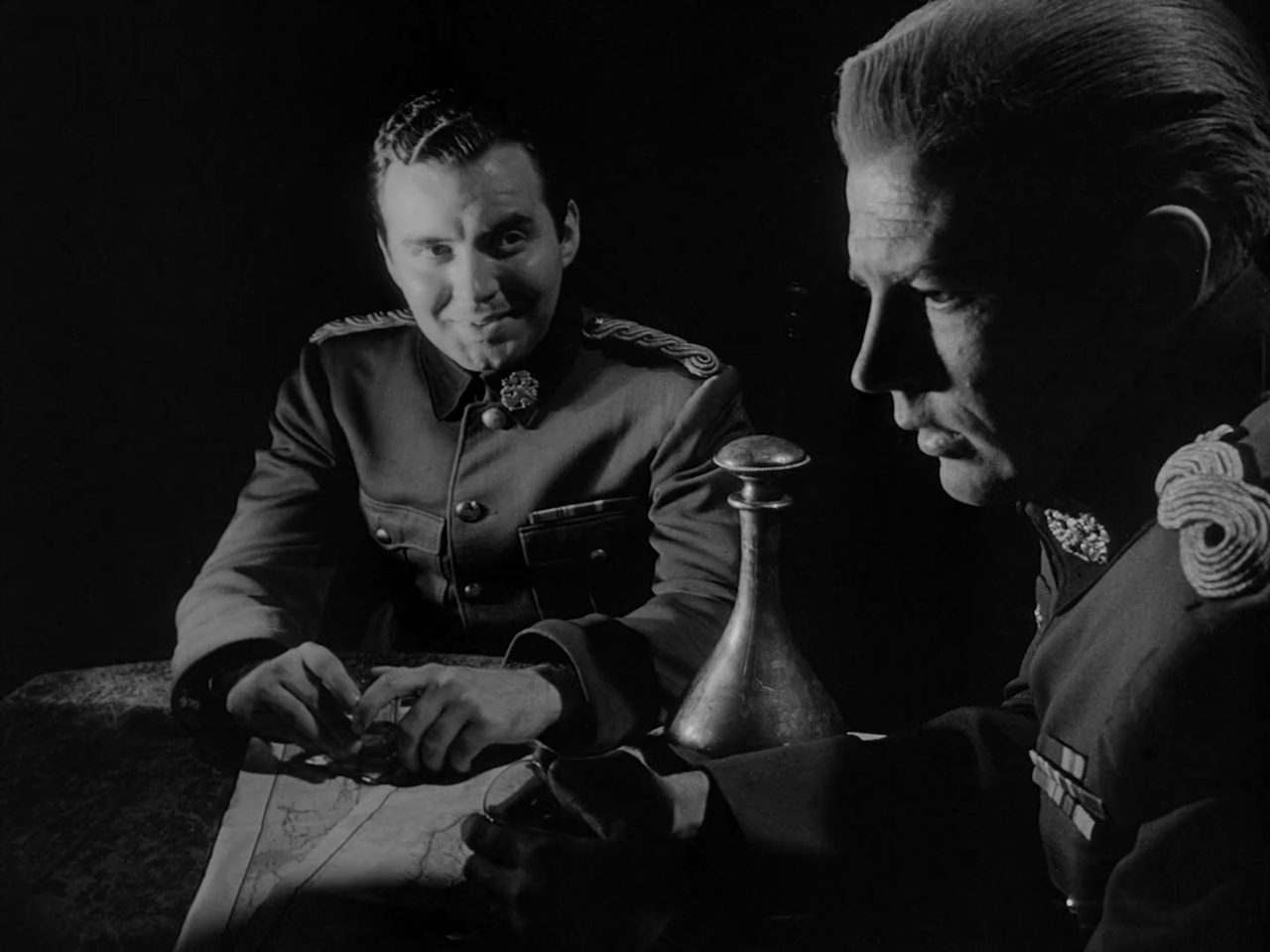
An unidentified war has left four soldiers stranded after their aircraft comes down six miles behind enemy lines. Lieutenant Corby, Sergeant Mac, Privates Sidney and Fletcher set out through a forest, and Corby's plan is to reach a river that crosses the front, fell trees for a log raft and float back to their battalion under cover of night. An enemy plane passes overhead and lands at a nearby airfield, where the men make out a high-ranking general. That night they take rifles and food from enemy soldiers in a cabin. In the morning a peasant girl who cannot speak their language comes upon them; the soldiers bind her to a tree and leave Sidney to guard her.
Cast


Did you know?!Facts and trivia about Fear and Desire (1953)
Can contain spoilers, watch the movie first.
- After distributor Joseph Burstyn died in 1953 and his company folded, Stanley Kubrick tried to burn Fear and Desire's original negative and destroy leftover prints of his own debut. A few prints survived in private collections.
- For fog in Fear and Desire, Stanley Kubrick used a crop sprayer that still contained the insecticide from its agricultural work; the cast and crew were nearly asphyxiated.
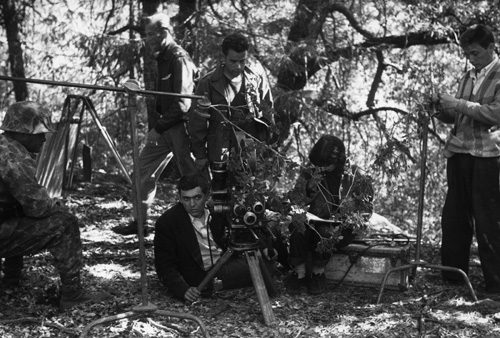
- With no dolly track on Fear and Desire, Stanley Kubrick moved the camera in a baby carriage for tracking shots, a substitute actor Paul Mazursky recalled.
- Kubrick intended Fear and Desire as a silent picture, but adding sounds, effects and music pushed the budget to around $53,000, and producer Richard de Rochemont bailed it out on condition that Kubrick help make a five-part Abraham Lincoln program for the TV series Omnibus, filmed in Hodgenville, Kentucky.
- While editing Fear and Desire, Kubrick found that in a scene where a soldier throws a plate of beans down, the actor entered the frame from the wrong side, breaking the stage line; the negative had to be flipped during printing to keep continuity, at extra cost.