Cave of Forgotten Dreams (2010) on Netflix
G20101h 30mDocumentaryHistory
In 1994, three explorers found a cave in southern France holding paintings up to 32,000 years old. A documentary crew is granted limited entry to record them.
- Netflix3.7/5
- IMDb7.4/1018,998 votes
- Rotten Tomatoes96%
Trailer

Plot summary
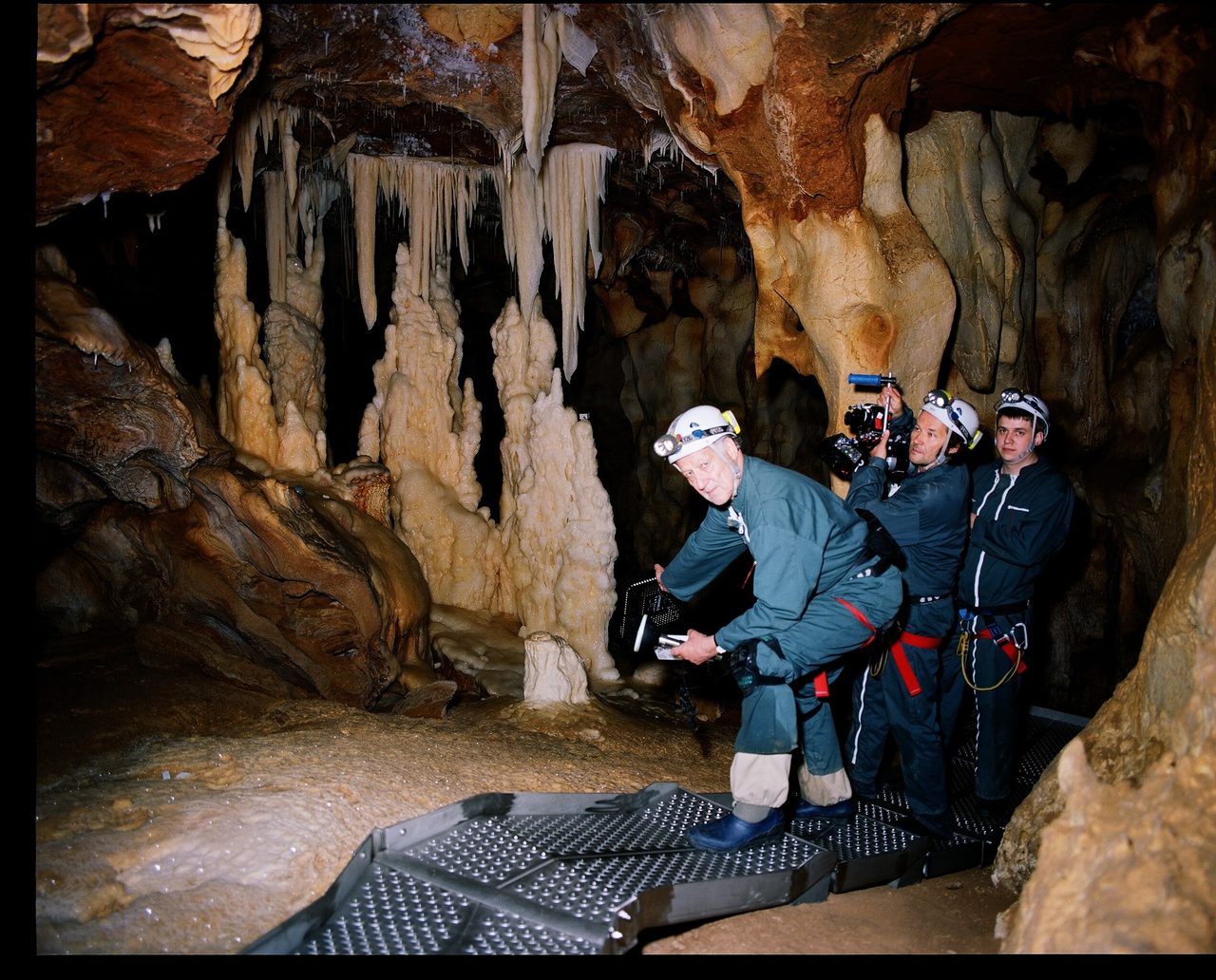
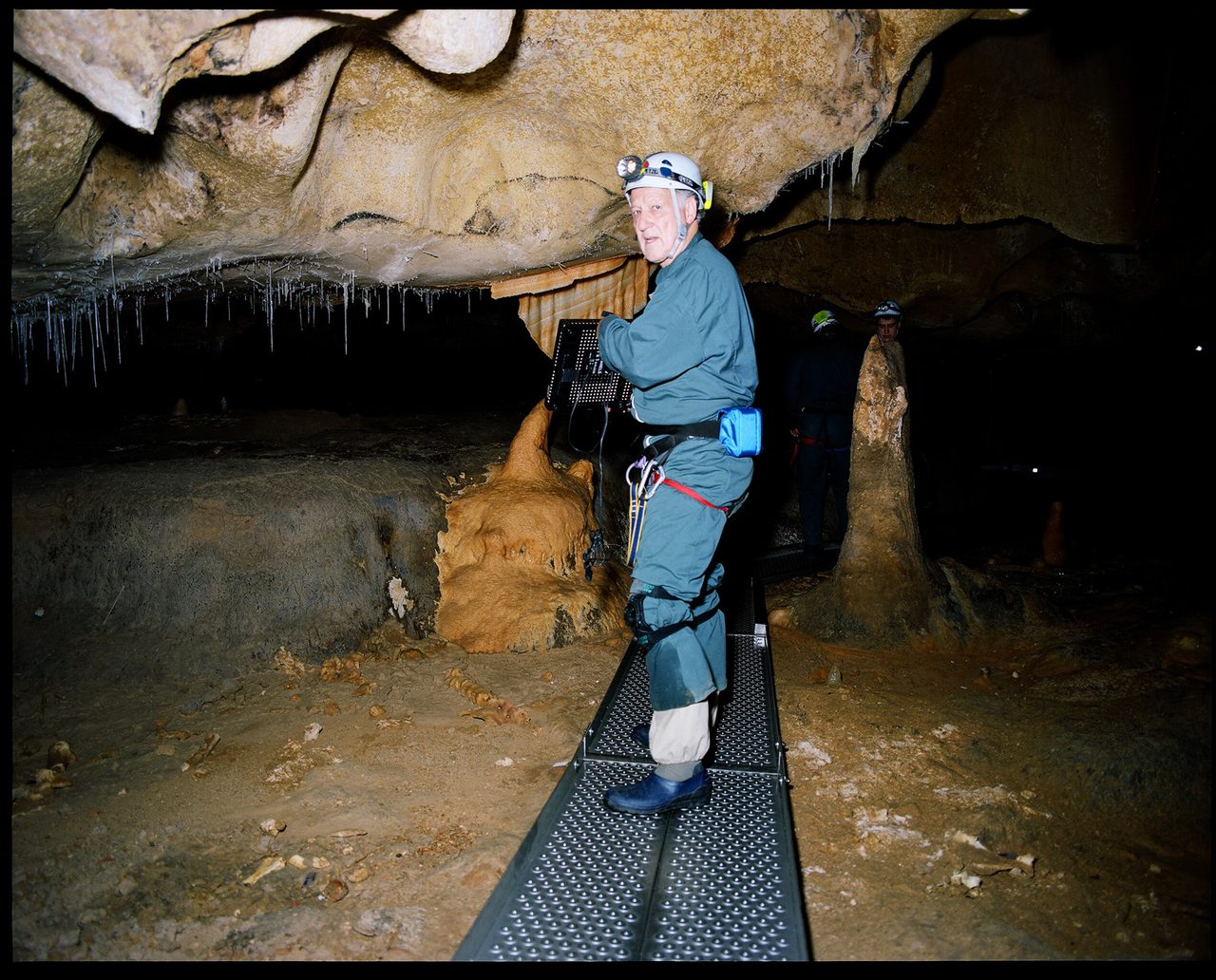
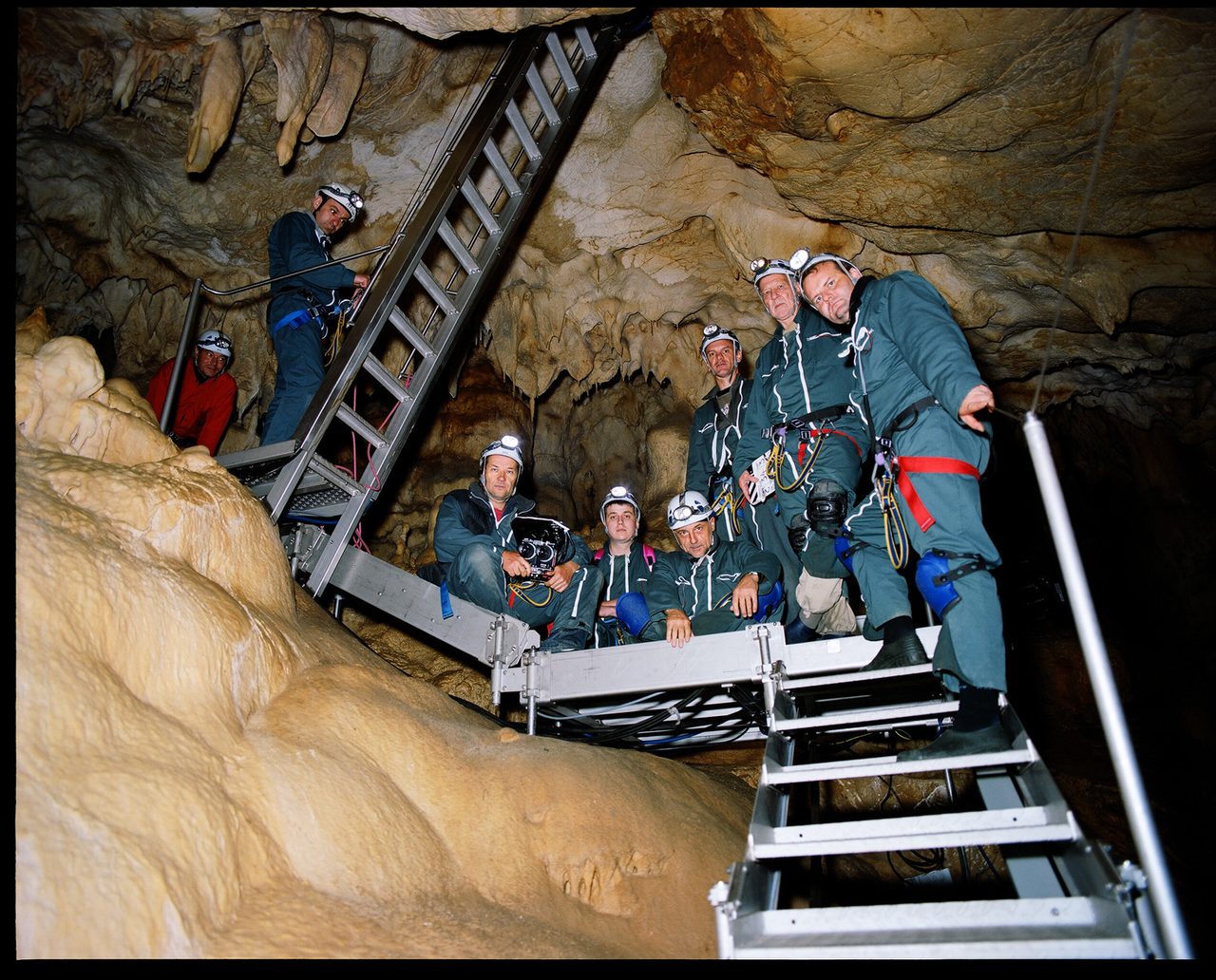
The Chauvet Cave in southern France holds the oldest known human paintings, some made around 32,000 years ago. Three explorers found the entrance in 1994; a rock slide had sealed it some 20,000 years before that, which kept the art intact. The cave, 1,300 feet long, is named for Jean-Marie Chauvet, one of the three. To protect it, the French government barred the public and let in only a few archaeologists and paleontologists. A documentary crew won permission from the Minister of Culture for six days of filming, four hours each, with a four-person team. Anyone entering wears a special suit and unworn shoes, stays on a walkway and touches nothing, while radon and carbon dioxide limit time inside. The crew shoots in 3D to follow the walls' contours and interviews scientists about the painters.
Cast


Did you know?!Facts and trivia about Cave of Forgotten Dreams (2010)
Can contain spoilers, watch the movie first.
- Access to Chauvet Cave is restricted and the public is not allowed in, so Werner Herzog needed special permission from the French Minister of Culture to film inside; he was granted just six shooting days of four hours each, with numerous restrictions.
- Herzog was allowed to bring only a four-person crew into Chauvet Cave, cinematographer Peter Zeitlinger, sound recordist Eric Spitzer-Marlyn and an assistant, and worked the lights himself. Entrants had to wear fresh shoes never worn outside, and near-toxic radon and carbon dioxide meant no one could stay inside more than a few hours a day.
- Cinematographer Peter Zeitlinger was the first to suggest shooting in 3-D; Herzog dismissed the idea as 'a gimmick of the commercial cinema', but after visiting the cave decided the film had to be in 3-D to capture how the painters incorporated the walls' bulges and contours into their art.
- The 3-D cameras were custom-built for the production and often assembled inside the cave itself; because 3-D films of the time were shot on soundstages with heavy digital manipulation, the crew had to work out single-camera, no-compositing techniques experimentally in post-production.
- It was the first 3-D film to screen at the festival's Lightbox theater, and the digital projectors jammed five minutes from the end, interrupting the showing.