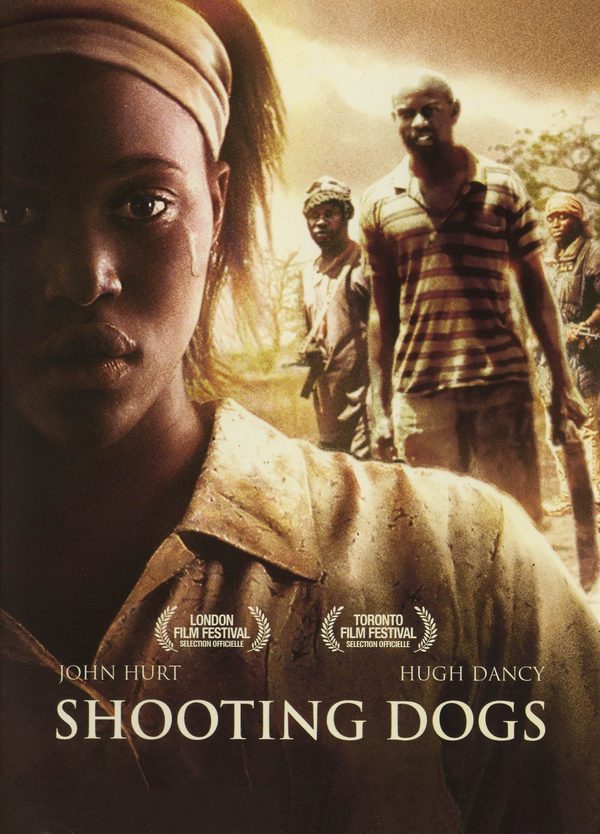
Beyond the Gates (2005) on Netflix
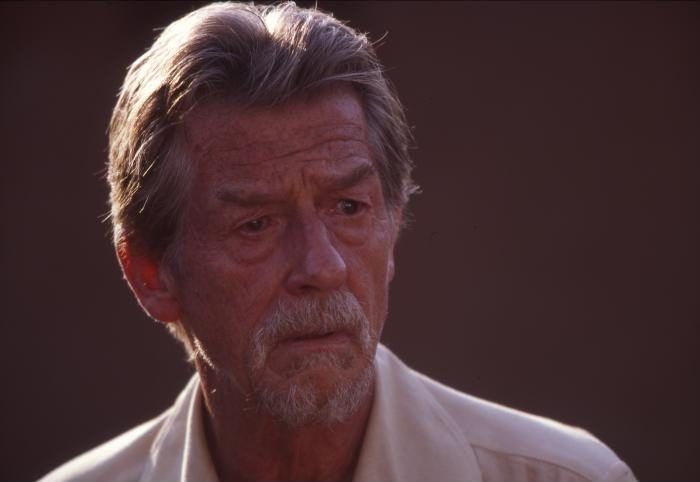
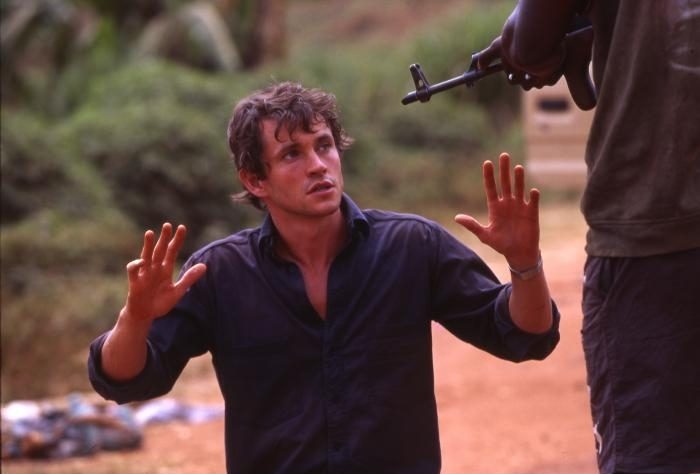
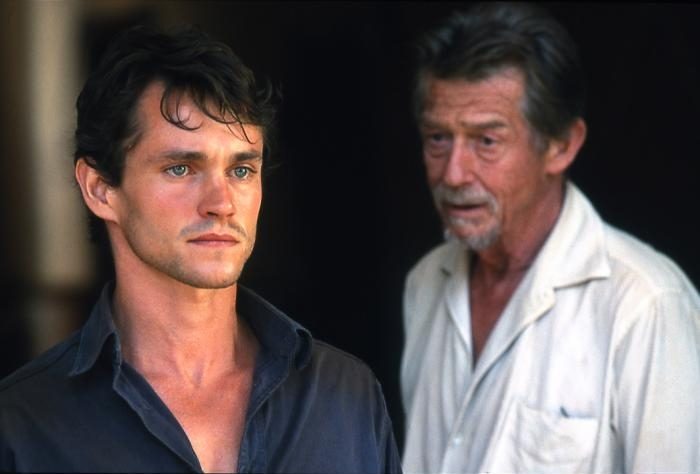
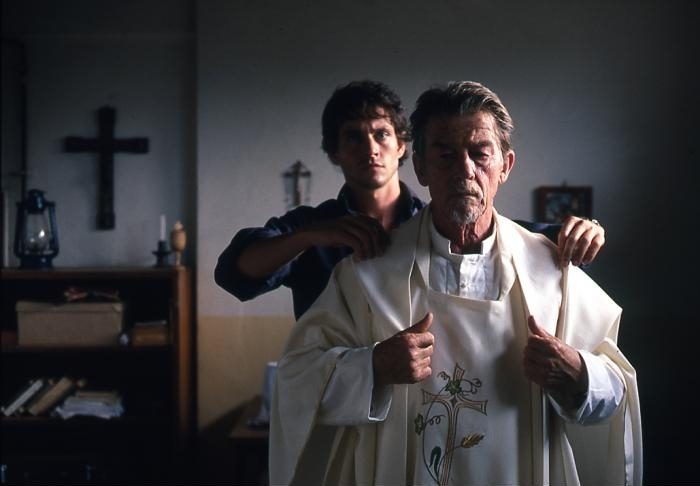
In April 1994, Hutu militias begin killing Tutsis across Rwanda. At the École Technique Officielle outside Kigali, Father Christopher and the teacher Joe Connor take in refugees at the school.
- Netflix3.6/5
- IMDb7.6/1012,482 votes
- Rotten Tomatoes84%
Trailer

Plot summary
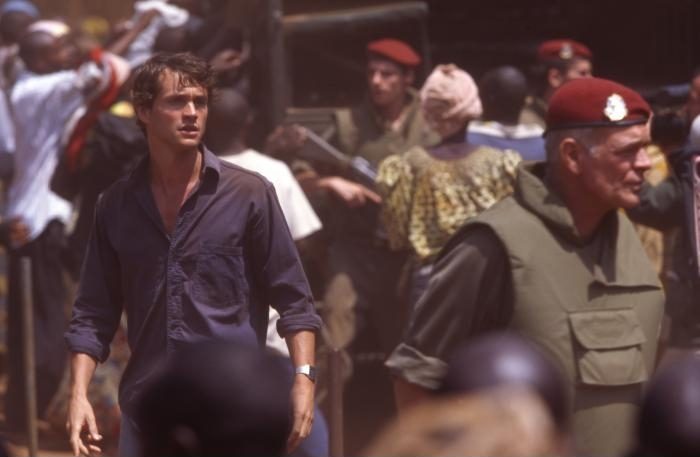
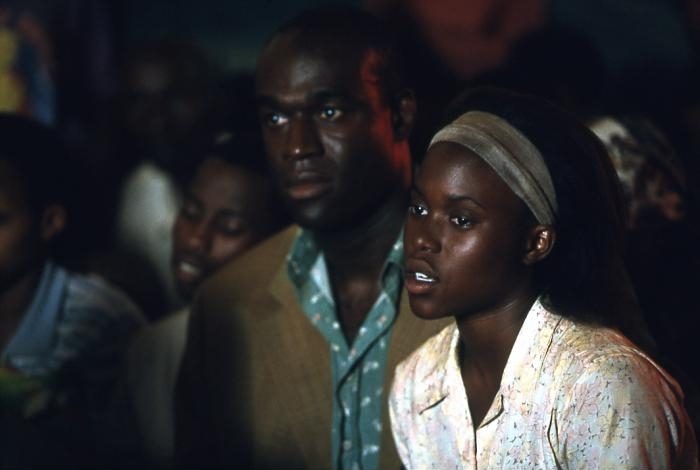
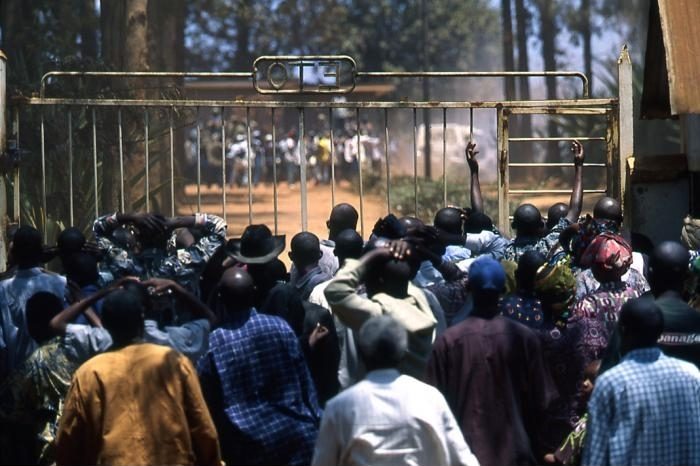
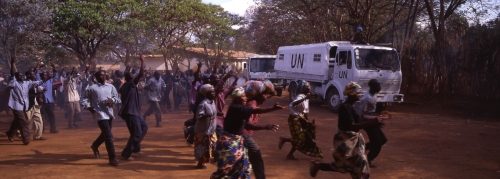
Joe Connor teaches at the École Technique Officielle outside Kigali, a school that Father Christopher runs. A company of Belgian soldiers under Captain Delon is stationed there under a UN peacekeeping mandate. In early April 1994, lists of Tutsi families are drawn up, Hutu mobs attack Tutsis in other parts of the country, and a government contact takes a strange interest in how many UN troops the school holds. On 6 April, gunshots and explosions are heard, and Delon learns that the President's aircraft was shot down. He moves his men to guard the perimeter. Refugees gather outside the compound, and Christopher, despite Delon's objections, orders the gates opened for them. Joe sets out to fetch Marie from her house.
Cast






- Susan Nalwogaas Edda
- Victor Poweras Julius
- Musa Kasonka Jr.as Boniface
- Kizito Ssentamu Kayiiraas Pierre


Show all 14 cast

Did you know?!Facts and trivia about Beyond the Gates (2005)
Can contain spoilers, watch the movie first.
- Unlike Hotel Rwanda, which was filmed in South Africa using South African actors, this film was shot in the original location of the scenes it portrays, and many of the massacre survivors were employed as part of the production crew and in minor acting roles.
- The title refers to UN soldiers shooting at the stray dogs that scavenged the bodies of the dead. Since those soldiers were not allowed to shoot at the Hutu extremists who had caused the deaths, the shooting of dogs stands for the madness of the situation.
- The film is drawn from the real experiences of BBC news producer David Belton, who was in Rwanda during the genocide and went on to co-write the screenplay and co-produce the film.