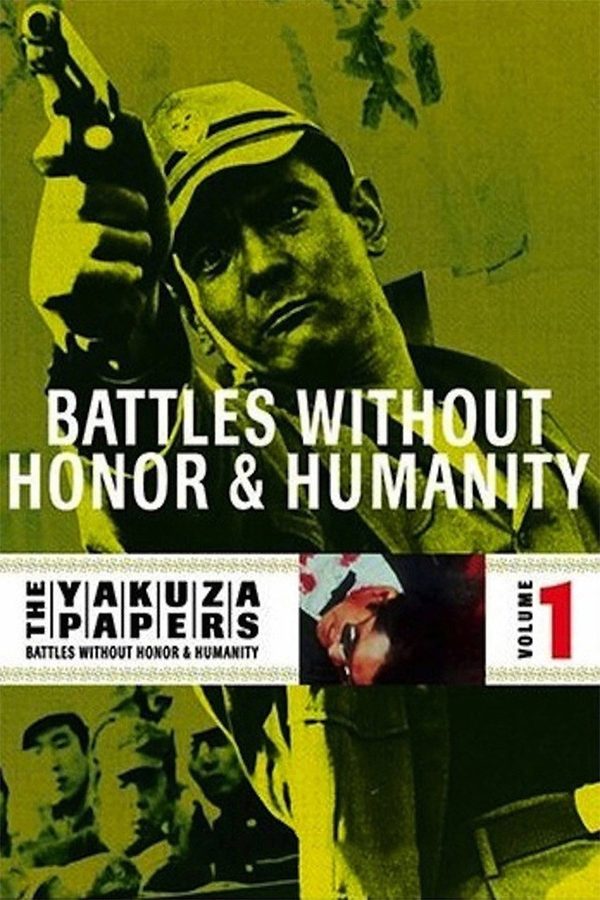
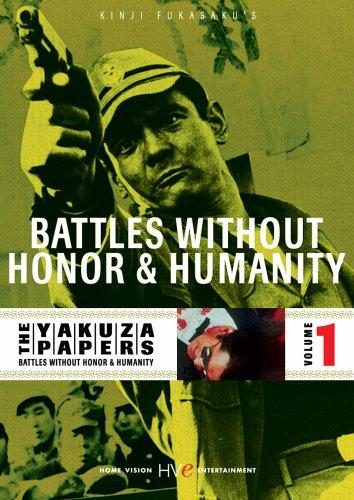
Battles Without Honor and Humanity (1973) on Netflix
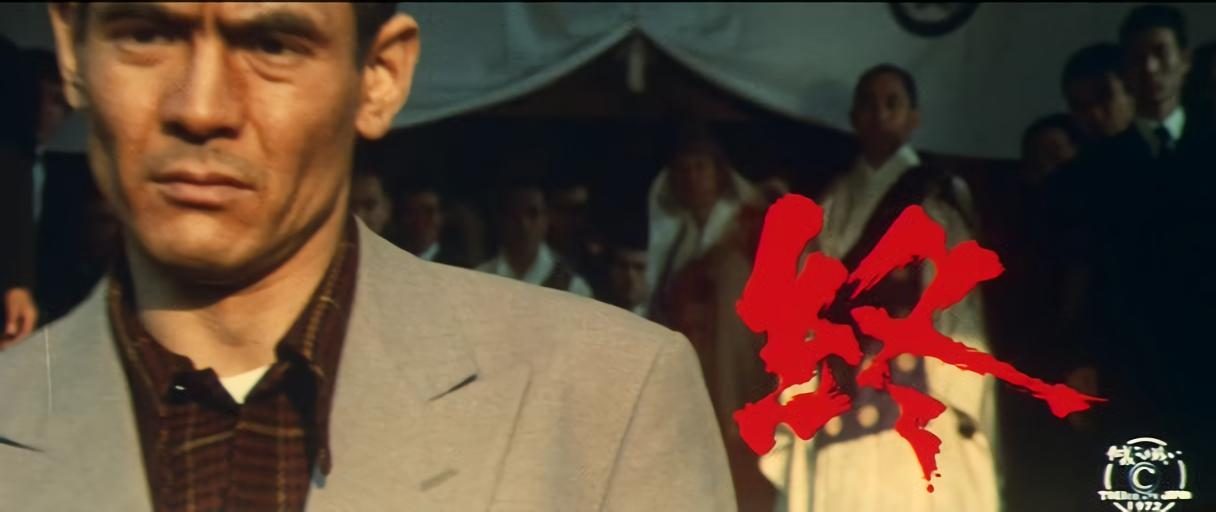
Kure, 1946. Ex-soldier Shozo Hirono kills a yakuza who attacked his friend and lands in prison, where he and Hiroshi Wakasugi swear a blood oath.
- Watch on NetflixThis title is not on Netflix right now. Please check back later for updates.
- Watch on Prime
- Watch on NordVPN
- Netflix3.7/5
- IMDb7.4/104,876 votes
- Rotten TomatoesNot available
Trailer

Plot summary
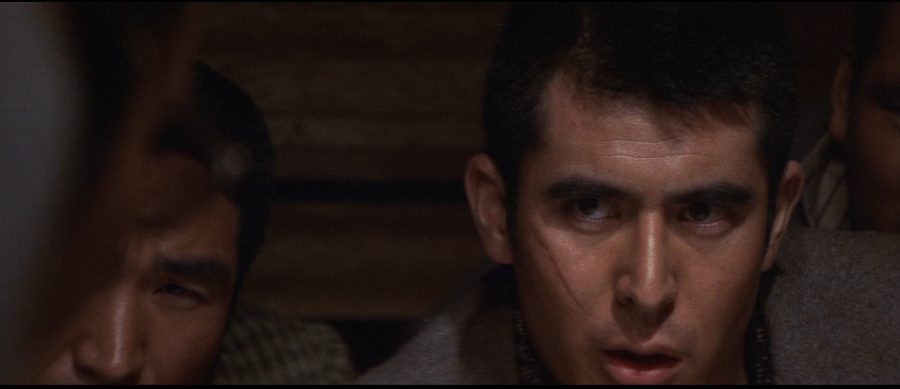
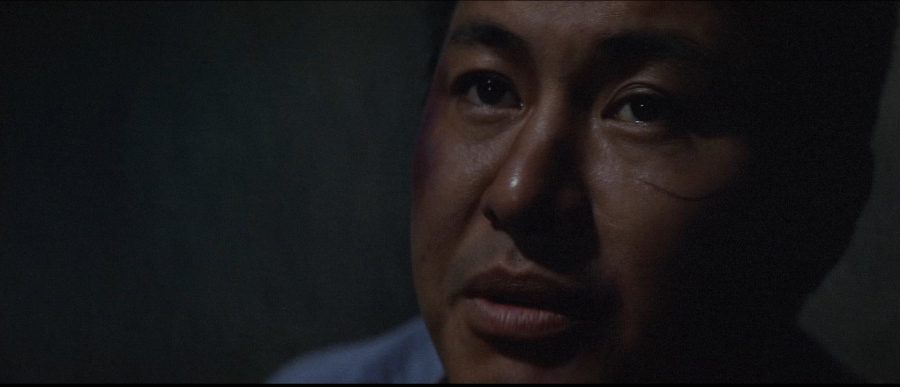
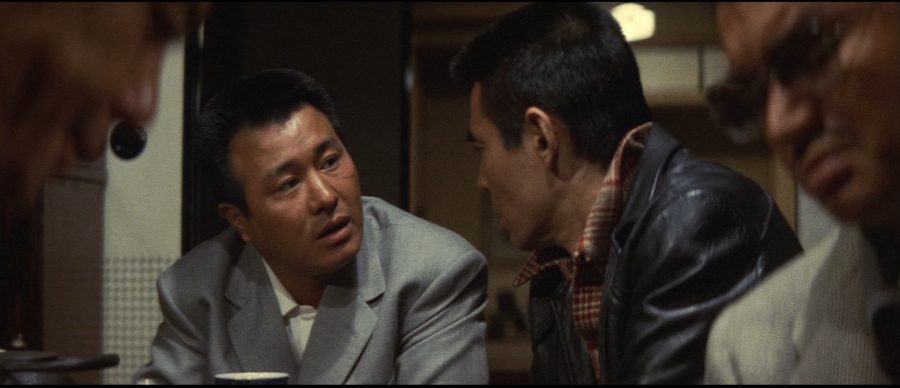
Postwar Japan, 1946: in Kure, Shozo Hirono, a veteran of the war, shoots a yakuza who attacked his friend and is jailed for it. In prison he meets Hiroshi Wakasugi, and the two become sworn brothers. Wakasugi arranges an early release, and Hirono and his gang of fellow ex-soldiers join the Yamamori Family in a sake ceremony. Three years later, a fight at a gambling den with Toru Ueda, a blood relative of the patriarch Okubo, forces Hirono to offer a finger in apology. Okubo's price is a favor: Yamamori must help the politician Shigeto Nakahara against his rival Shoichi Kanamaru, who has the backing of the Doi Family. Tetsuya Sakai threatens one of Kanamaru's supporters before the vote and goes into hiding.
Cast





Did you know?!Facts and trivia about Battles Without Honor and Humanity (1973)
Can contain spoilers, watch the movie first.
SPOILER
Knowing they would never get permission to film at Hiroshima Station, the filmmakers shot the scene where Uichi Shinkai is stabbed to death on the platform of Kyoto Station instead, then left as quickly as possible.- Shooting on location in Kure drew many yakuza to the set, including the men who had been the models for characters in the film, and they gave advice to both the director and the actors.
- Lead actor Bunta Sugawara claims he had the idea to adapt the memoirs: he read the first instalment on the Shinkansen, gave the magazine to Toei producer Koji Shundo, and when Shundo did not read it, bought another copy and insisted again.
- Yakuza Kōzō Minō first refused screenwriter Kazuo Kasahara and producer Goro Kusakabe permission to adapt his story, not wanting more scorn from fellow gang members, but after learning both he and Kasahara had served at the Otake naval officer school in Hiroshima, he agreed to help clarify details, though he still did not approve a film adaptation.
- The day before shooting began, Bunta Sugawara was switched from the Sakai role to play Hirono, who is based on Minō, and Hiroki Matsukata took over as Sakai; Kazuo Kasahara had built the story around yakuza underboss Tetsuhiko Sasaki, who rebelled and was killed.
- Producer Masao Sato remarked that Kinji Fukasaku unusually shot the film at Toei's Kyoto studio even though he was under contract to Toei Tokyo; Fukasaku's son Kenta said friend Sadao Nakajima arranged for the best staff there to work with him.
- The series is an ensemble piece whose real focus is the low-ranking yakuza who are endlessly killed off, and Bunta Sugawara said the film was the first Toei, and even the first Japanese, film in which the lead actors do not appear in every scene.
- Kinji Fukasaku drew on his experiences as a child during World War II for the film; at fifteen he worked with other children in a munitions factory that was regularly bombed.
Stills
Similar movies