Zelig (1983) on Netflix
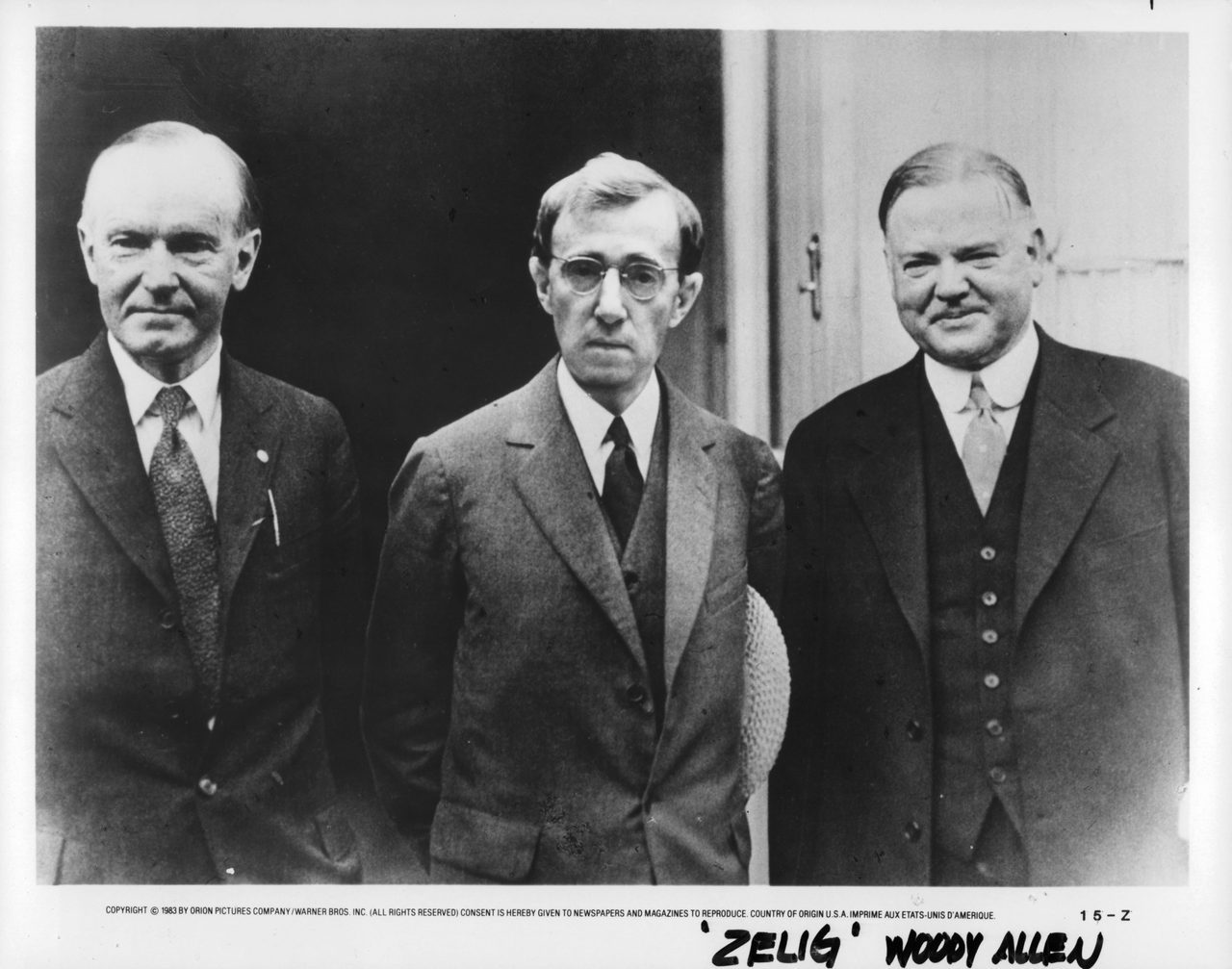
In the 1920s and 1930s, Leonard Zelig appears in newsreels, changing his appearance, skills and manner to match the people around him. Psychiatrist Dr. Eudora Fletcher wants to help him.
- Netflix3.5/5
- IMDb7.6/1046,317 votes
- Rotten Tomatoes97%
Trailer

Plot summary
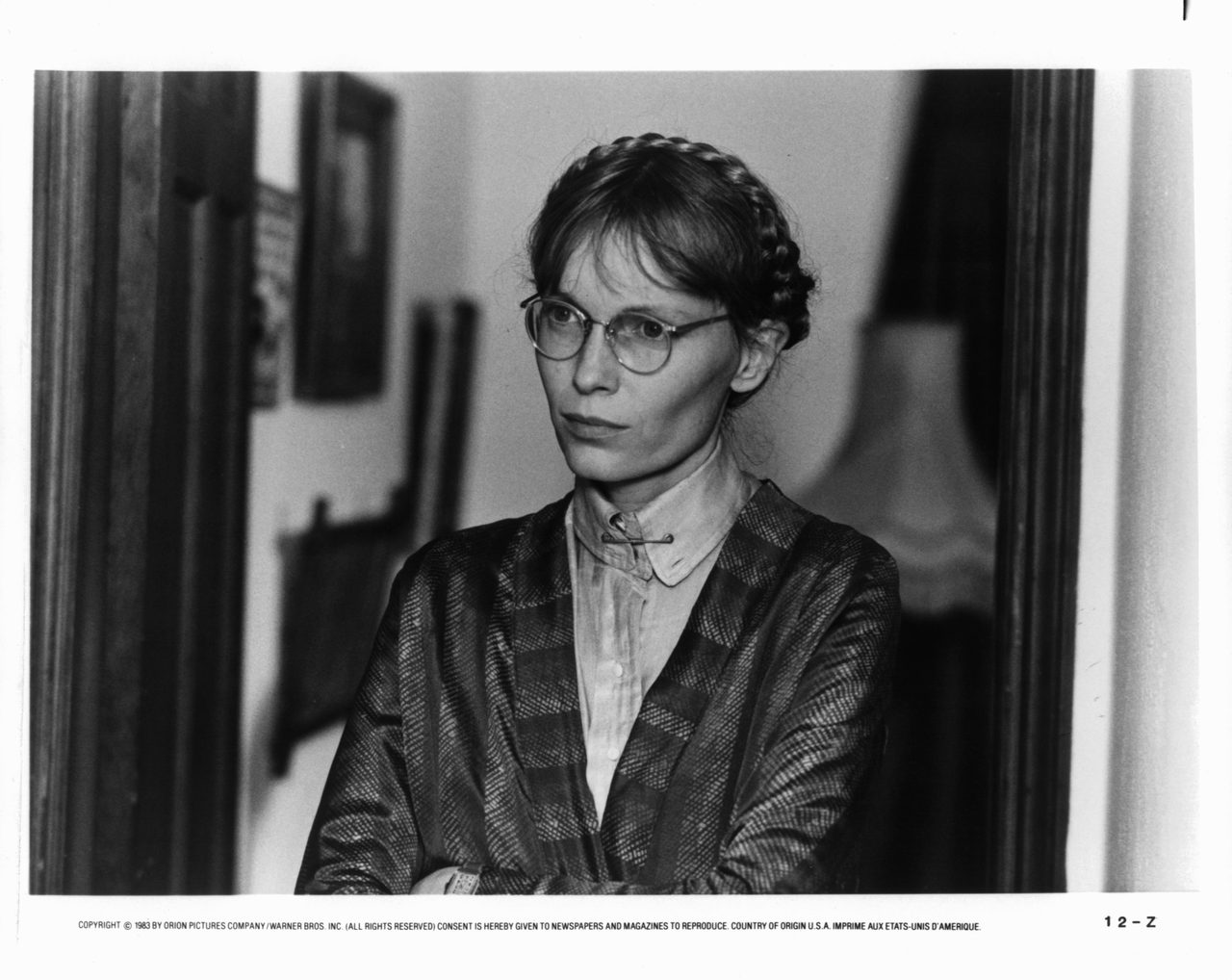
Leonard Zelig is a nondescript man who adopts the traits of forceful people near him. He first comes to attention in newsreel footage from the 1920s, often in the background but sometimes beside famous subjects. What stands out is that his looks and his skills shift to suit the company he keeps, earning him the nickname the Chameleon Man. Dr. Eudora Fletcher, a psychiatrist, wants to help him when he is admitted to her hospital. Through hypnotism she finds he yearns so strongly for approval that he changes to fit in.
Cast


- Patrick Horganas The Narrator (voice)


- Stanley Swerdlowas Mexican Food Doctor
- Paul Nevensas Dr. Birsky
- Richard Whitingas Other Doctor
- Ralph Bellas Other Doctor
- Will Hussungas Other Doctor (as Will Hussong)



Did you know?!Facts and trivia about Zelig (1983)
Can contain spoilers, watch the movie first.
- To make the fake 1920s newsreel footage look authentic, Woody Allen and cinematographer Gordon Willis hunted down actual antique cameras and lenses from the period and recorded every line of dialogue on old carbon microphones.
- Real figures including Charles Lindbergh, Al Capone, Charlie Chaplin, Adolf Hitler, Babe Ruth and Pope Pius XI appear in the film's vintage footage, represented in newsreels and, in many cases, seamlessly portrayed by look-alike actors.
- Contrasting with the vintage black-and-white footage, real figures from academia appear in color segments as themselves, commenting in the present day on the Zelig phenomenon as if it really happened: among them Susan Sontag, Bruno Bettelheim, Saul Bellow and Irving Howe.
- While Zelig's effects-heavy post-production dragged on, Woody Allen didn't sit idle; he shot and finished two entirely different films, A Midsummer Night's Sex Comedy and Broadway Danny Rose, in the meantime.
- The film's technique of blending new footage seamlessly into old newsreels was achieved without digital tools, roughly a decade before movies like Forrest Gump made the same kind of effect much easier.