Trailer

Plot summary
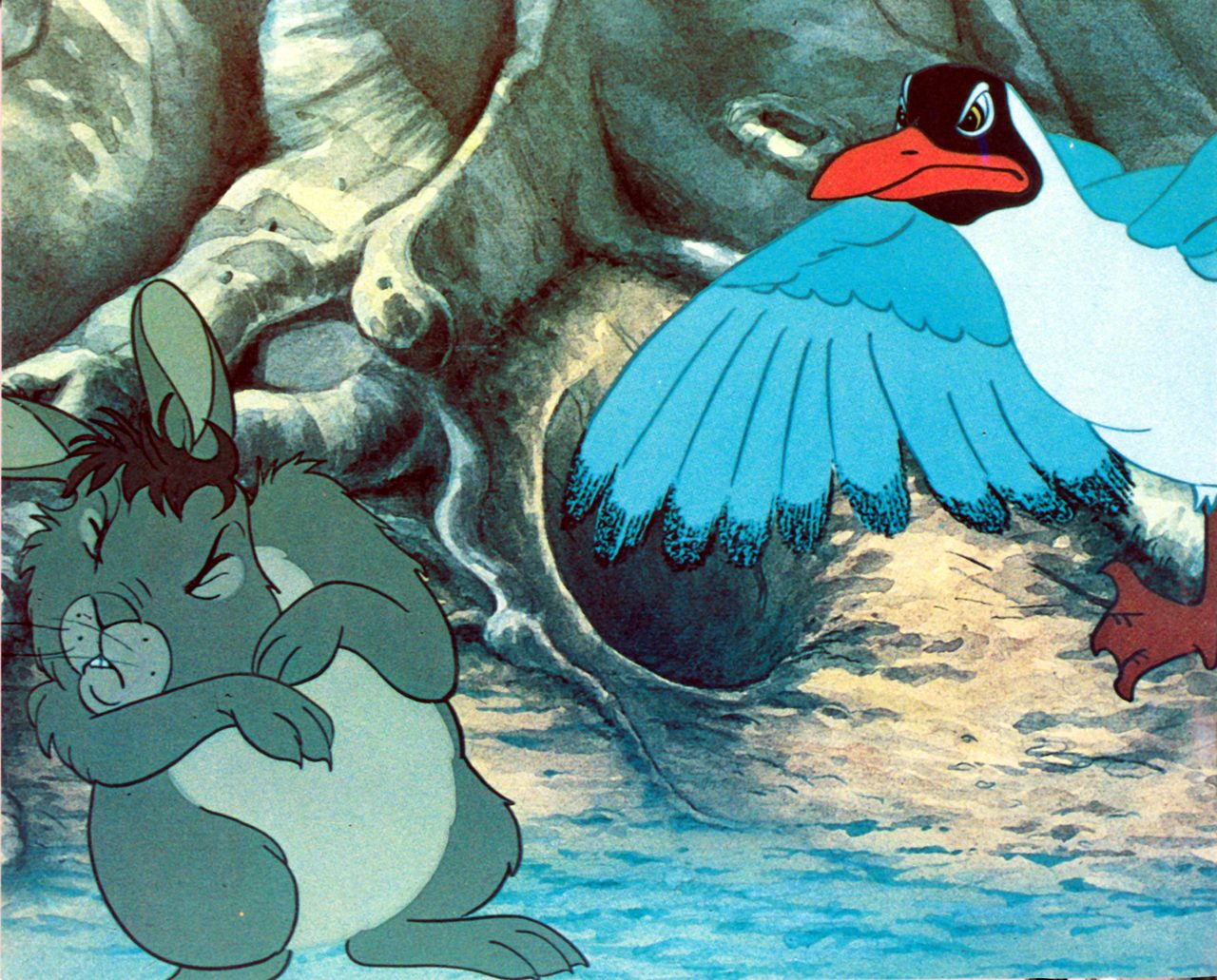
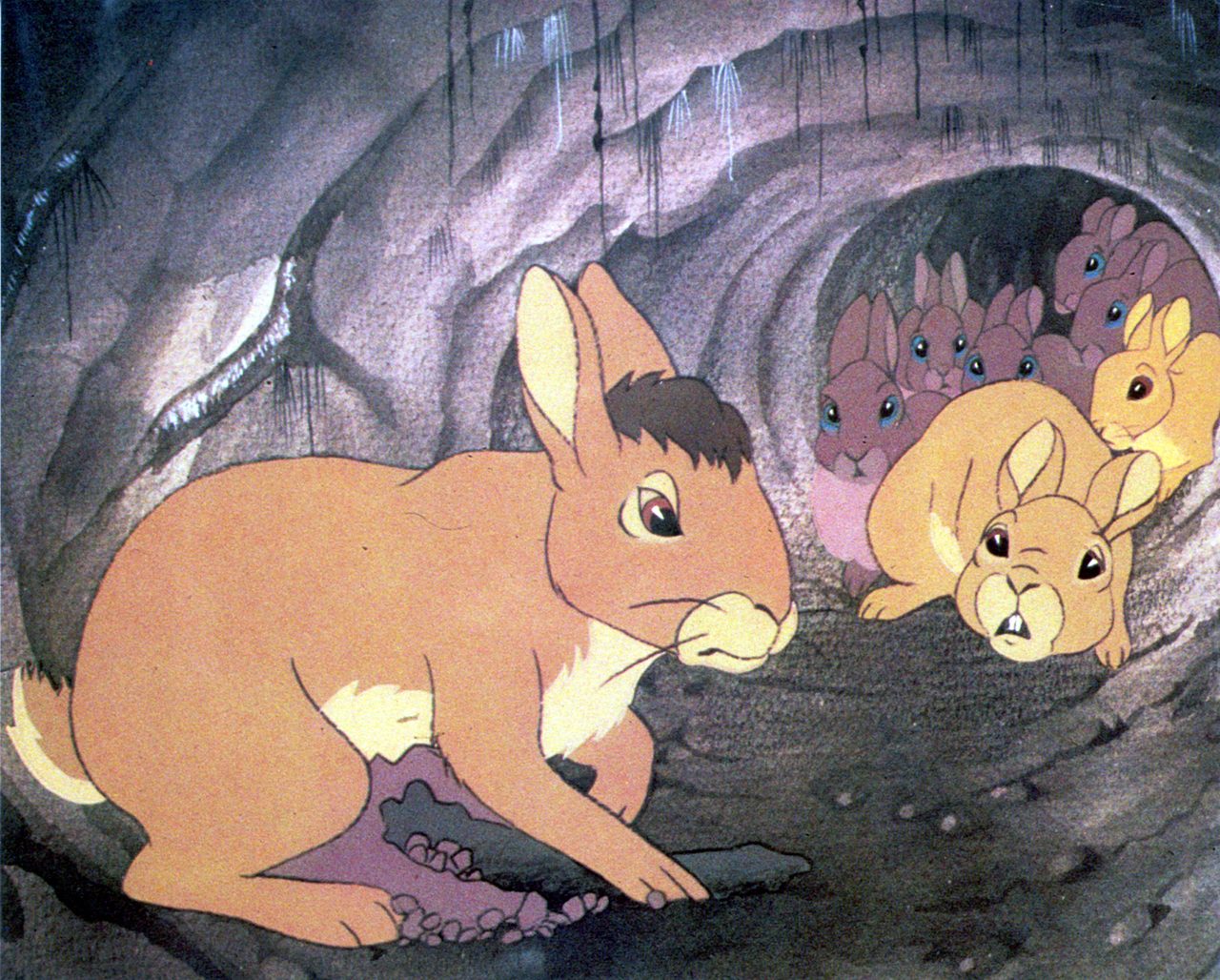
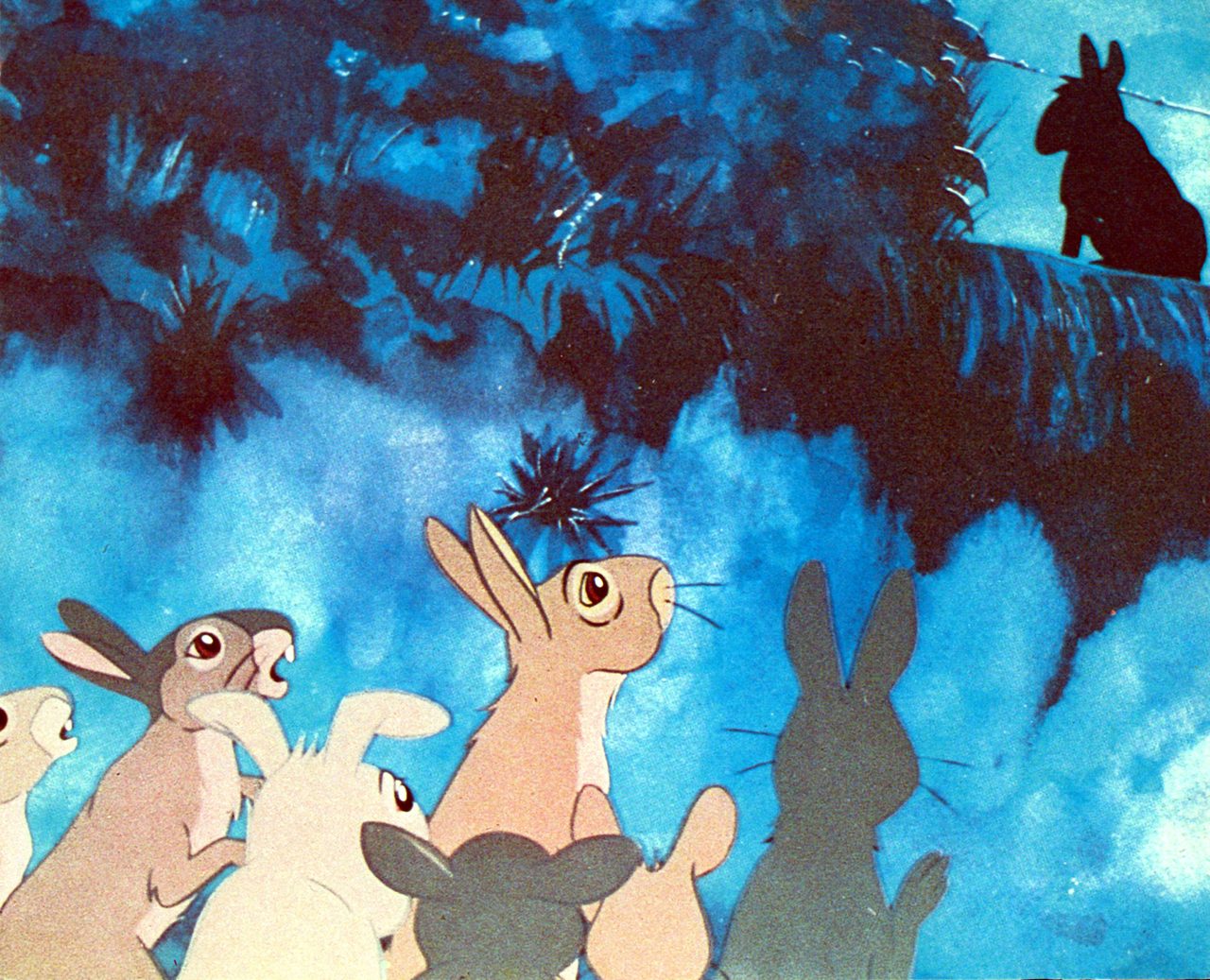
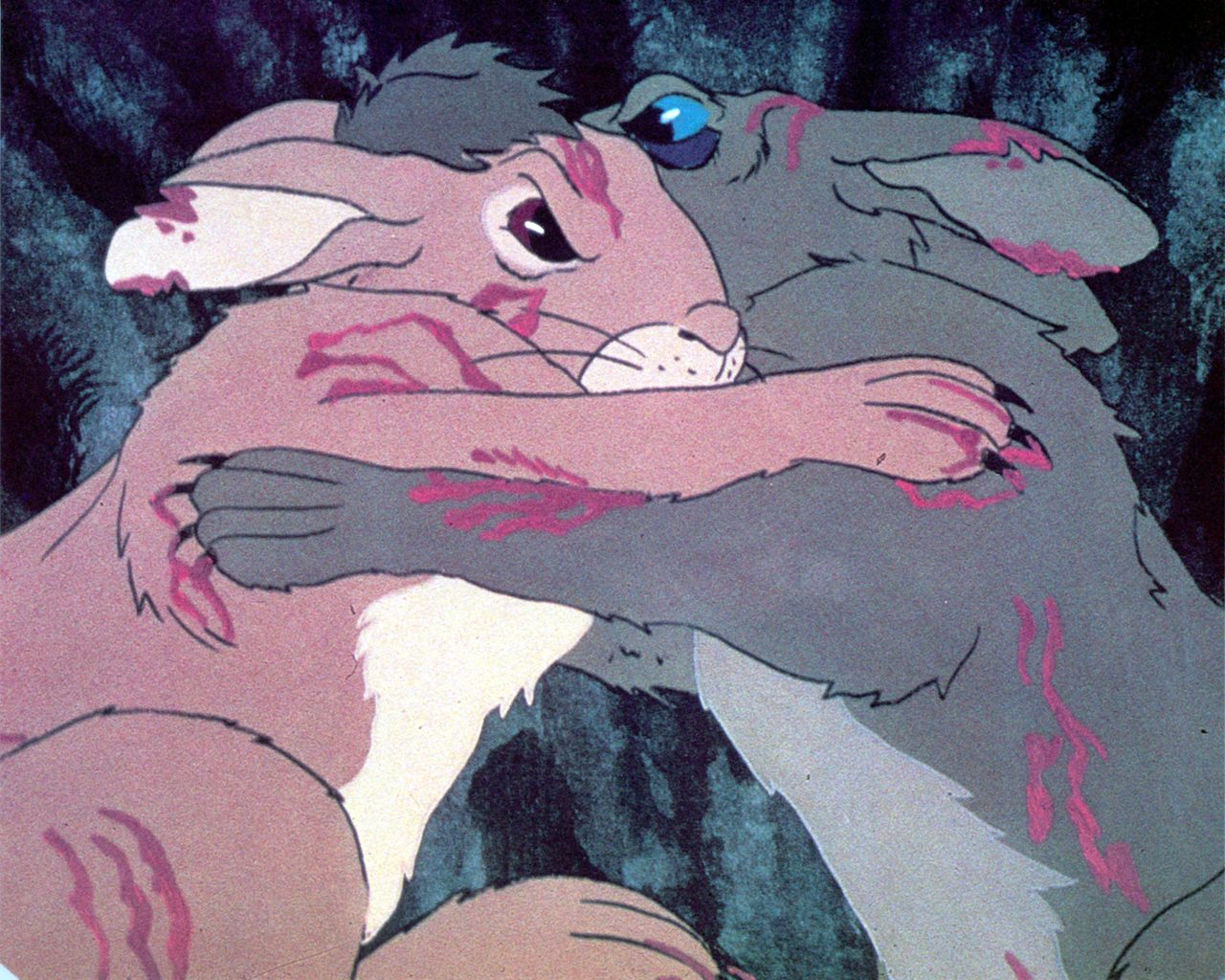
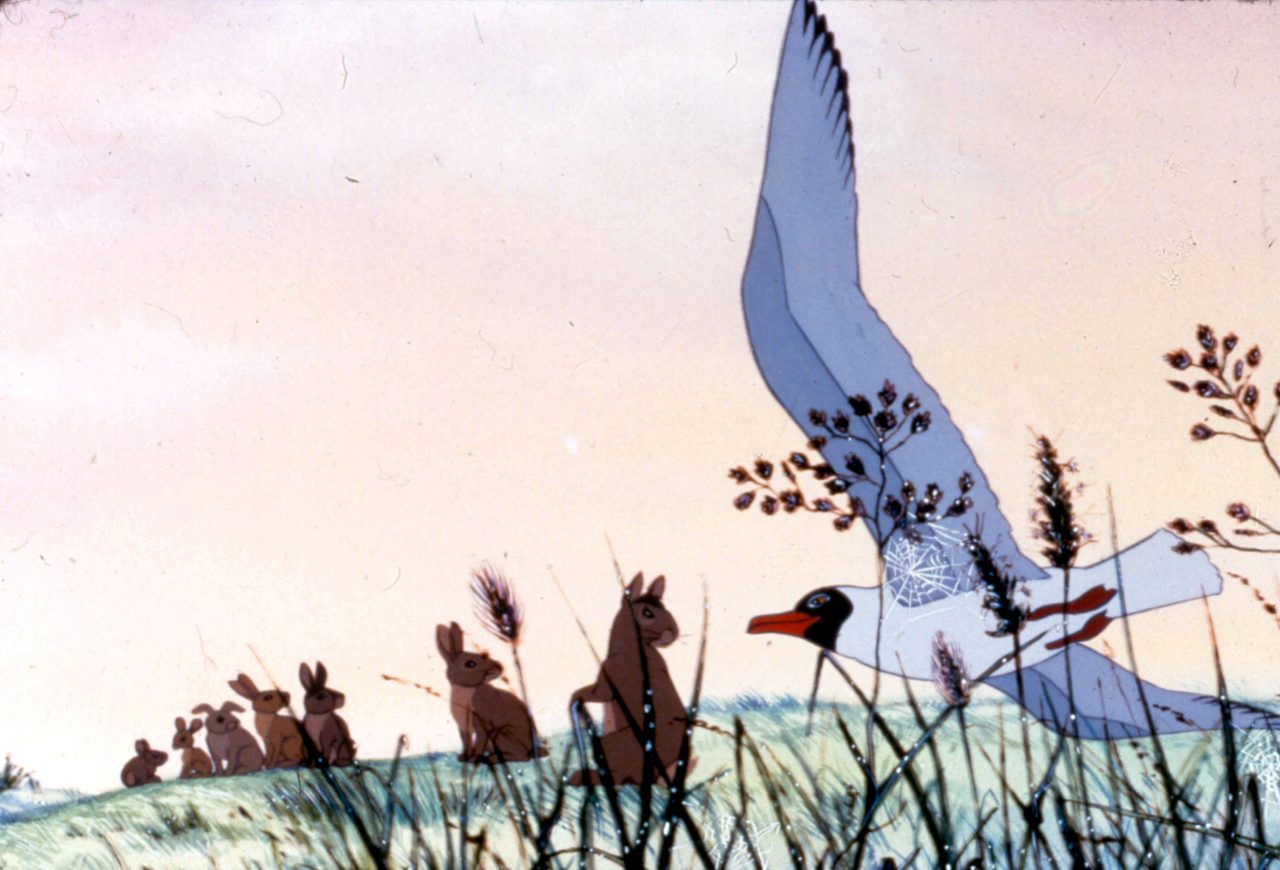
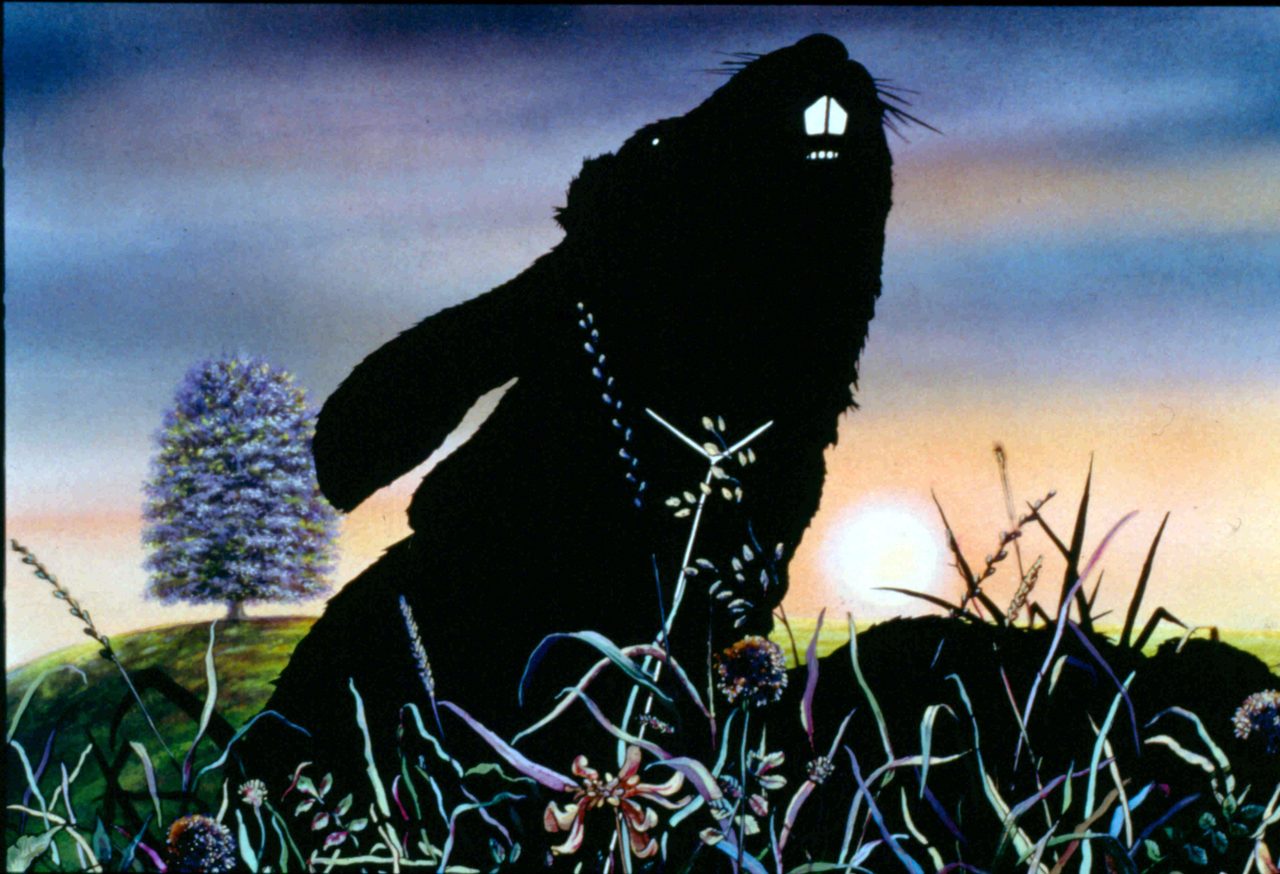
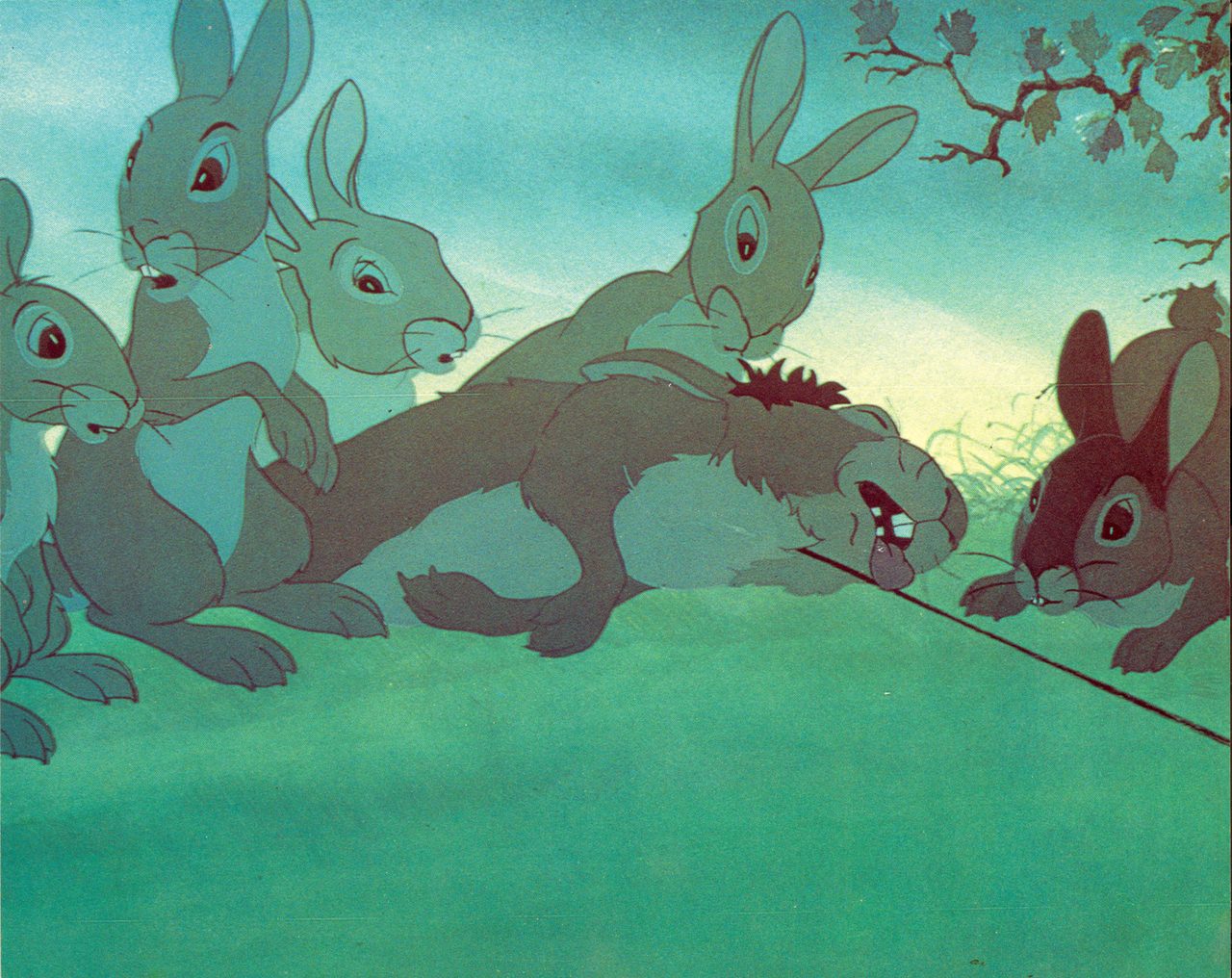
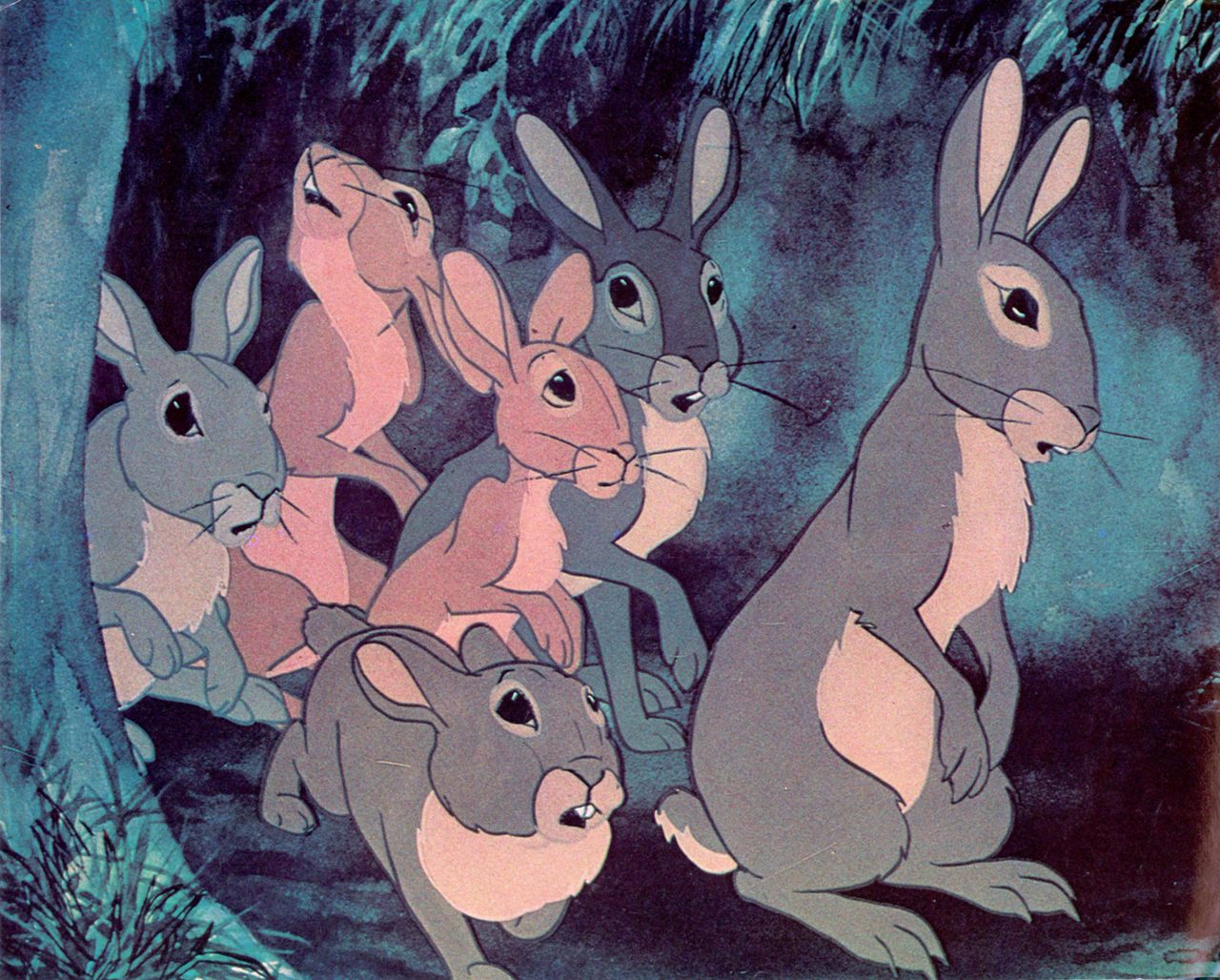
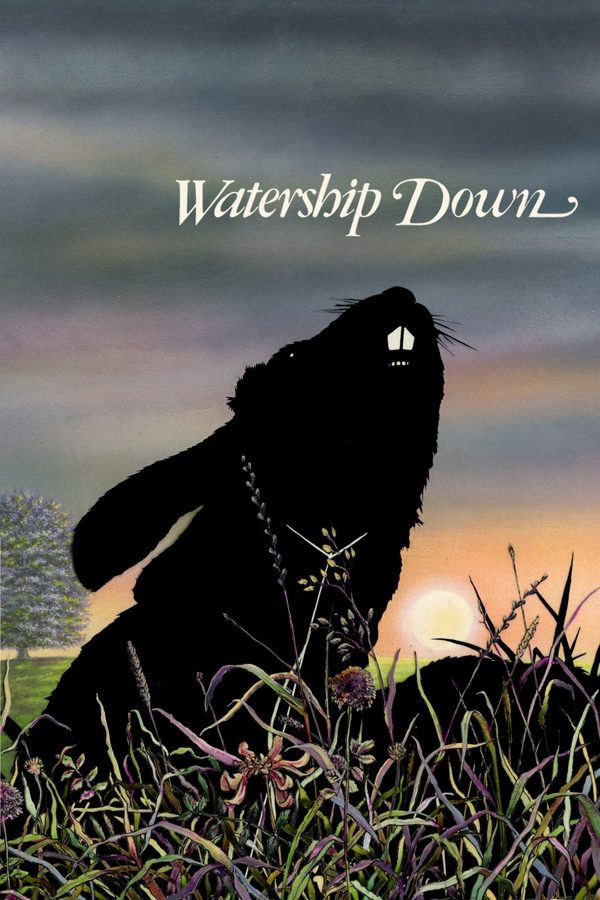
Fiver is a young seer in the Sandleford warren, and a vision warns him that the warren will be destroyed. He and his brother Hazel beg the chief rabbit to move the warren's rabbits out, but the chief refuses, and sets Captain Holly and the warren's Owsla to block the rabbits who try to leave. Hazel and Fiver escape with Bigwig, Blackberry, Pipkin, Dandelion, Silver and Violet, the only doe in the group. Rabbit mythology holds that the god Frith gave their kind speed and cunning after the prince El-Ahrairah was humbled. The band travels through the woods, facing predators, people and other rabbits, in search of a new home.
Cast






- Mary Maddoxas Clover (voice)


Did you know?!Facts and trivia about Watership Down (1978)
Can contain spoilers, watch the movie first.
- The BBFC acknowledged in 2012 that it had received complaints about Watership Down's suitability at 'U' almost every year since its classification, and in August 2022 raised the classification to PG for 'mild violence, threat, brief bloody images, language'.
- John Hubley was originally set to direct Watership Down but left after disagreements with producer Martin Rosen; Rosen replaced him, making his directorial debut, and some of Hubley's work survives in the opening 'fable' scene.
- The British singer-songwriter Mike Batt wrote Art Garfunkel's British No. 1 hit 'Bright Eyes' for the film, and recorded three songs with Garfunkel's vocals, but only 'Bright Eyes' made it into Watership Down.
- Watership Down opened in just five London cinemas, paid for by the producers, because distributors' marketing departments could not work out whether it was an adult or a children's film; the film's producers then bargained for a high percentage of ticket sales.
- Financier Jake Eberts said the investors who put up $50,000 of development finance for Watership Down made ten times their money, and other investors in the film reportedly received a 5,000% return.
- Malcolm Williamson fell behind on the score and had only composed the prelude and main title theme in sketch form, so Angela Morley replaced him and developed his initial theme into the finished music.
- The film's backgrounds and locations, including Watership Down itself, the farm and the Efrafa warren, are based on the diagrams and maps in Richard Adams's novel, and most of them exist or were based on real spots in Hampshire and the surrounding downlands.