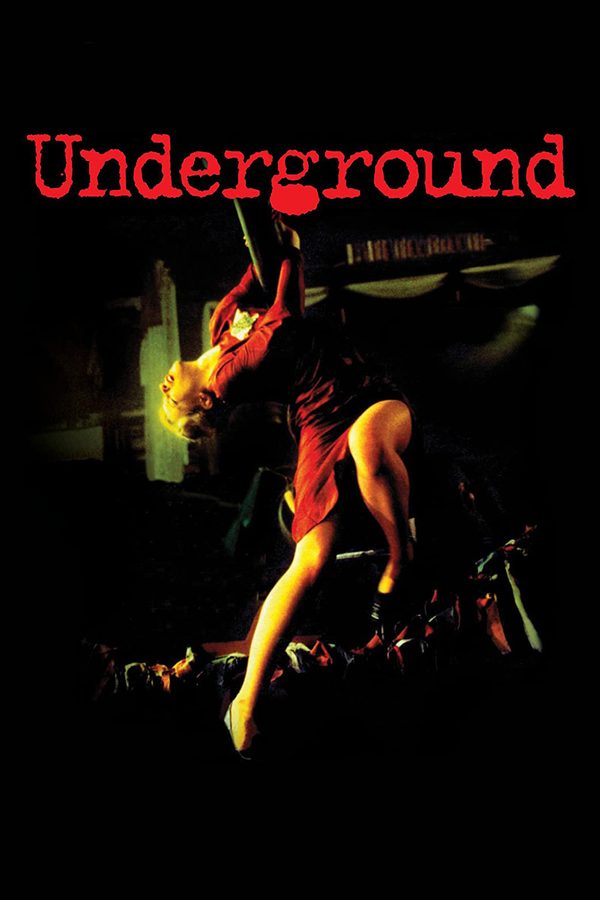
Underground (1995) on Netflix
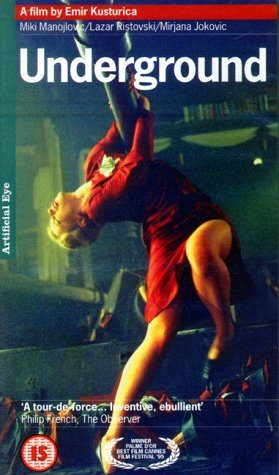
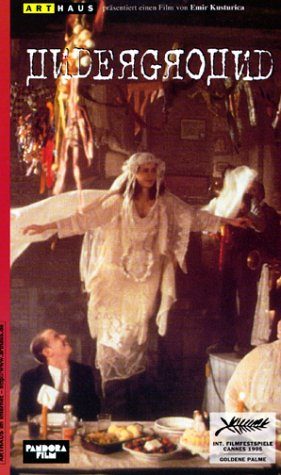
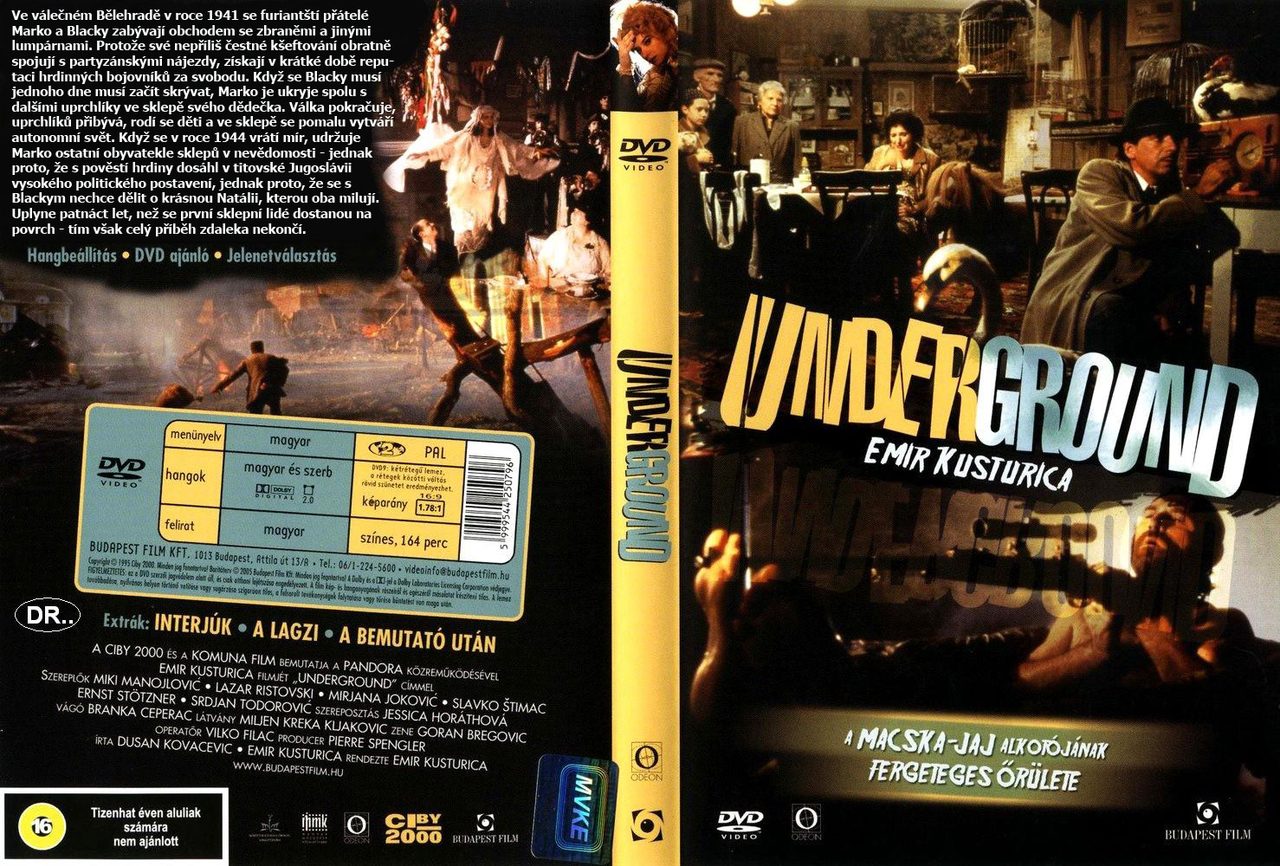
In 1941 Belgrade, Blacky and Marko run guns for the Communist resistance. Blacky's mistress Natalija, an actress, attracts the attention of a German officer.
- Netflix4.2/5
- IMDb8.0/1064,576 votes
- Rotten Tomatoes86%
Trailer

Plot summary
This movie reflects the history of Yugoslavia since the beginning of WWII (and similar to all ex-communist countries) to the last horrible events in Balcanian countries. Behind the comedy is hidden the pain of whole generations, which have suffered WWII, The Cold War, the war in Yugoslavia, the communism, the treachery of their own leadership, the fall. The film shows us the reality, as seen by those who feel unlimited love for their country and culture. Marko and Blacky represent the true leaders of country, the soul of nation and not without controversies.
Cast














Show all 20 cast


Did you know?!Facts and trivia about Underground (1995)
Can contain spoilers, watch the movie first.
- French public intellectuals Bernard-Henri Lévy and Alain Finkielkraut frequently attacked Emir Kusturica in the 1990s over his life and career choices, seeing him as a "traitor"; Finkielkraut, who had not seen Underground, wrote in Libération that the "offensive and stupid falsification of the traitor" had to be denounced immediately, and Lévy called him a "fascist author".
- Emir Kusturica said in interviews that his original version of Underground ran for over five hours, and that the film's co-producers forced the edits that shortened it.
- Underground won the Palme d'Or at the 1995 Cannes Film Festival, the second time Emir Kusturica took the prize, after When Father Was Away on Business in 1985.
- Stanko Cerović, head of Radio France Internationale's Serbo-Croatian desk, denounced Underground in June 1995, accusing Emir Kusturica of spreading Serbian propaganda; in 2012 Cerović said it was not propaganda and that it might "age well".
- After the Serbian newsmagazine Vreme published playwright Biljana Srbljanović's March 2001 op-ed calling Underground a film "being financed by Milošević" and Emir Kusturica an "immoral profiteer", Kusturica decided to sue her for libel.
- Some sources cite the performance of Emir Kusturica's Underground as a reason for the closure of the French producer company CiBy 2000.