Trailer

Plot summary
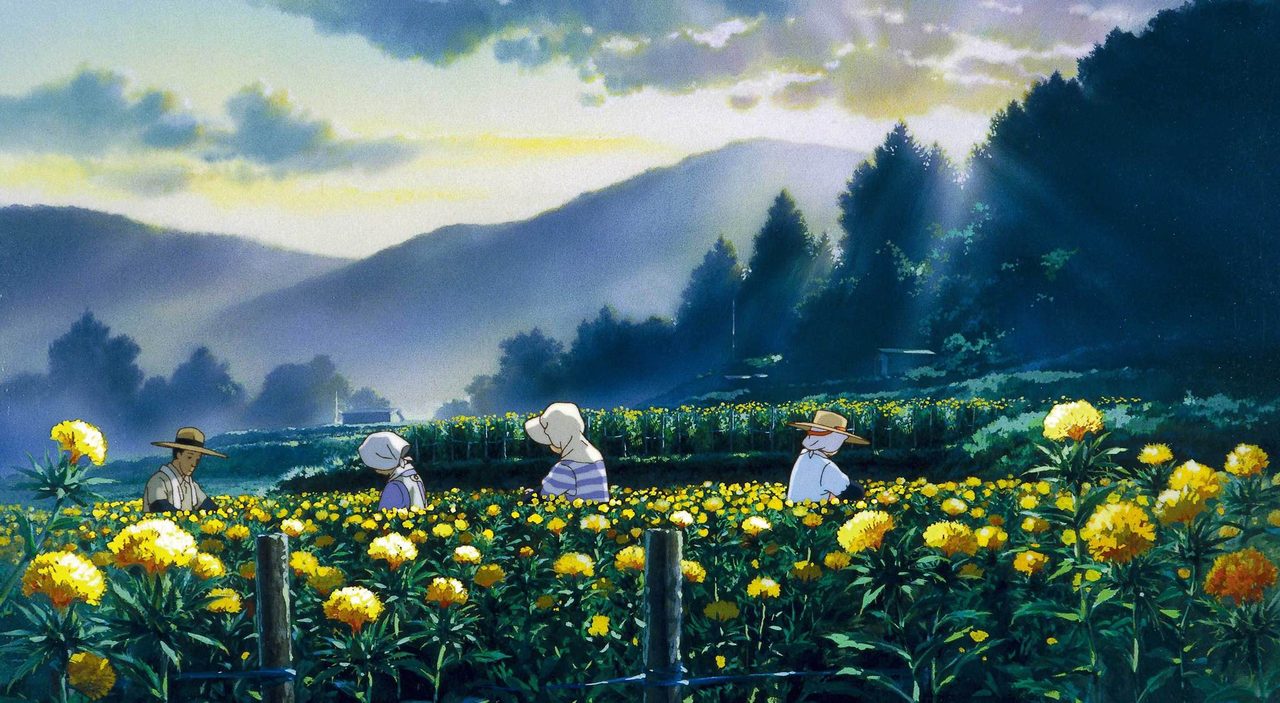
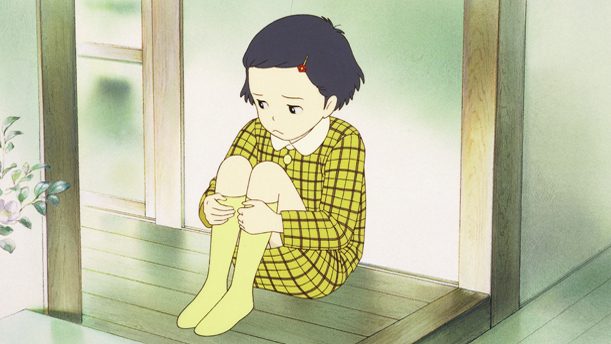
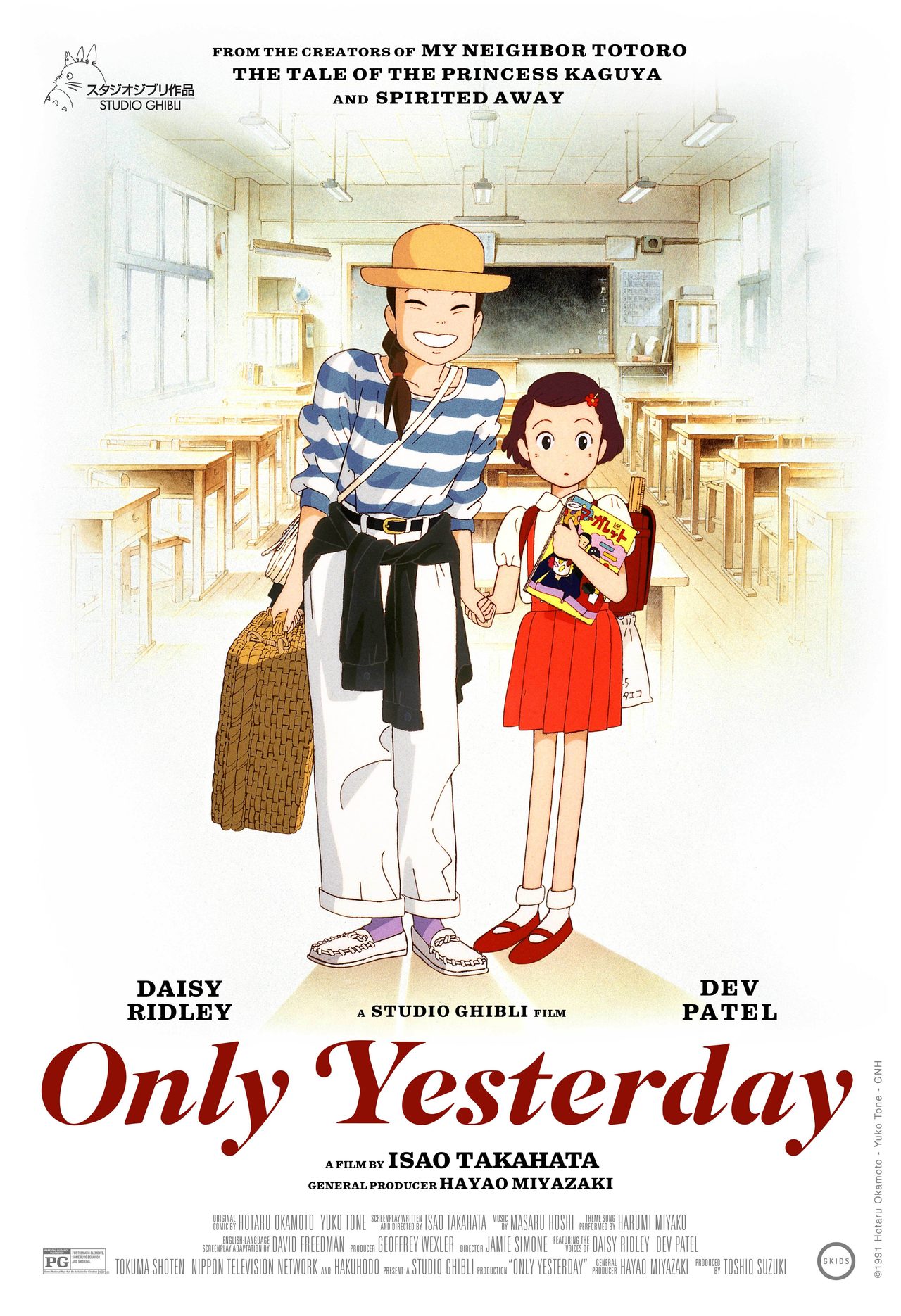
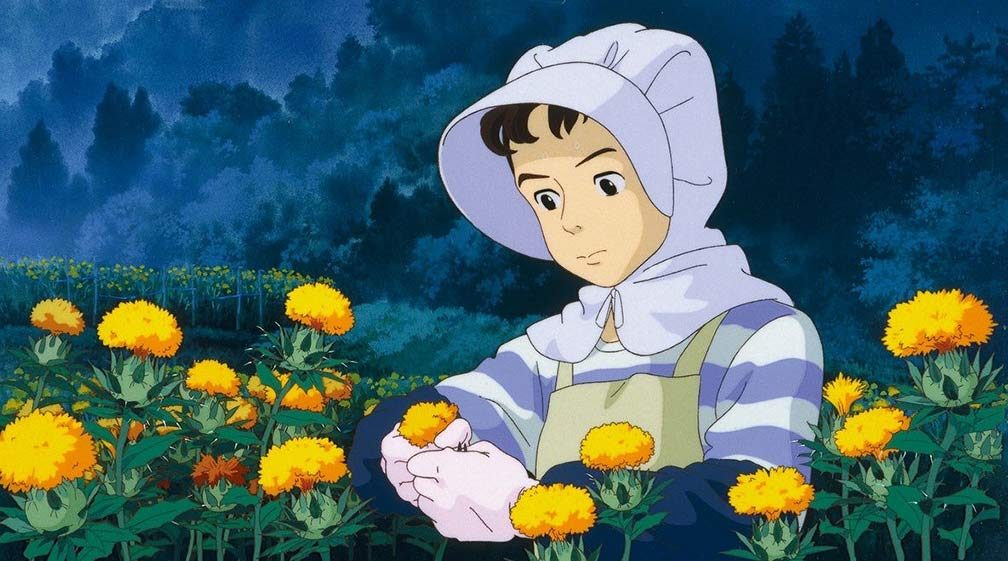
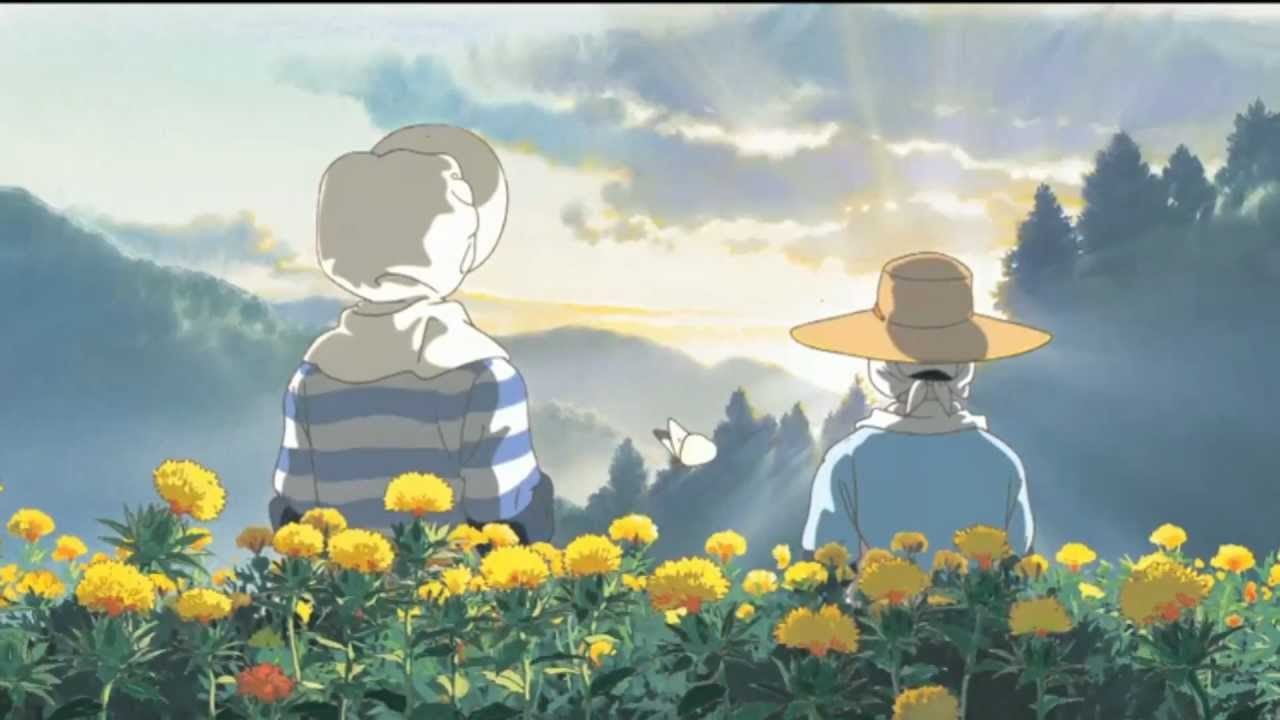
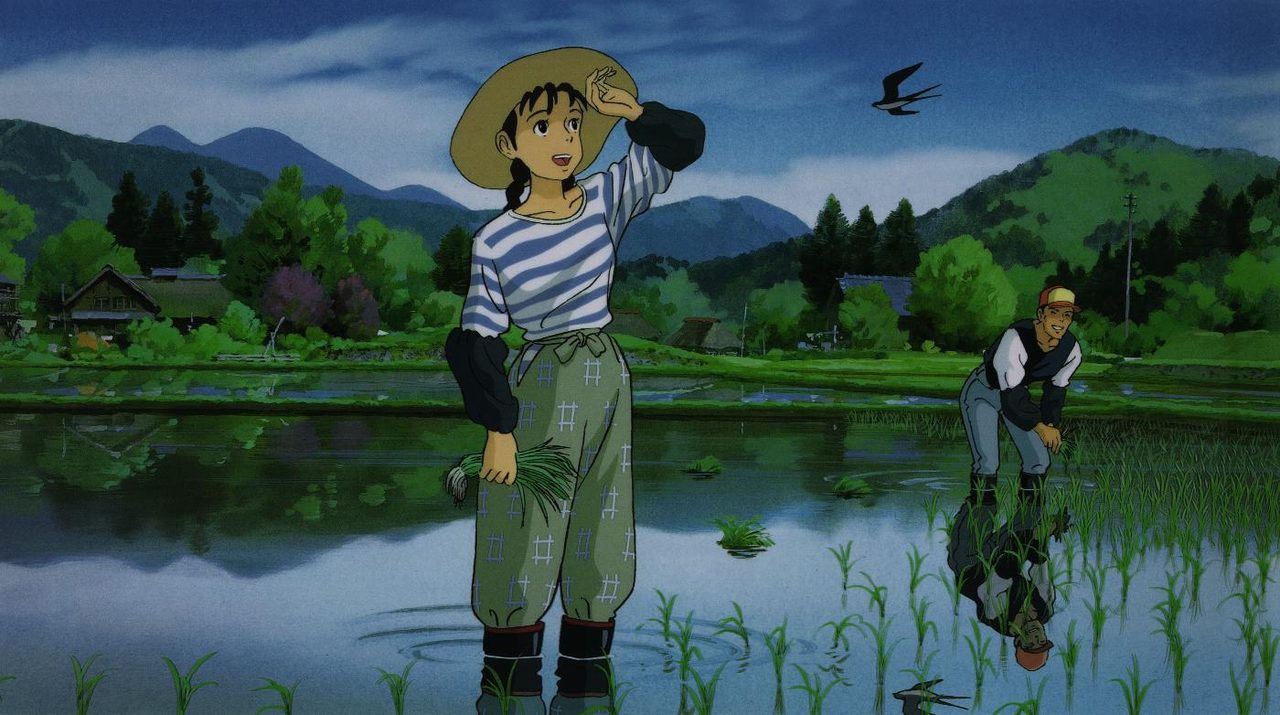
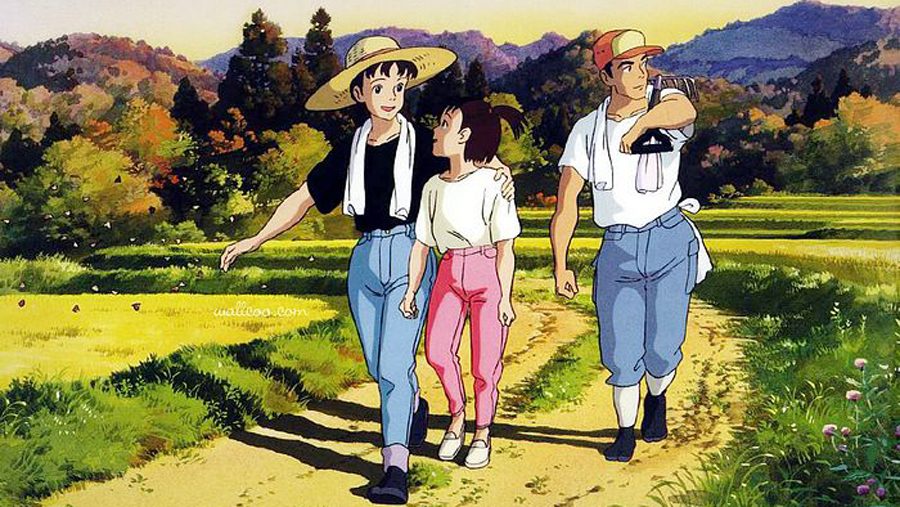
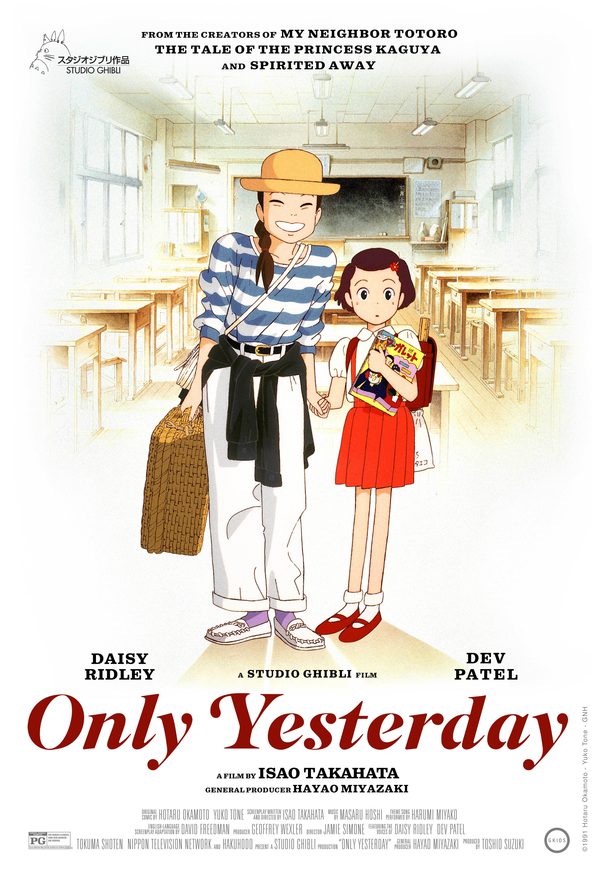
Taeko Okajima is 27, unmarried, and works in an office in Tokyo. She takes a sleeper train to Yamagata to help her eldest sister Nanako's in-laws bring in the safflower crop. Traveling through the night, she recalls the year she was ten: a first crush, the unripe pineapple her family ate, and her longing to go away on a holiday as her classmates did. At the station she is met by Toshio, her brother-in-law's second cousin, who left the city to become a farmer and decided to stay. Taeko tells the family about the memories, and when her young cousin Naoko asks her mother for Puma sneakers, Taeko describes a purse she badly wanted as a child.
Cast




- Yuki Minowaas Yaeko Okajima (voice)
- Masahiro Itoas Father (voice)
- Michie Teradaas Taeko's Mother (voice)







Did you know?!Facts and trivia about Only Yesterday (1991)
Can contain spoilers, watch the movie first.
- Walt Disney Studios, which then owned the North American distribution rights to Studio Ghibli's catalogue, refused to release Only Yesterday on home video because of its candid treatment of menstruation in the flashback scenes; the film held the longest distinction as the only theatrical Ghibli feature not yet on home video.
- During production, Hayao Miyazaki proposed staffing changes at Studio Ghibli: from November 1990 the studio introduced full-time employment with fixed salaries, regular recruitment and in-house animation training, doubling the film's production costs. Japanese studios had previously paid animators per drawing or painting.
- Against Japanese tradition, much of Only Yesterday's dialogue was recorded before the animation so that animators could fit more realistic facial muscles and expressions to the spoken lines; Isao Takahata had some voice actors record together, using footage of those sessions as a guide for design and animation.
- Isao Takahata's laxity over deadlines strained his working relationship with Hayao Miyazaki, who complained constantly and whose artists sometimes faced bursts of anger; the two later made up, but spring screenings planned ahead of the summer release had to be cancelled.
- Only the scenes set in 1966 with the ten-year-old Taeko come from the original manga; Isao Takahata found the episodic source hard to adapt into a feature and invented the framing story in which the adult Taeko journeys to the countryside and falls in love with Toshio.
- Isao Takahata commissioned an image album from Katsu Hoshi that came out nearly seven months before the film, then reused some of its songs on the soundtrack alongside Schubert, Brahms and international folk music; Takahata wrote his own translation of "The Rose", sung by enka singer Harumi Miyako.
- For an accurate picture of Yamagata, 450 colours were used in the film's scenery, and the colour department spent around a year finding the exact shade of red for the flowers in summer.