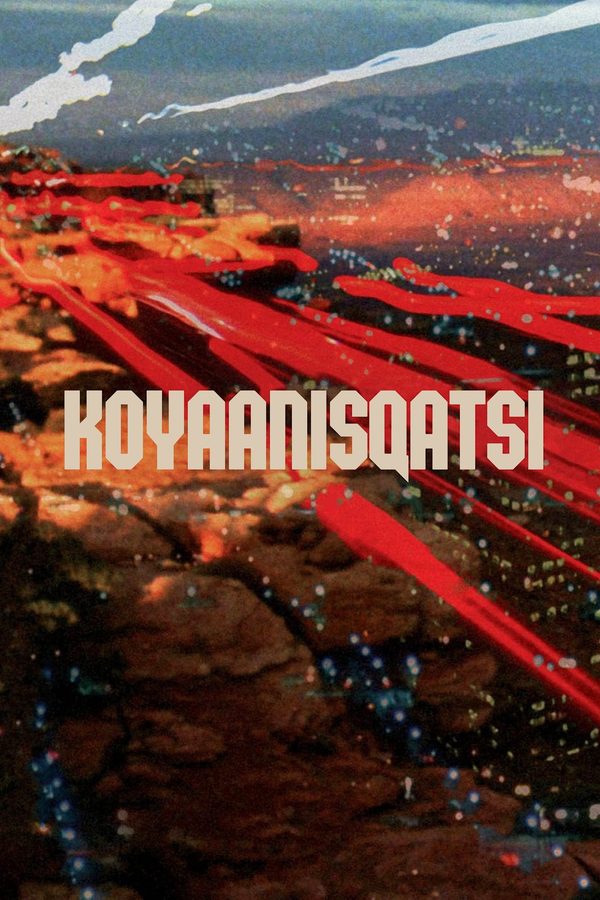
Koyaanisqatsi (1982) on Netflix
NR19821h 26mDocumentaryMusic
No narration and no dialogue. Desert rock, clouds and dunes give way in time-lapse to power plants, freeways and city crowds, carried by a score of repeating figures.
- Netflix4.3/5
- IMDb8.2/1045,169 votes
- Rotten Tomatoes91%
Trailer

Plot summary
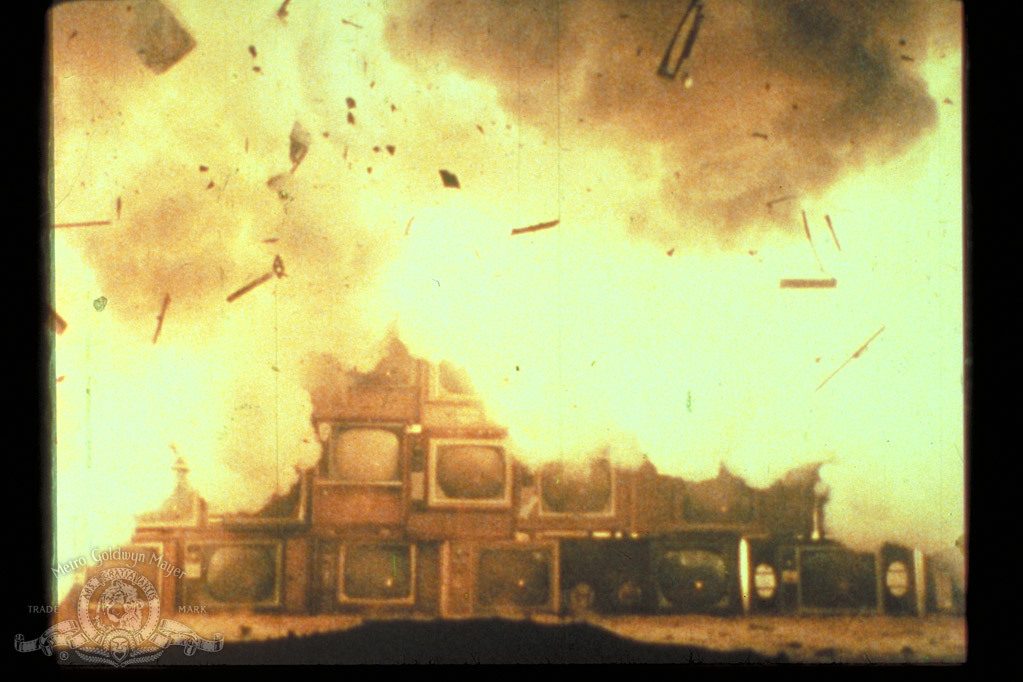
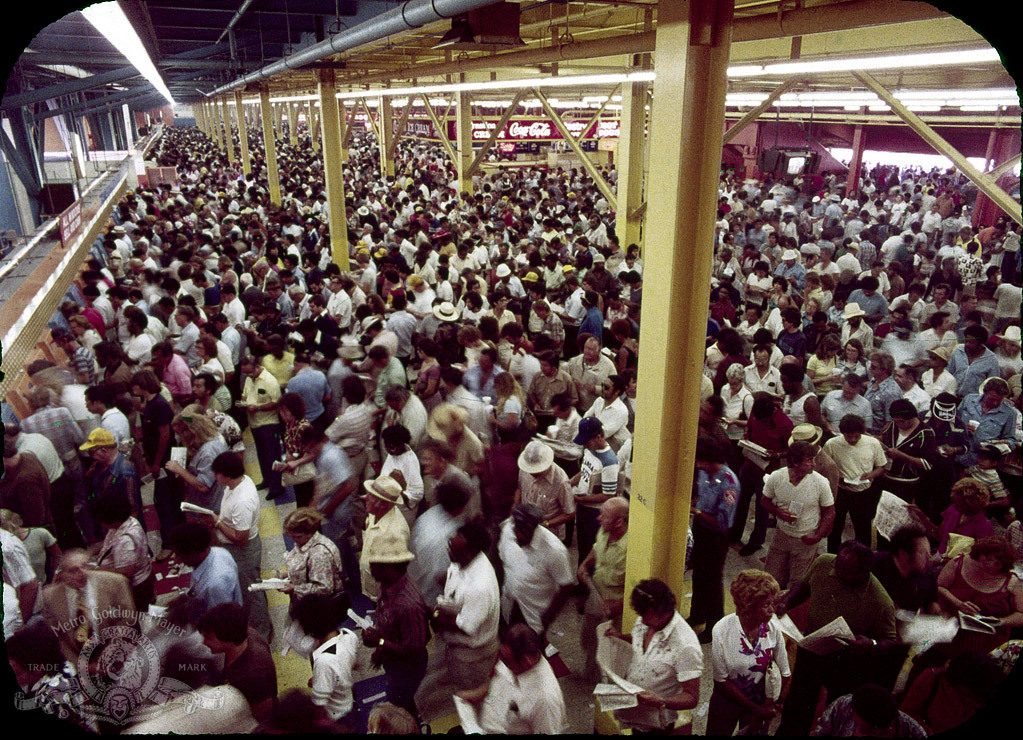
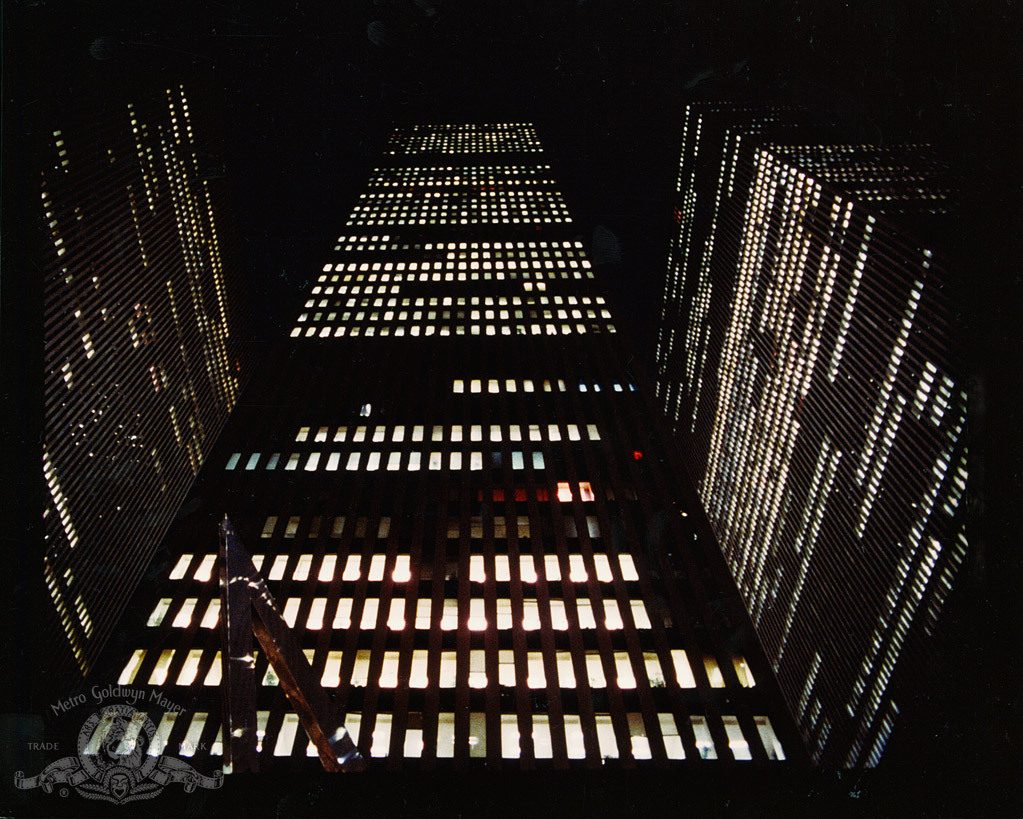
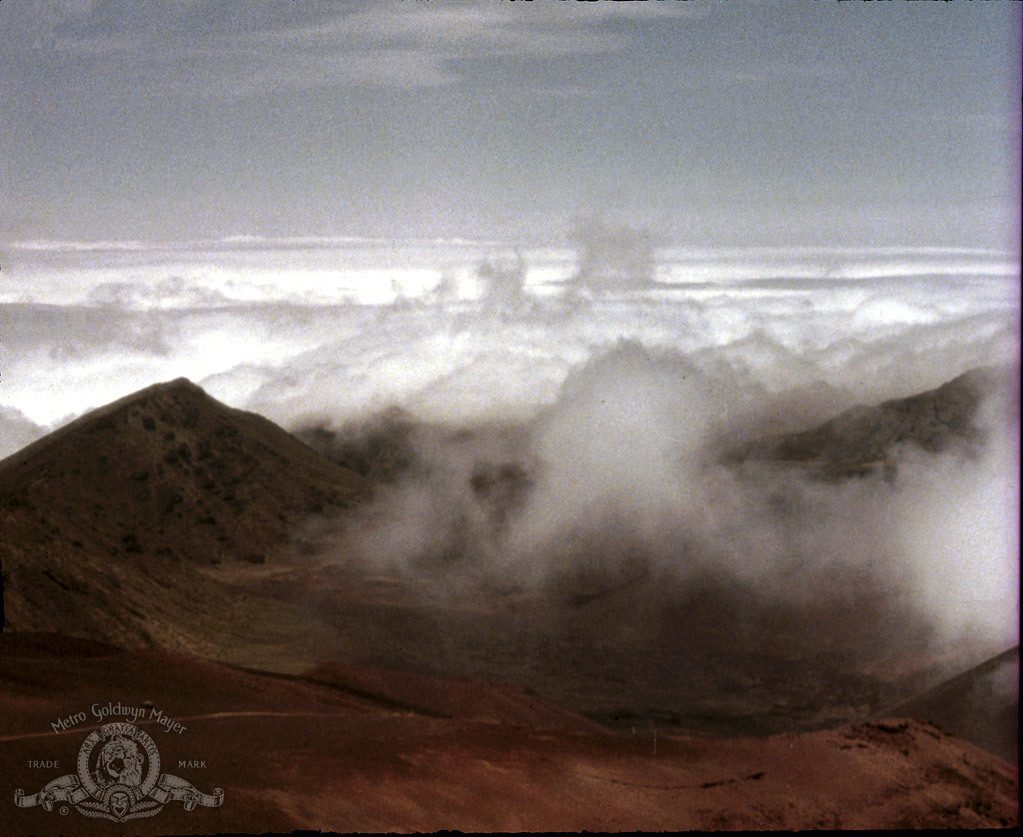
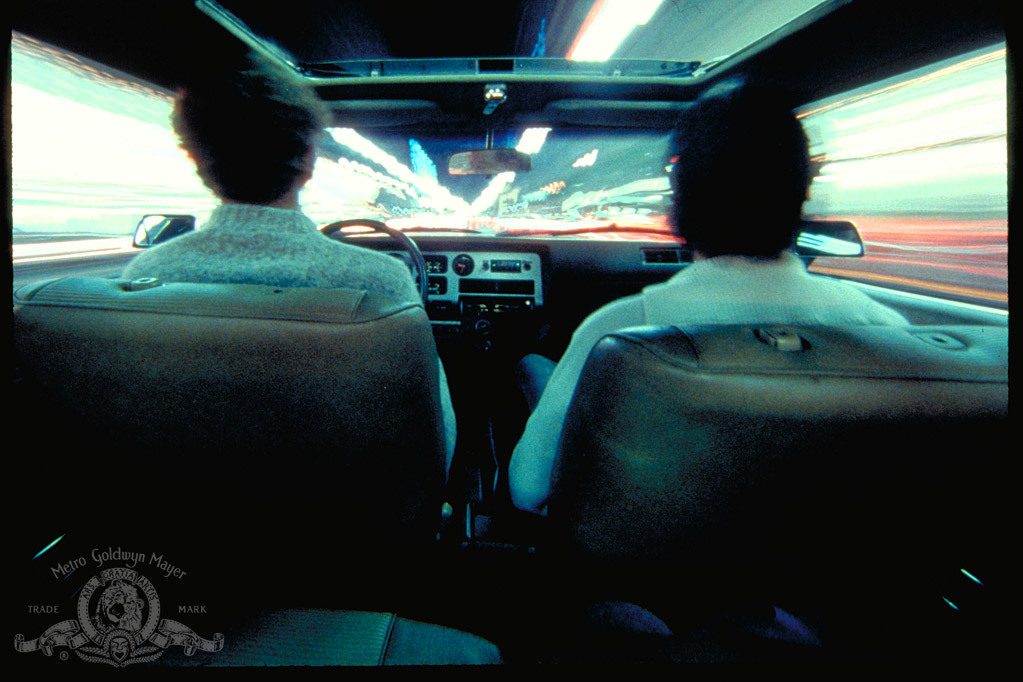
Koyaanisqatsi is a documentary of images and music alone, with no dialogue, no spoken commentary and no intertitles. It opens on pictographs in a Utah canyon and a rocket lifting off, then settles into desert country across the American Southwest, where rock formations, dunes, shifting shadows and bats leaving a cave appear in time-lapse. Clouds, a waterfall and slow ocean waves follow. The camera next surveys what people take and build: reservoirs, flower fields, surface mines, power lines, evaporation ponds, oil wells and blast furnaces. Sunbathers lie beside a power station, visitors tour it, jets taxi at an airport, and cars stream along city freeways. A score of repeating instrumental and choral figures marks each passage. The Hopi word of the title means life out of balance.
Cast



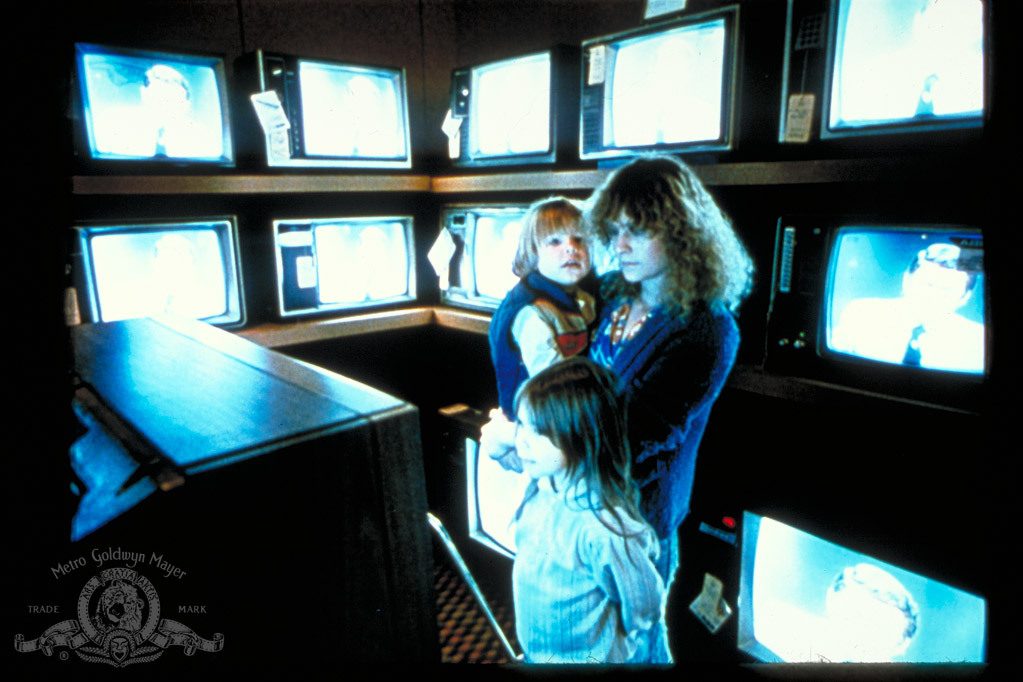
- Jerry Falwellas Self - On TV


Did you know?!Facts and trivia about Koyaanisqatsi (1982)
Can contain spoilers, watch the movie first.
- The film came out of the $40,000 left in the institute's budget after its two-year campaign against behavior-modifying drugs ended and the ACLU withdrew its sponsorship; Ron Fricke insisted the money could be used to produce a film.
- While filming in New York City, Ron Fricke set up a gray paper backdrop in Times Square and stood 10 ft back with the camera. Passers-by started posing, thinking it was a still camera, and several shots from the setup ended up in the film.
- The Boeing 747 shot, the longest continuous shot in the film, was made at Los Angeles International Airport, where Ron Fricke and his focus puller Robert Hill filmed every day for two weeks, keeping the plane in frame by slowly increasing the voltage to the camera's gear motors.
- Footage of the Pruitt-Igoe housing project was shot from a helicopter, and Fricke nearly passed out during filming, having never flown in a helicopter before.