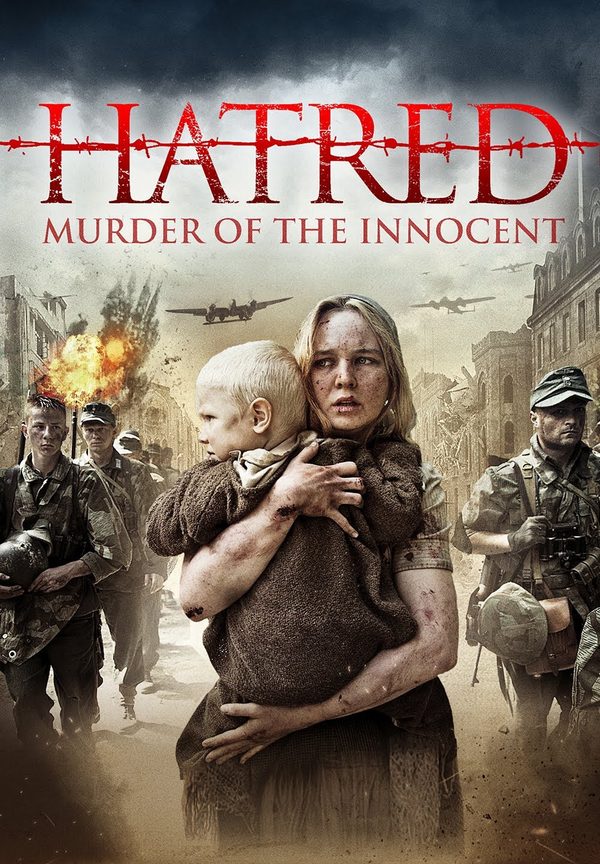
Hatred (2016) on Netflix
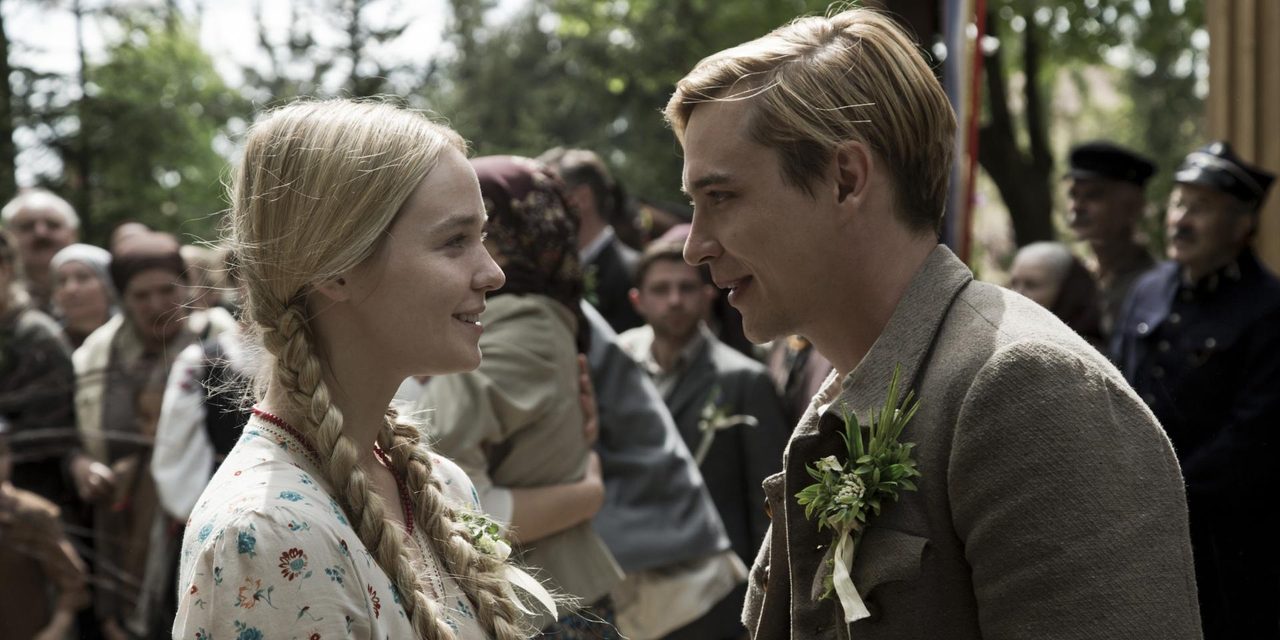
In a Volhynian village of Poles, Ukrainians and Jews, Zosia Głowacka loves the Ukrainian Petro. As war approaches, her father arranges her marriage to Maciej Skiba, an older widower.
- Watch on NetflixThis title is not on Netflix right now. Please check back later for updates.
- Watch on Prime
- Watch on NordVPN
- Netflix2.4/5
- IMDb7.5/107,705 votes
- Rotten TomatoesNot available
Trailer

Plot summary
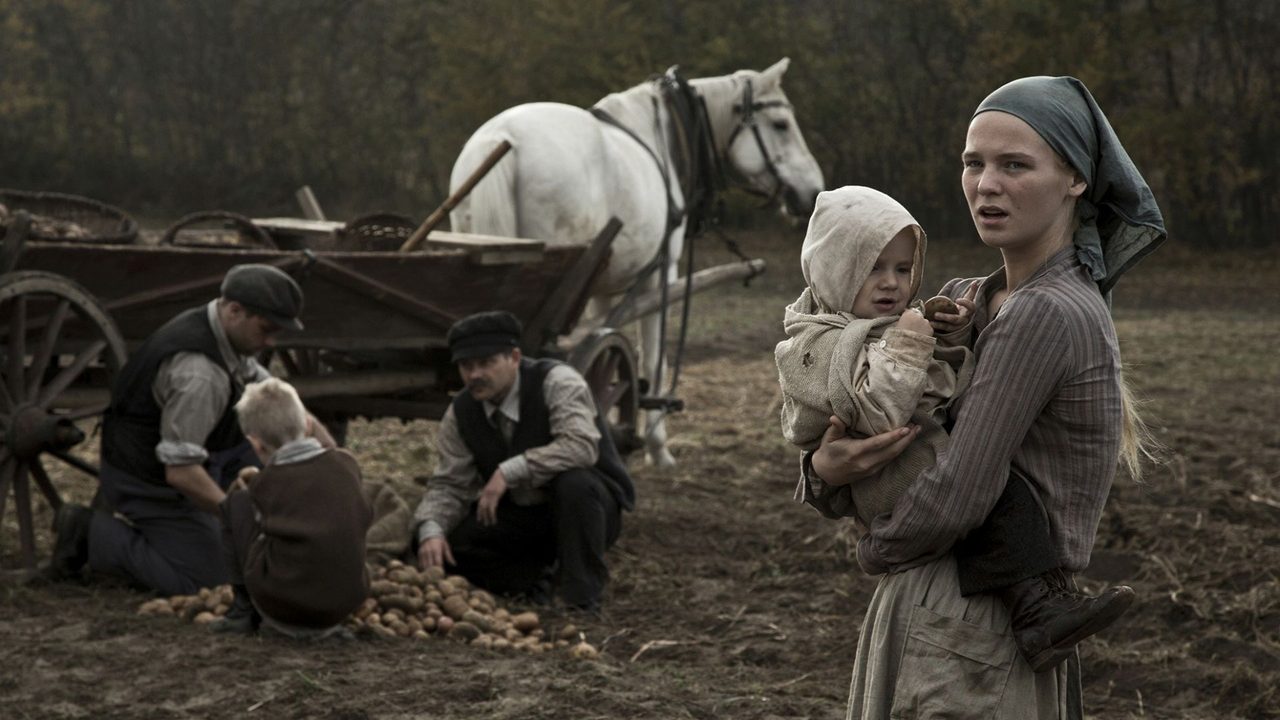
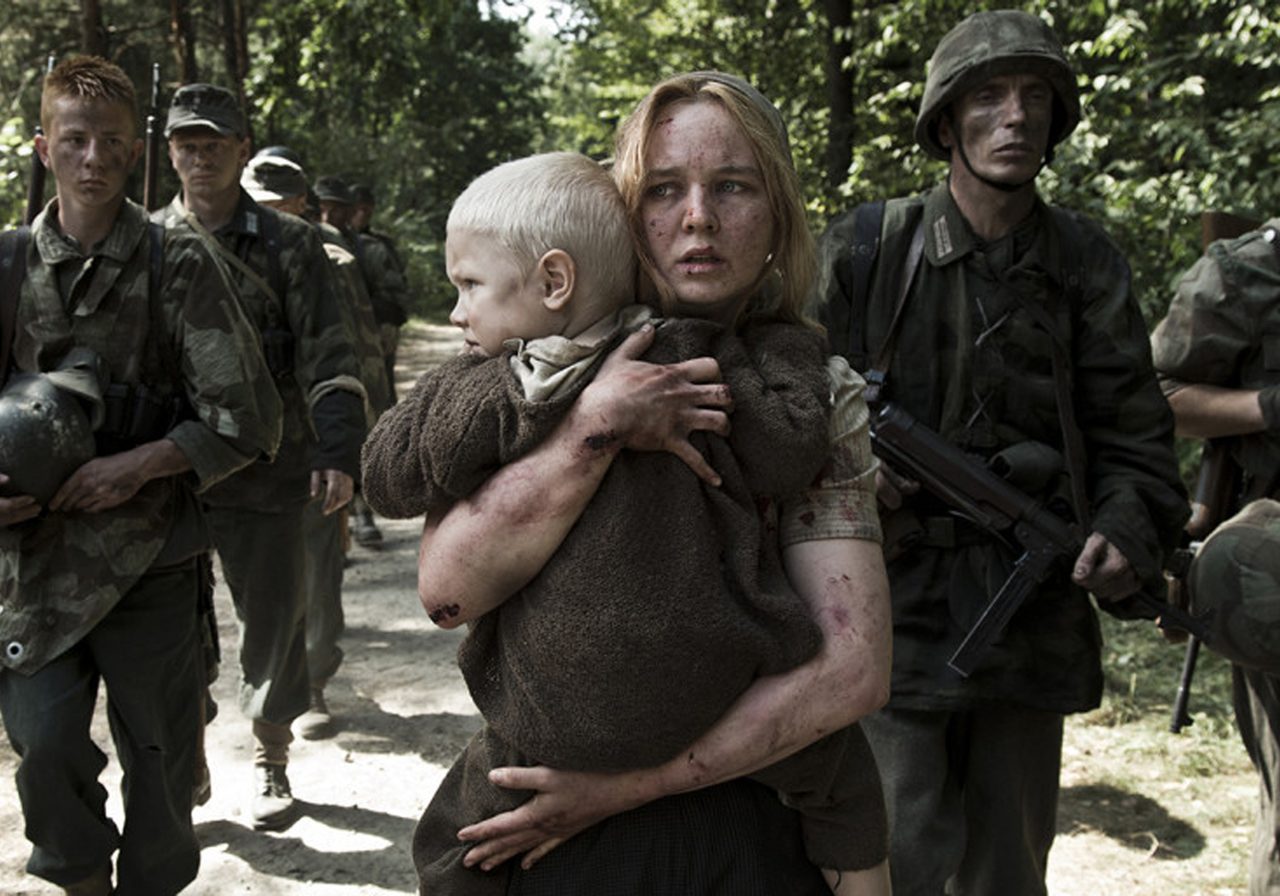
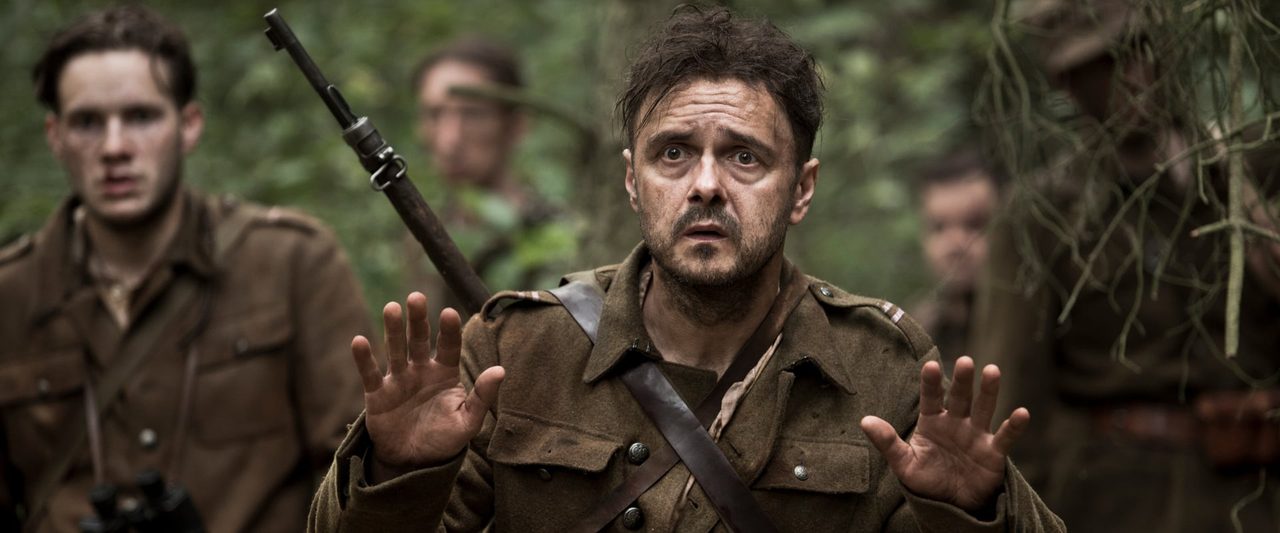
Zosia Głowacka is a young Polish woman in a Volhynian village where Polish, Ukrainian and Jewish families live together. She is in love with Petro, a local Ukrainian, but during her sister's wedding her father decides she will marry Maciej Skiba, an older widower who serves as village administrator. Ukrainian residents resent Polish officials, who favor the Polish minority, and some Ukrainians attack Polish authorities and collaborators. The Polish government responds by closing Orthodox churches and humiliating Ukrainians, though some people on both sides still seek reconciliation. When the war with Germany begins, Maciej is drafted into the Polish Army, leaving Zosia behind as the village's ethnic tensions deepen.
Cast







- Andrzej Popielas Romek Glowacki, brat Zosi






Did you know?!Facts and trivia about Hatred (2016)
Can contain spoilers, watch the movie first.
- Ukraine banned the film on the recommendation of its ambassador to Poland, Andrii Deshchytsia; the authorities said it "could cause unrest on the streets of Kyiv".
- The budget fell short, so the director appealed to the public for money to finish the film; support then arrived from backers including Telewizja Polska.
- During production, Ukrainian actors invited to play characters turned the offers down after reading about them, believing the film propagated hate.
- The Home Army officer who comes to the meeting with Ukrainians stands for the poet and officer Zygmunt Rumel, killed by the UPA, tied to four horses and torn apart on 10 July 1943.
- The church attack scene refers to 11 July 1943 in the village of Kisielin, the Kisielin massacre, called Bloody Sunday on Volhynia; similar events occurred the same day in Poryck, Chrynów, Krymno and Zabłoćce.