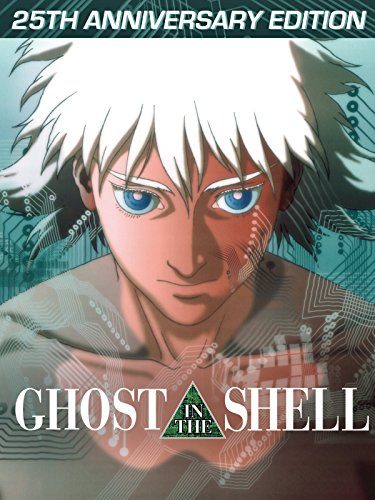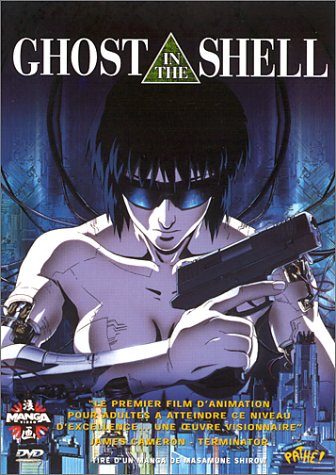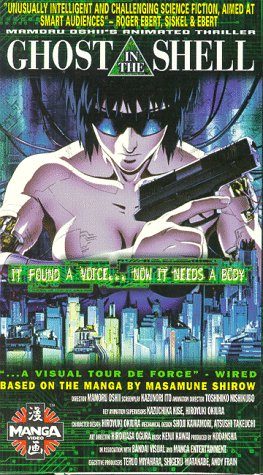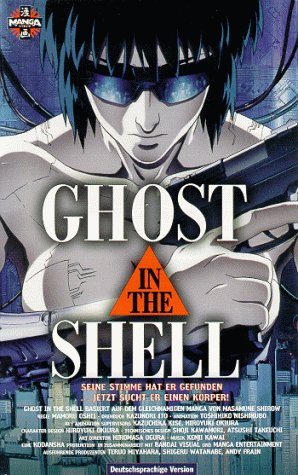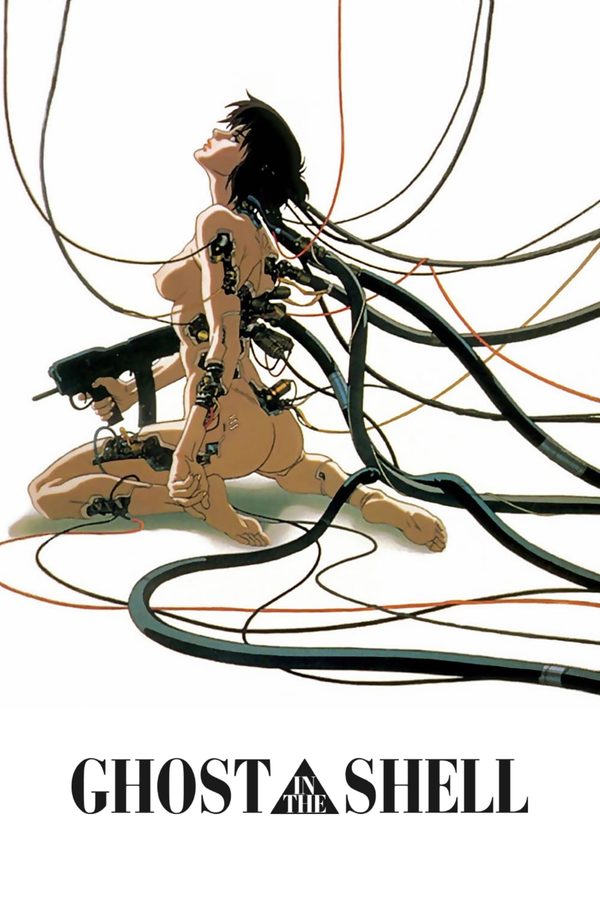
Ghost in the Shell (1995) on Netflix
NR19951h 23mActionAnimationMystery
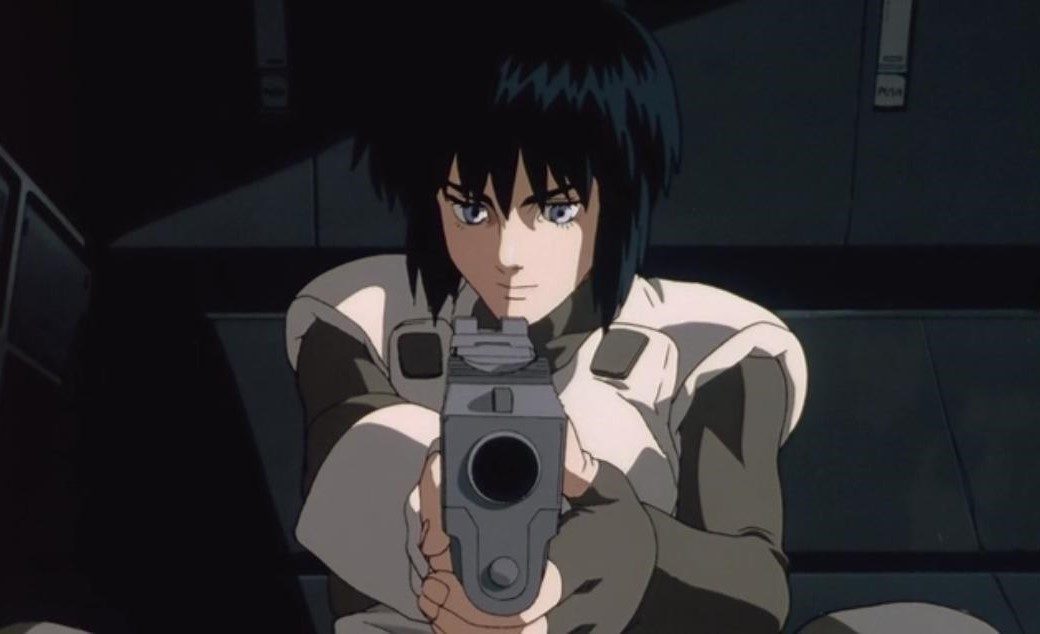
In 2029 New Port City, Major Motoko Kusanagi leads the assault team of Public Security Section 9. The cyborg officers pursue the Puppet Master, a hacker who draws them into politics.
- Netflix3.9/5
- IMDb7.9/10176,894 votes
- Rotten Tomatoes95%
Trailer

Plot summary
The year is 2029. The world has become intensively information oriented and humans are well-connected to the network. Crime has developed into a sophisticated stage by hacking into the interactive network. To prevent this, Section 9 is formed. These are cyborgs with incredible strengths and abilities that can access any network on Earth.
Cast














Show all 20 cast


Did you know?!Facts and trivia about Ghost in the Shell (1995)
Can contain spoilers, watch the movie first.
- The Wachowskis showed Ghost in the Shell to producer Joel Silver, saying "We wanna do that for real", and The Matrix borrowed from it: the digital rain came from the film's opening credits, and the neck ports used to jack into the Matrix parallel its electronic communication.
- For the opening theme "Making of a Cyborg", composer Kenji Kawai mixed classical Japanese music and min'yō with Bulgarian harmony; the haunting choral parts are a wedding song sung to dispel all evil influences.
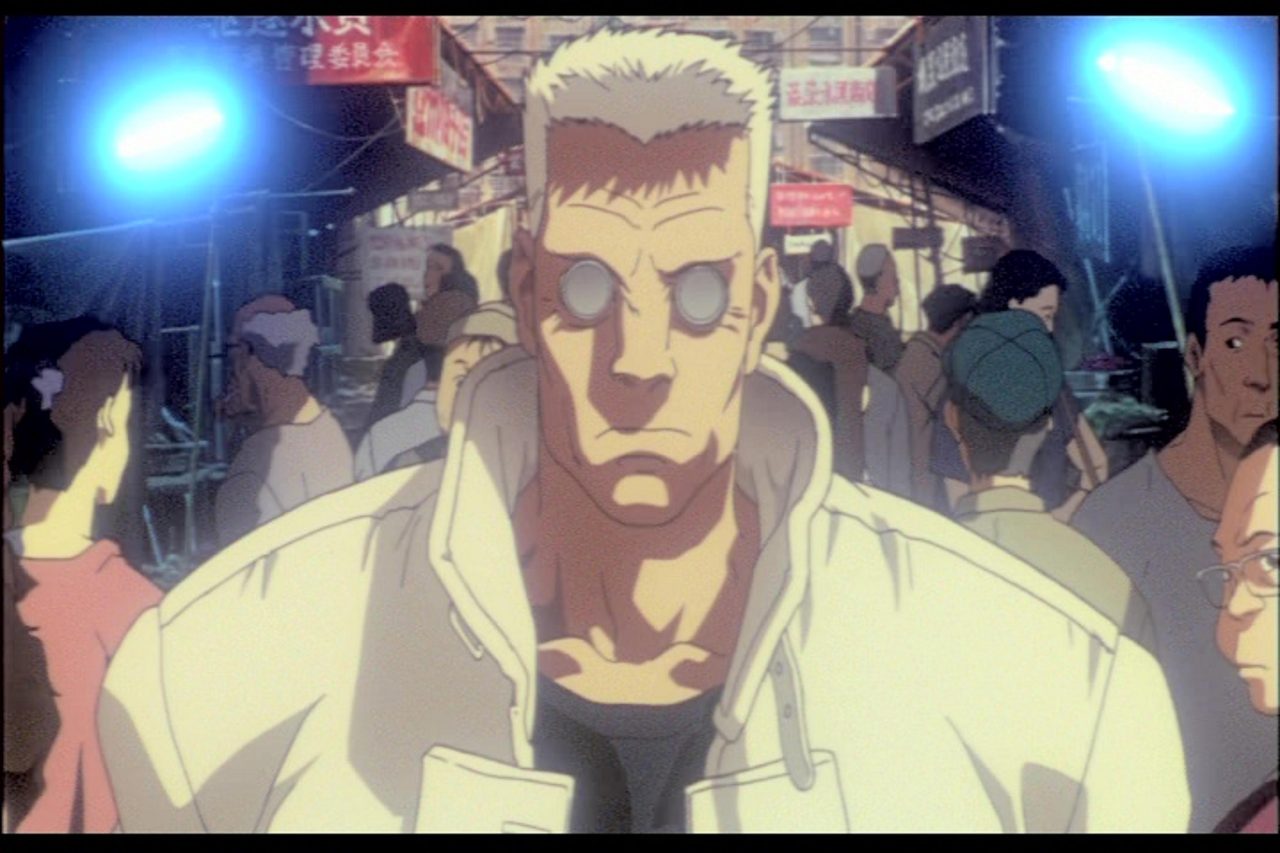
- Director Mamoru Oshii based the film's future city on the real streets of Hong Kong, deciding a believable future cityscape could not be drawn, and was drawn to the city's countless signs and cacophony of sounds.
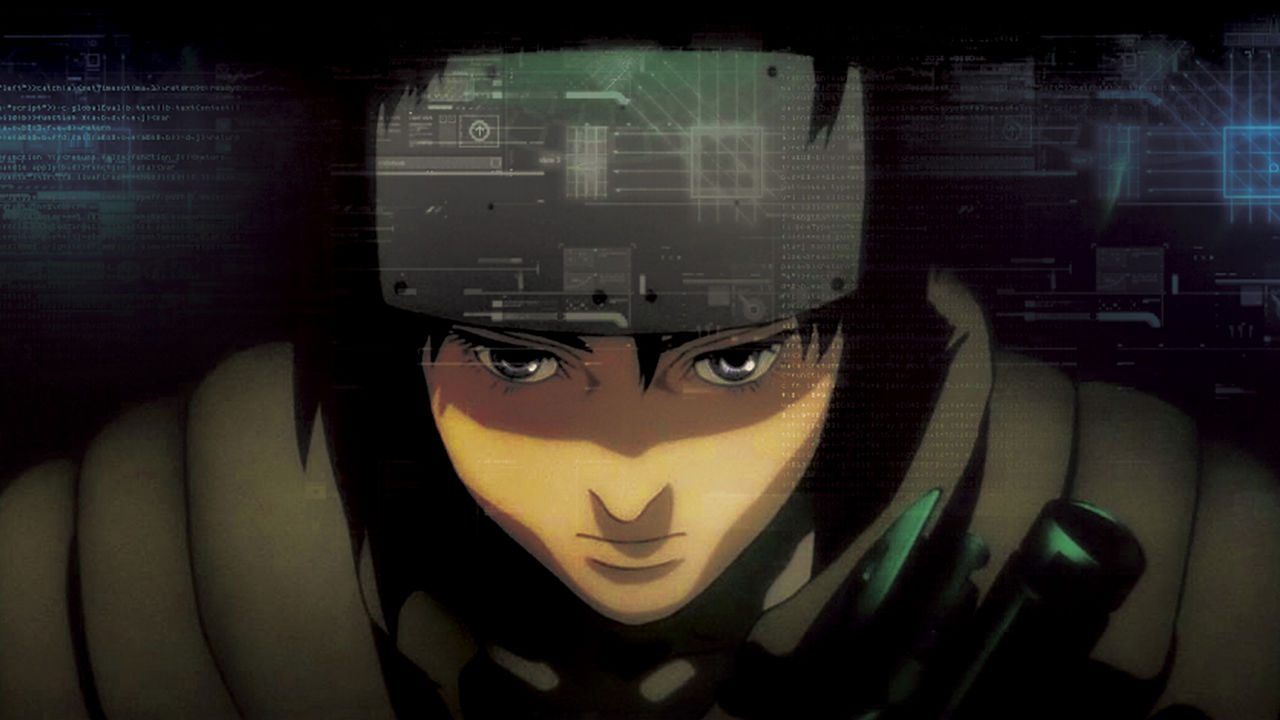
- The opening credits were computer-generated by CG director Seichi Tanaka, who converted computer-language code written in romanised Japanese letters into numbers; the code itself spells out the names of the film's staff.
- In August 1996, Ghost in the Shell became the first Japanese film to top the Billboard video sales chart, with over 200,000 VHS copies sold.
- Motoko's "thermo-optical camouflage" was rendered using Production I.G's in-house tool TIMA, which distorts a single illustration against a background without altering the original illustration.
- At the 24th Annie Awards in 1996, Ghost in the Shell earned five nominations and held the most nominations for a Japanese animated film until The Boy and the Heron and Suzume each took seven at the 51st Annie Awards in 2024.