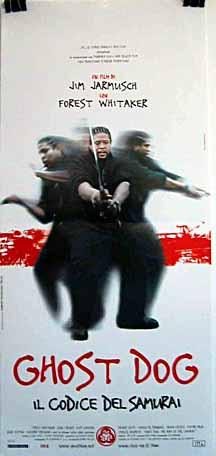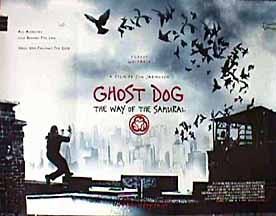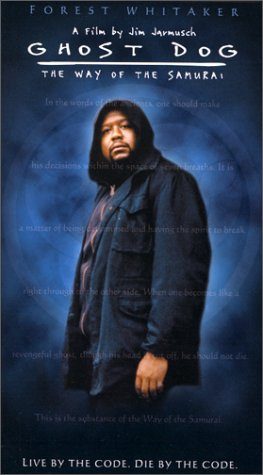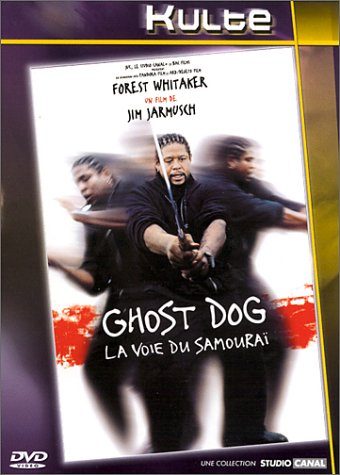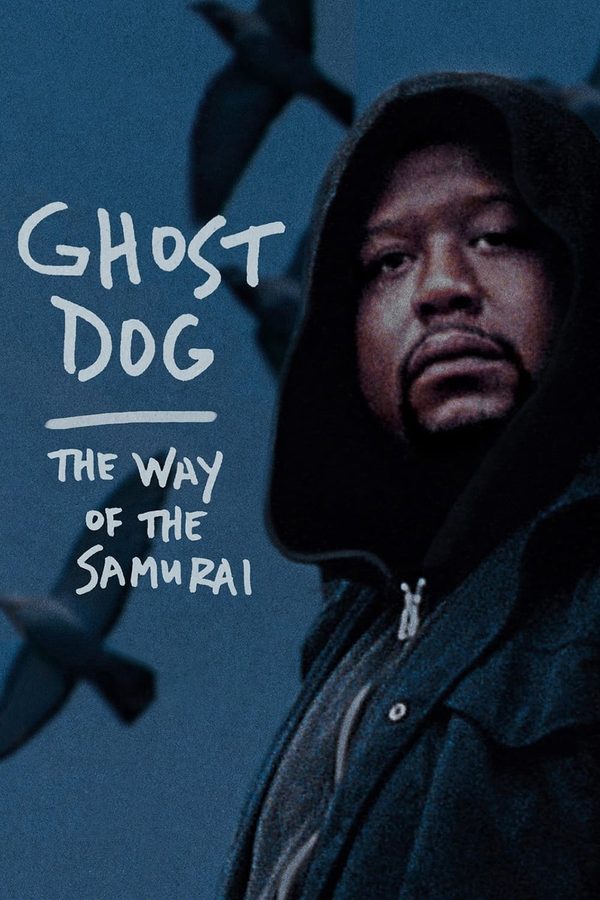
Ghost Dog: The Way of the Samurai (1999) on Netflix
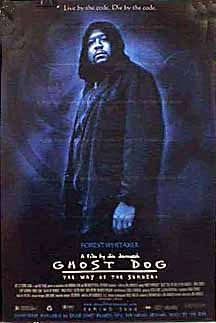
Ghost Dog, a hitman in Jersey City, lives by the samurai code of the Hagakure and serves Louie, the mobster who saved him. A hit that leaves a witness makes him expendable.
- Netflix3.6/5
- IMDb7.5/10103,785 votes
- Rotten Tomatoes83%
Trailer
Plot summary
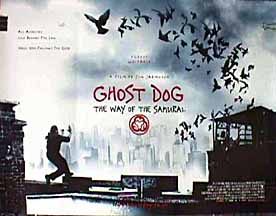
Ghost Dog lives in Jersey City, keeps homing pigeons on a rooftop, and works as a hitman while following the Hagakure, the samurai code he applies to his life. He answers to Louie, a mobster who saved him years earlier, and the two communicate by carrier pigeon. Louie sends him to kill Handsome Frank, who has been sleeping with the daughter of the boss, Ray Vargo. The young woman, Louise Vargo, sees the killing and is left unharmed, and she gives him a copy of Rashōmon to read. Vargo and his associate Sonny Valerio decide the hitman must be eliminated. Ghost Dog spends his days with Raymond, a French-speaking ice cream vendor in the park, and lends Rashōmon to a girl named Pearline.
Cast












Did you know?!Facts and trivia about Ghost Dog: The Way of the Samurai (1999)
Can contain spoilers, watch the movie first.
- The film contains a number of references to Seijun Suzuki's Branded to Kill, such as a bird landing in front of Ghost Dog's rifle scope, which echoes the incident with a butterfly in Suzuki's film; both Melville and Suzuki receive "personal thanks" in the credits.
- Critics have read the film as a homage to Le Samouraï, a 1967 crime drama by Jean-Pierre Melville starring Alain Delon, which opens with a quote from an invented Book of Bushido and follows a meditative, loner hero, Jef Costello.
- The score and soundtrack were the first produced by the Wu-Tang Clan's RZA; US and Japanese versions of the album came out with different track lists, and the Japanese release even has songs that are not in the film.
- Licence plates in the film reveal fictional state nicknames: one reads "The Industrial State", while a vehicle from another state carries "The Highway State".
- Ghost Dog premiered at the 1999 Cannes Film Festival, where it competed for the Palme d'Or, and was later nominated for both an Independent Spirit Award for Best Feature and a César Award for Best Foreign Film.