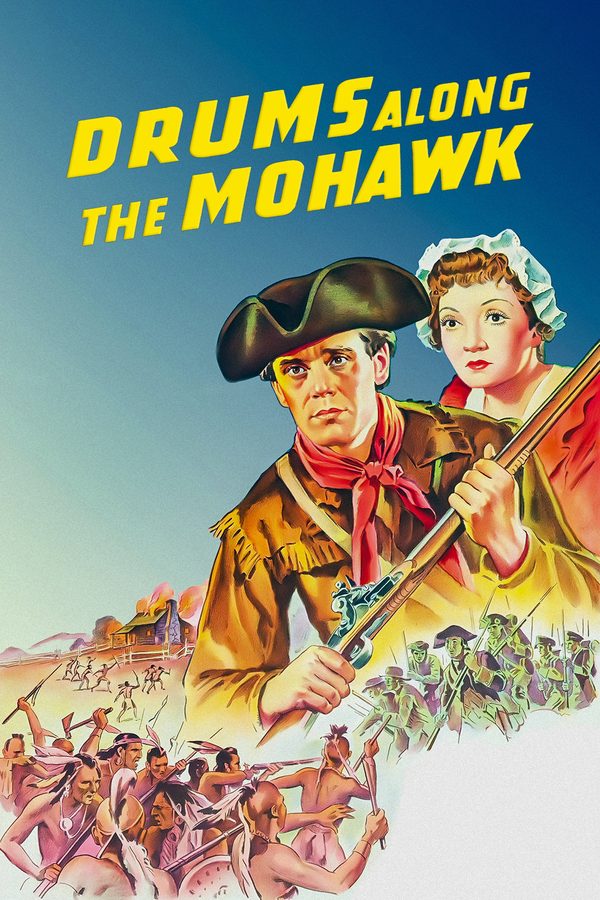
Drums Along the Mohawk (1939) on Netflix
Approved19391h 44mDramaRomanceWar
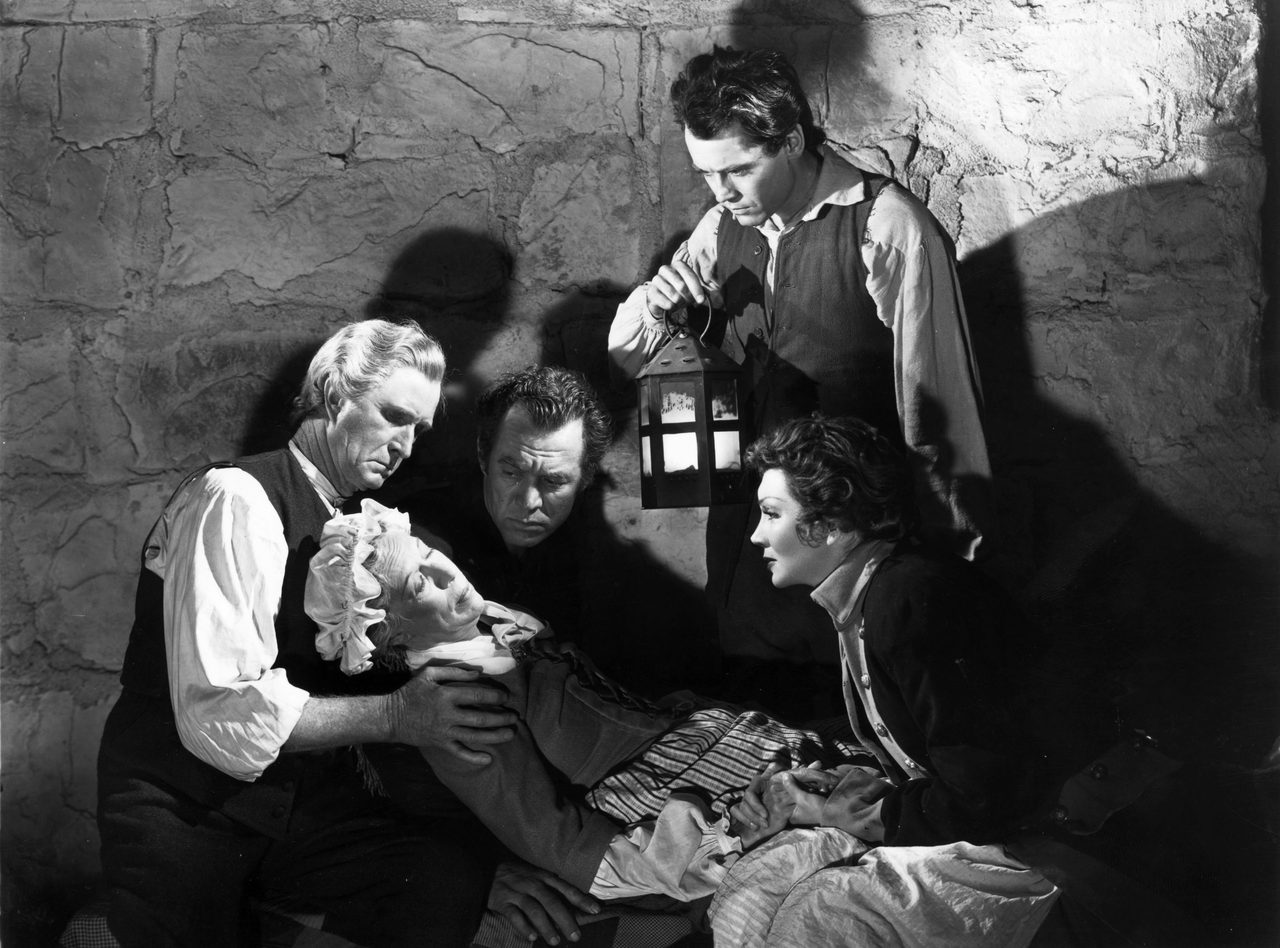
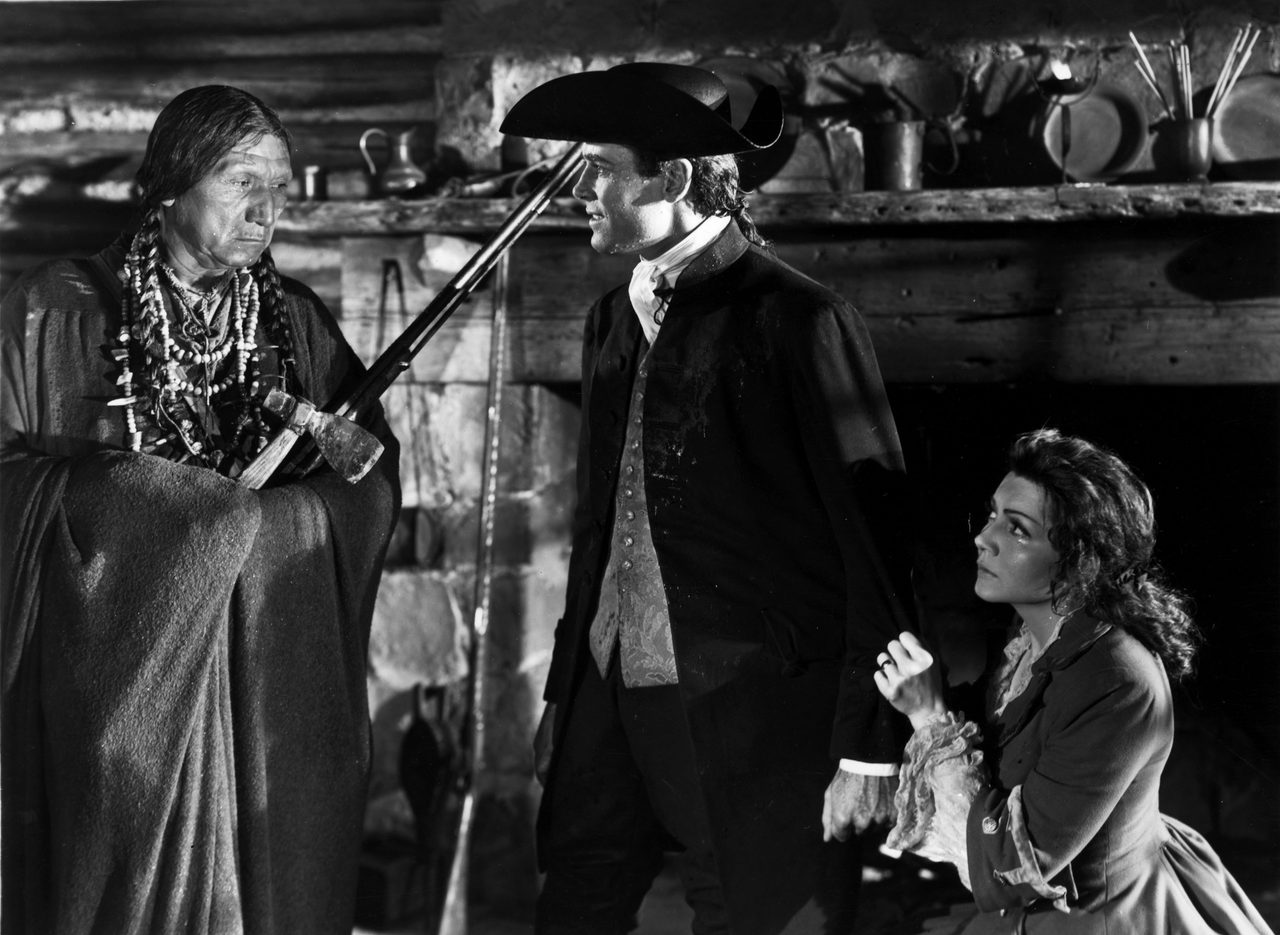
Lana Borst leaves her family's home for Gilbert Martin and his farm in the Mohawk Valley. When war breaks out, Gil joins the militia, and word comes of a Seneca raiding party.
- Netflix3.8/5
- IMDb7.0/107,506 votes
- Rotten Tomatoes82%
Trailer

Plot summary
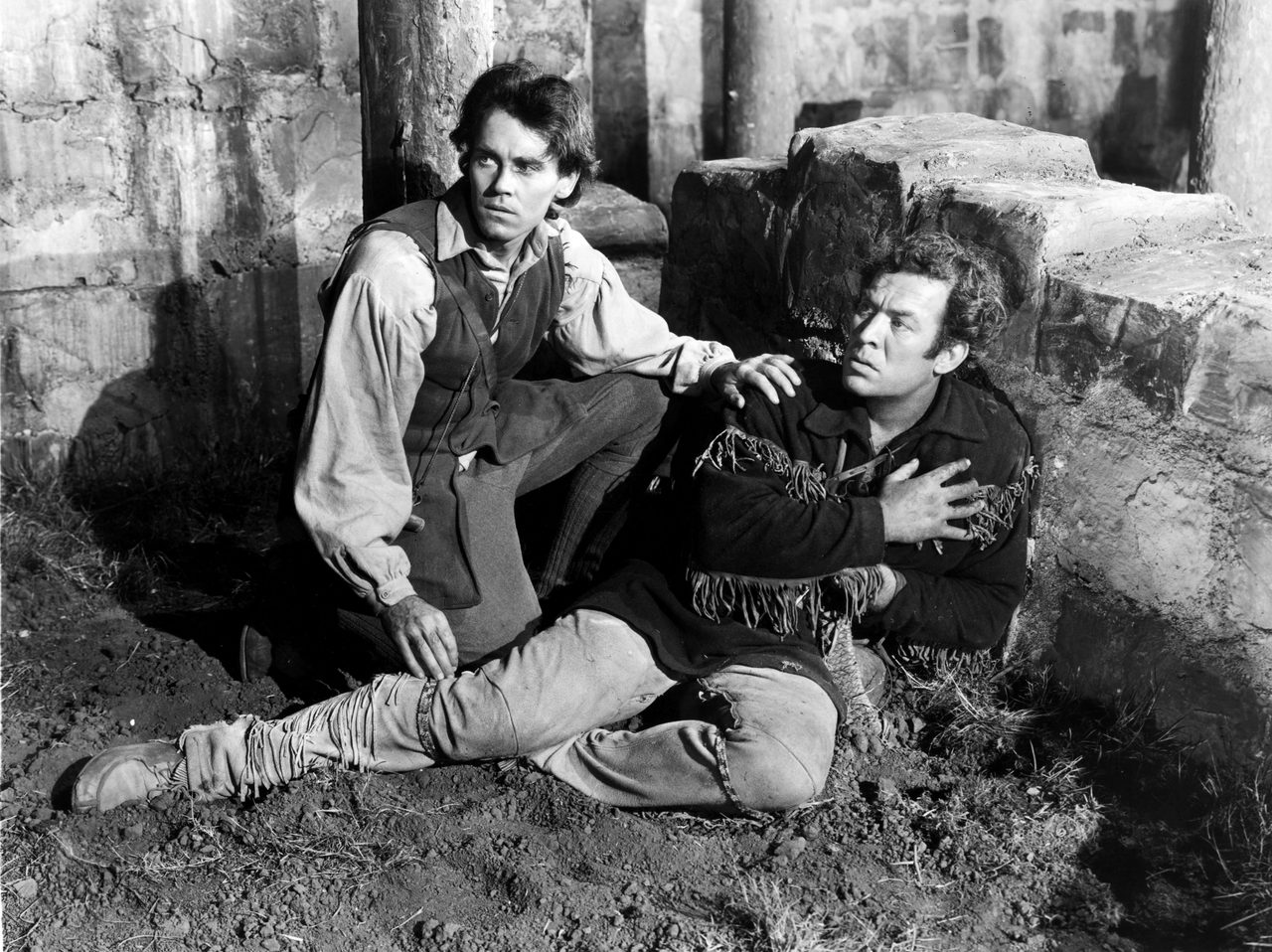
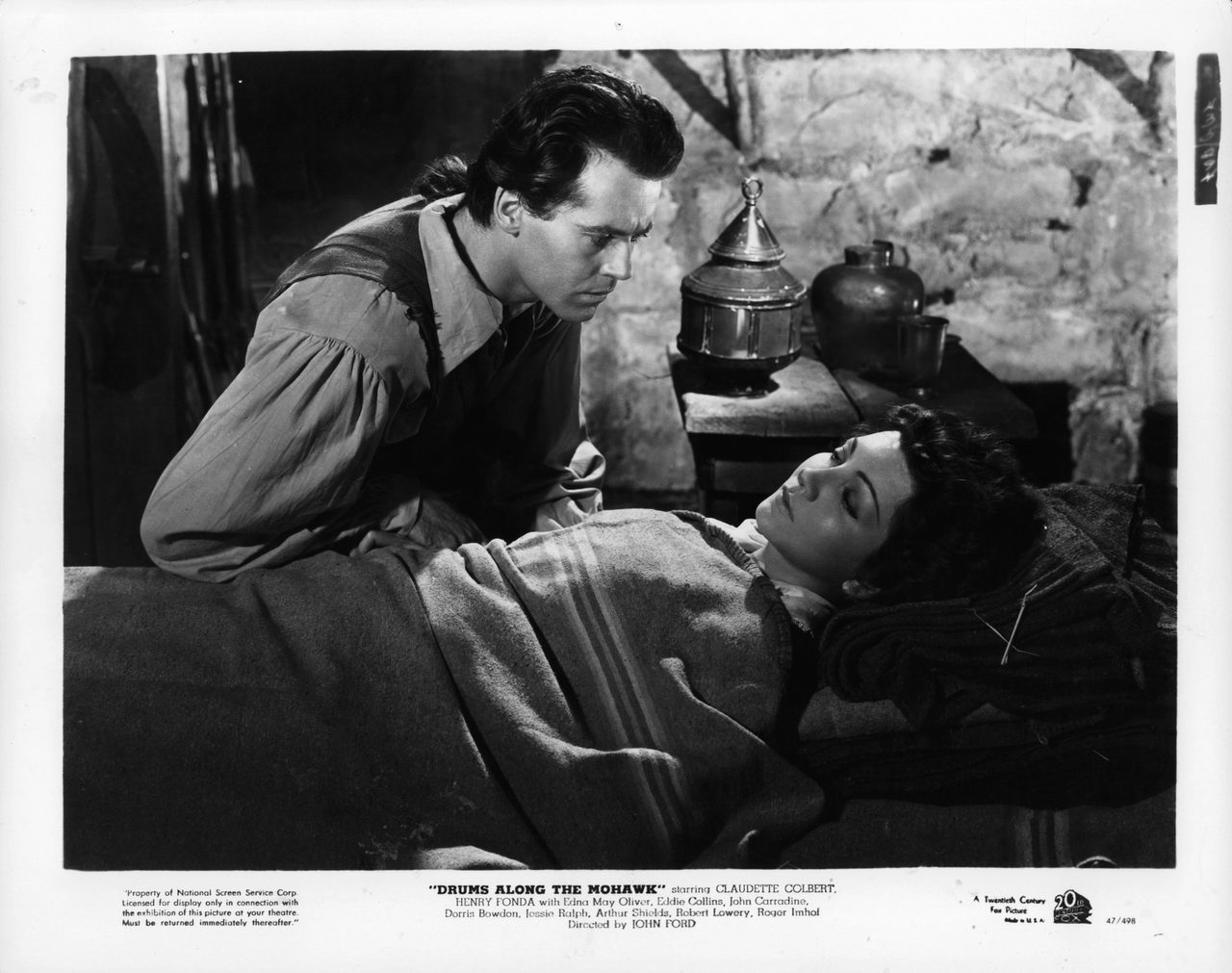
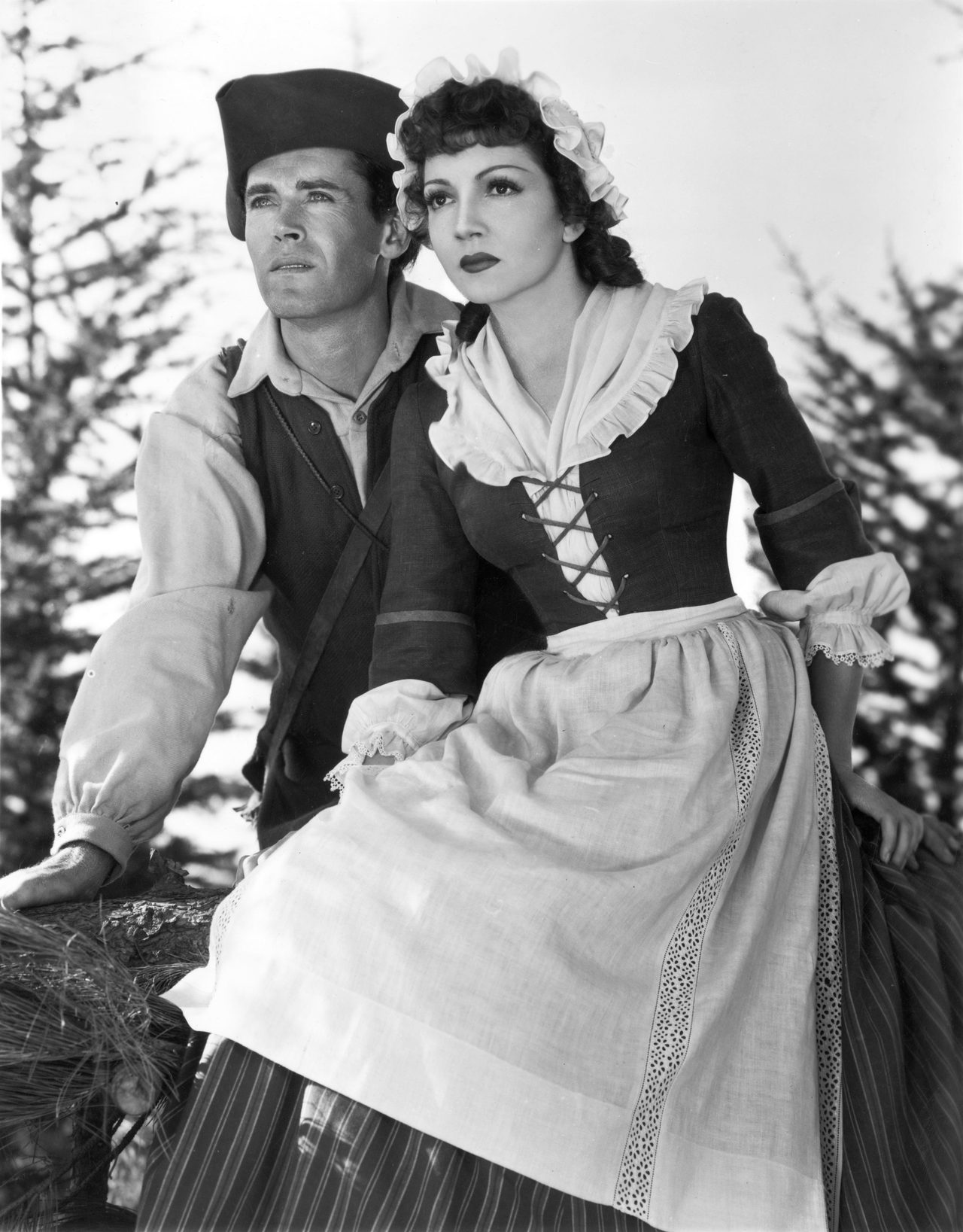
Gilbert Martin marries Lana Borst, the eldest daughter of a prosperous colonial household, and takes her north from Albany to his farm in the Mohawk Valley of central New York. It is July 1776, and the Revolutionary War has broken out; the settlers in the valley have raised a militia, and Gil joins it. Their farm stands remote from the fort, and the couple lives in a one-room cabin. While Gil and his neighbors clear land for crops, Blue Back, a friendly Oneida, brings word that a Seneca raiding party is in the valley, led by a Loyalist called Caldwell.
Cast








Did you know?!Facts and trivia about Drums Along the Mohawk (1939)
Can contain spoilers, watch the movie first.
- John Ford chose to minimize the British role in Drums Along the Mohawk. In the real Mohawk Valley campaign the British Army mattered more than the Loyalists and Native Americans, but with war against Germany coming in 1939 Ford had little desire to show the British as villains while they were fighting for their lives against the Nazis.
- The Battle of Oriskany, a central feature of the film's plot, was a real pivotal engagement of the Saratoga campaign: a British force drove south from Canada trying to occupy the Hudson Valley and isolate Connecticut, Rhode Island, New Hampshire and Massachusetts from the rest of the Thirteen Colonies.
- The film's version of Fort Schuyler departs from the record: the real fort stood far from any civilian settlements, at the site of an important east-west portage, and was defended by Continental Army soldiers of the 3rd New York Regiment and troops from Massachusetts, not by militiamen.