Featurette

Plot summary
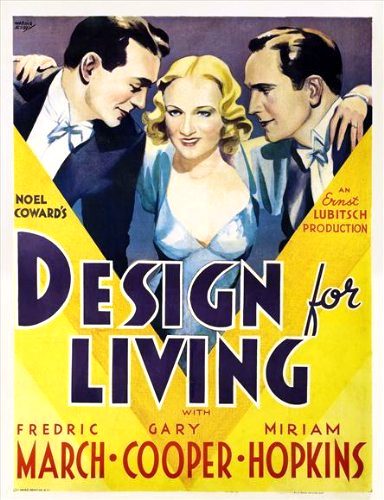
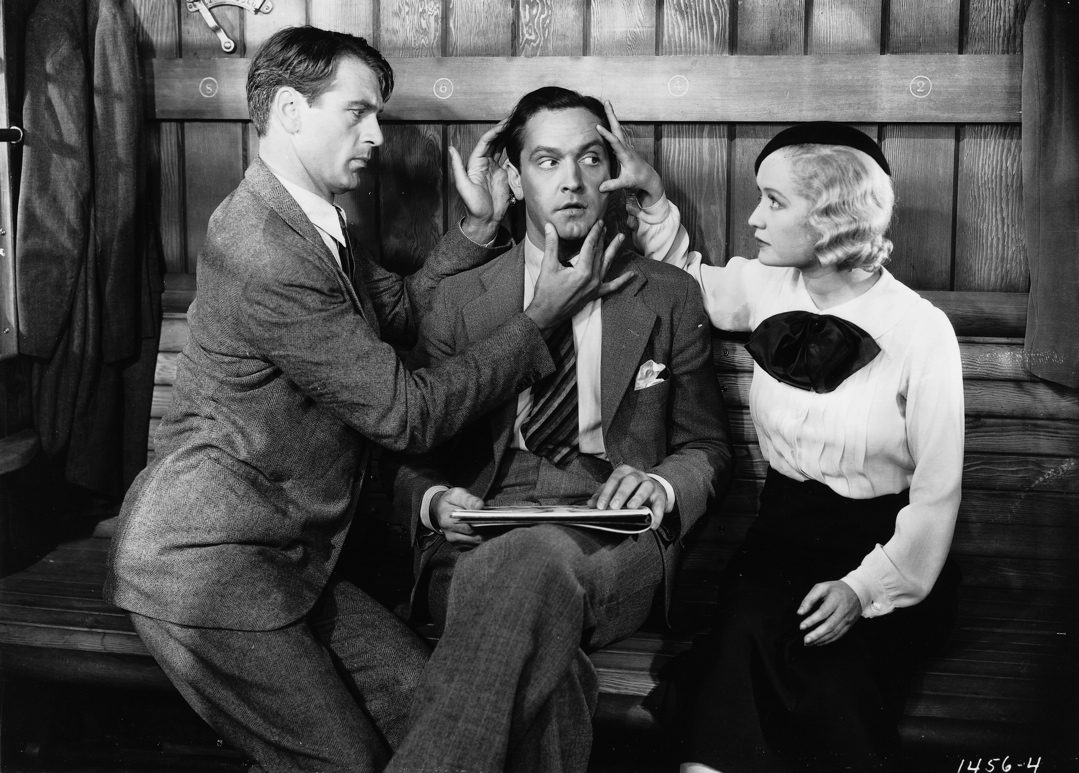
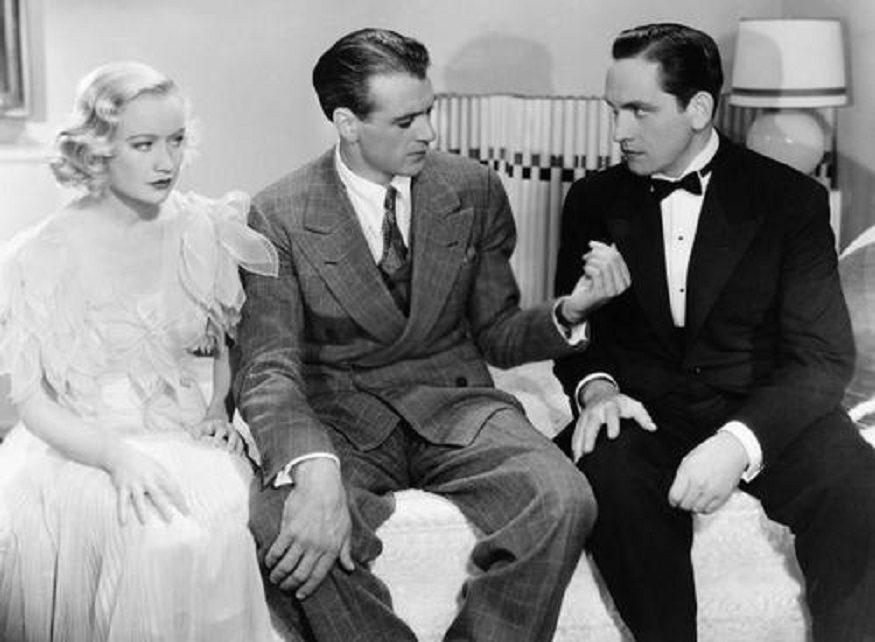
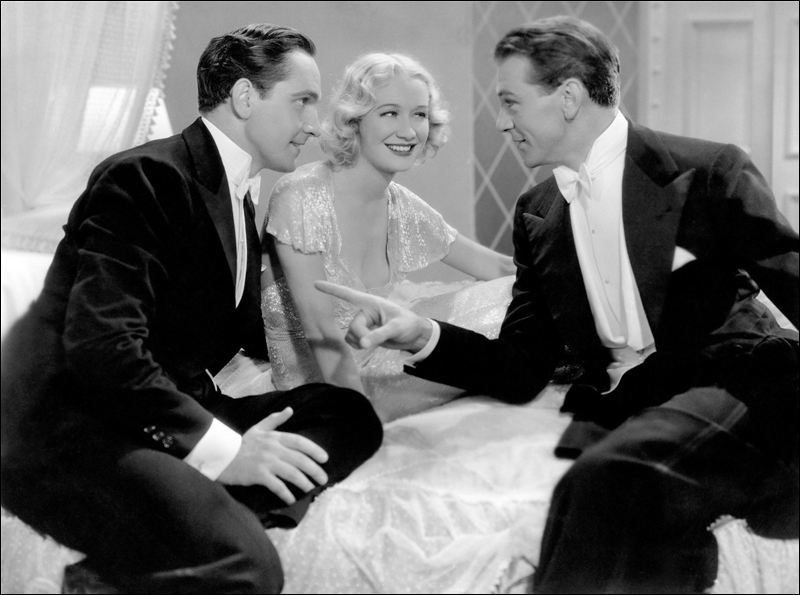
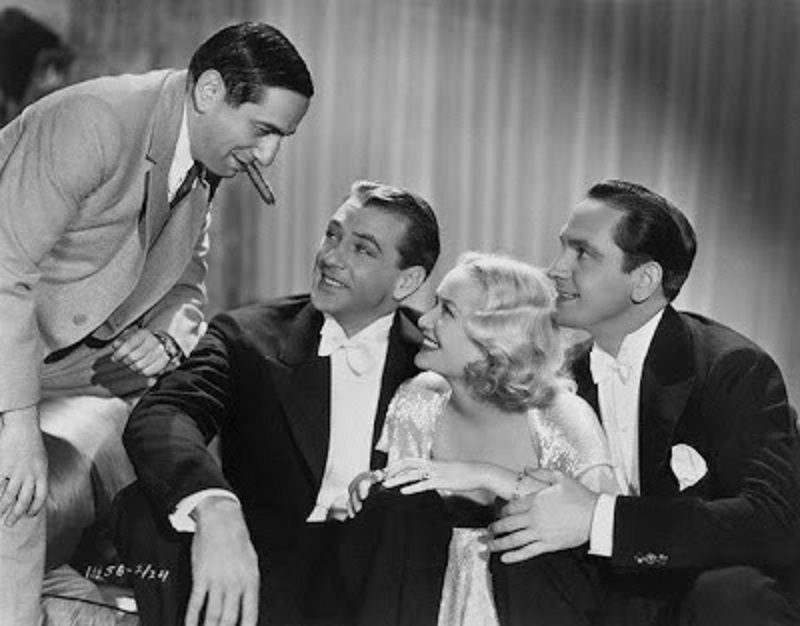
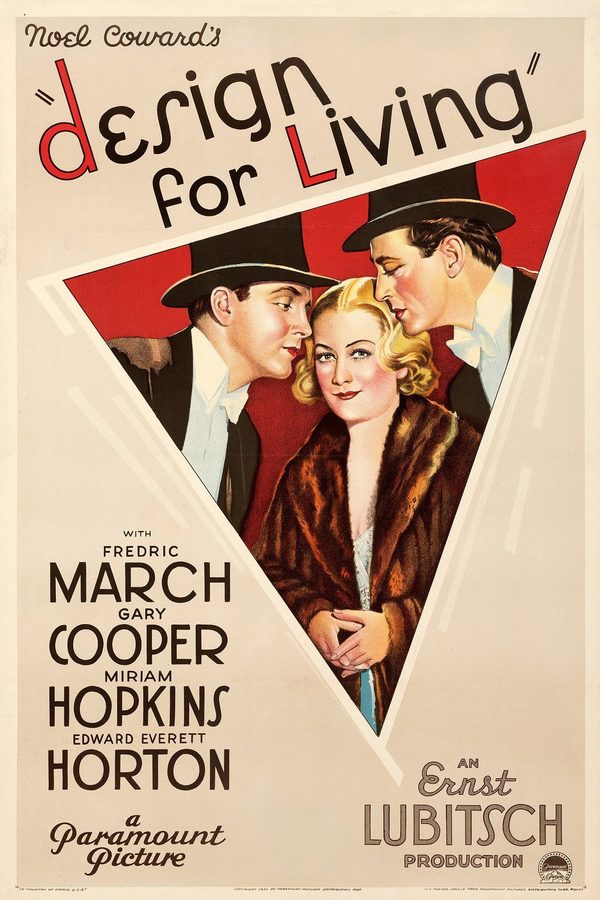
Gilda Farrell, a commercial artist, travels to Paris by train, where she meets two Americans: the painter George Curtis and the playwright Thomas Chambers, who share an apartment in the city. Gilda works for the advertising executive Max Plunkett, who has never managed to interest her romantically. Tom and George both fall in love with Gilda, and each learns of the other's feelings. They agree to put her out of their minds, but when she visits they cannot keep to it. Since Gilda cannot pick one of them, she suggests a different arrangement: she will live with the two men as their friend, muse and critic, on the condition that they do not sleep together.
Cast








- Cosmo Kyrle Bellewas Man (uncredited)

- Thomas Braidonas Douglas' Second Manager (uncredited)


Show all 20 cast

- Helena Phillips Evansas Mrs. Egelbauer (uncredited)


Did you know?!Facts and trivia about Design for Living (1933)
Can contain spoilers, watch the movie first.
- Noël Coward said he was told only three of his original lines survived into the film, offering as one of them the line "Pass the mustard".
- The Hays Office approved Design for Living despite its sexual talk and innuendo, but the Legion of Decency banned it, and in 1934 the PCA refused it a certificate for re-release under the strict new rules.
- Ernst Lubitsch wanted Ronald Colman and Leslie Howard as the male leads, but Colman demanded too much money and Howard did not want to risk comparisons to the play's original cast.
- Douglas Fairbanks Jr. was originally cast as George, but he contracted pneumonia and had to withdraw just before filming began; Gary Cooper took the part.
- Lubitsch first asked Samson Raphaelson to write the screenplay, but he had no interest in adapting Coward, so Ben Hecht rewrote the play, renamed the men and turned Coward's sophisticated, cynical trio into naïve bohemians during the Great Depression.