Trailer
Plot summary
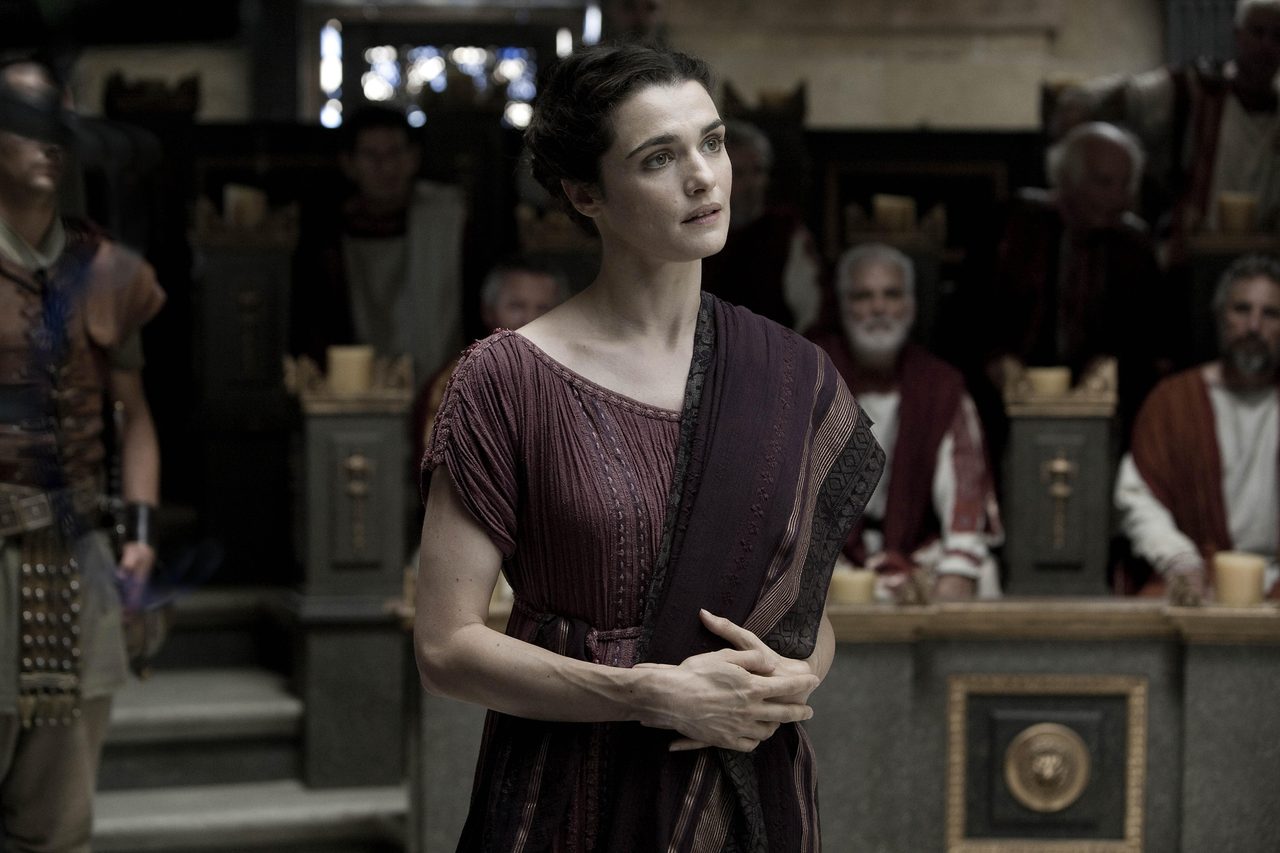
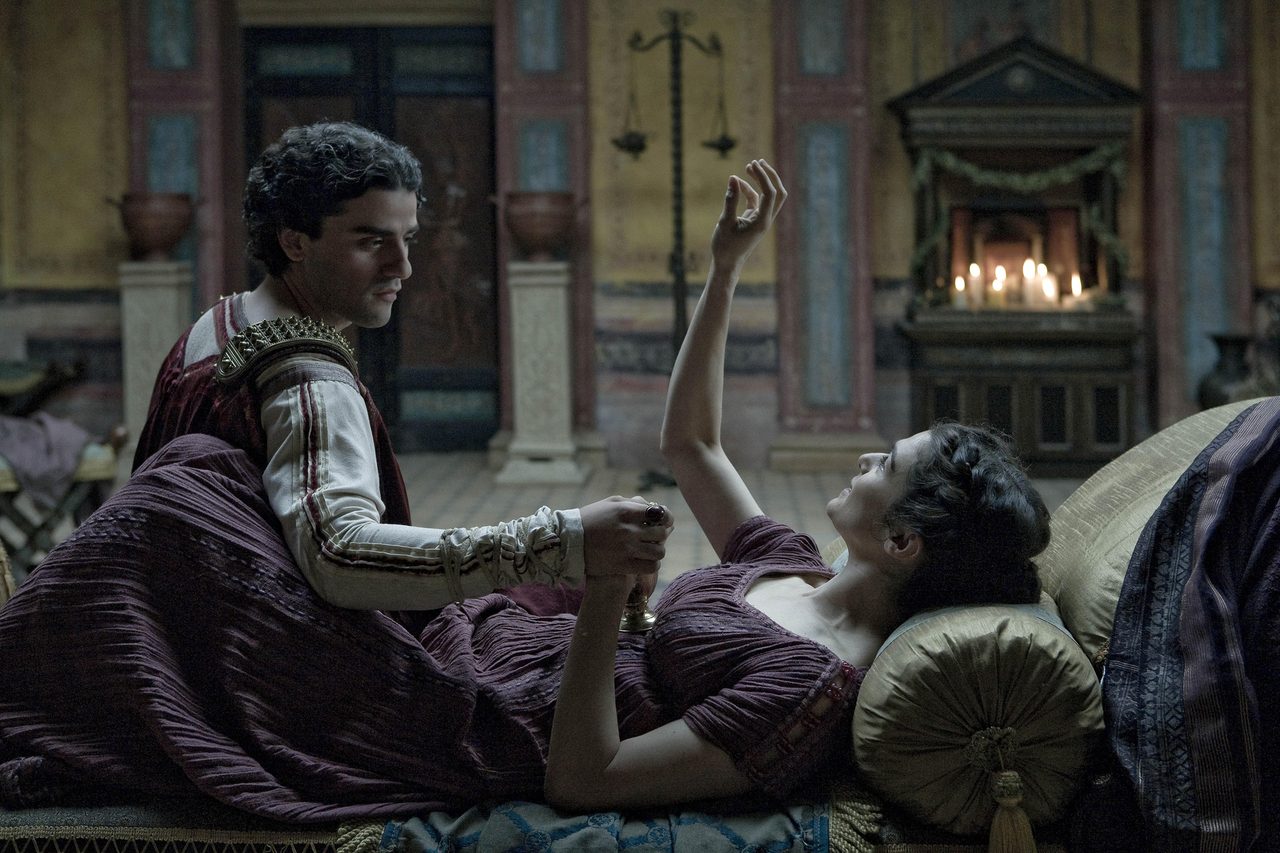
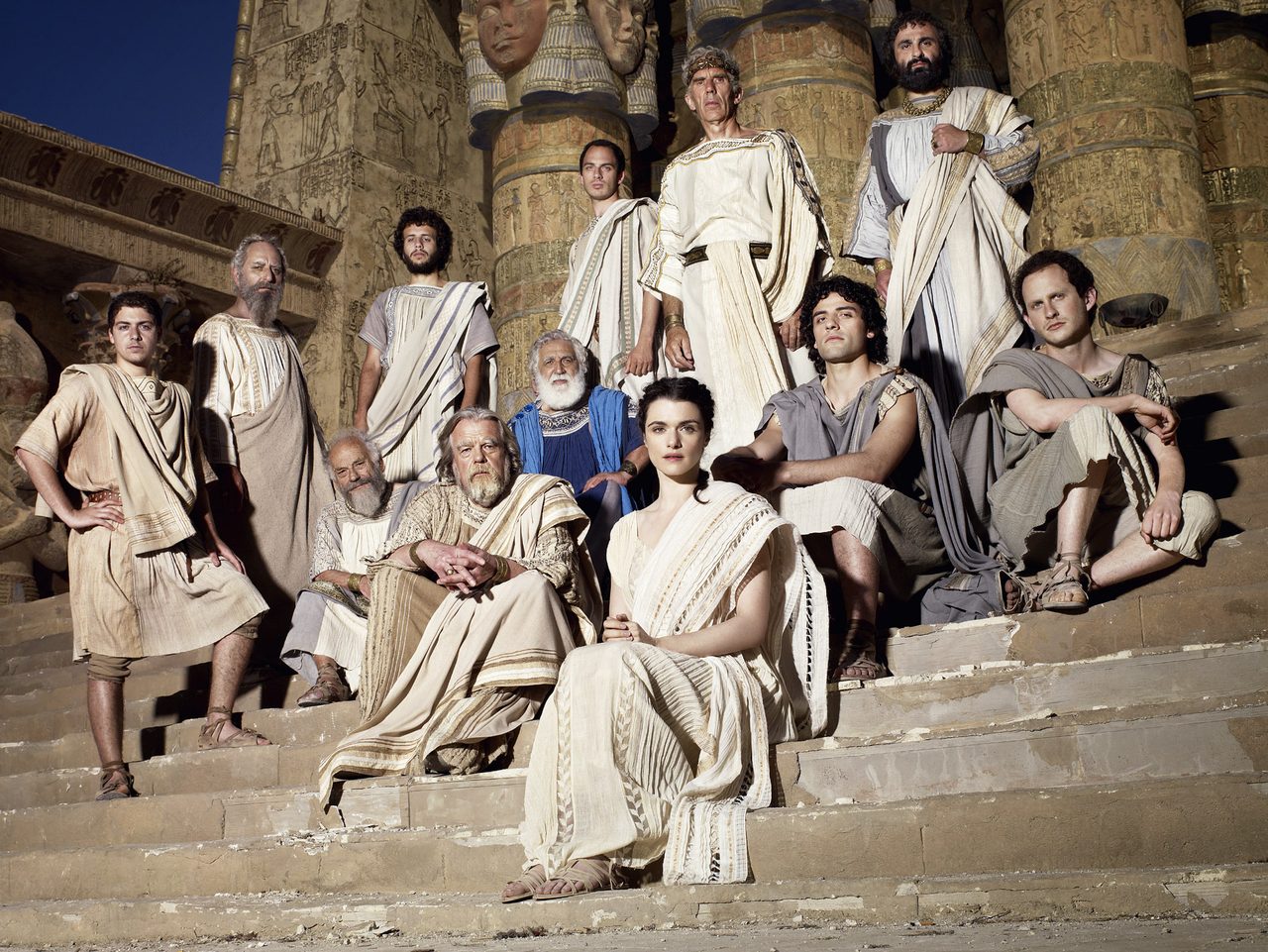
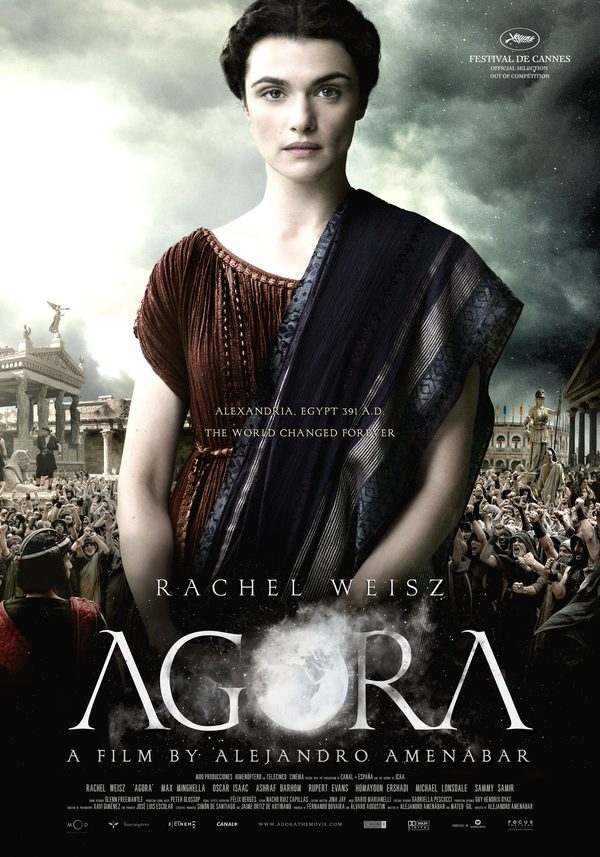
Alexandria, in the Roman province of Egypt, is home to the Platonic school where Hypatia teaches astronomy, mathematics and philosophy and where the city's future leaders are educated. Her father, Theon, directs the Musaeum. Davus, his slave, assists Hypatia in her classes and is secretly in love with her, while her pupil Orestes, an aristocrat, tries to woo her and is rejected. The city around them is dividing: Christians are gaining political power and insulting the statues of the pagan gods, and pagans, Theon and Orestes among them, plan to answer them. Hypatia concerns herself with the movement of the sun, the moon and the planets, and takes no interest in the faith dividing the city.
Cast


Did you know?!Facts and trivia about Agora (2009)
Can contain spoilers, watch the movie first.
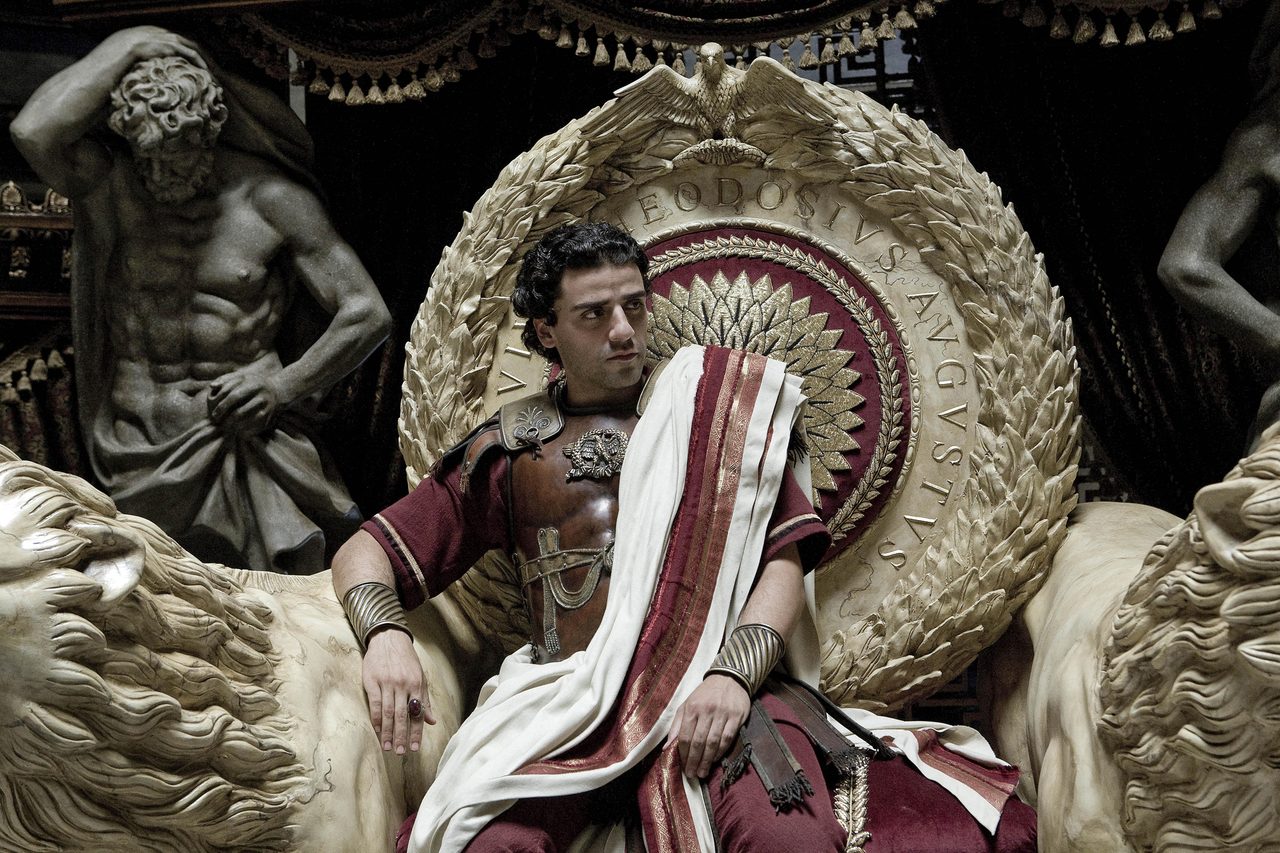
- Before release, the distribution company insisted on screening the film at the Vatican; director Alejandro Amenábar said that for one scene in which Cyril reads from St. Paul, the Vatican looked for the softest version, and the English version uses the King James Bible.
- The Cambridge History of Science described the film as "spectacularly anachronistic", singling out for criticism its portrayal of Hypatia's fictional discovery of the law of free fall and of heliocentric orbits.
SPOILER
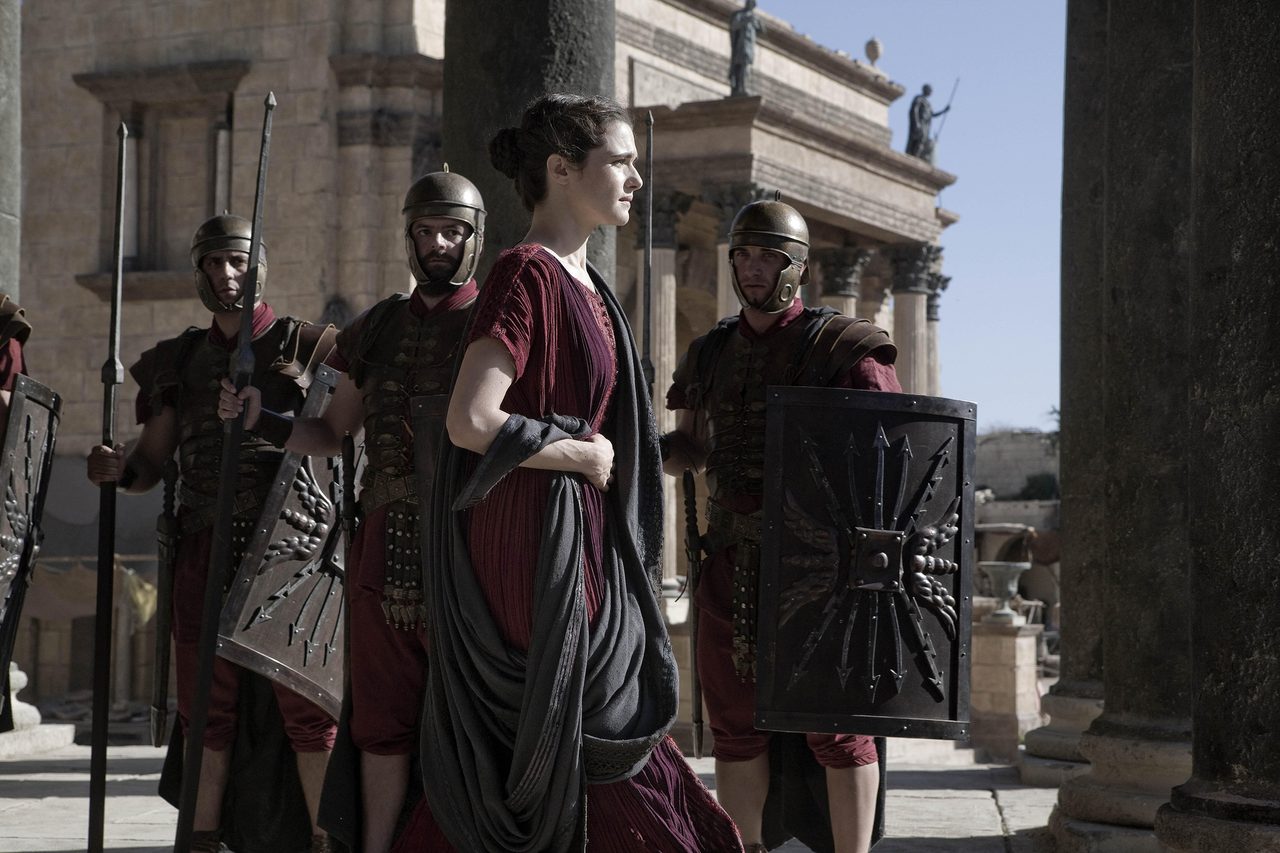
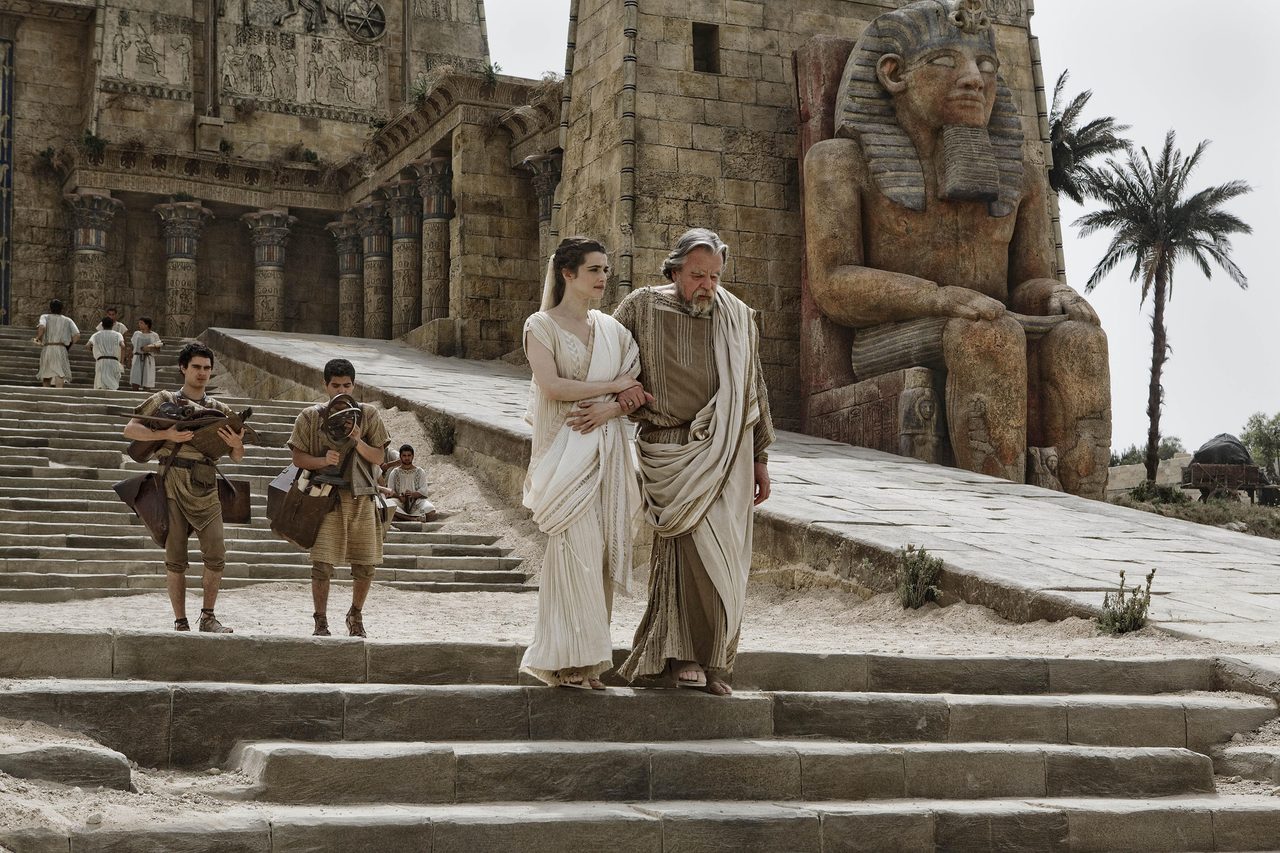
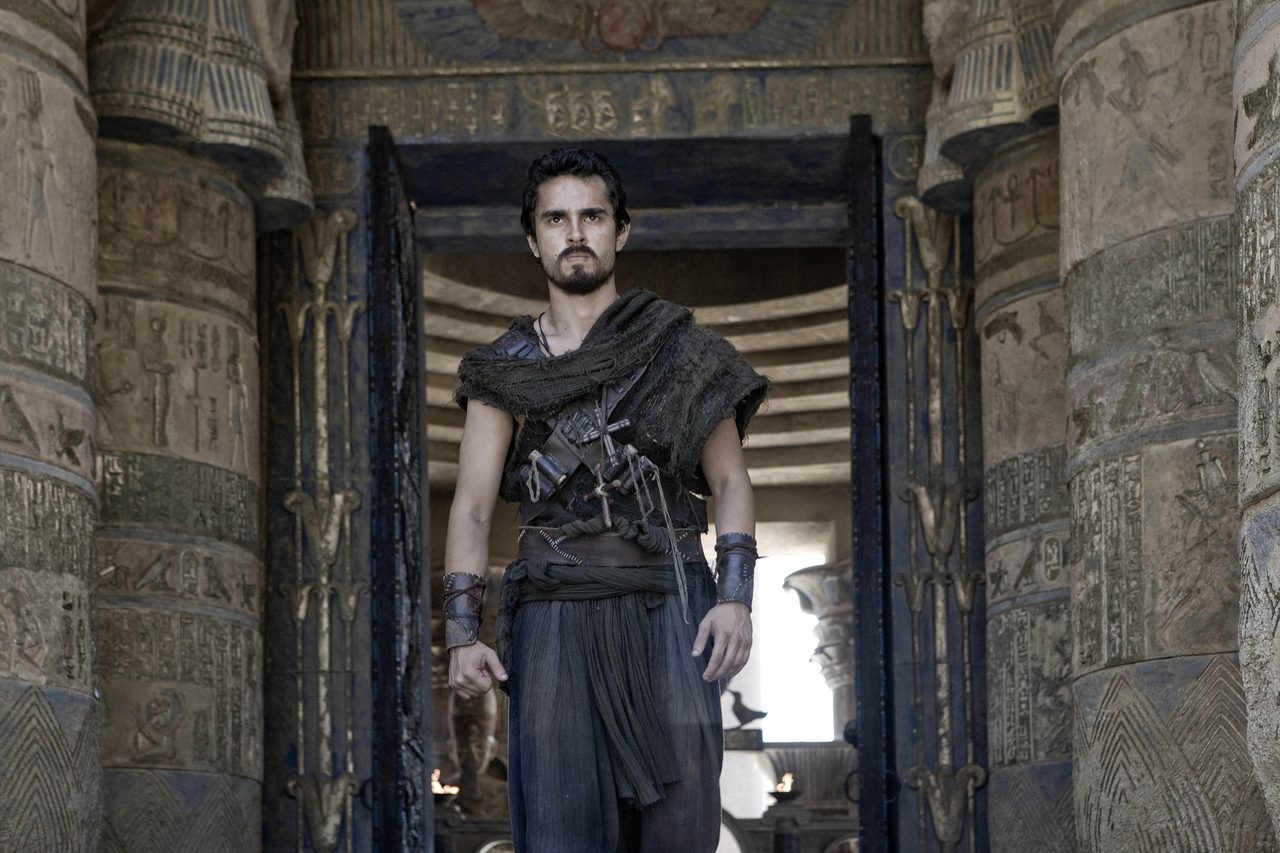
The slave Davus, played by Max Minghella, was invented as "eyes for the audience" and is not based on any historical account; when Hypatia is about to be stoned to death at the end, he suffocates her so she feels no pain.- Production designer Guy Hendrix Dyas used real sets and locations rather than CGI at Amenábar's direction; building the set employed almost 400 people and it was the largest ever designed on the island.
- Actor Charles Thake, who played Hesiquius, suffered minor facial injuries during filming after colliding with extras who were running during a scene.