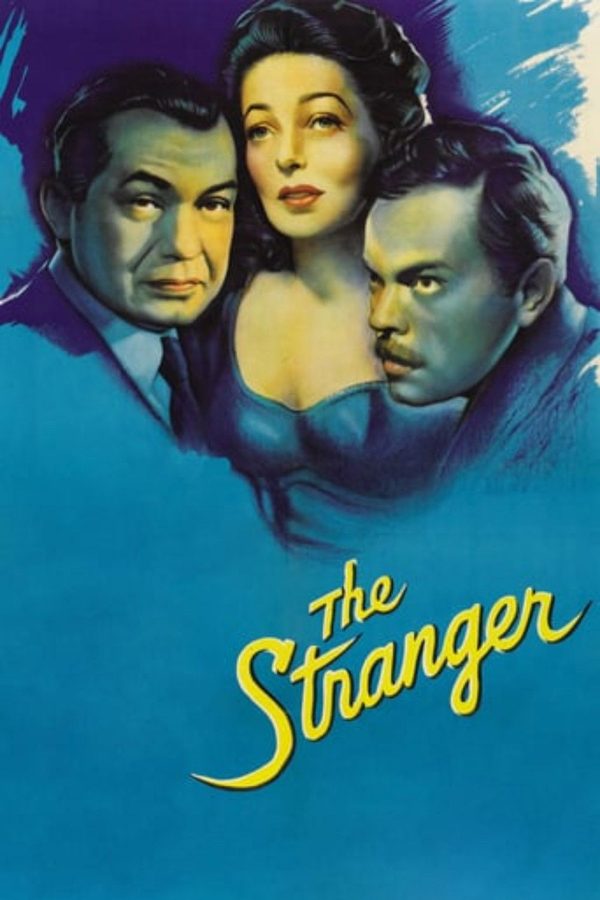
The Stranger (1946) on Netflix
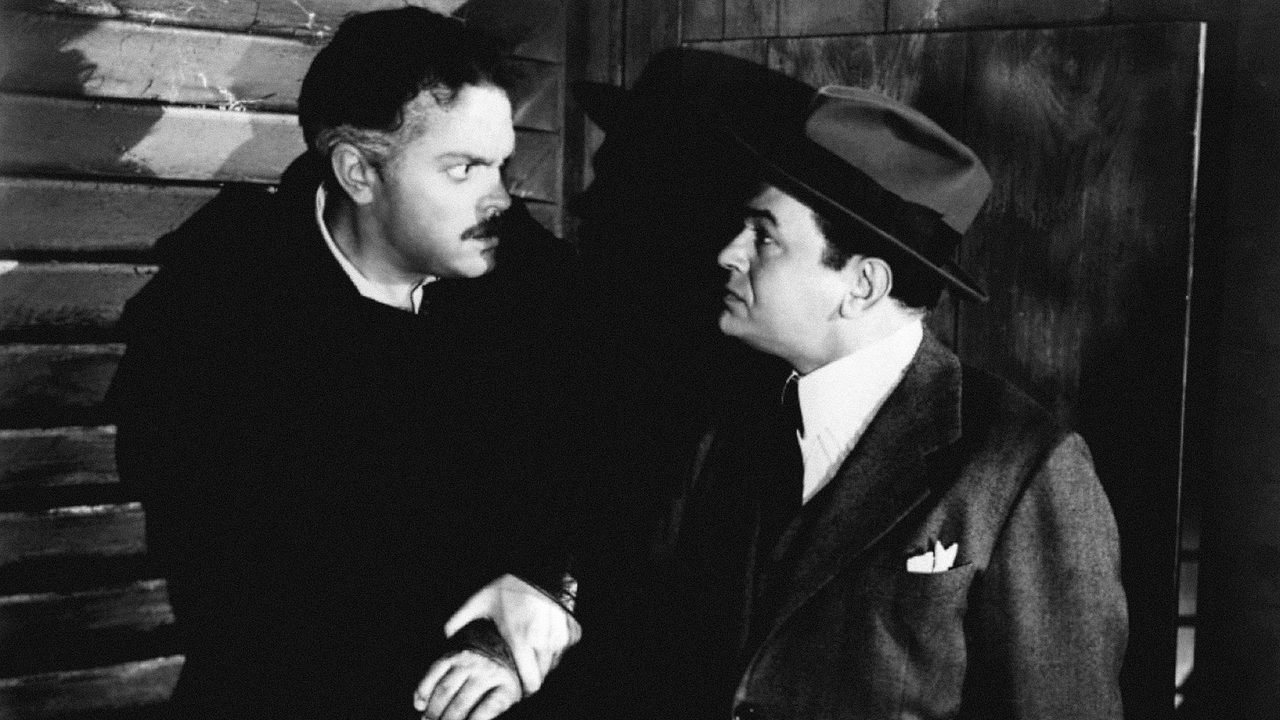
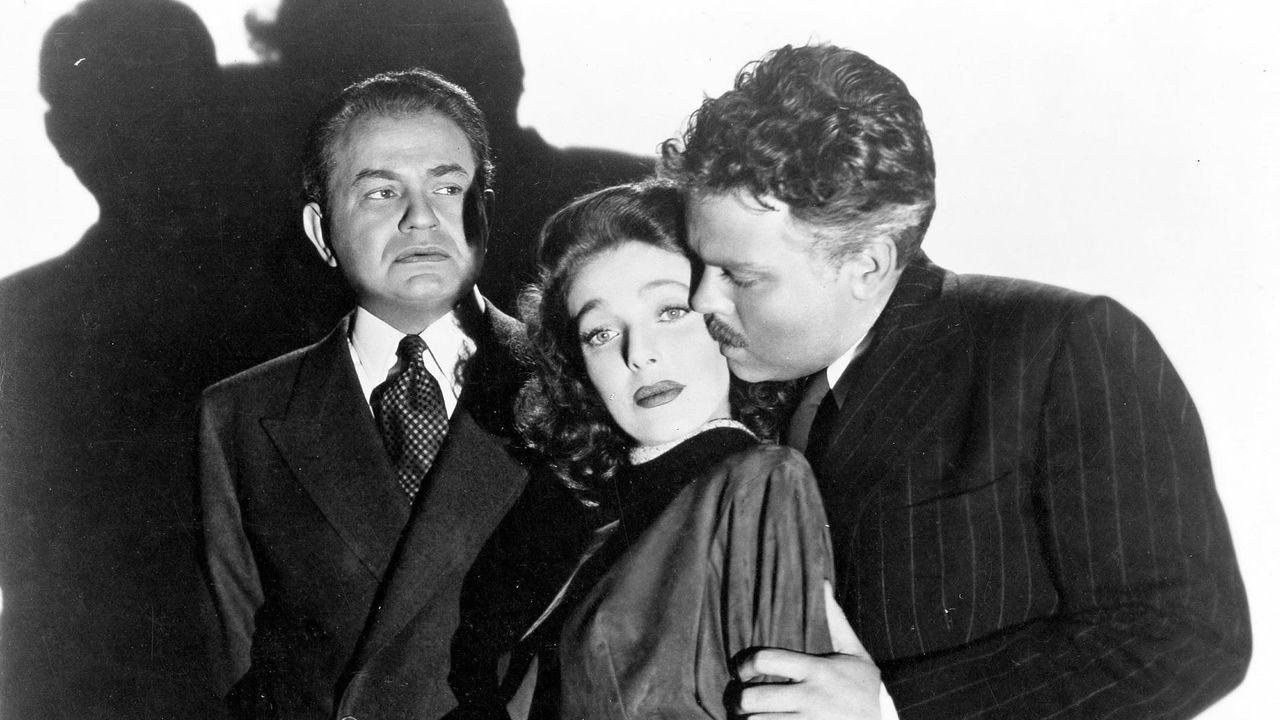
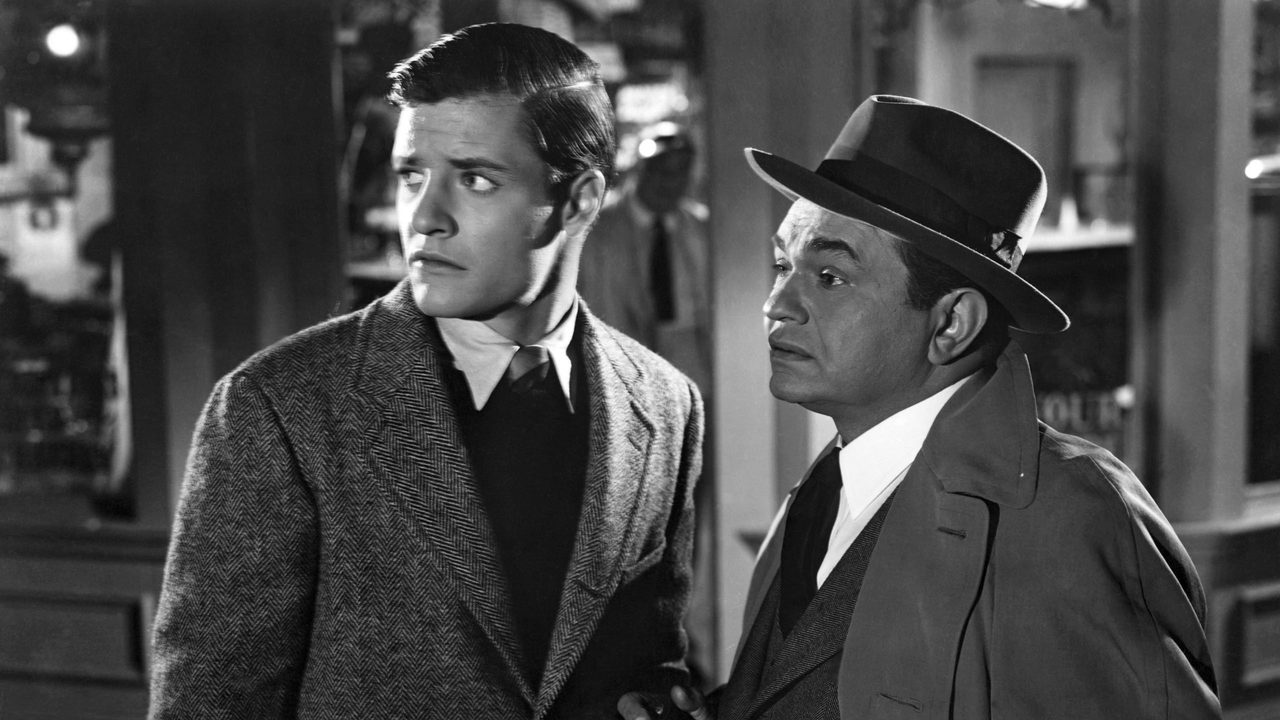
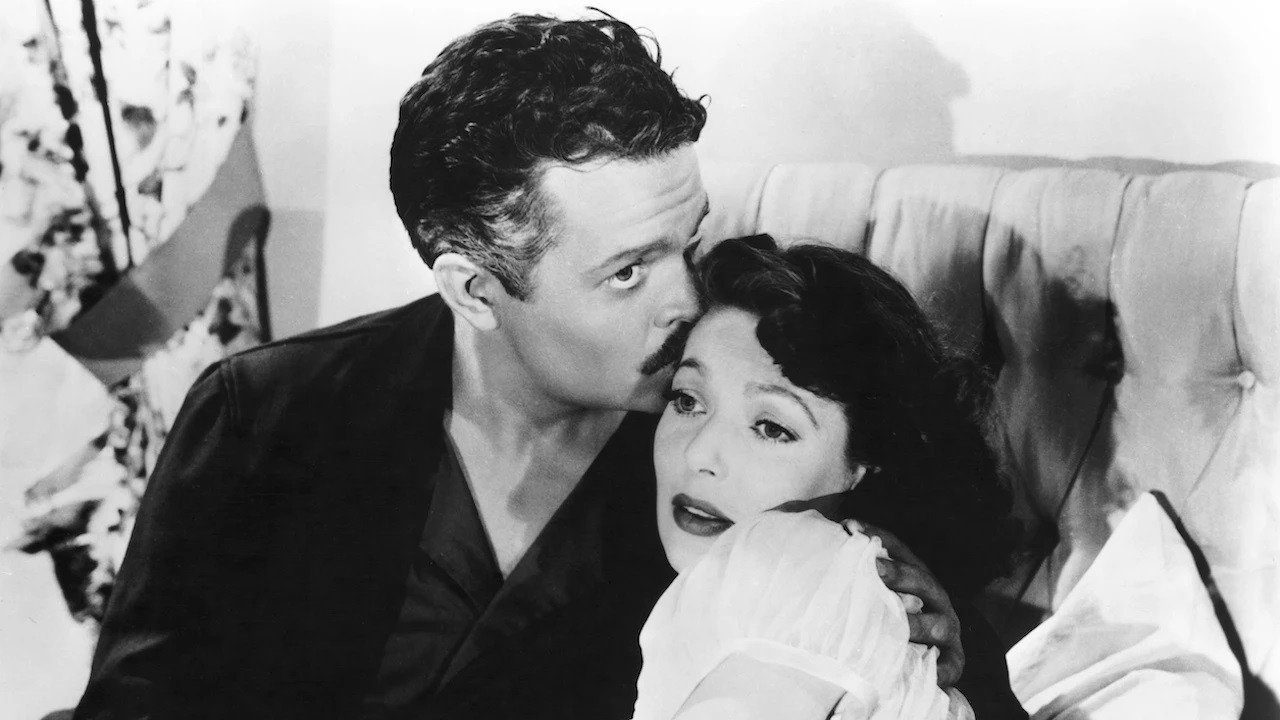
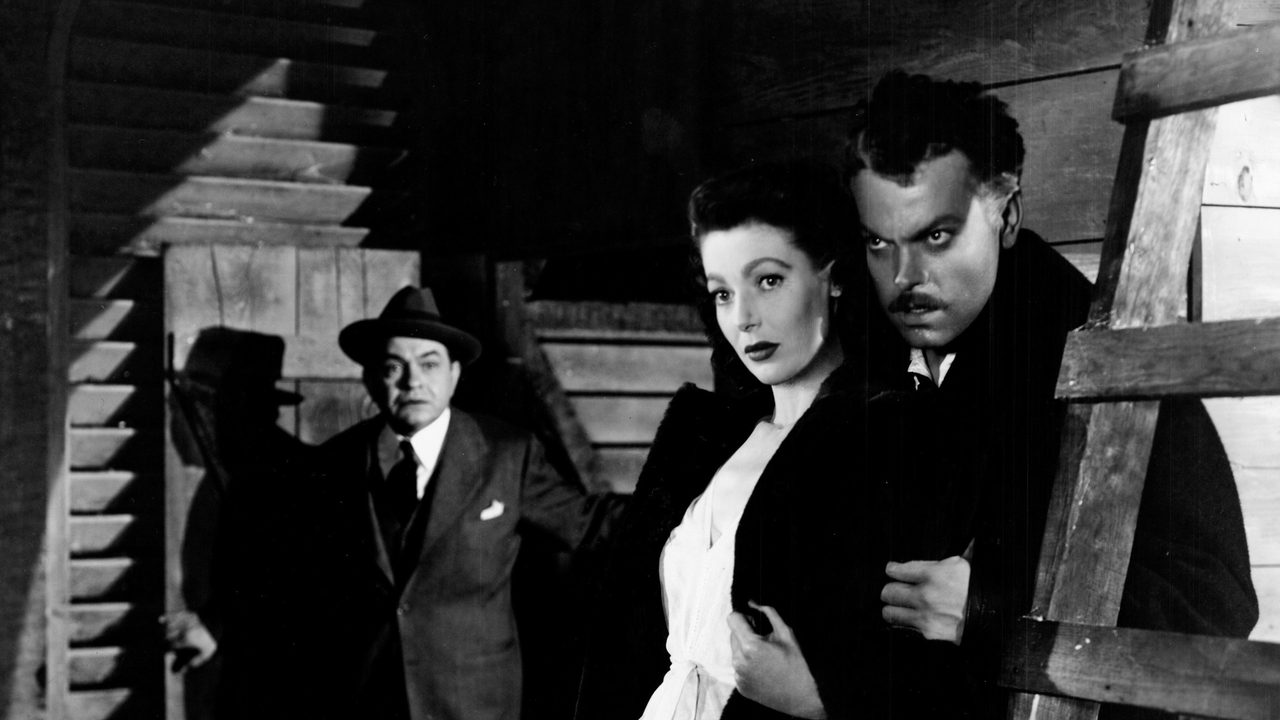
A Nazi fugitive, Franz Kindler, has erased his past and lives in Harper, Connecticut as teacher Charles Rankin, engaged to Mary Longstreet. Federal agent Wilson hunts him.
- Netflix4.3/5
- IMDb7.3/1031,240 votes
- Rotten Tomatoes97%
Trailer
Plot summary
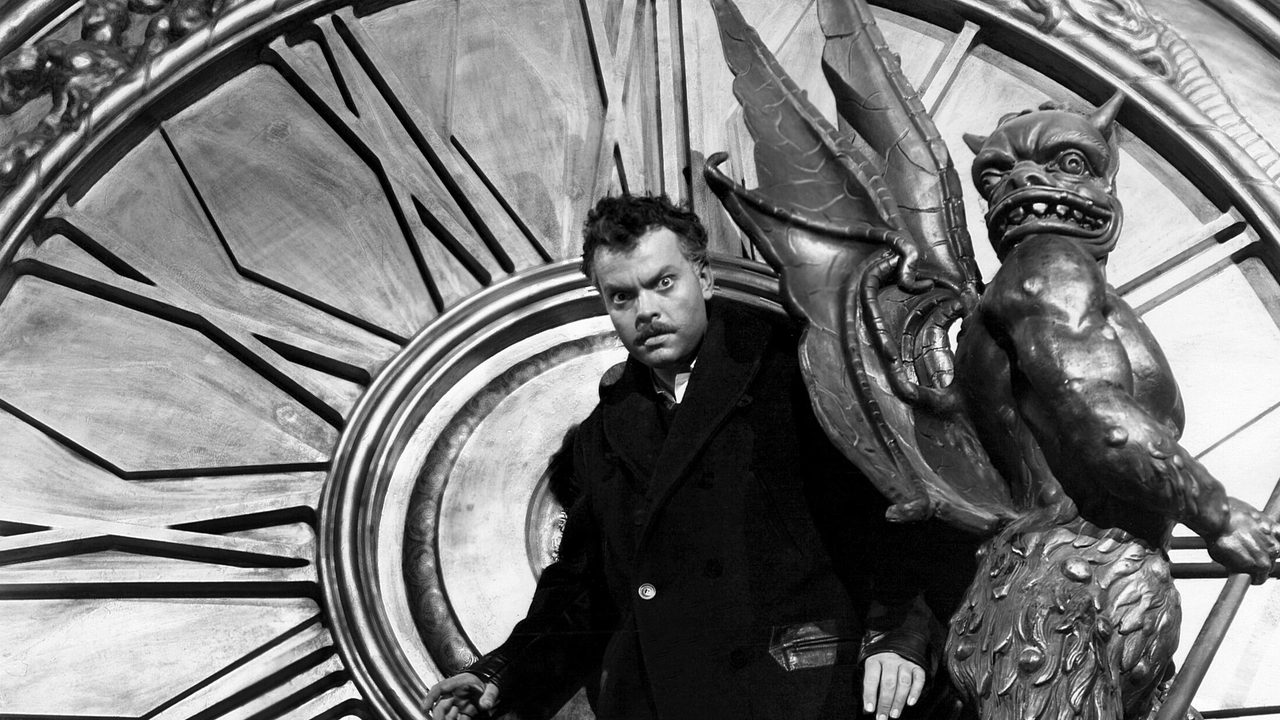
Wilson, a United Nations War Crimes Commission agent, hunts Franz Kindler, a Nazi fugitive who has erased every trace of his identity. The commission knows Kindler mainly for his obsession with clocks. Wilson releases Kindler's former associate Konrad Meinike in the hope that he will lead him to the fugitive, and follows him to Harper, Connecticut, where Meinike knocks him out. Kindler is living there as Charles Rankin, a prep school teacher. He is engaged to Mary Longstreet, daughter of Judge Adam Longstreet, and is repairing a 400-year-old clock mechanism with religious automata in the church belfry on the town square. Recovering from his injury, Wilson begins asking about newcomers to Harper.
Cast









Did you know?!Facts and trivia about The Stranger (1946)
Can contain spoilers, watch the movie first.
- Orson Welles only got The Stranger after John Huston entered the military, and he accepted a disadvantageous contract to prove he could make a film on schedule and under budget; he and his wife Rita Hayworth guaranteed he would owe International Pictures any earnings above $50,000 a year if he broke the deal.
- Welles built a second film inside The Stranger out of snatches of documentary footage of Nazi atrocities, making it the first commercial film to use documentary footage from the Nazi concentration camps.
- Welles wanted Agnes Moorehead to play the war crimes investigator Wilson, saying it would be more interesting to have a spinster lady on a Nazi's trail; Edward G. Robinson was cast instead.
SPOILER
When producer Spiegel ordered a closeup of Loretta Young during Mary's fight with Kindler, Welles and Young refused; Welles said the closeup would have been fatal, and Young brought in her agent to back her up.- Editor Ernest J. Nims could cut anything he judged extraneous from the script before shooting began; Welles called him the great supercutter and said that since most of the good stuff in his movies does not advance the story, Nims was a nemesis to him.
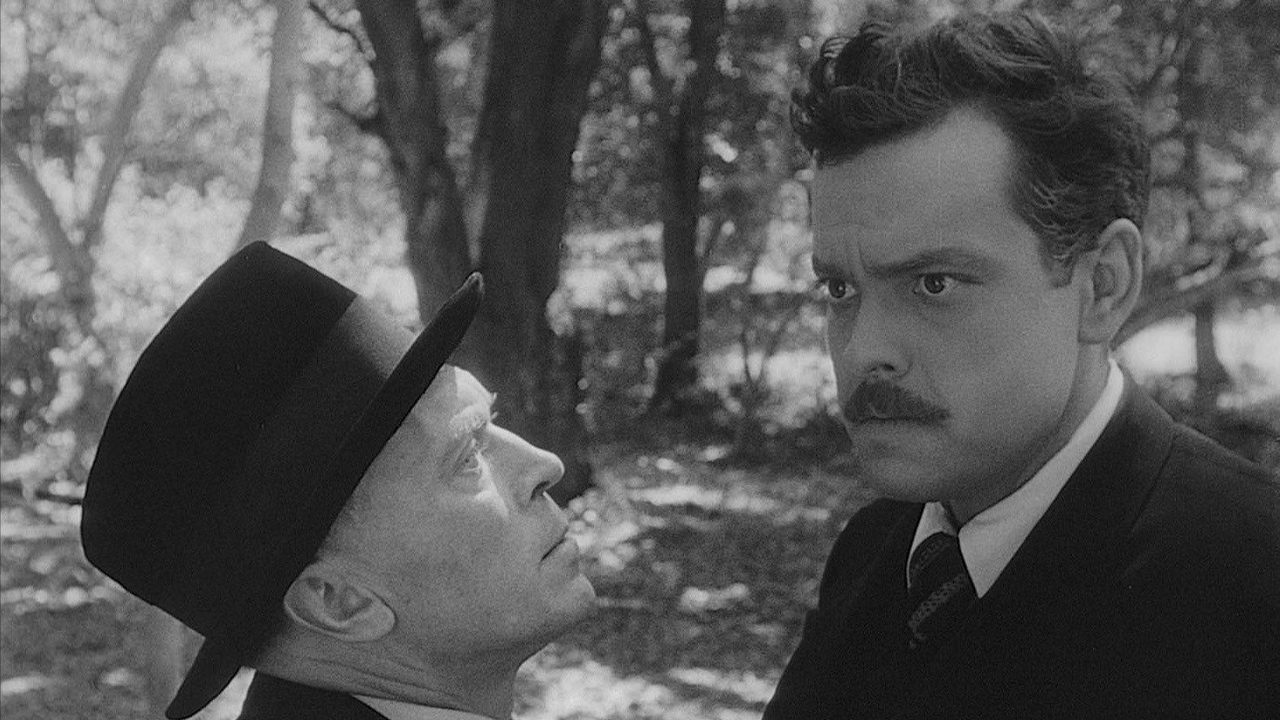
- Welles used long takes as a way to protect the integrity of his film, giving the great supercutter nothing to cut away to; at a time when a one-minute take was a rarity, one unbroken scene between Kindler and Meinike in the woods runs four minutes, longer than the opening of Touch of Evil.
- Welles planned to use the campus of his alma mater, the Todd School for Boys in Woodstock, Illinois, as the film's setting, but budget restrictions ruled it out; a gym sign reading "Harper vs. Todd" and a reference to Clover Hall still appear in the finished film.
- Perry Ferguson, production designer for Citizen Kane, was borrowed from Samuel Goldwyn Productions and built Welles a complete town square of interlocking sets, so shots could show deep views of neighboring buildings through windows or reflected in their glass.