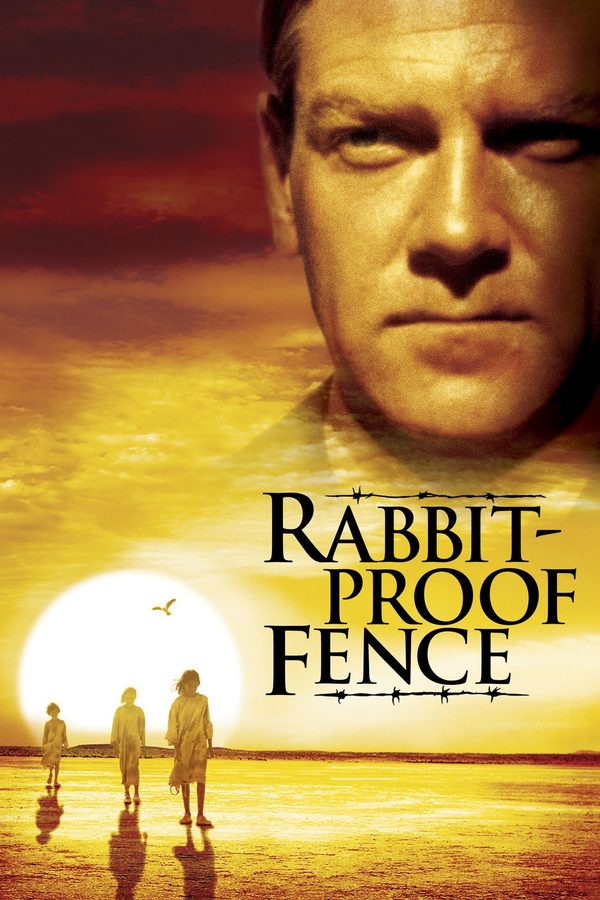
Rabbit-Proof Fence (2002) on Netflix
PG20021h 34mAdventureBiographyDrama
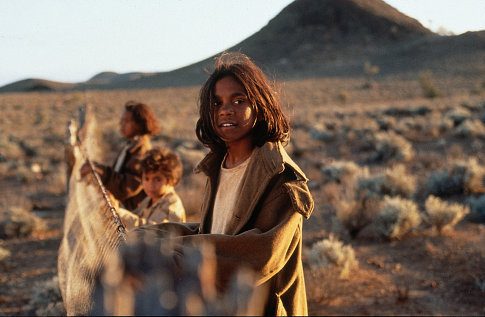
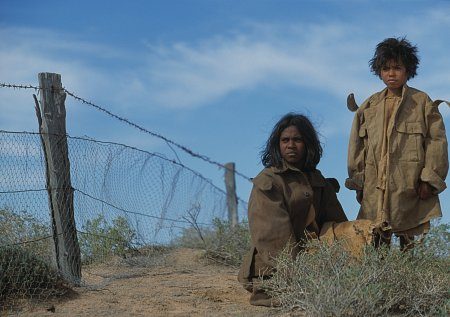
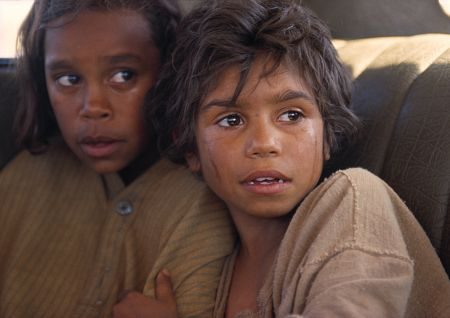
In 1931, Molly, her sister Daisy and their cousin Gracie are taken from Jigalong to the Moore River Native Settlement. Molly plans their escape and the walk home along the rabbit-proof fence.
- Netflix3.7/5
- IMDb7.4/1031,833 votes
- Rotten Tomatoes88%
Trailer

Plot summary
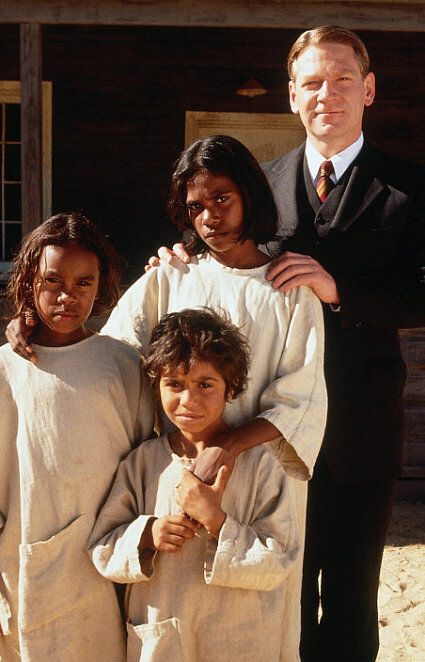
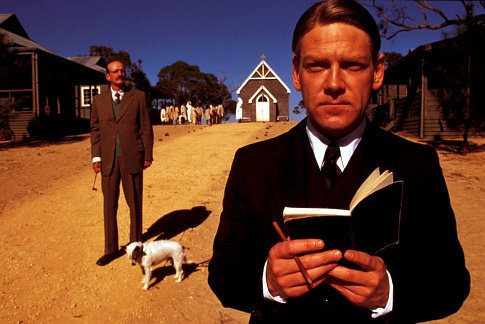
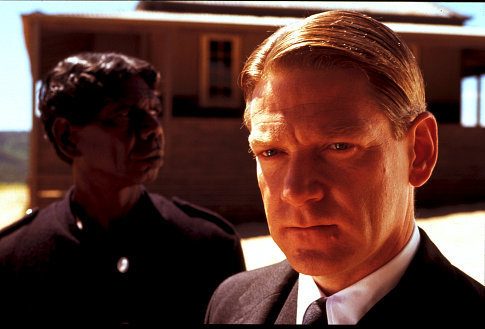
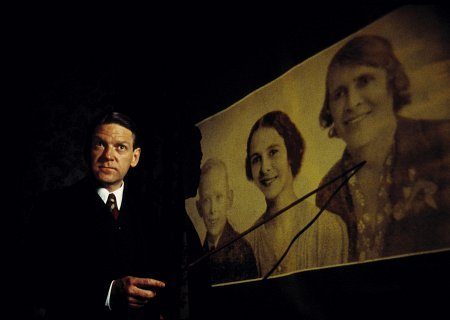
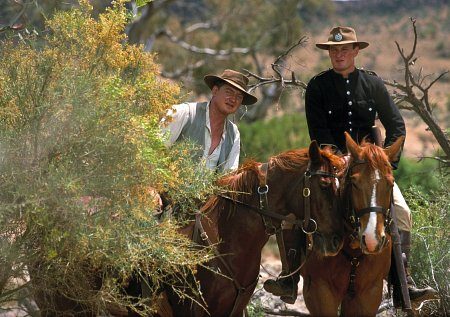
In 1931 in Western Australia, A.O. Neville, the Protector of Western Australian Aborigines, signs an order to move three girls from Jigalong to the Moore River Native Settlement. Molly, her sister Daisy and their cousin Gracie are taken from their families by Constable Riggs. Neville calls the children half-castes, and the camp trains them as laborers and servants for white households. At Moore River, nuns keep dozens of children in a large dormitory, forbid them to speak their own language, require Christian prayer and punish any breach of the camp rules. Molly sees her chance to escape under cover of a coming thunderstorm, and a tracker, Moodoo, is sent after the girls.
Cast
- Everlyn Sampias Molly Craig
- Tianna Sansburyas Daisy Craig Kadibill
- Laura Monaghanas Gracie Fields


- Myarn Lawfordas Molly's Grandmother








Show all 20 cast


Did you know?!Facts and trivia about Rabbit-Proof Fence (2002)
Can contain spoilers, watch the movie first.
- Australian government minister Eric Abetz issued a leaflet attacking the film's portrayal of Indigenous removal policy and demanded the filmmakers apologize, prompting director Phillip Noyce to say it was the government that owed an apology.
- Historian Keith Windschuttle disputed the film's account, writing that the girls had been removed for their own welfare and that the two older girls had been sexually involved with white men.
- Conservative columnists Piers Akerman and Andrew Bolt accused the filmmakers of distorting history, with Bolt's claims prompting screenwriter Christine Olsen to write a detailed rebuttal and academic Robert Manne to accuse Bolt of historical denialism.
- The British Film Institute later judged the film important enough viewing for children that it added it to a published list of fifty films every young person should see before turning fourteen.